Estronho e esquésito

cinema, literature and oddities


Silent Movies

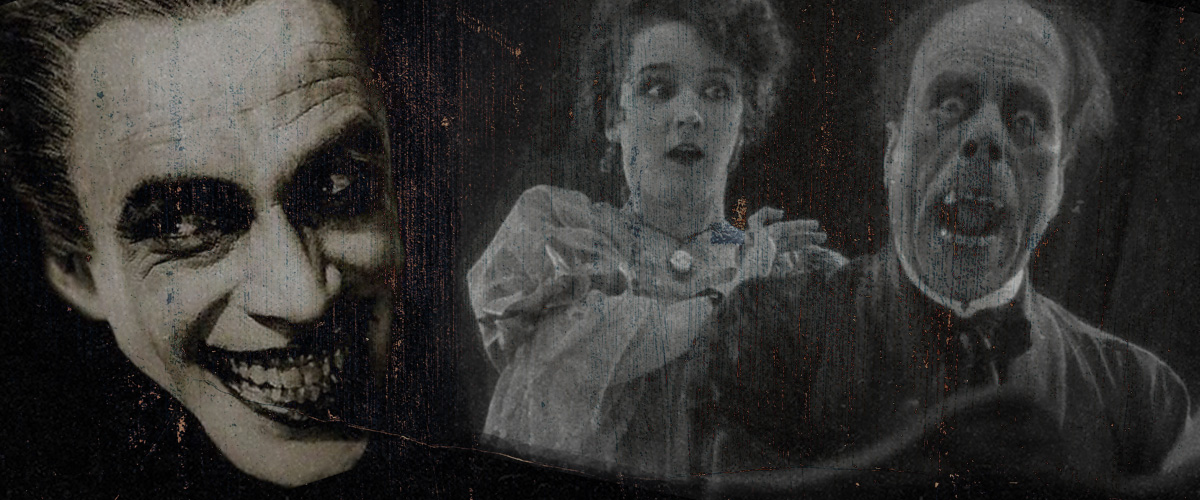
There was a time when cinema expressed itself through exaggerated gazes, sweeping gestures, drama-laden intertitles, and laughter that erupted without warning. This section proposes a return to that era, gathering texts that traverse different paths of silent cinema.

The series Silent Marathon is dedicated to cinematic serials, while The Origins of Horror investigates the early shorts and features that helped shape horror born under the aesthetics of silence. Meanwhile, Silent Film Stars revisits the actors and actresses who defined the era through their presence, expressiveness, and the impact they had on the consolidation of this visual language.

Dress elegantly: we’re going to the cinema to follow the serials

Silent Marathon
Dress elegantly: we’re going to the cinema to follow the serials

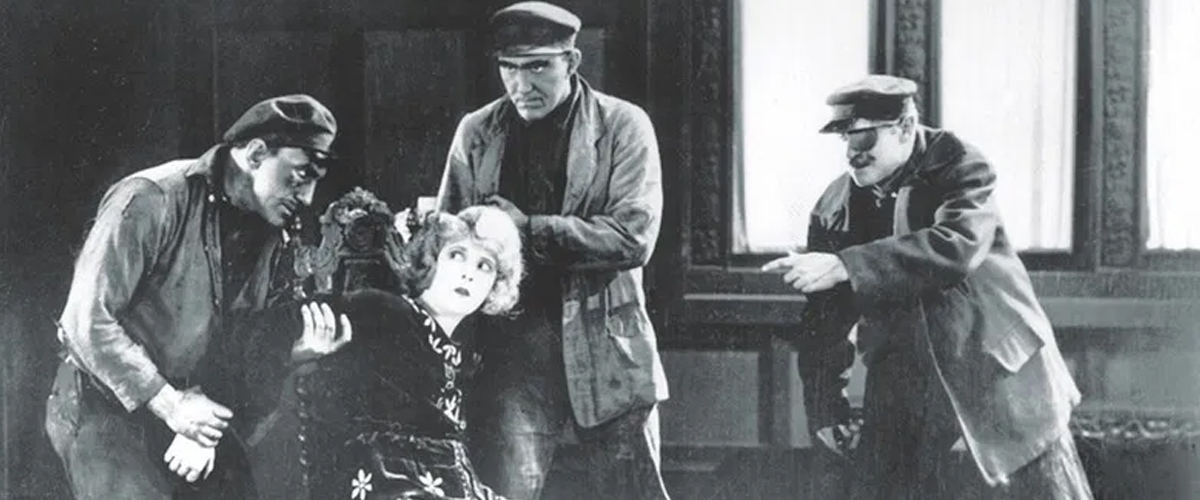
Although today we associate serials with the comfort of quick, neatly resolved stories on TV, in the days of silent cinema the format was synonymous with danger and absolute suspense. The “serial” thrived on the climax: it invariably ended with the hero in a desperate situation—the famous cliffhanger—to ensure audiences would return to the theater the following Saturday.
By Marcelo Amado January 05, 2026
Read more...
<i>Nick Carter, the King of Detectives</i> (1908)

Silent Marathon
Nick Carter, the King of Detectives (1908)

The serial is based on the character Nick Carter, created by Ormond G. Smith, son of one of the founders of Street & Smith Publications. The publisher was responsible for the New York Weekly, a kind of literary magazine that circulated between the years 1846 and 19151, where the character appeared for the first time. In 1903, he received his first solo publication, the Nick Carter Weekly, by the same publisher.

By Marcelo Amado January 06, 2026
Read more...
<i>Riffle Bill, le roi de la prairie</i> (1908)

Silent Marathon
Riffle Bill, le roi de la prairie (1908)

The series took advantage of the fever generated by the Buffalo Bill’s Wild West tour, which traveled through Europe between 1902 and 1906. In France, the show caused such a profound cultural impact that cinema felt the need to replicate the Western genre with a European sensibility, creating what historians call the "Camargue Western" or "French Western".

By Marcelo Amado January 08, 2026
Read more...
<i>Dragonnades sous Louis XIV</i> (1909)

Silent Marathon
Dragonnades sous Louis XIV (1909)

Still among the French pioneers, the third work in our journey through the pioneers of cinematic serials can, in fact, be considered a miniseries, as it had only two episodes, yet it still fits within our theme.

By Marcelo Amado January 12, 2026
Read more...
The sequels to <i>Nick Carter</i> (1909)

Silent Marathon
The sequels to Nick Carter (1909)

Still riding on the success of Nick Carter, le roi des détectives (1908) and of its other serials, the executives at Éclair decided to invest in yet another production starring the famous detective. At that time, Nick Carter was already an extremely popular character, originating from pulp literature and serialized fiction, and French cinema knew how to exploit that popularity very well.

By Marcelo Amado January 19, 2026
Read more...
<i>Morgan, le pirate</i> (1909)

Silent Marathon
Morgan, le pirate (1909)

The adventures of Pirate Morgan were already being told long before this small three-episode series. Indeed, there was a real British corsair, Henry Morgan, who became famous for terrorizing the waters of the Caribbean between 1663 and 1671. He did not limit himself to attacks at sea, making his men march for miles to invade and plunder cities.
By Marcelo Amado January 26, 2026
Read more...
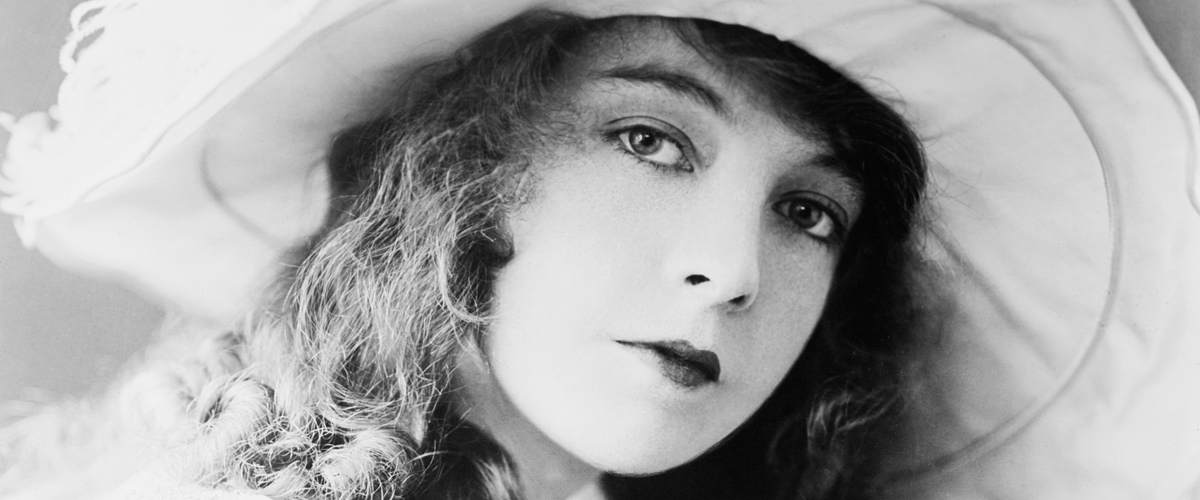
<p>Lillian Gish</p>

Silent Film Stars

Lillian Gish

Known as the "First Lady of American Cinema," Lillian Gish was far more than an actress, pioneering performance techniques and becoming a fierce advocate for film preservation. With a career spanning seven decades—from D.W. Griffith's epics to modern productions—she cemented her legacy as one of the most resilient and influential figures in film history.

By Marcelo Amado January 26, 2026
Read more...
<p>Introduction: before monsters, the wonder</p>

The Dawn of Horror

Introduction: before monsters, the wonder

Horror in cinema was not born with established vampires or rubber-masked creatures. It came before that —raw, experimental, often disguised as a curiosity, a visual game, or a simple fairground trick.

In the early years of cinema, fear was not a genre. It was a curiosity... or a side effect.

By Marcelo Amado January 30, 2026
Read more...
<i>Meskal le contrebandier</i> and <i>Le vautour de la siria </i>(1909)

Silent Marathon
Meskal le contrebandier and Le vautour de la siria (1909)

It is worth highlighting the series based on the books by Georges Clavigny and the participation of Joë Hamman, actor, director, and illustrator, considered one of the pioneers of the French Western alongside to the already mentioned Victorin-Hippolyte Jasset, with the production of Riffle Bill, le roi de la prairie (1908), which we have already seen here.

By Marcelo Amado February 02, 2026
Read more...
<p>Asta Nielsen</p>

Silent Film Stars

Asta Nielsen

If today we are accustomed to subtle performances, where a gaze says more than a thousand words, we must thank a Danish woman with magnetic eyes and an expressive face named Asta Nielsen. Before her, cinema was basically filmed theater, with exaggerated gestures and arms flailing in the wind. Asta arrived and changed the game, becoming the first truly global star and earning the affectionate nickname Die Asta.

By Marcelo Amado February 05, 2026
Read more...
<i>Lieutenant Rose</i> (1910)

Silent Marathon
Lieutenant Rose (1910)

The series was commissioned in 1910 by the Clarendon Film Company to capitalize on the growing popularity of naval adventure narratives, driven by pre-WWI patriotic fervor and contemporary fears of espionage in Britain, with inspiration drawn from penny dreadfuls depicting imperial espionage and heroism.

By Marcelo Amado February 09, 2026
Read more...
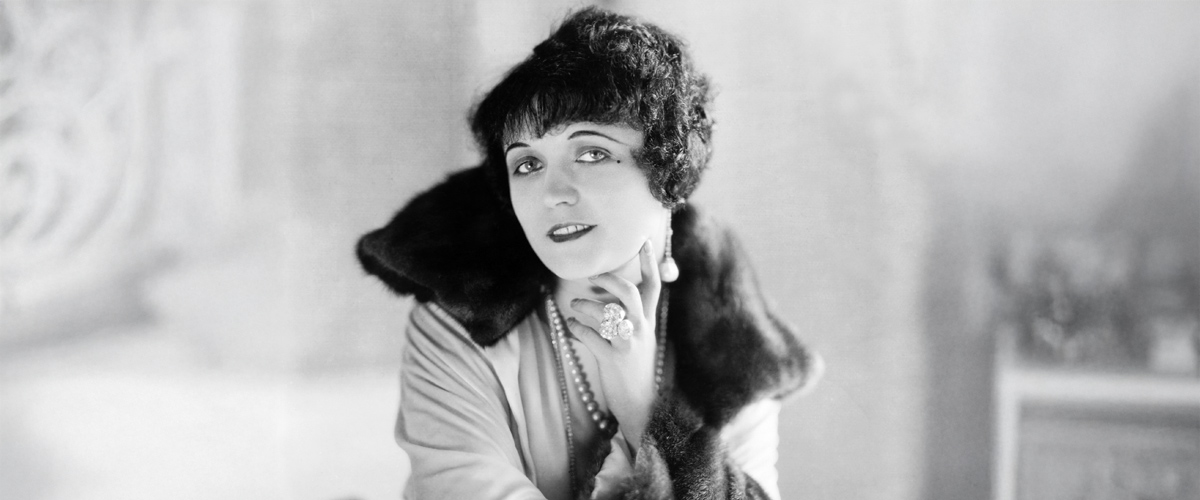
<p>Pola Negri</p>

Silent Film Stars

Pola Negri

Pola Negri, born Apolonia Chałupiec in Lipno, Poland, on January 3, 1897, was the embodiment of European sophistication in silent cinema. Unlike studio-manufactured stars, she arrived in the United States with a solid artistic background, shaped by the rigorous discipline of classical ballet and Polish theater. 

By Marcelo Amado February 12, 2026
Read more...
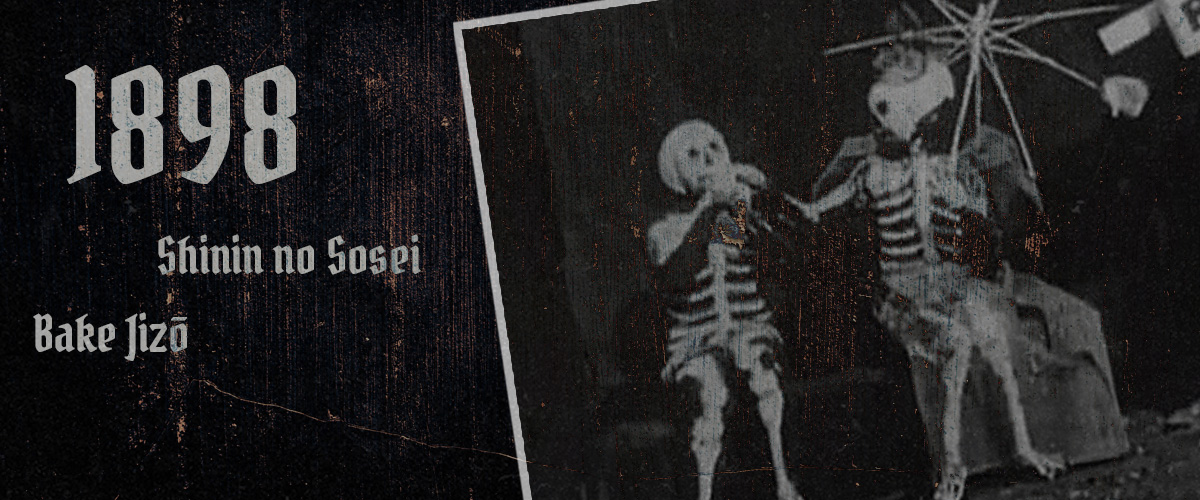
<p><i>Shinin no Sosei </i>and <i>Bake Jizō</i> (1898)</p>

The Dawn of Horror

Shinin no Sosei and Bake Jizō (1898)

When cinema was still seeking its first narrative forms, contact with death, the supernatural, and the grotesque emerged almost immediately. Bodies moving after the end, religious objects defying their symbolic function, familiar figures transformed into threats —all of this was already appearing on screens in the final years of the 19th century. 
By Marcelo Amado February 13, 2026
Read more...
<i>Docteur Phantom</i> (1910)

Silent Marathon
Docteur Phantom (1910)

There is very little — not to say almost nothing — information available regarding this series, but there are mentions that it was yet another one to ride the success of Nick Carter, under the command of the same director. There is no information even at the Cinémathèque Française, which holds the largest collection of data on films from this era. Only the episode list and a few technical details can be found.

By Marcelo Amado February 16, 2026
Read more...
<i>Der blaue Diamant</i> (1910)

Silent Marathon
Der blaue Diamant (1910)

The production is based on the work of Maurice LeBlanc, which is actually titled Arsène Lupin versus Herlock Sholmes (that’s right, you read correctly... Herlock Sholmes). In fact, Arthur Conan Doyle did not take the joke very well. He was furious to see his famous character being ridiculed—according to him—in Maurice LeBlanc's book.

By Marcelo Amado February 23, 2026
Read more...
<p>Musidora</p>

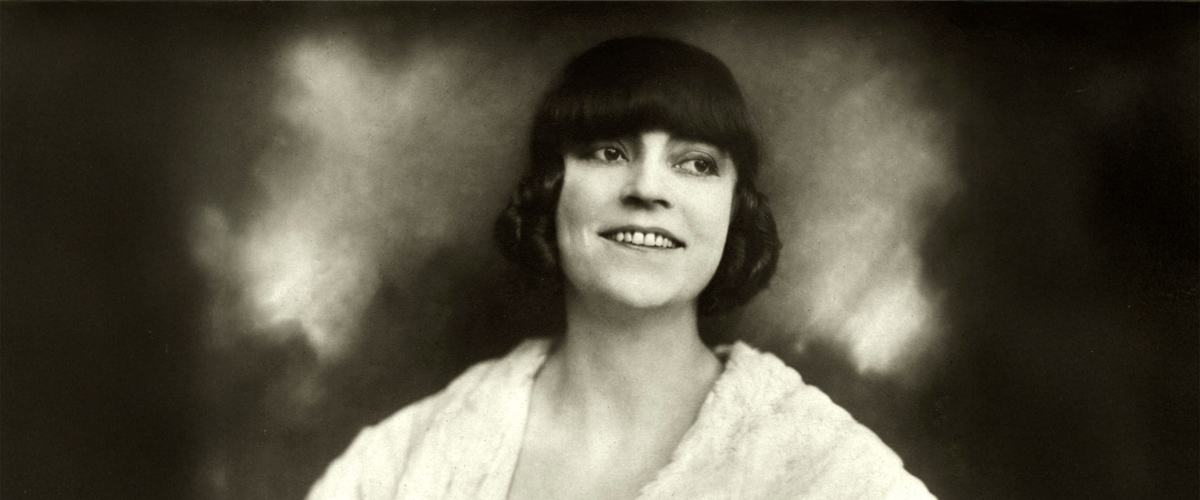
Silent Film Stars

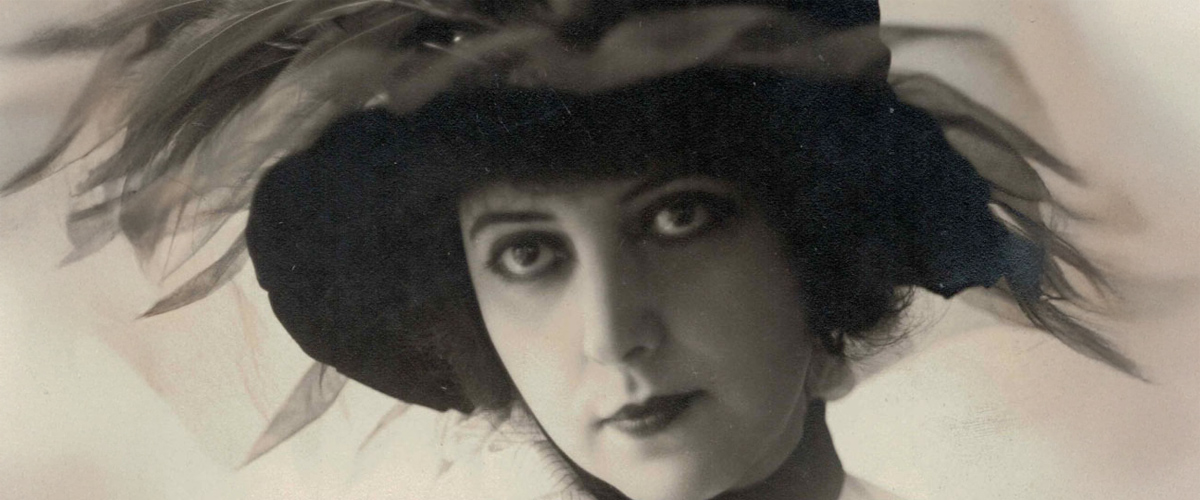
Musidora

Jeanne Roques was born on 02/23/1889 in Paris, France. Unlike many stars of the time, Jeanne Roques did not come from nowhere. Raised in a vanguard cradle — daughter of a composer and the painter Marie Clémence — she was already a writer and painter before becoming an actress. This intellectual background allowed her to move between cabaret and Paris's literary elite with the same fluidity.

By Marcelo Amado February 26, 2026
Read more...
<p><i>Momijigari </i>(1899) <i>Ninin Dōjōji</i> (1899)</p>

The Dawn of Horror

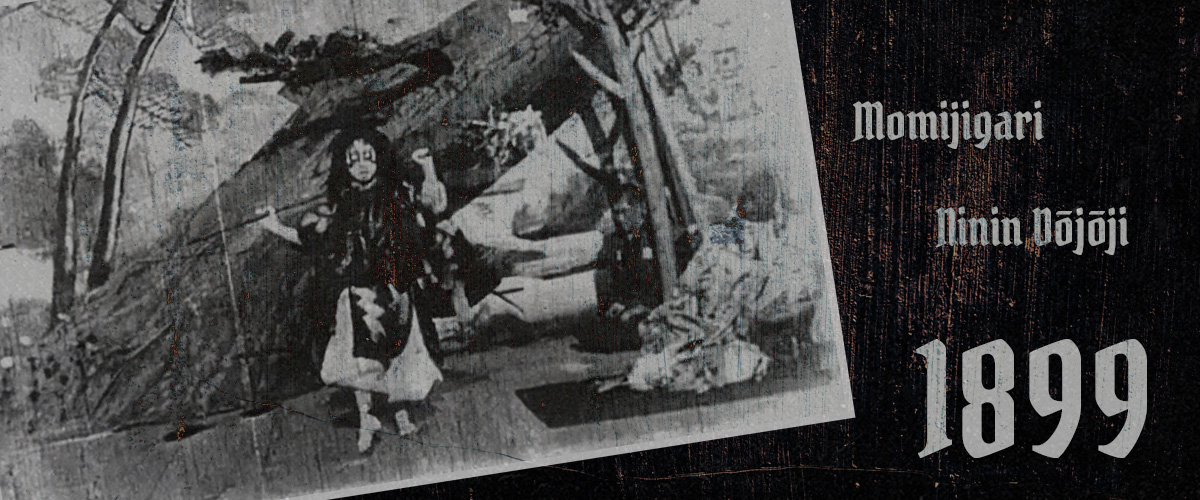
Momijigari (1899) Ninin Dōjōji (1899)

While early European cinema played with devils and visual tricks, Japanese cinema began bringing centuries-old haunted stories from theater and folklore to the screen. Fear here is cultural memory. These are not proto-horror1 by accident. They are horror by heritage. These films make one thing very clear: horror in cinema was not born solely from grotesque imagery, monsters, and demons. It also came from the narrative tradition that cinema inherited from other arts and popular legends.

By Marcelo Amado February 27, 2026
Read more...
<i>Lieutenant Daring </i>(1911)

Silent Marathon
Lieutenant Daring (1911)

Lieutenant Daring emerged in 1911, produced by British and Colonial Kinematograph, to rival the success of Lieutenant Rose (by Clarendon Films) — clearly a blatant copy. Although they shared the same naval rank, Daring set himself apart through physical vigor and acrobatic action sequences, while Lieutenant Rose was more cerebral and focused on mysteries.

By Marcelo Amado March 09, 2026
Read more...
<p>Edna Purviance</p>

Silent Film Stars

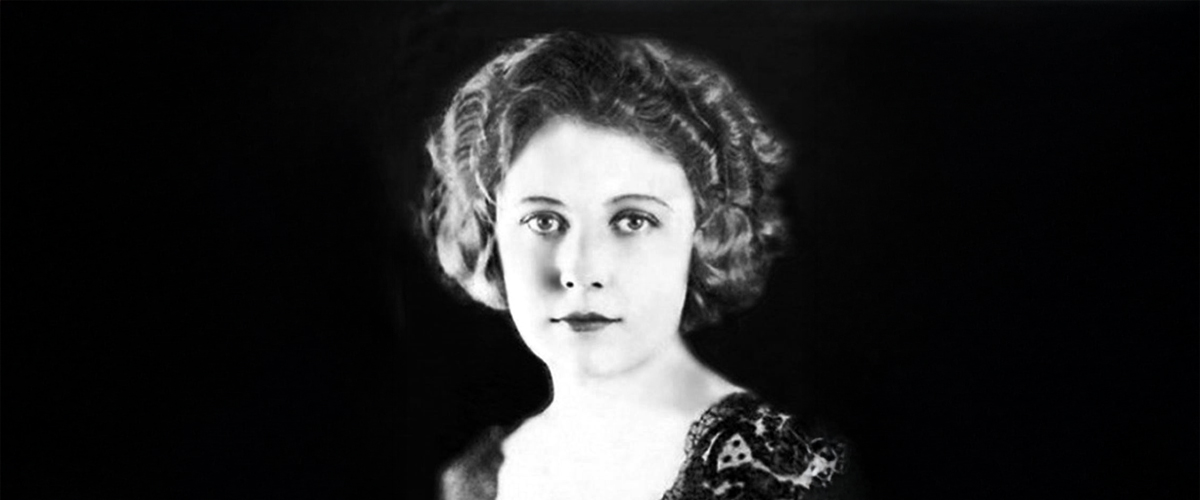
Edna Purviance

Often, the history of silent cinema is told through grand gestures and explosive personalities. However, Edna Purviance's journey shows us that subtlety and loyalty can be just as impactful as the glamour of the great divas.

By Marcelo Amado March 12, 2026
Read more...
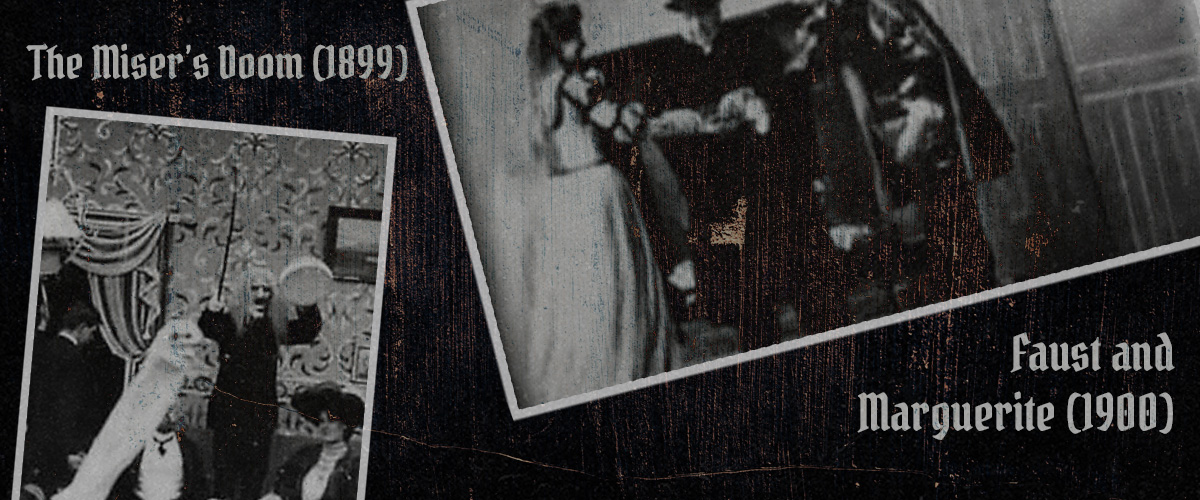
<p><i>The Miser’s Doom</i> (1899) and <i>Faust and Marguerite</i> (1900)</p>

The Dawn of Horror

The Miser’s Doom (1899) and Faust and Marguerite (1900)

In modern cinema, we take for granted that a good story can be told in 90 minutes... maybe 2 hours... perhaps 50 short minutes, with complex characters, drama, and effects. But back in the beginning... the camera was still a novelty. Audiences marveled at simple movement —as I have mentioned in previous articles. Every narrative had to be expressed through pure image, gesture, and minimal editing.

By Marcelo Amado March 13, 2026
Read more...