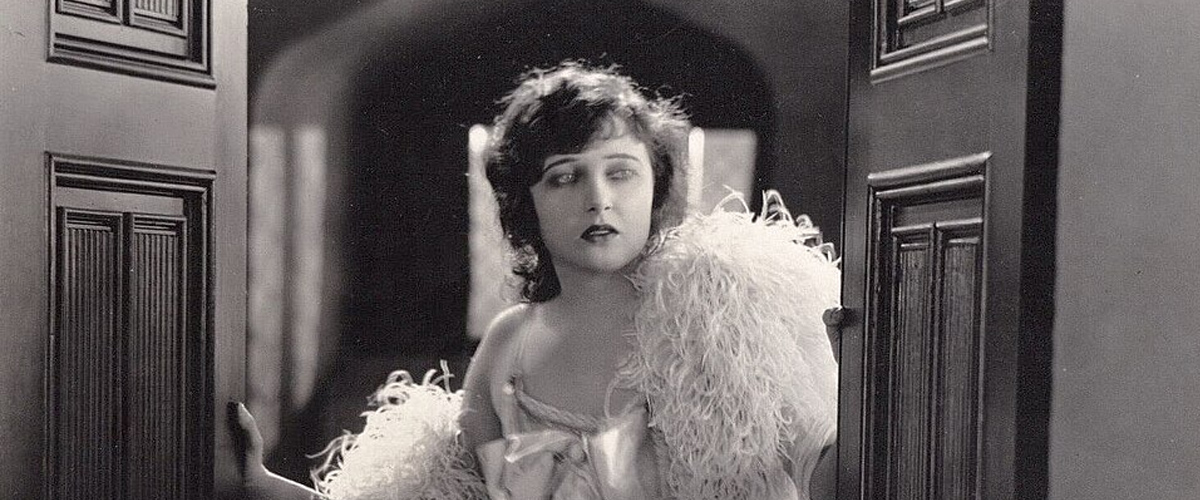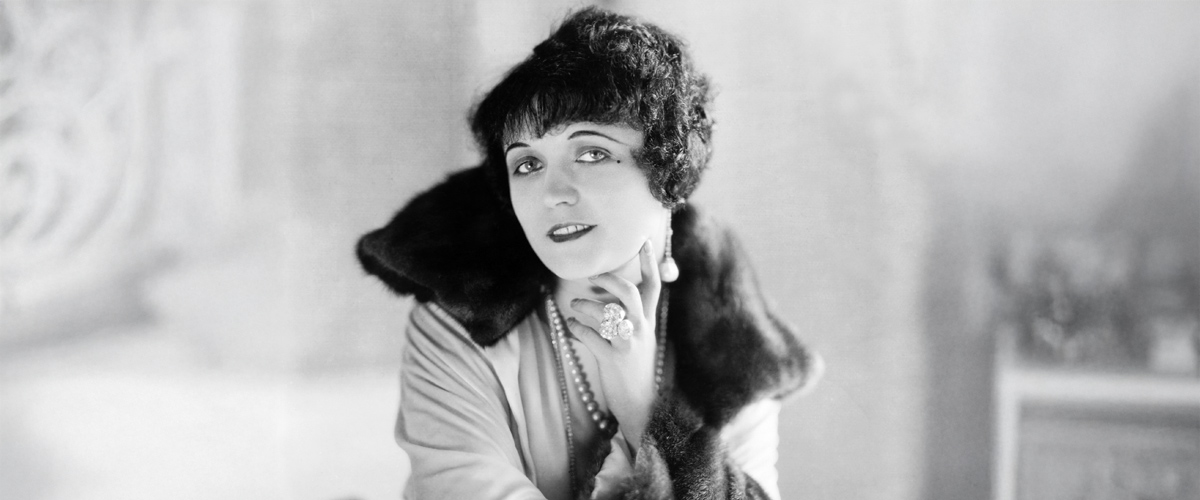
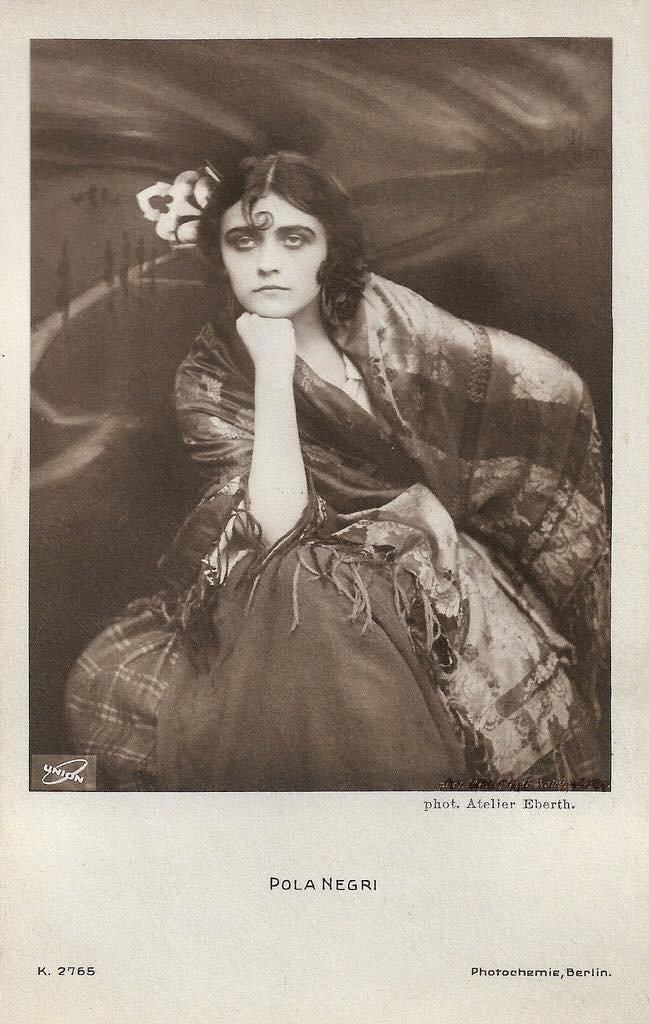
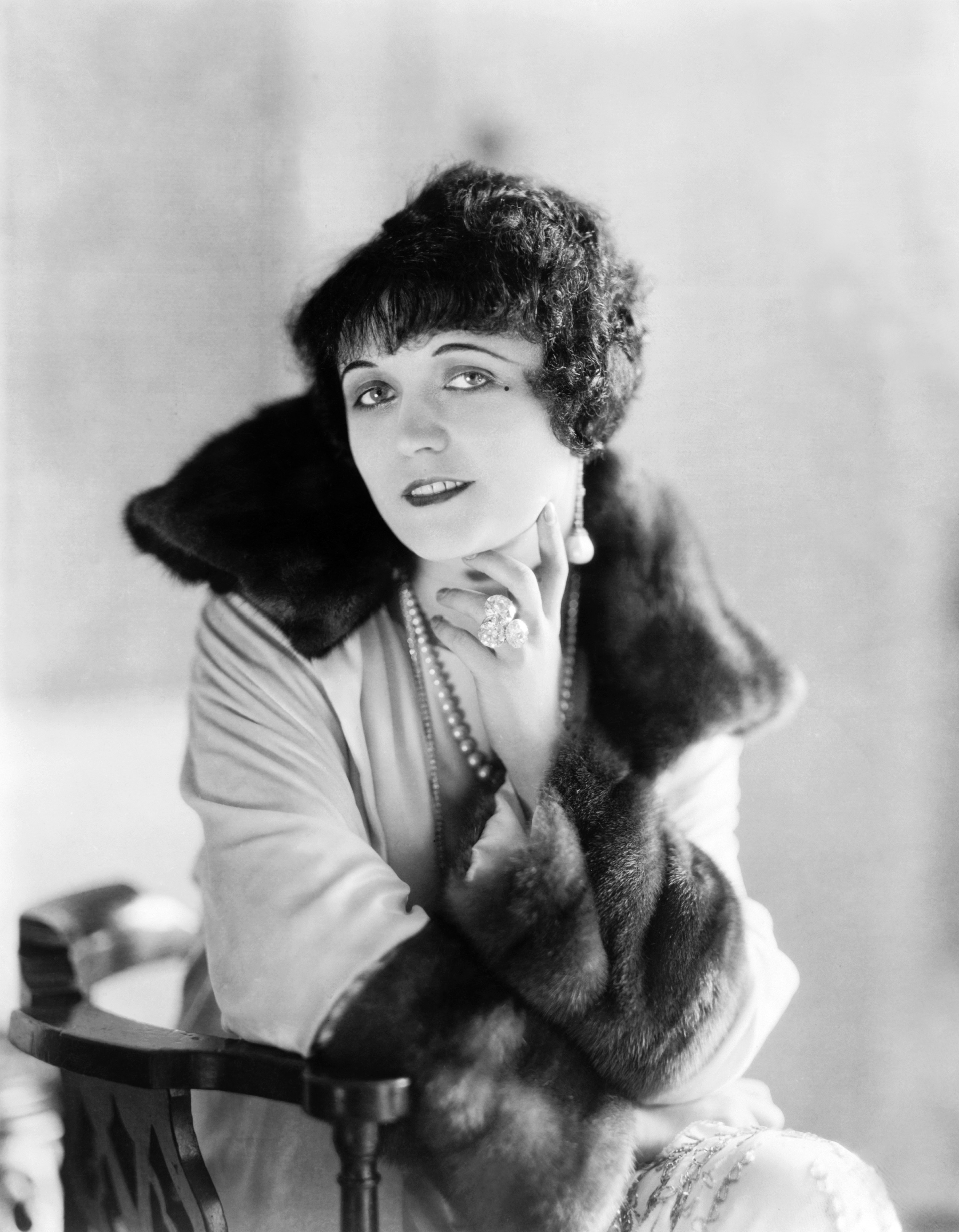
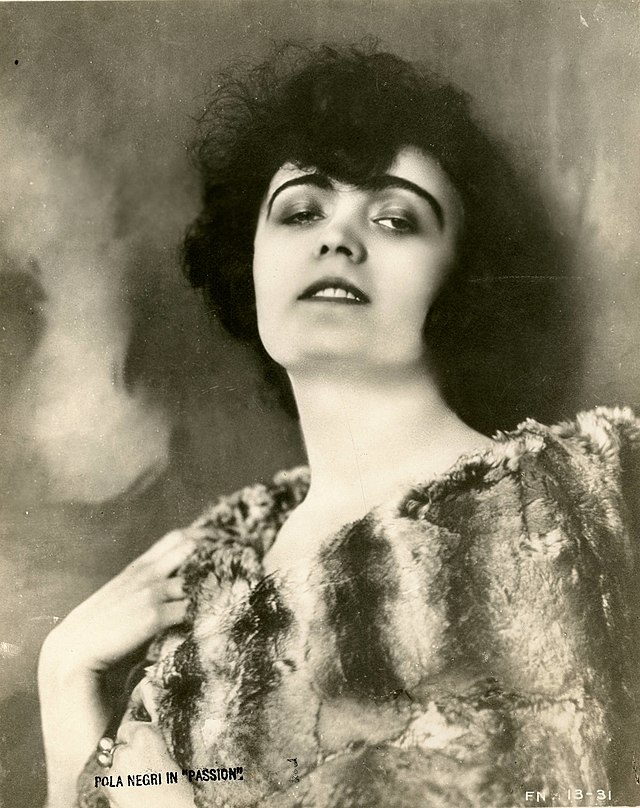
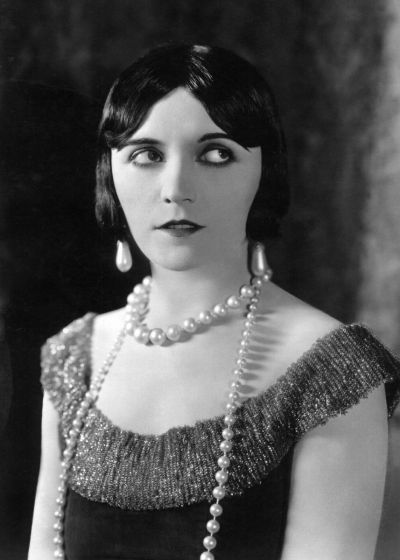
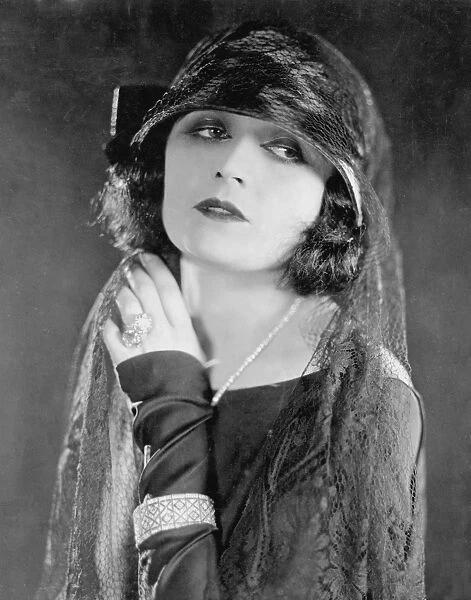
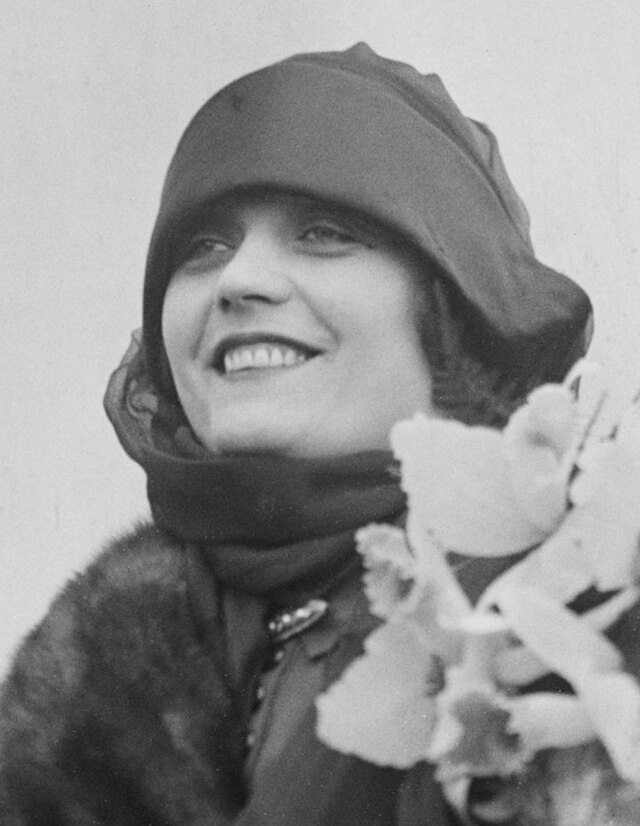
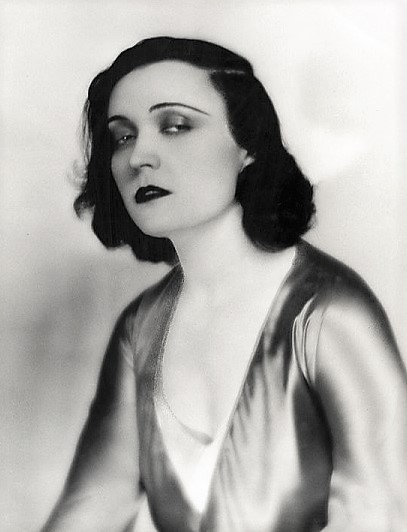
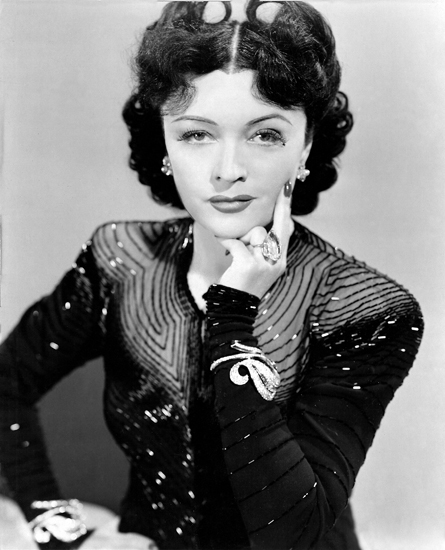
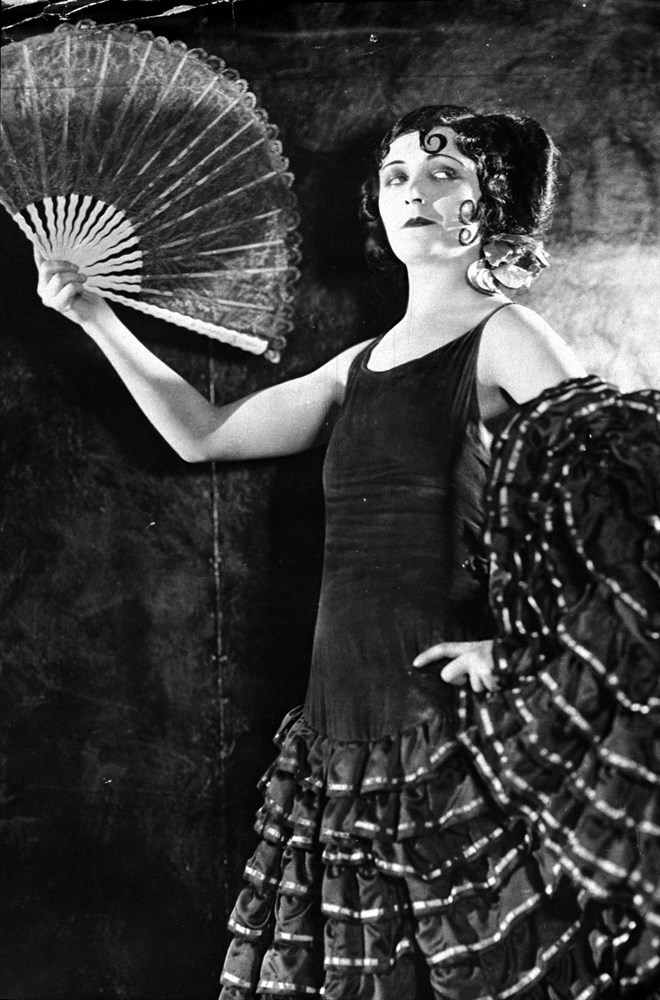
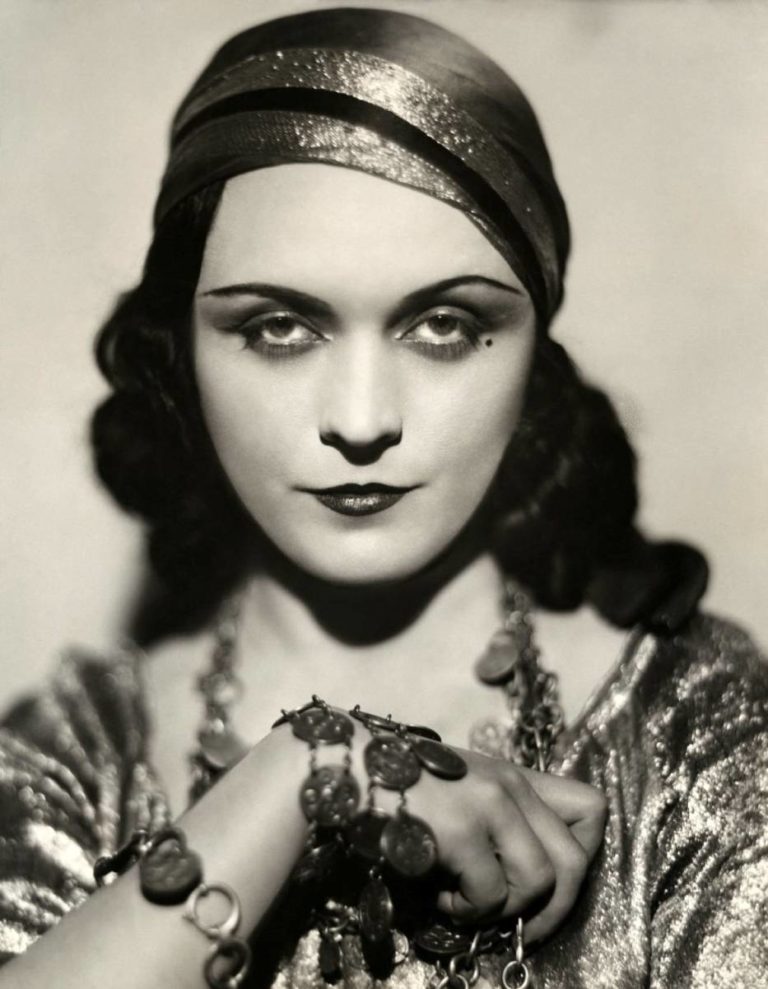
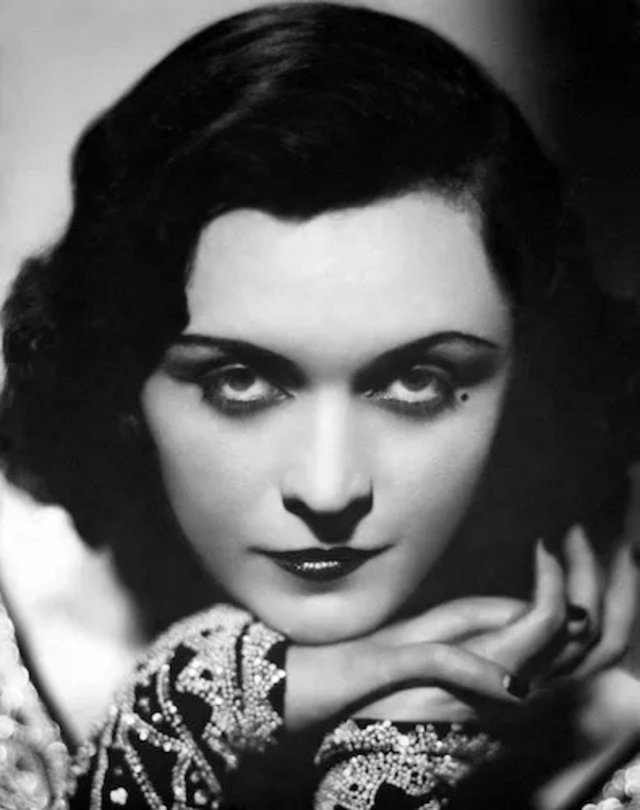
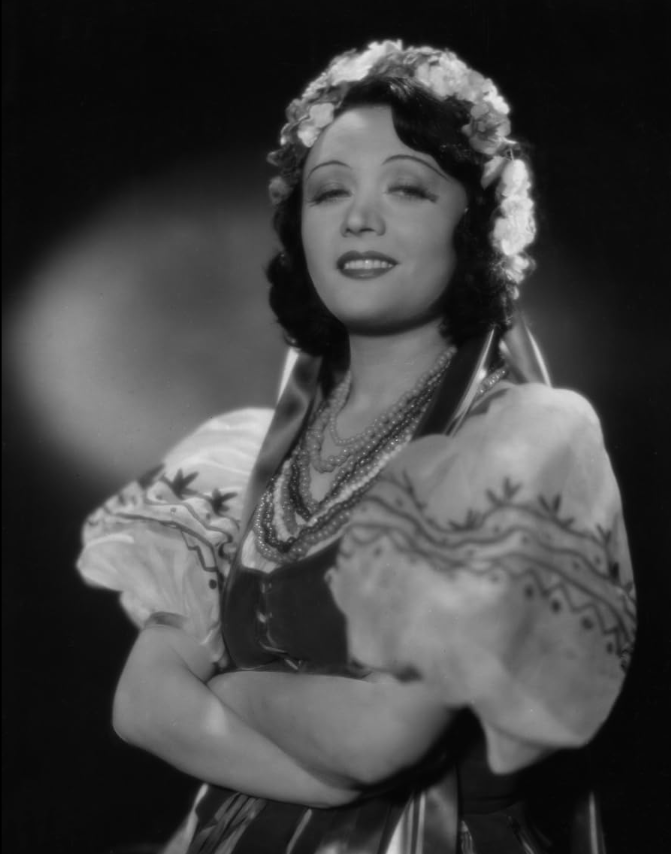
Pola Negri, born Apolonia Chałupiec in Lipno, Poland, on January 3, 1897, was the embodiment of European sophistication in silent cinema. Unlike studio-manufactured stars, she arrived in the United States with a solid artistic background, shaped by the rigorous discipline of classical ballet and Polish theater. With her bold eyebrows, red-painted nails, and a magnetism that filled every inch of the screen.
From Hardship to Stardom
Daughter of a Polish mother and a Slovak immigrant of Romani descent, Pola cherished her childhood memories, emphasizing the feeling of always being safe and surrounded by her parents' love. In an excerpt from her diary, she wrote:
In winter, we all gathered around the stove in the kitchen, where my mother, a wonderful hostess, prepared incredible meals. She was simply brilliant at it. She cooked soups so thick a spoon could stand upright in them, fried wonderful golden pancakes, baked incredibly tasty breads, and even whole piglets over the coals. Our house was constantly filled with the delicious aroma coming from the kitchen.
Despite this, Pola's childhood was not easy. After her father was arrested by Russian authorities, she and her mother faced serious financial difficulties, moving to Warsaw and trading their large, comfortable house for a small attic room on the banks of the Mien River.
Her mother struggled financially despite being employed. Meanwhile, Pola did not fit into school. Known for being arrogant and earning poor grades, she claimed school wasn't for her. What she really loved was performing acrobatics on the backyard rug while cleaning it. Her neighbors, supposedly an opera singer couple, noticed her graceful movements and suggested she enroll in Ballet School.
Pola was accepted into the prestigious Imperial Ballet Company in Warsaw. Unlike her school experience, and despite the strict discipline required in dance, she proved persevering and controlled her impulsive temperament because she had found something she loved to do.
Things began to improve. Their financial situation stabilized, and they moved into a better apartment. Pola showed innate talent, rising quickly within the company and eventually starring in a solo production of Saint-Léon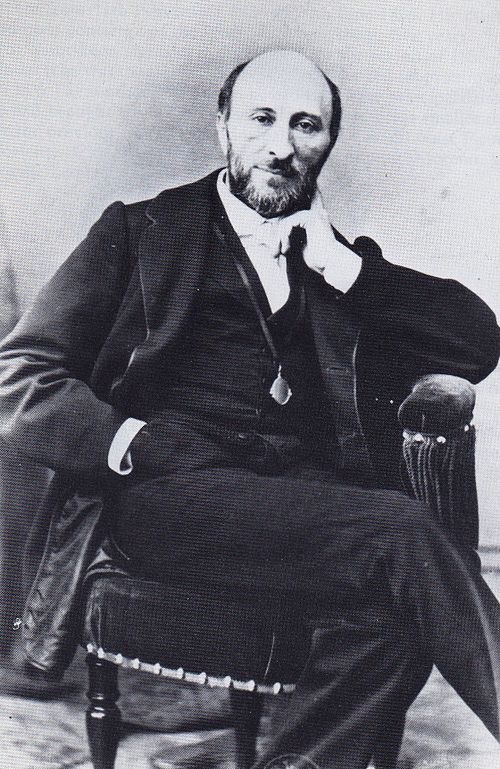 's Coppélia.
But then, illness struck. Pola was diagnosed with tuberculosis. Fortunately, the diagnosis was early, and the treatment worked. However, her dance career was over.
During her recovery, she turned to reading. One book, Niedola – Burze’ (Misery - Storms) by Ada Negri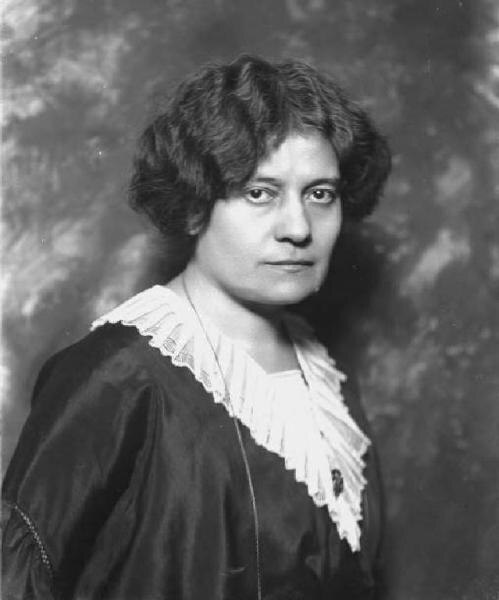 , an Italian poetess, impressed her so much that she later adopted the pseudonym Negri in her honor.
Initially frustrated by leaving the ballet, she became interested in acting and took private lessons. In 1912, she debuted at the Maly Theater as Aniela in Maiden's Vows. Sources disagree on her debut: some say it was poorly received, while others claim she was an instant success. Regardless, her beauty and dedication soon caught the attention of critics and film producers.
In 1914, she made her film debut in Niewolnica zmyslów (Slave to her Senses) as the lead. After several Polish films and establishing a femme fatale persona, she was invited to act in Berlin.
Information again diverges here: some sources say German cinema embraced her immediately, while others claim the transition was difficult and the industry wasn't ready for her full potential.
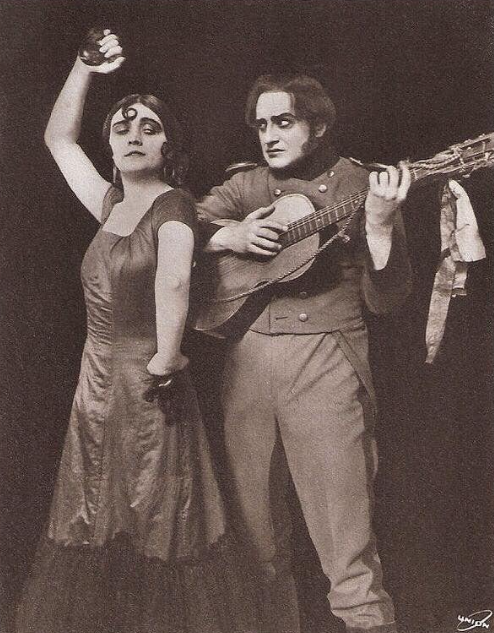
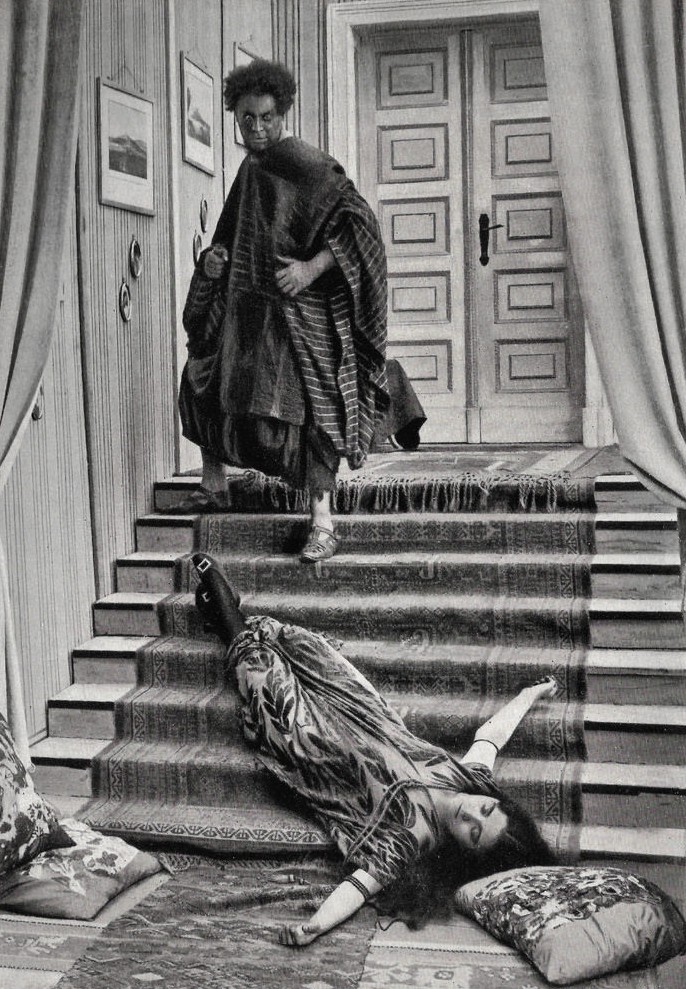
But in 1918 came her first success, Die Augen der Mumie Ma (The Eyes of the Mummy), directed by Ernst Lubitsch . This partnership yielded major works like Carmen (1918) and Madame DuBarry (1919), whose success was so massive it broke the post-WWI cultural blockade in the United States.
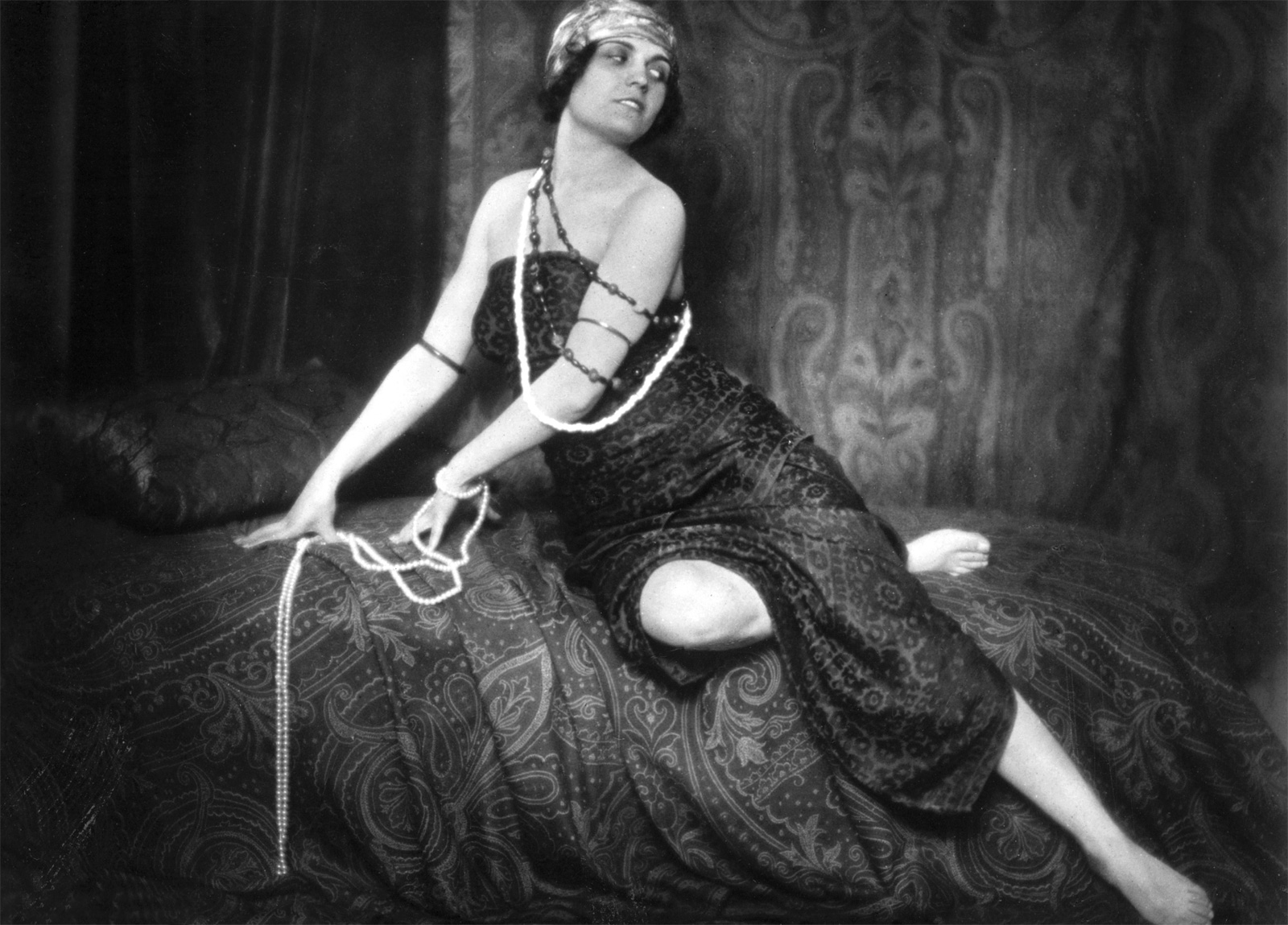
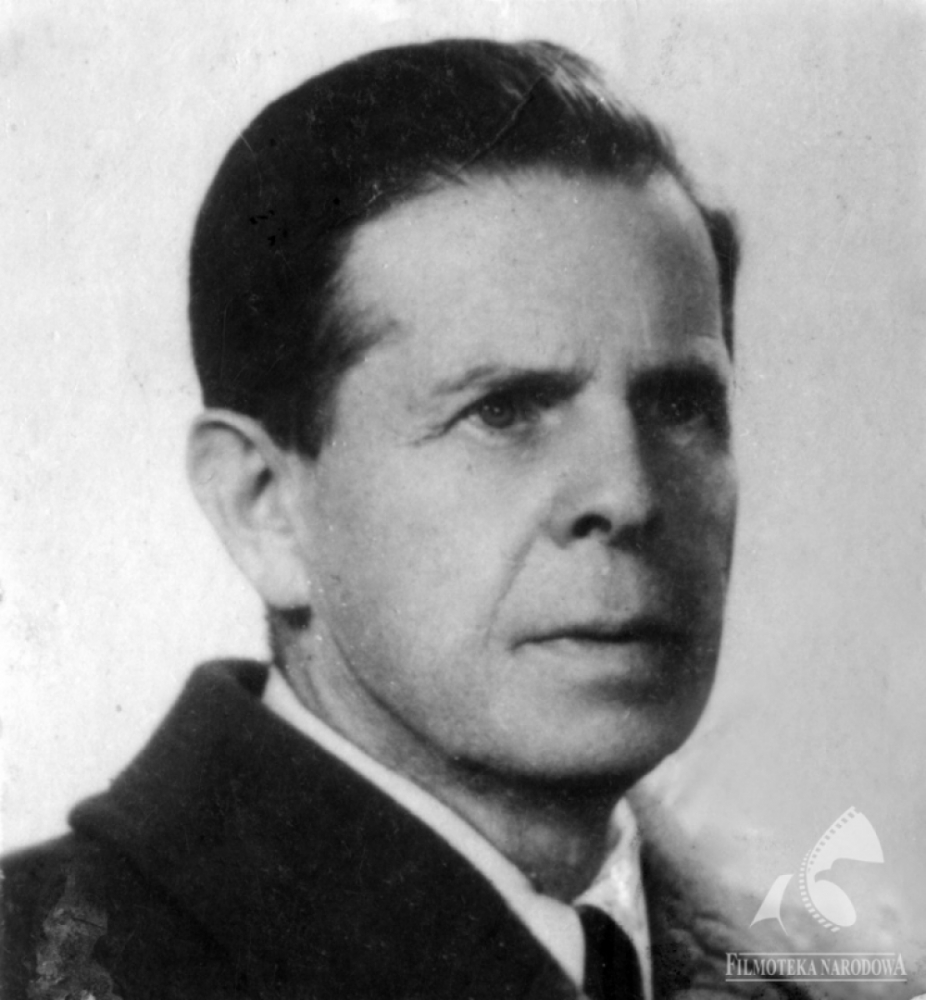 and Jan Pawlowski)
The American Career
When Charles Chaplin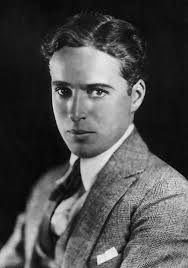 returned from Europe, he told the press he had seen a new cinematic talent, referring to Pola. Jesse L. Lasky
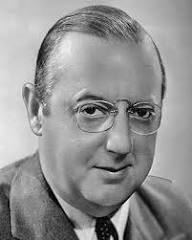 , head of Famous Players (later Paramount Pictures
 ), immediately invited the actress to Hollywood.
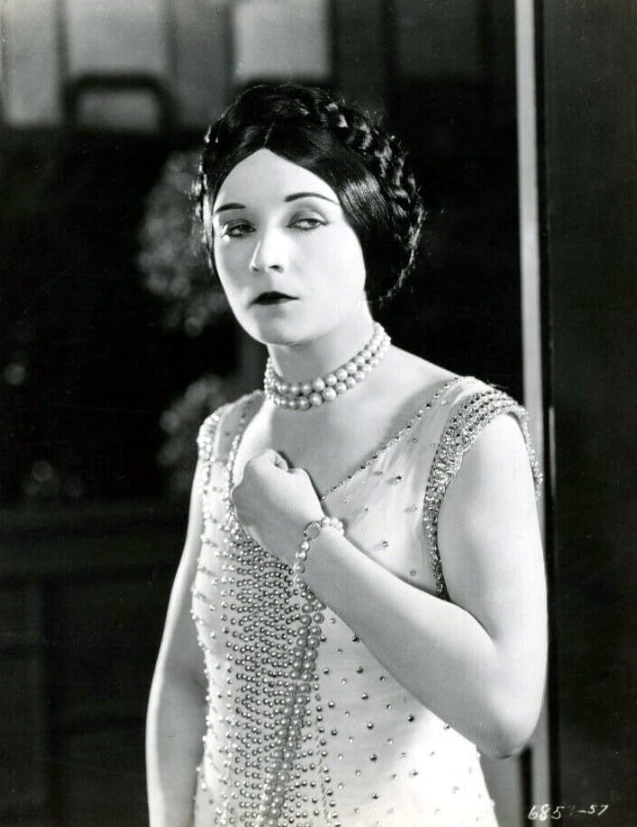
In 1922, Pola arrived in New York like a queen. Paramount knew they had found gold. She was the first European star to sign a million-dollar contract in Hollywood, setting the stage for future stars like Greta Garbo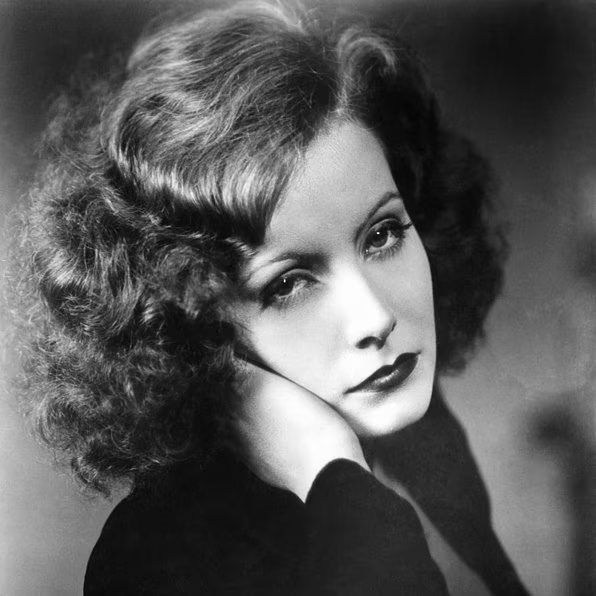 and Marlene Dietrich
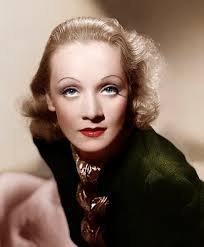 .
.
With Theda Bara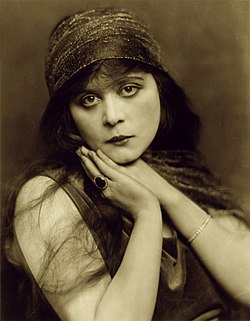 retiring, Lillian and Dorothy Gish
 playing sweet roles, Mary Pickford
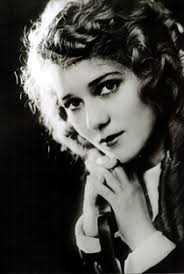 as the "good girl," and Gloria Swanson
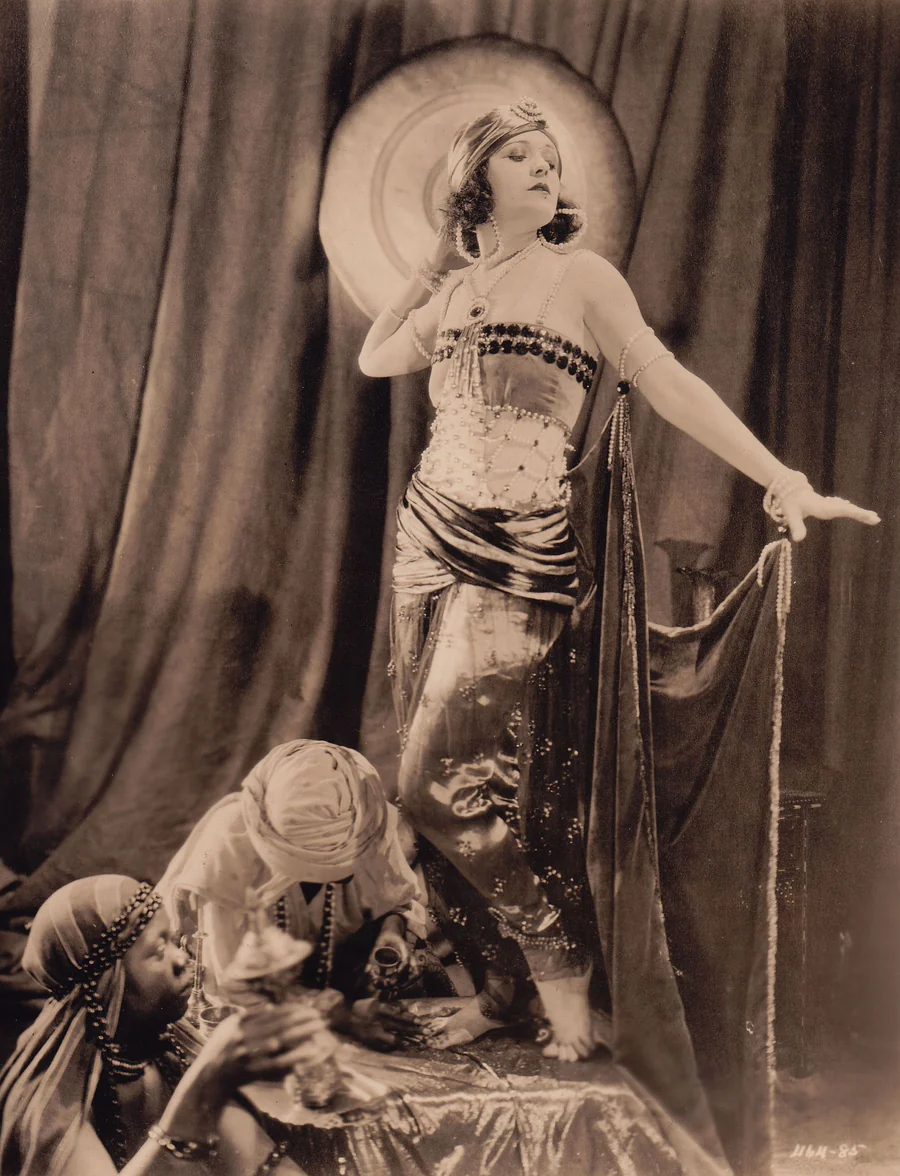
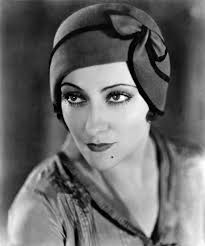 as the typical American, Pola Negri filled the vacancy as the reigning vamp1 of the moment.
Between 1923 and 1928, she made about 20 films, earning one million dollars a year. Fun fact: Pola looked giant on screen... but she was only 5'0" (1.52m) tall.
Tragic Loves and Scandalous Headlines
Pola's personal life was as dramatic as her movies. Her first marriage was in 1919 to Count Eugeniusz Dambski, giving her the title of Countess Apolonia Dąmbska-Chałupiec, but they separated by 1922.
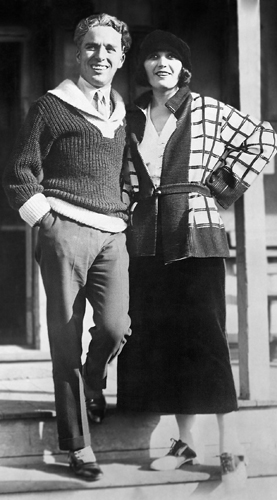
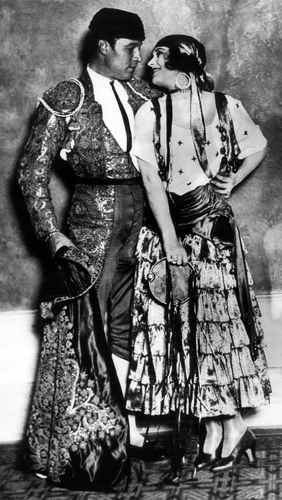
She had a tumultuous affair with Charlie Chaplin that ended in public feuds. However, she reportedly found the love of her life in Rudolph Valentino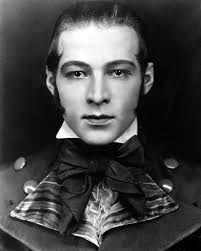 . Both lived lavishly and were deeply in love, but Valentino died suddenly in 1926 following surgery.
Pola staged one of silent cinema's most controversial moments: she fainted several times over her lover's coffin, claiming they were engaged. Many accused her of performative grief for publicity, and after Valentino's death, her "untouchable goddess" aura faded as audiences began to favor more relatable, less tragic stars.
Shortly after, in 1927, she married Prince Serge Mdivani, a Georgian prince, which reinforced the public's belief that her funeral drama was an act. She suffered a miscarriage during this marriage. She had considered retiring to be a housewife, something she refused to do for Chaplin, which had been a cause of their breakup.
She divorced Serge in 1931. In the 1940s, she became close friends with oil heiress Margaret West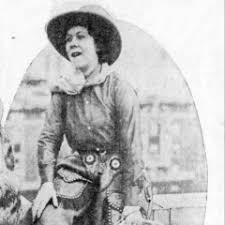 ; they lived together until West's death in 1963. Some scholars suggest Pola was bisexual and in a relationship with Margaret, citing strong biographical evidence.
Sound, Exile, and Legacy
The transition to "talkies" was cruel to Pola. Her thick Polish accent was considered "too much" for the time. She returned to Europe, filmed in Germany (where she vehemetly denied rumors of an affair with Hitler), and eventually returned to the US to escape WWII.
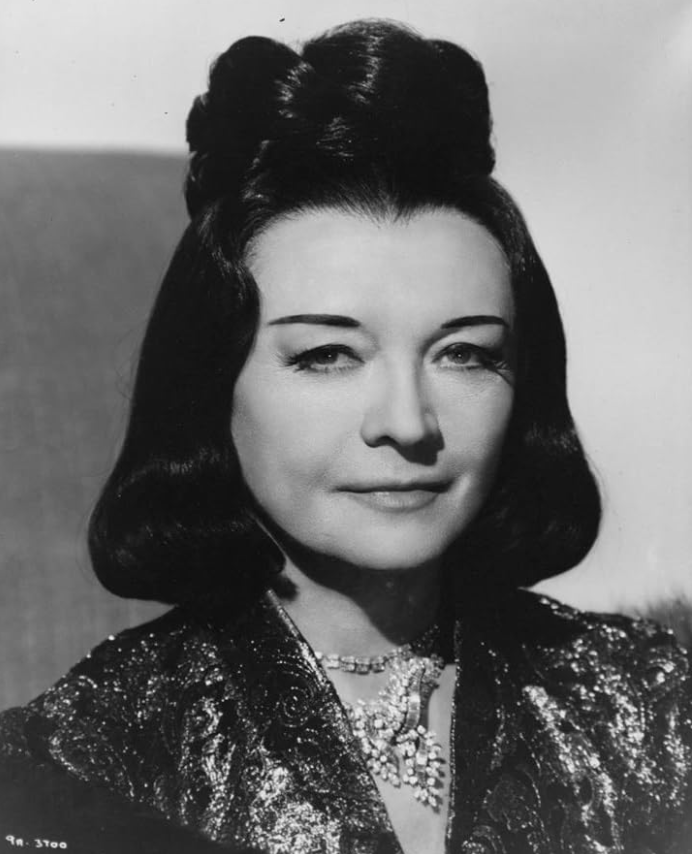
Pola officially retired in the mid-40s, living comfortably on real estate investments. In 1964, she appeared in her final film, The Moon-Spinners. She passed away in 1987, aged 90, in San Antonio, Texas.
She left behind the image of an independent woman who understood that cinema is, above all, a spectacle.
Click here to see Pola Negri's filmography on iMDB
| AVAILABLE FILMS | ||
|---|---|---|
| Der gelbe Schein (1918, Eugen Illés, Victor Janson, Paul L. Stein) | ||
| Madame DuBarry (1919, Ernst Lubitsch) | ||
| Sappho (1921, Dmitriy Bukhovetskiy) | ||
| Die Bergkatze (1921, Ernst Lubitsch) | ||
| The Eyes of the Mummy (1922, Ernst Lubitsch) | ||
| A Woman of the World (1925, Malcolm St. Clair) | ||
| Barbed Wire (Rowland V. Lee, Mauritz Stiller, 1927) | ||
| Mazurka (1935, Willi Forst) | ||

Sources: PolaNegri.com, Los Angeles Times - Hollywood Star Walk, Culture PL