In modern cinema, we take for granted that a good story can be told in 90 minutes... maybe 2 hours... perhaps 50 short minutes, with complex characters, drama, and effects. But back in the beginning... the camera was still a novelty.
Audiences marveled at simple movement —as I have mentioned in previous articles. Every narrative had to be expressed through pure image, gesture, and minimal editing. And for that, 1 or 2 minutes... maybe 10... were enough —or not .
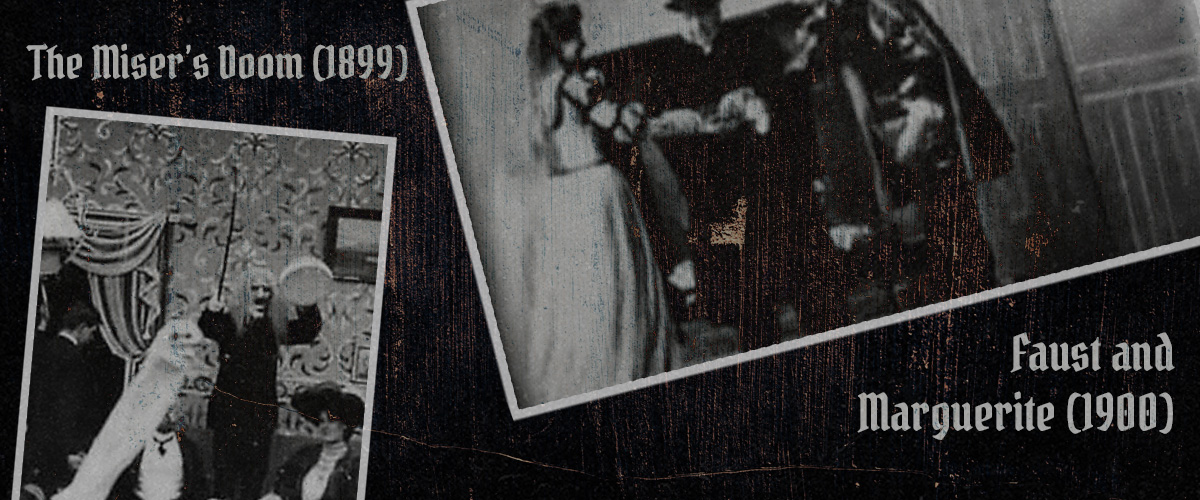
Films like The Miser’s Doom and Faust and Marguerite are records of this era of discovery —when filmmakers dared to experiment with effects, condensed narrative, and even morality in frames that, together, lasted no more than a minute or two. This technical and narrative boldness is the foundation upon which we built everything later.
The Miser’s Doom (1899)
One of the first British films to mix moral narrative with supernatural fantasy. It tells the simple and unsettling story of a miser visited by the ghost of a poor woman he exploited, until he dies of fright at the apparition —a typical “moral tale” from the height of silent cinema.
Director Walter R. Booth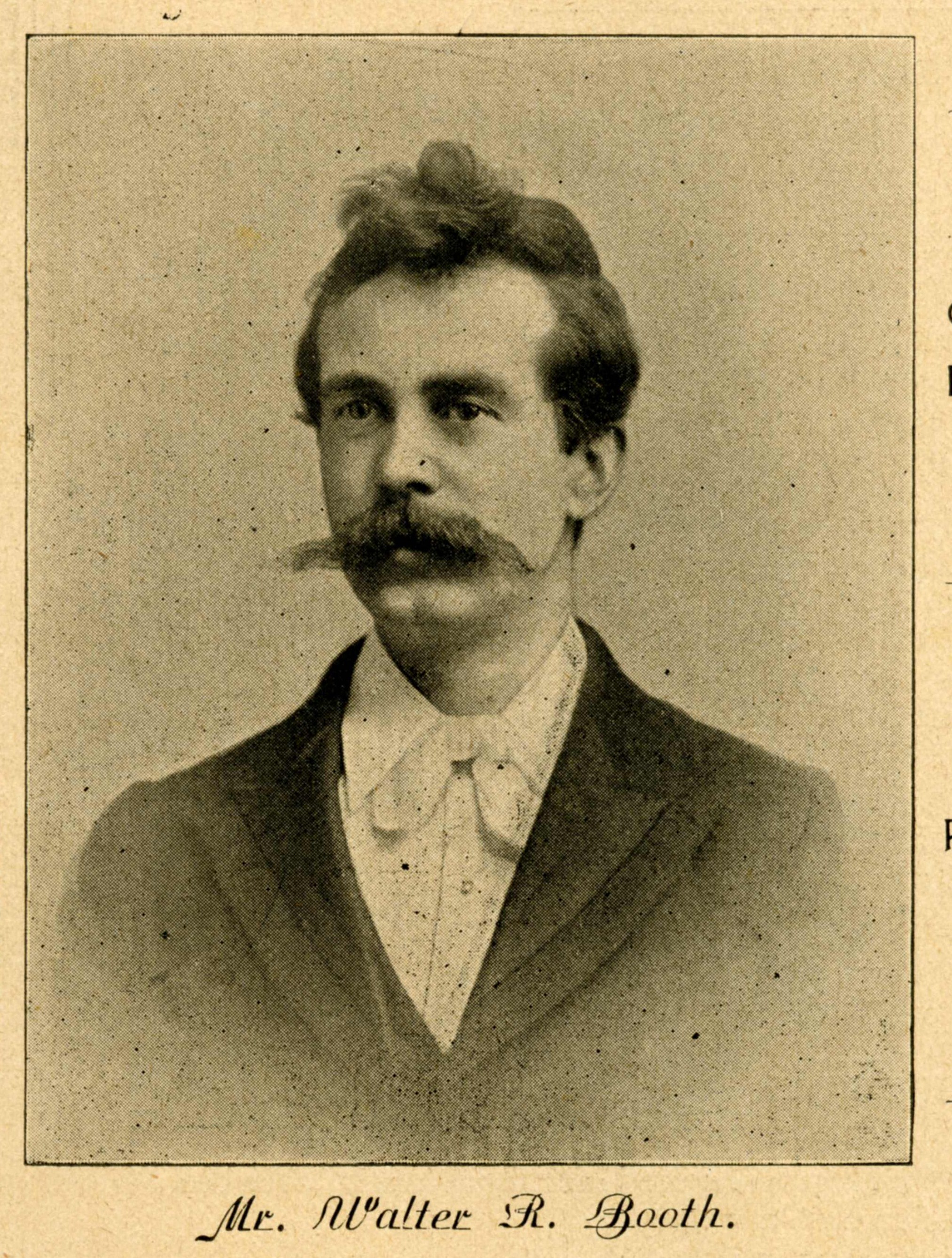 came from the world of magic —and this is evident in the choice of theme and the use of effects (the original work is lost). This influence of magicians on cinema was enormous in the beginning, because camera tricks and illusions were the soul of the business even before long-form storytelling.
Although no known copy exists today, The Miser’s Doom is cited by historians as one of the first films to explore a ghost as a central figure, anticipating one of the great themes of horror in cinema.
What is special here is not just the moral plot, but the fact that, in 1899, filmmakers were already thinking about using the camera to make you feel —fear, social criticism, and surprise— and not just to record movement. This marks the beginning of cinematic narrative as something more than “showing things in motion.”
Faust and Marguerite (1900)
Directed by Edwin S. Porter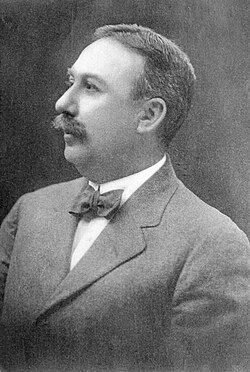 , this is one of the first American films to adapt a scene from the Faust tradition (and Gounod's opera) to the screen. In just under a minute, we have:
Marguerite sitting by the fireplace and Faust at her feet.
Mephistopheles enters and gives Faust the sword to kill her.
Faust refuses.
Mephistopheles performs the movement across Marguerite's throat.
She vanishes instantly —a classic visual trick— and Faust appears in her place.
, this is one of the first American films to adapt a scene from the Faust tradition (and Gounod's opera) to the screen. In just under a minute, we have:
Marguerite sitting by the fireplace and Faust at her feet.
Mephistopheles enters and gives Faust the sword to kill her.
Faust refuses.
Mephistopheles performs the movement across Marguerite's throat.
She vanishes instantly —a classic visual trick— and Faust appears in her place.
This disappearance was achieved with camera tricks of the time —stopping, replacing the actress, and resuming filming— one of the first uses of special effects to tell a dramatic story.
The film connects to Charles Gounod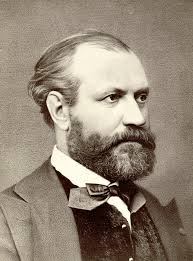 's opera (1859), based on Goethe's play. Even though it is extremely short, it doesn't just try to “show a trick”: it evokes a dramatic moment familiar to the audience, compressing morality and visuals into seconds.
Produced for exhibition in variety theaters and kiosk cinemas, it was part of the Edison Manufacturing Company 's strategy to use well-known themes to draw audiences to the new medium. Copyrighted in February 1900, it was sold directly to exhibitors.
Faust and Marguerite is a key example of the transition of cinema from a trick spectacle to real dramatic narrative —still very short, but already betting on the power of the moving image to tell something beyond movement itself. Prints survive in archives such as the Library of Congress, the film is in the public domain, and can be watched by clicking here.
Note: there are other versions, some with the same title, such as Georges Méliès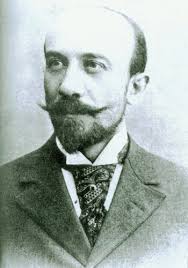 ' 1904 production.
Research sources: iMDB, Medium, Grokipedia, Dark Films Theories