
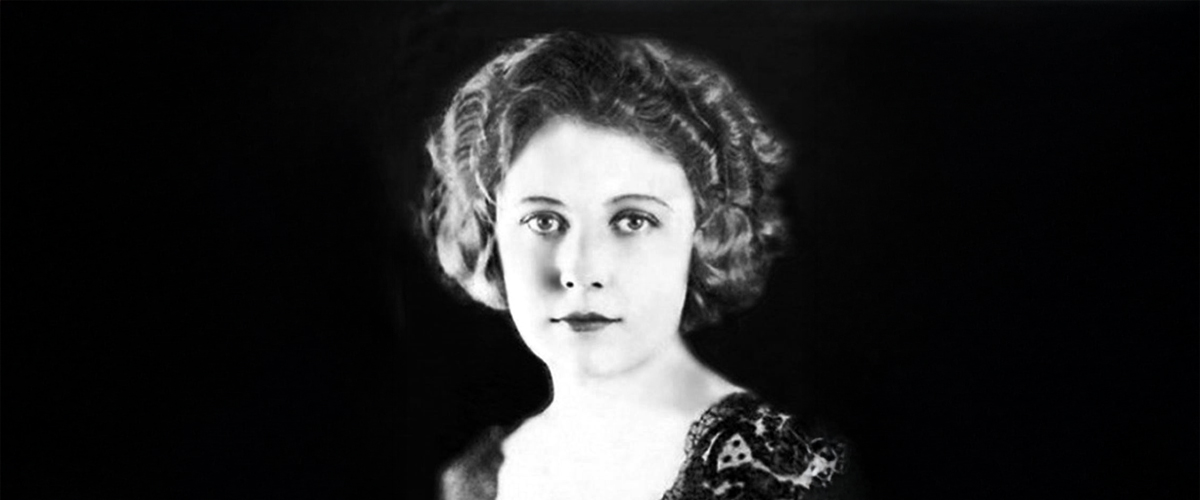
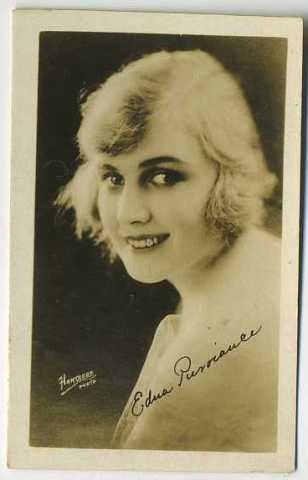
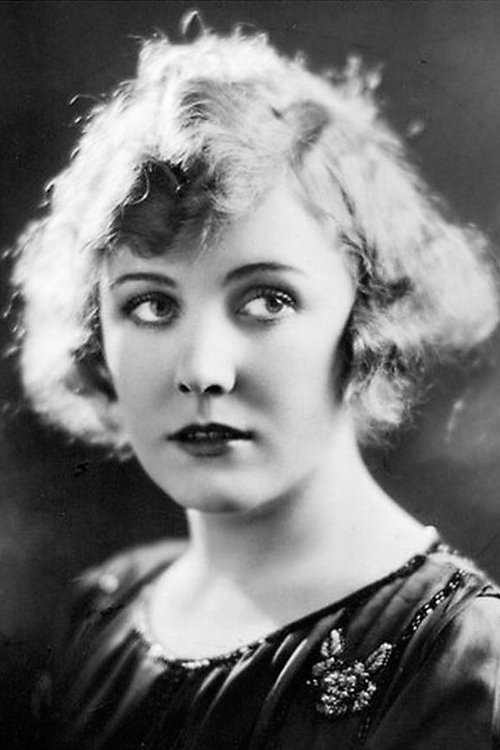
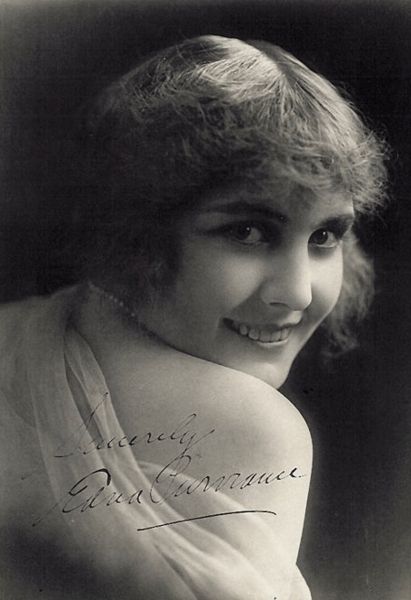
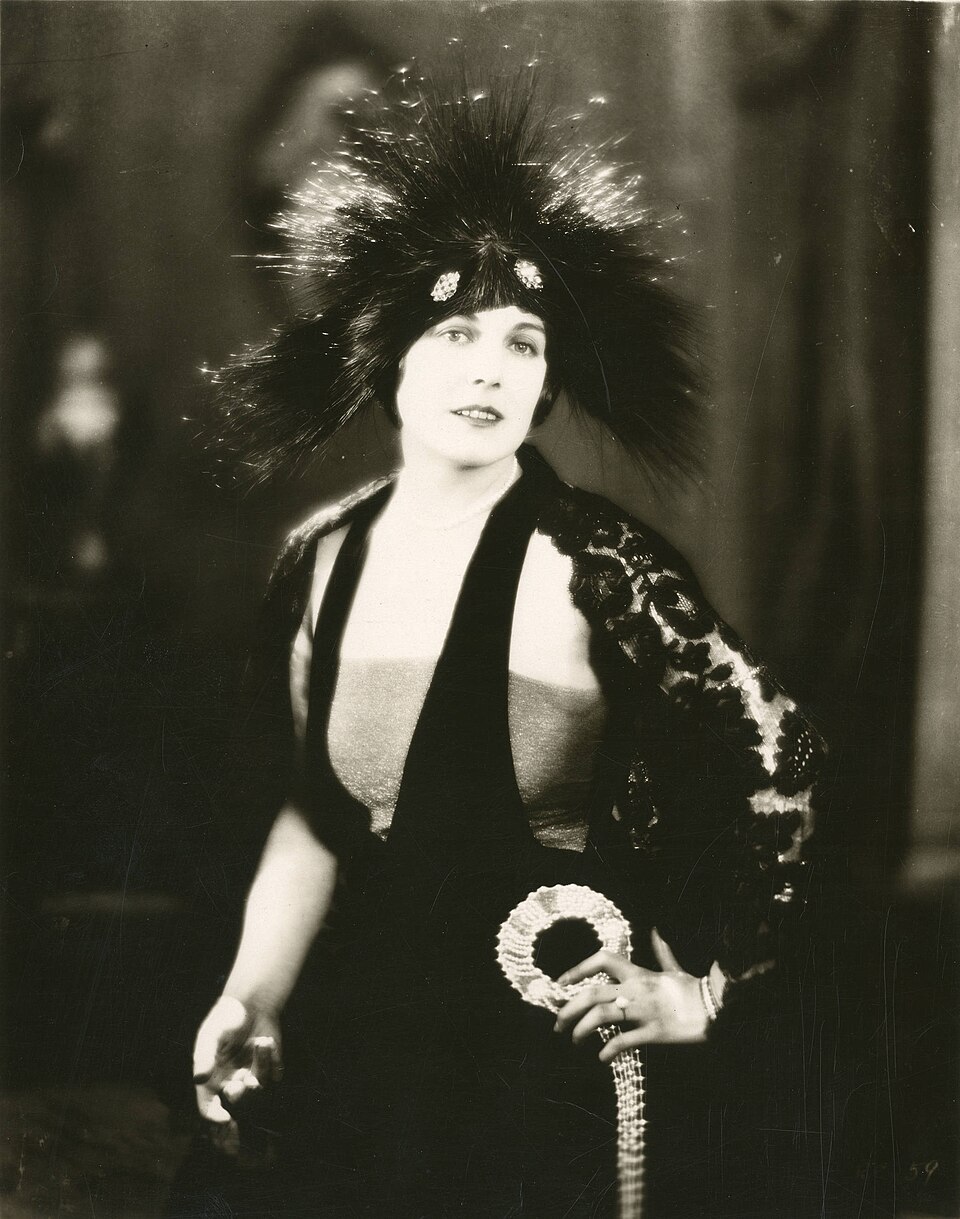
Often, the history of silent cinema is told through grand gestures and explosive personalities. However, Edna Purviance's journey shows us that subtlety and loyalty can be just as impactful as the glamour of the great divas.
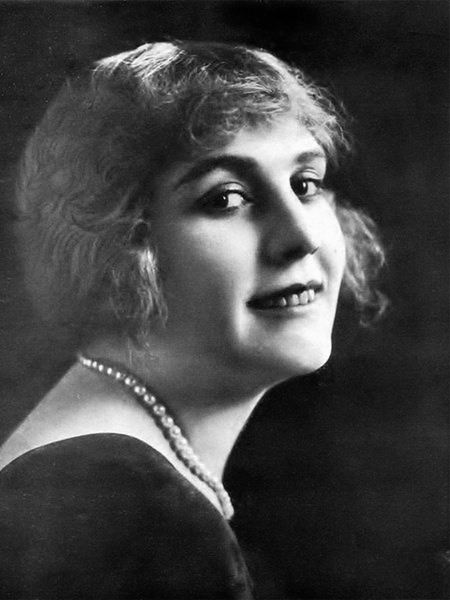
Born in Paradise Valley, Nevada, on October 21, 1895. Daughter of an English immigrant and an American winemaker. When she was three years old, her family moved to Lovelock, in the same state. Her parents divorced in 1902, and her mother married a German plumber.
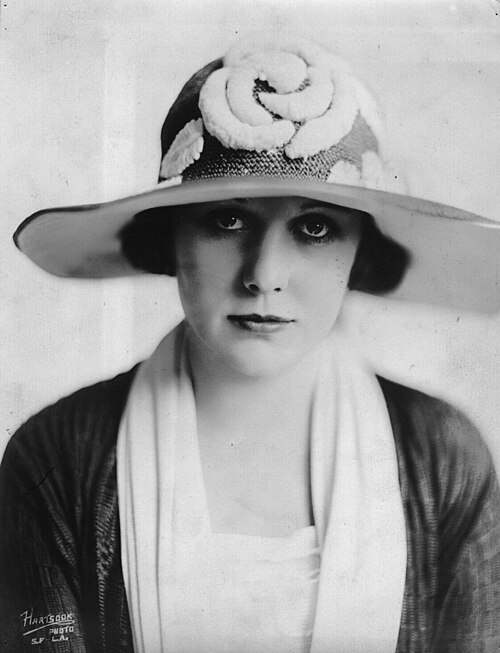
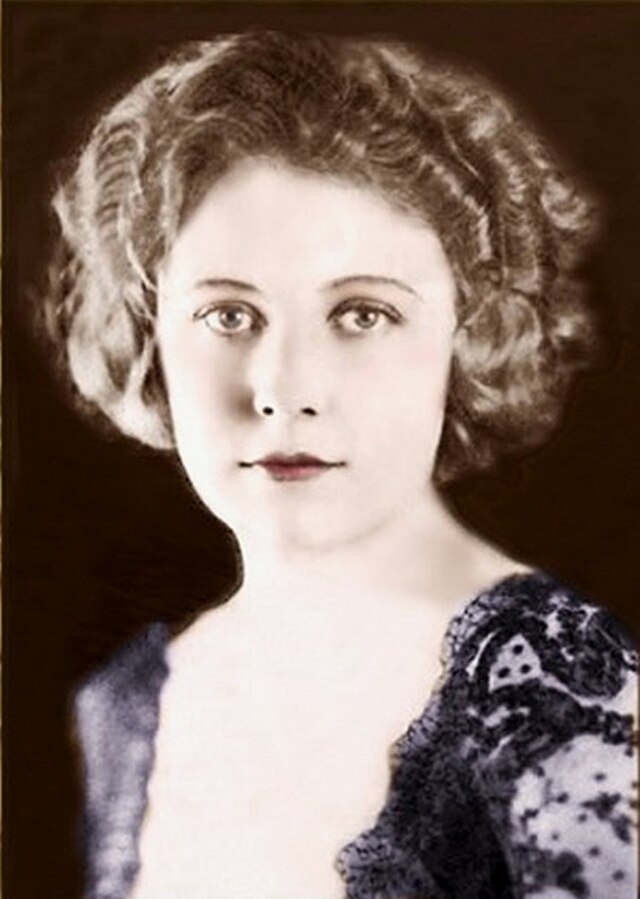
Throughout her childhood and adolescence, she proved to be an excellent pianist. In 1913, she left Lovelock behind and moved in with her sister, Bessie, in San Francisco, where she began working as a stenographer.
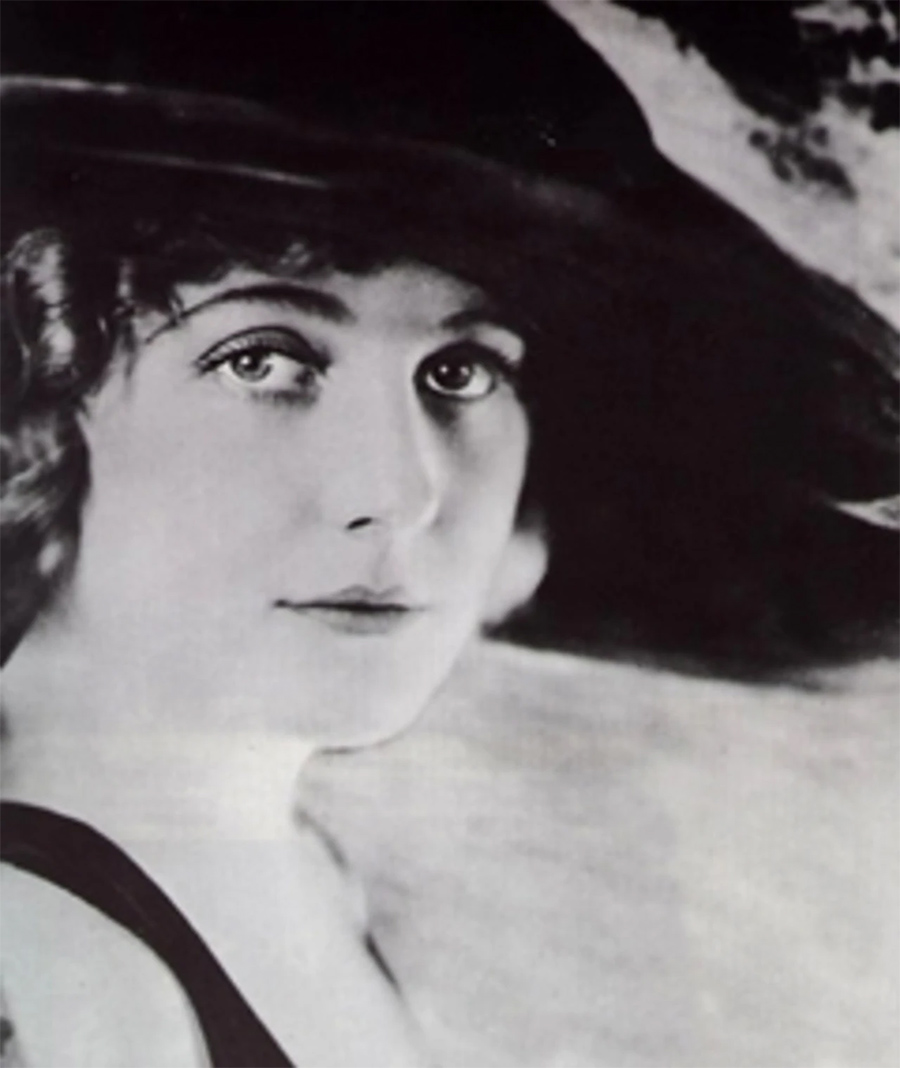
The Meeting
In 1915, Charlie Chaplin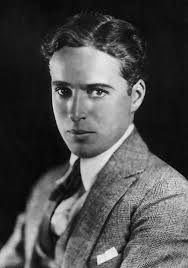 was looking for a female lead for his second film at Essanay Studios. He needed someone who could serve as a counterpoint to his frenetic energy—someone with beauty, but also with genuine sweetness. A Chaplin associate saw Edna in a coffee shop and recommended her. I found a source (Las Vegas Review Journal) claiming that Chaplin himself walked into the shop, but the most repeated version is indeed that of Charles's "scout."
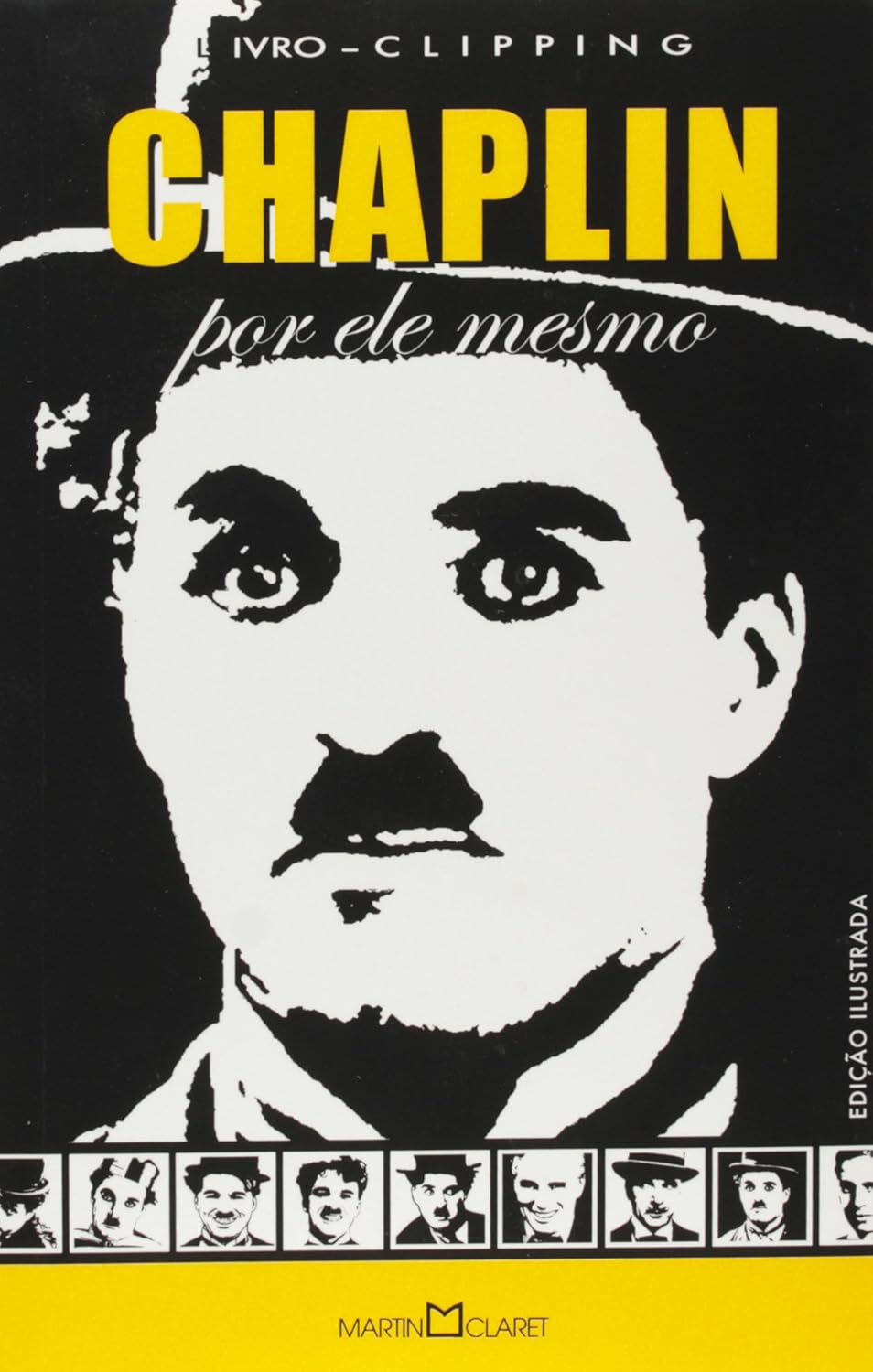
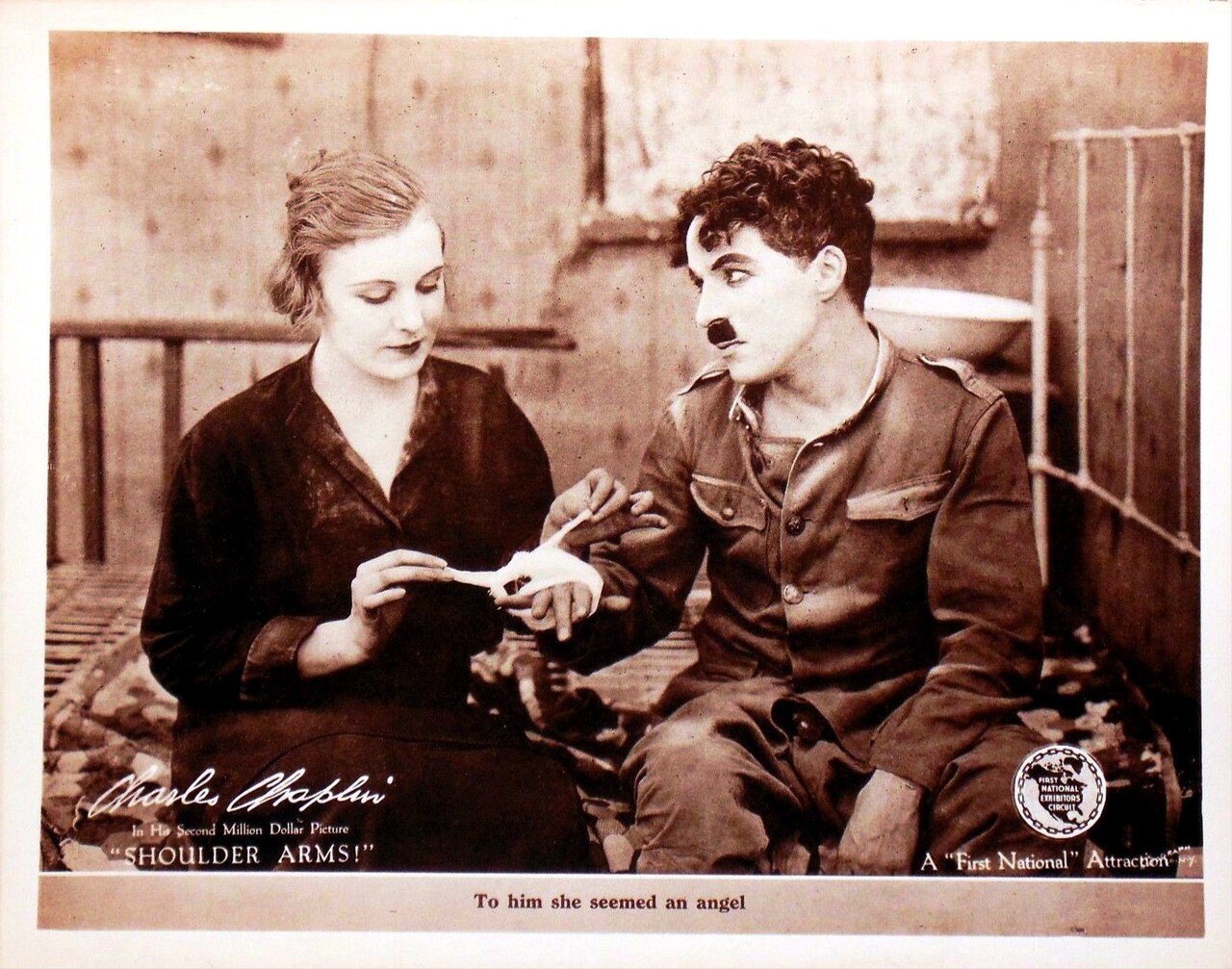
Initially, Chaplin found her too serious for comic roles, but the chemistry between them prevailed. Edna Purviance was not a classically trained theater actress, and perhaps that was her greatest asset. She possessed a naturalness before the camera that allowed Chaplin to shine, offering him the emotional support needed for his comedies to gain the touch of "humanity" and romance that would make them immortal.
The Muse of 30 Films
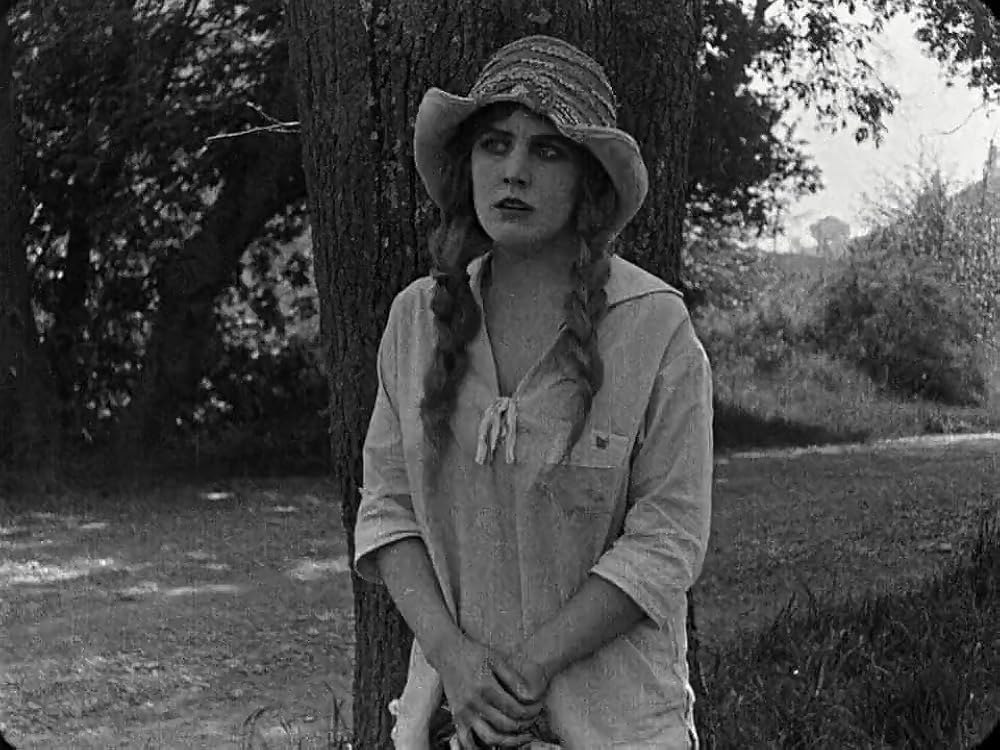
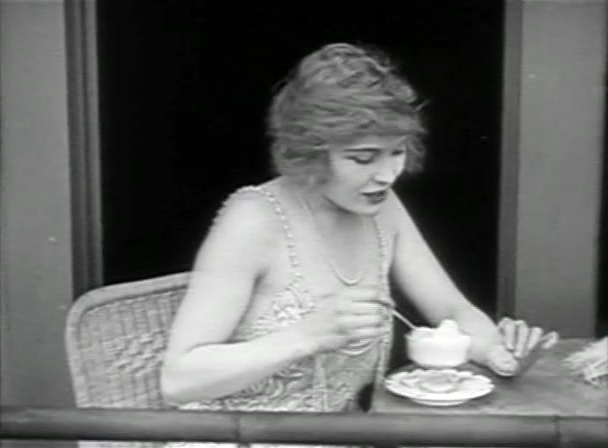
Between 1915 and 1923, Edna appeared in about 30 Chaplin films, including shorts and features—"about" because sources, even official ones, diverge.
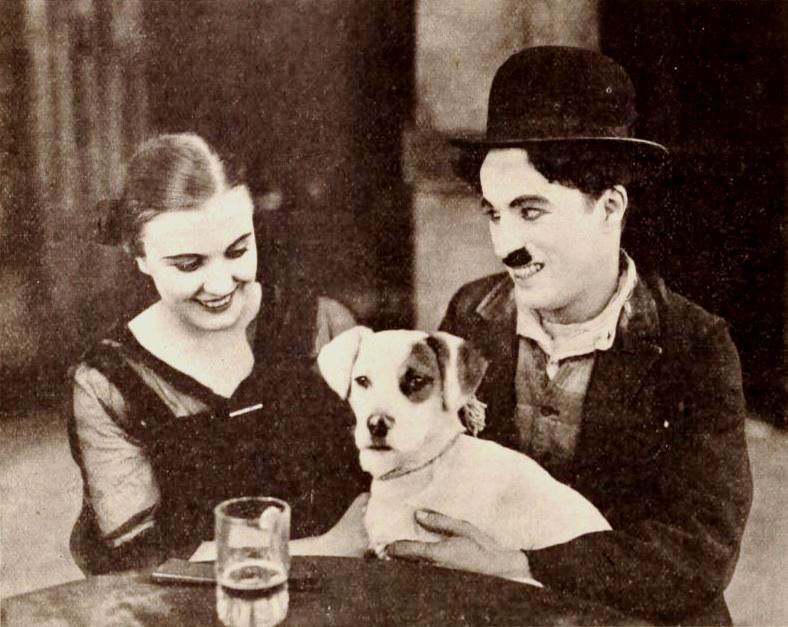
She was the heroine of classics such as The Immigrant (1917), A Dog's Life (1918), and The Kid (1921).
During much of this time, Edna and Chaplin maintained a discreet romantic relationship, which was only shaken when Chaplin announced his marriage to 16-year-old Mildred Harris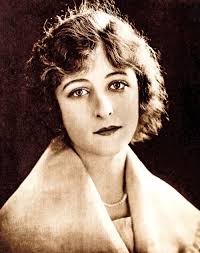 . Even after the romance ended, the friendship and professional respect between Edna and Chaplin remained unshakable.
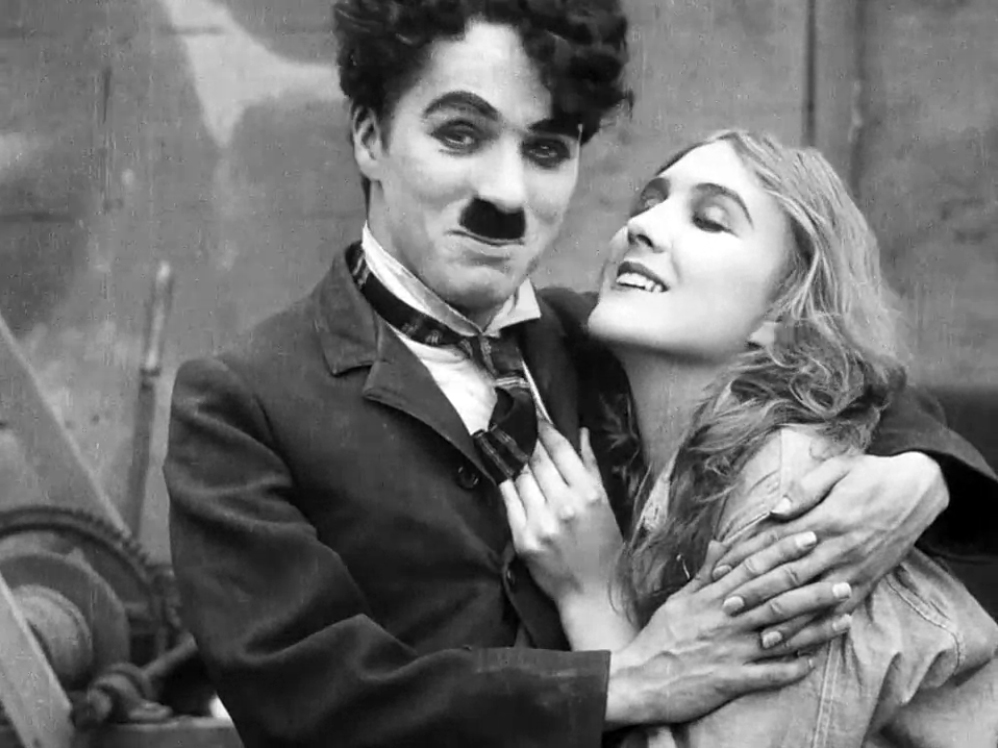
The Attempt at a Solo Career
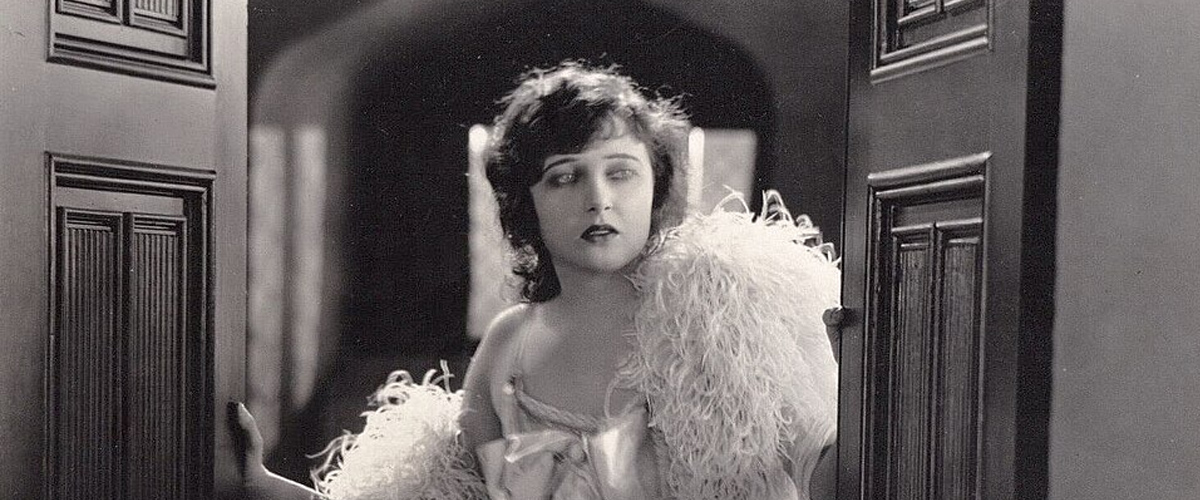
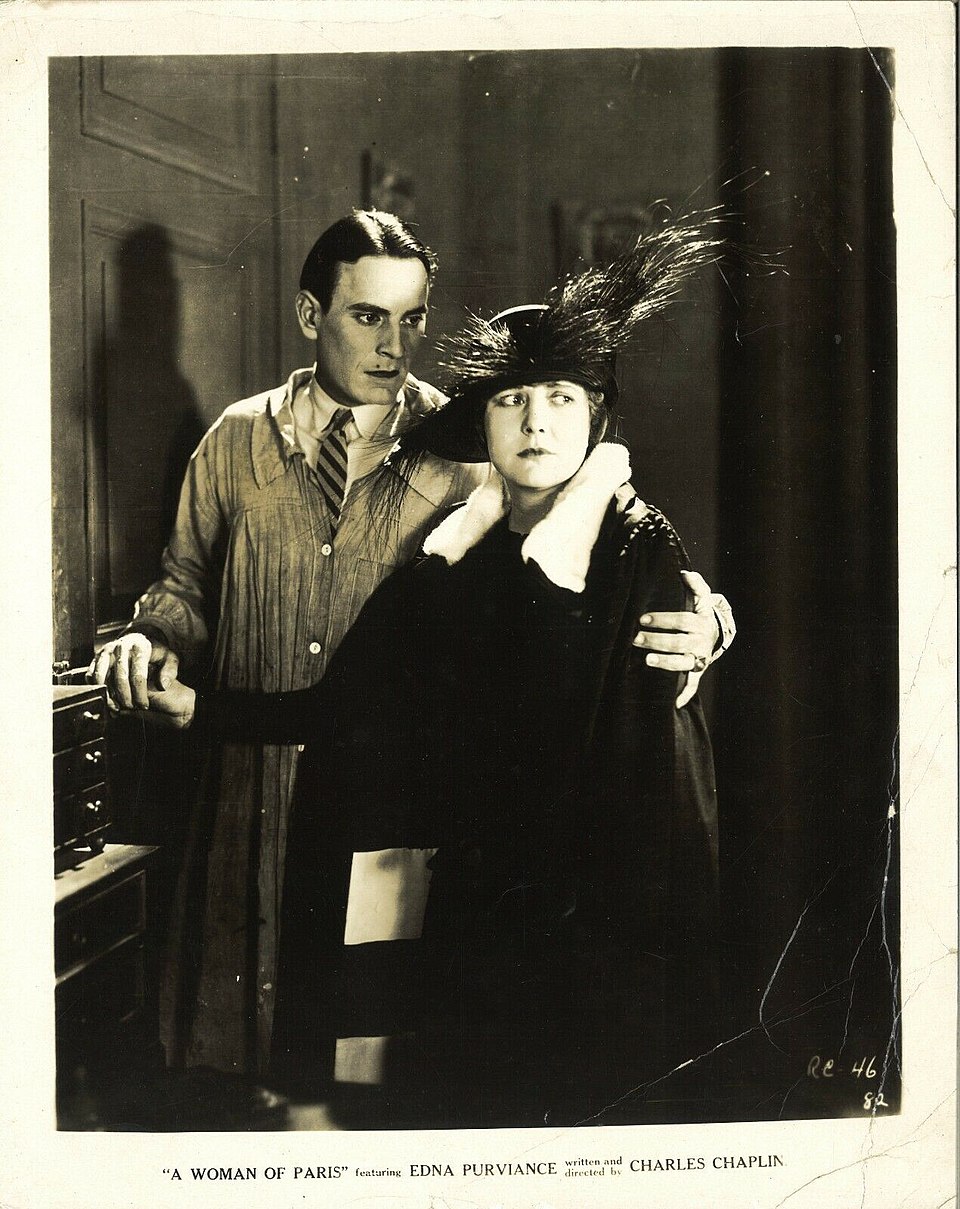
In 1926, Chaplin tried to launch Edna as an independent dramatic star in the film A Woman of Paris. Chaplin directed but did not act (making only a cameo). Ironically, the film was a critical success for its sophistication but a public failure at the time—people wanted to see the "Tramp," not a psychological drama.
Her phase as Chaplin's great romantic star ended in the mid-1920s. Edna made another attempt, this time on French soil, with L'Éducation d'un Prince (1927), but it did not achieve the expected success.
And here lies a point of divergence among researched sources: in iMDB and some other American and British sources, it is stated that Edna appeared as an extra in two of Chaplin's films in the talkie era: Monsieur Verdoux (1947) and Limelight (1952). However, other sources claim this is not true. Well... the only way is to watch these films again and try to spot Edna in the crowd.
Chaplin's Loyalty
A hasty reader might think Chaplin abandoned his star after the silent film era, but that is not true... Chaplin had a reputation for being a difficult person, especially regarding filmmaking. But his relationship with Edna was special. He always acknowledged that the actress was fundamental to his early success. He kept Purviance on his payroll for the rest of her life. She received a weekly salary from the Chaplin studio, ensuring she never faced financial hardship.
A Quiet Life
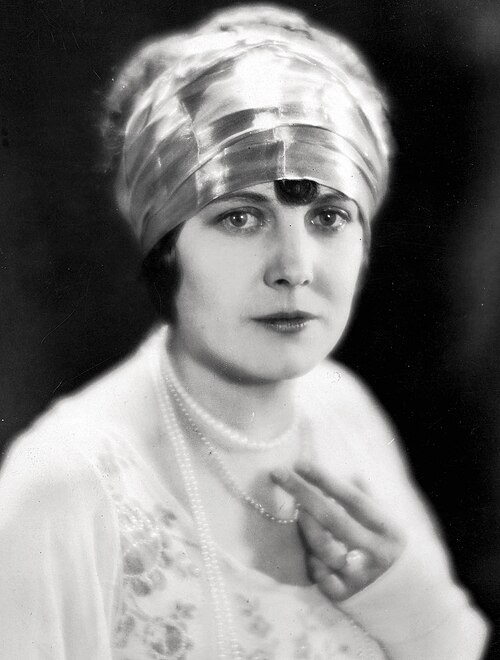
After retirement, Edna lived quietly and away from the Hollywood spotlight. In 1938, she married John Squire, a Pan-American Airlines pilot, with whom she remained until his death in 1945.
The actress passed away from throat cancer on January 13, 1958.
Chaplin, upon learning of her death, declared that she was "irreplaceable" in his work.
Research sources: iMDB, Silent Era, Internet Archive.org, Silent Hall of Fame, Britannica,