



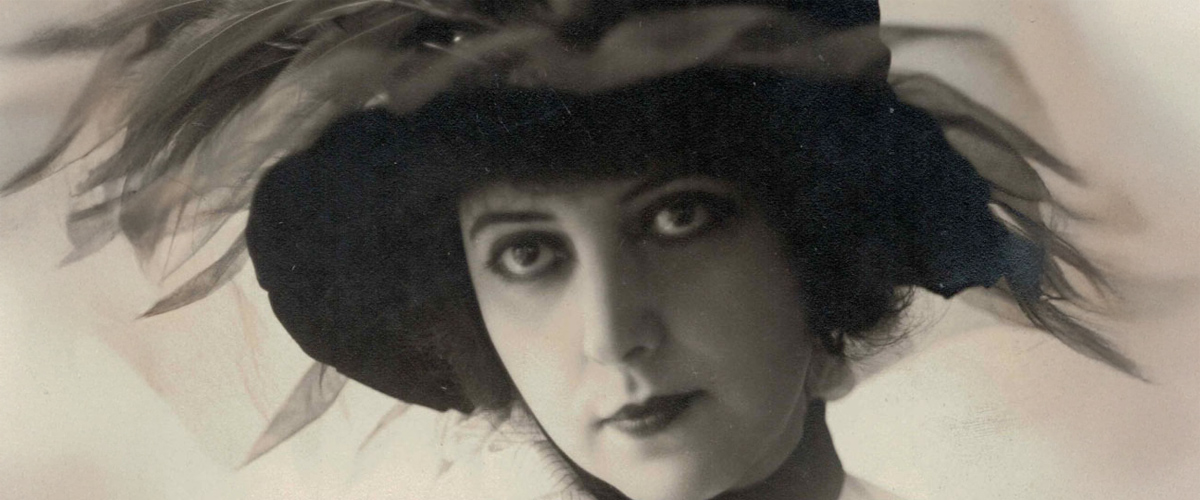
I must confess that, despite researching silent cinema for some time, Musidora's name only caught my attention when I began preparations for the return of Estronho to the air.
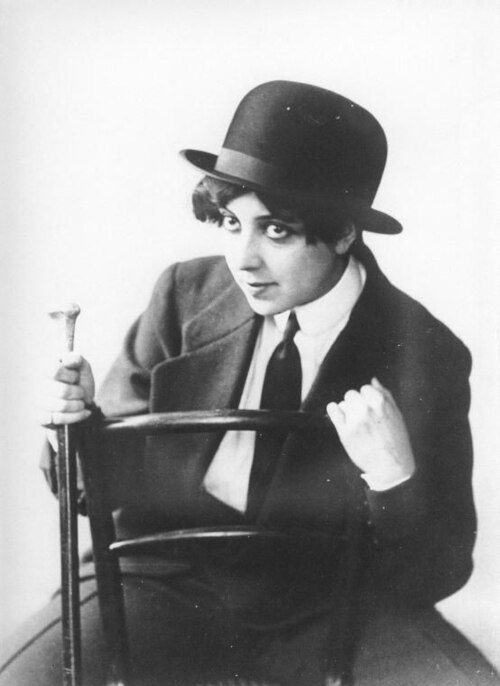
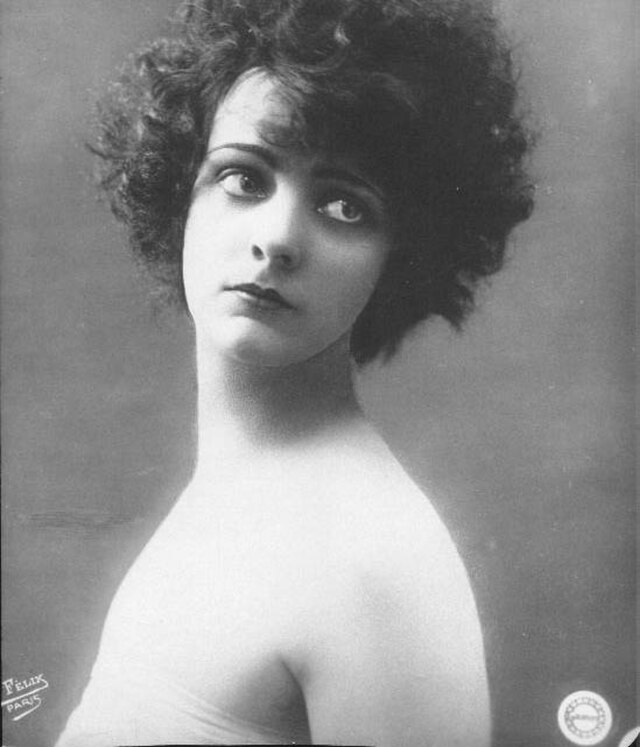
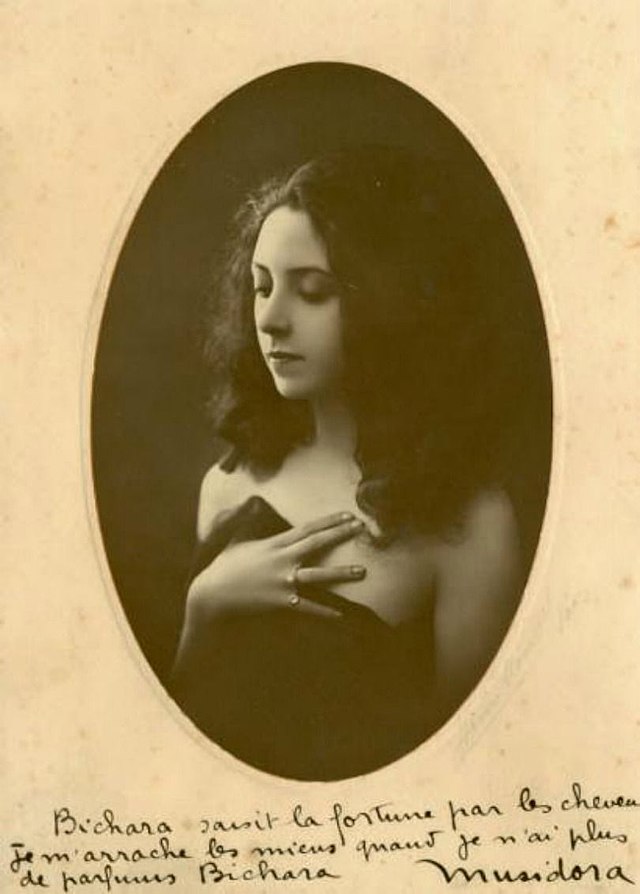
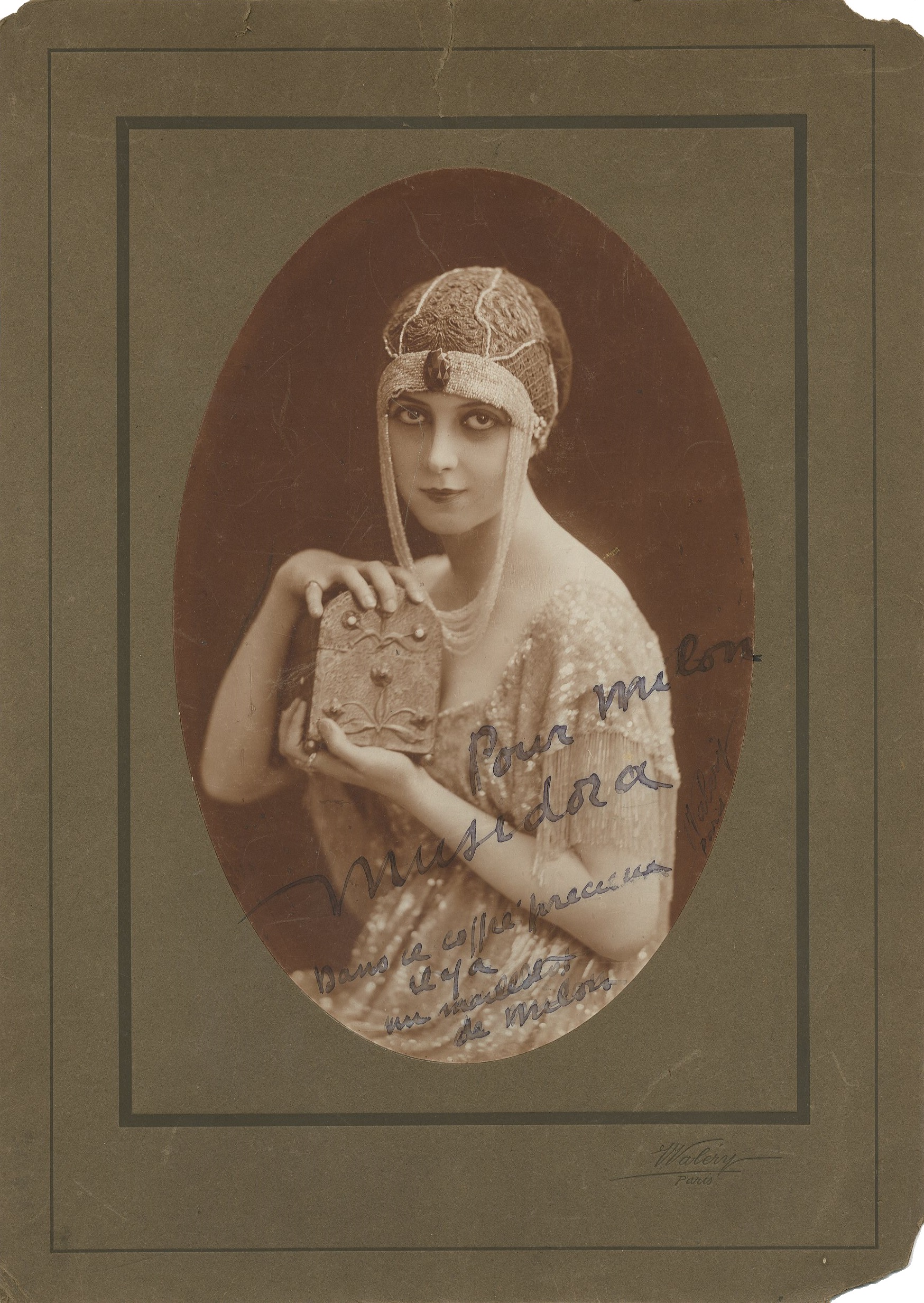
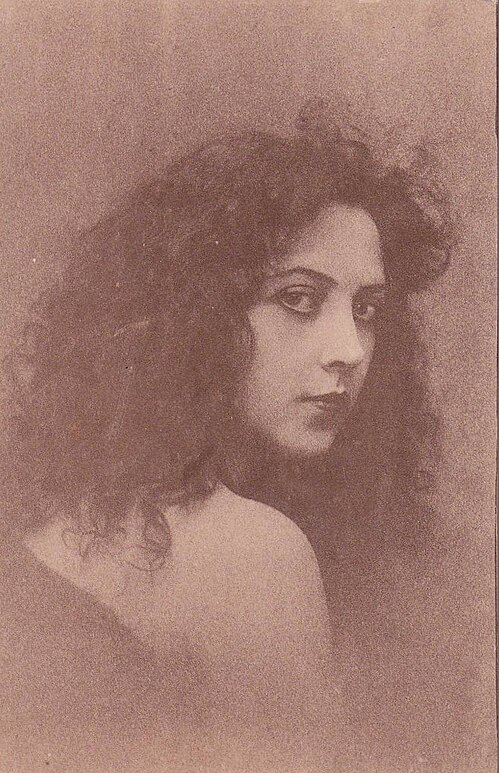
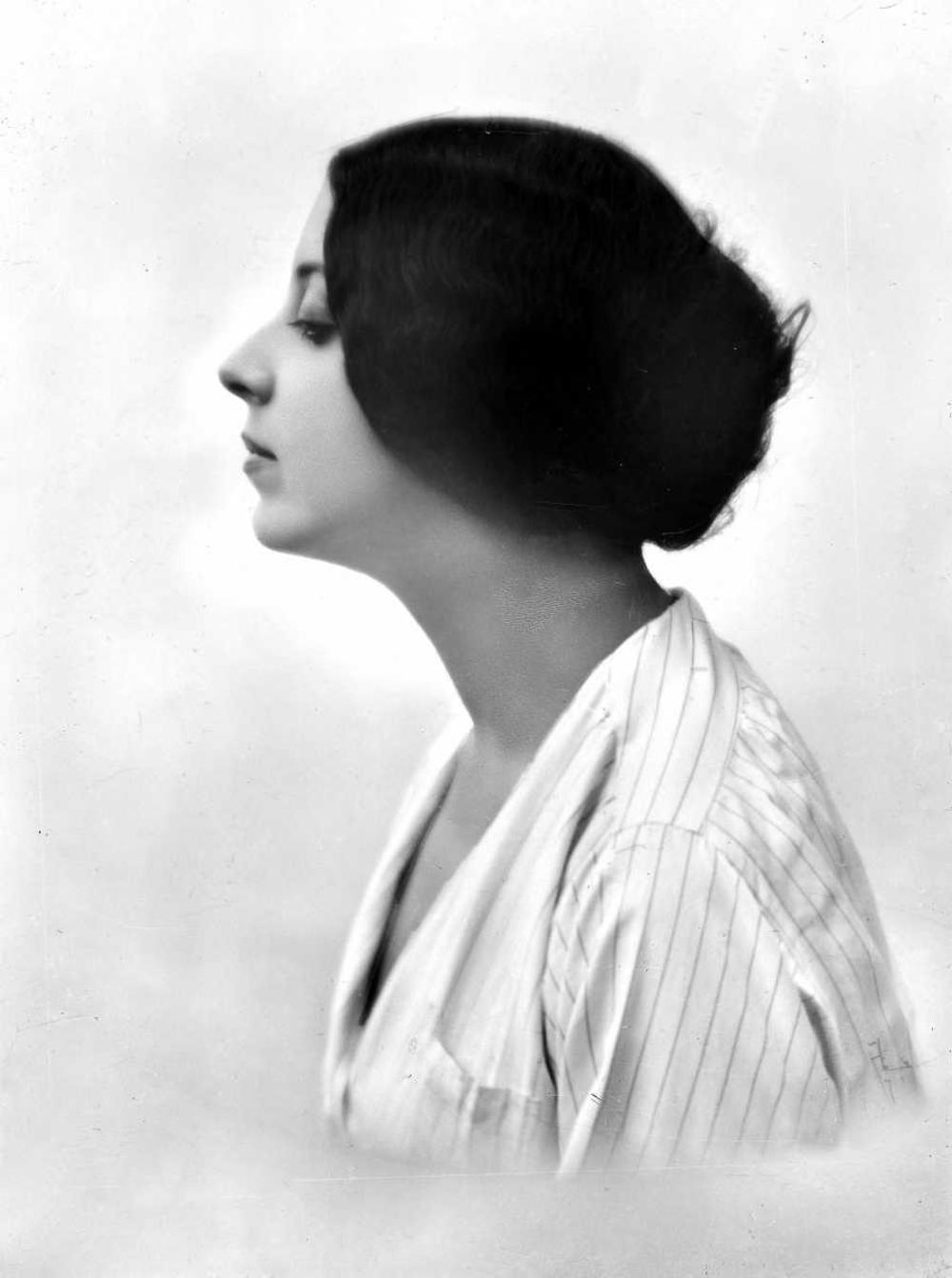
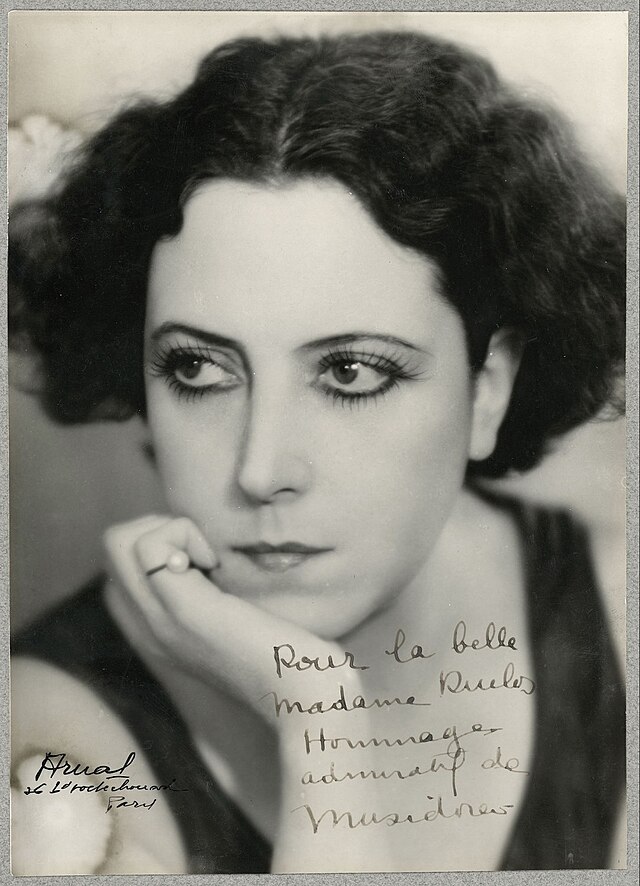
Jeanne Roques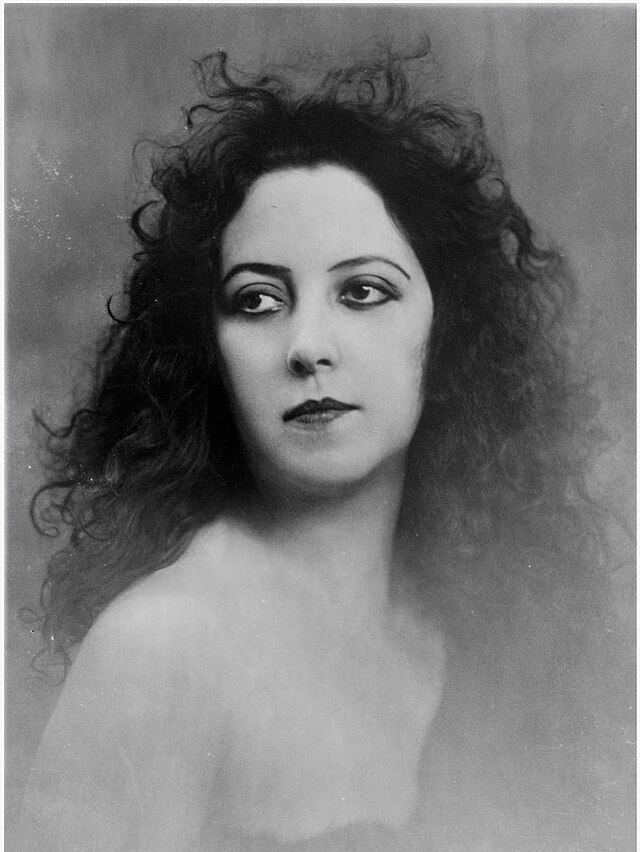 was born on February 23, 1889, in Paris, France. Unlike many stars of the era, Jeanne Roques did not come from nowhere. Raised in an avant-garde household—the daughter of a composer and the painter Marie Clémence—she was already a writer and painter before becoming an actress. This intellectual background allowed her to move between cabarets and the Parisian literary elite with the same fluidity.
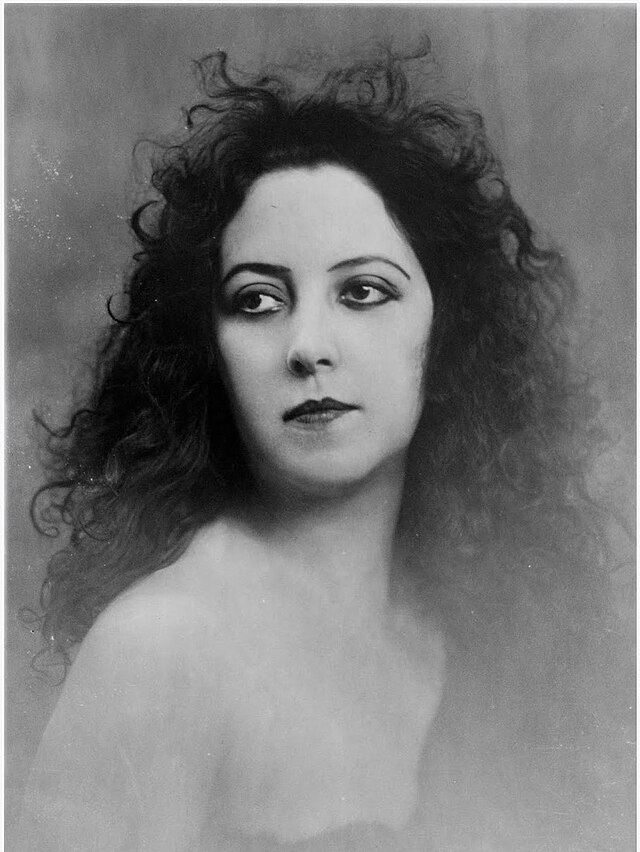
The Pseudonym
The name Musidora was not a commercial choice by a studio, but a literary reference to the novel Fortunio (1837) by Théophile Gautier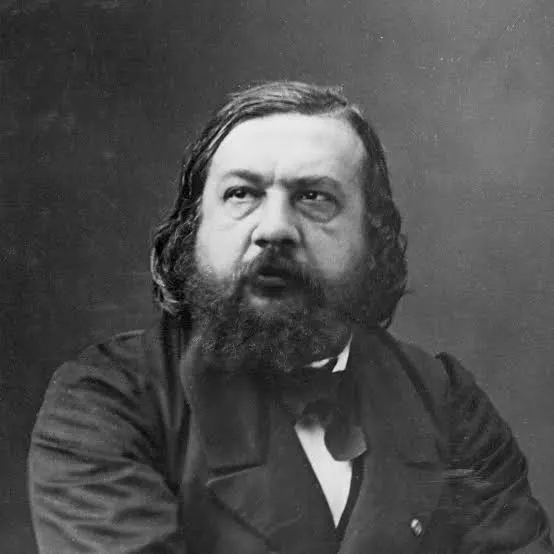 . In Gautier's work, Musidora is described as a woman possessing a depth that the men around her cannot decipher. She is not merely an "object," but a presence that commands silence and admiration.
By adopting the name in 1910, Jeanne wanted to distance herself from common vaudeville actresses. She wanted to be seen as an extension of literature. That same year, she performed in the play A loupiotte by Aristide Bruant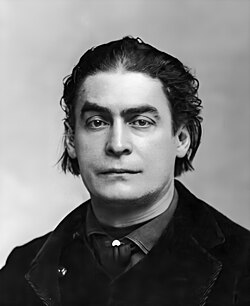 .
.
Some sources cite the beginning of her film career in 1913. However, there are records of her participation in two short films prior to that date: Le troisième larron (1909) and La main noire (1910, Étienne Arnaud ). Subsequently, in 1914, she acted in Les misères de l'aiguille, by Raphäel Clamour.
By the time she began working with Louis Feuillade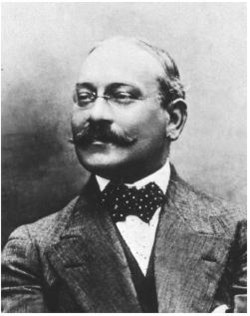 , the name was already consolidated. It was a masterstroke: the cultured Parisian public recognized the reference to Gautier's classic, while the general public found the name sonorous, exotic, and magnetic.
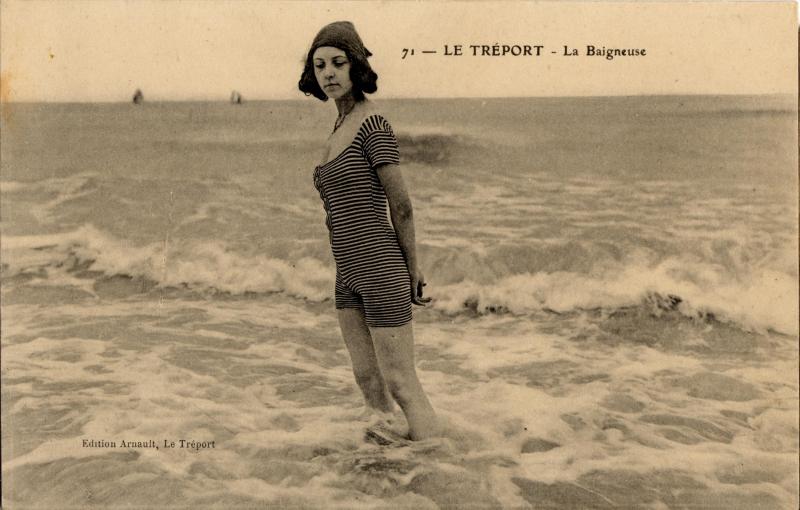
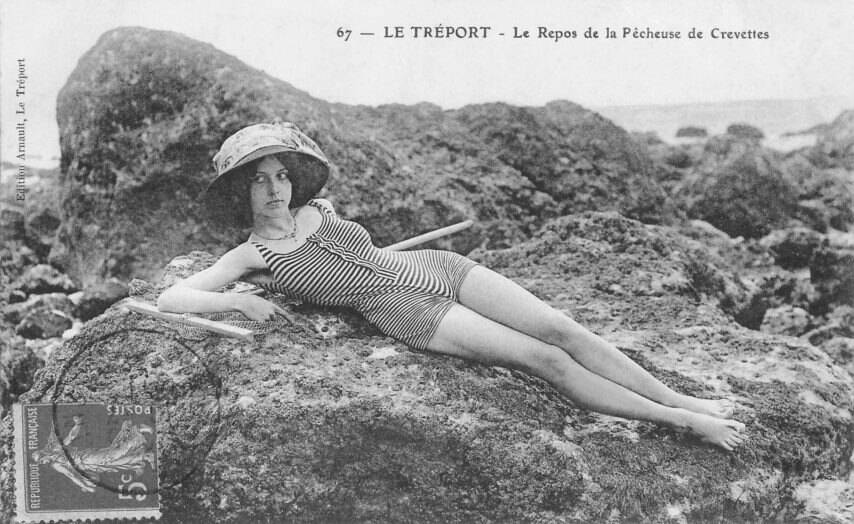
But there is a curious detail: in the novel, there is a famous bathing scene where Musidora is observed, focusing on purity and perfection of form. Jeanne Roques, in assuming the name, subverted this passivity. Her Musidora would not merely be observed; she would be the hunter.
The Rise of Musidora
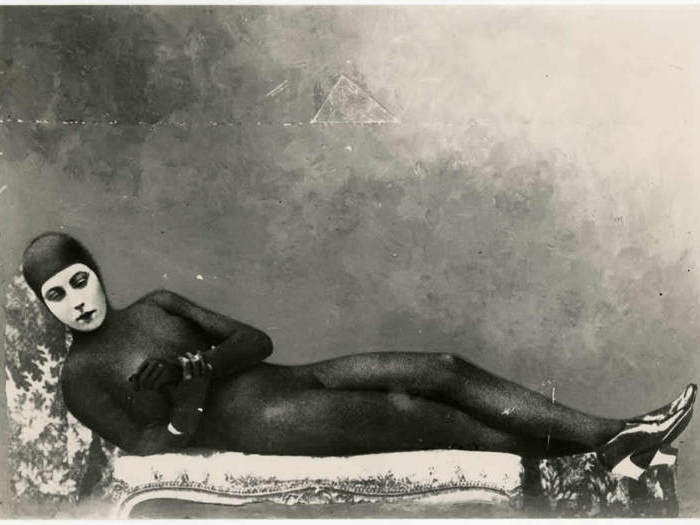
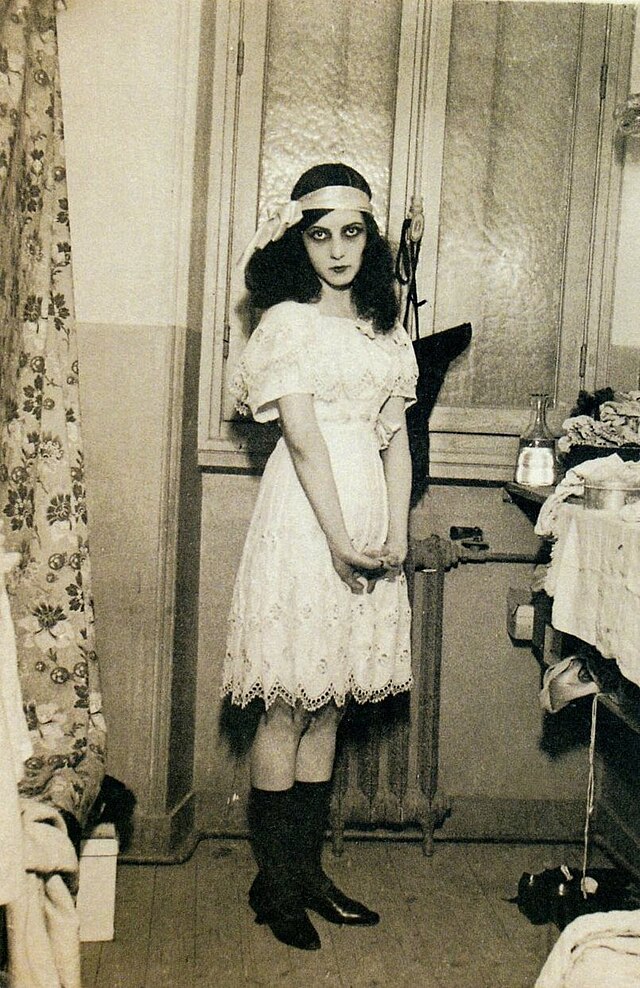
Her definitive consecration came in 1915, when Louis Feuillade cast her in the serial Les Vampires. In the role of Irma Vep—an anagram for vampire—Musidora not only solidified the "vamp" archetype in Europe but completely transformed it. While Hollywood presented static figures like Theda Bara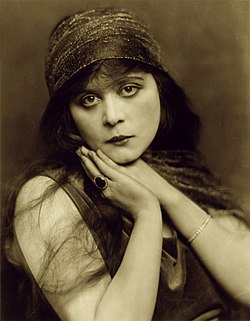 1, Musidora brought an athletic and independent villainess to the screen.
Curiously, although she had acted in about twenty productions by then, Feuillade did not notice her in cinema, but rather in the show A Revue Galante at the Folies Bergère —a type of cabaret very popular from the 1890s until the mid-1920s.
In 1917, she starred in another film serial, Judex, also directed by Louis Feuillade, which also achieved considerable success.
For André Breton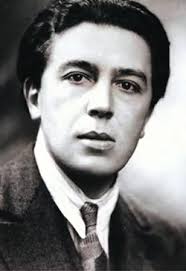 and Louis Aragon
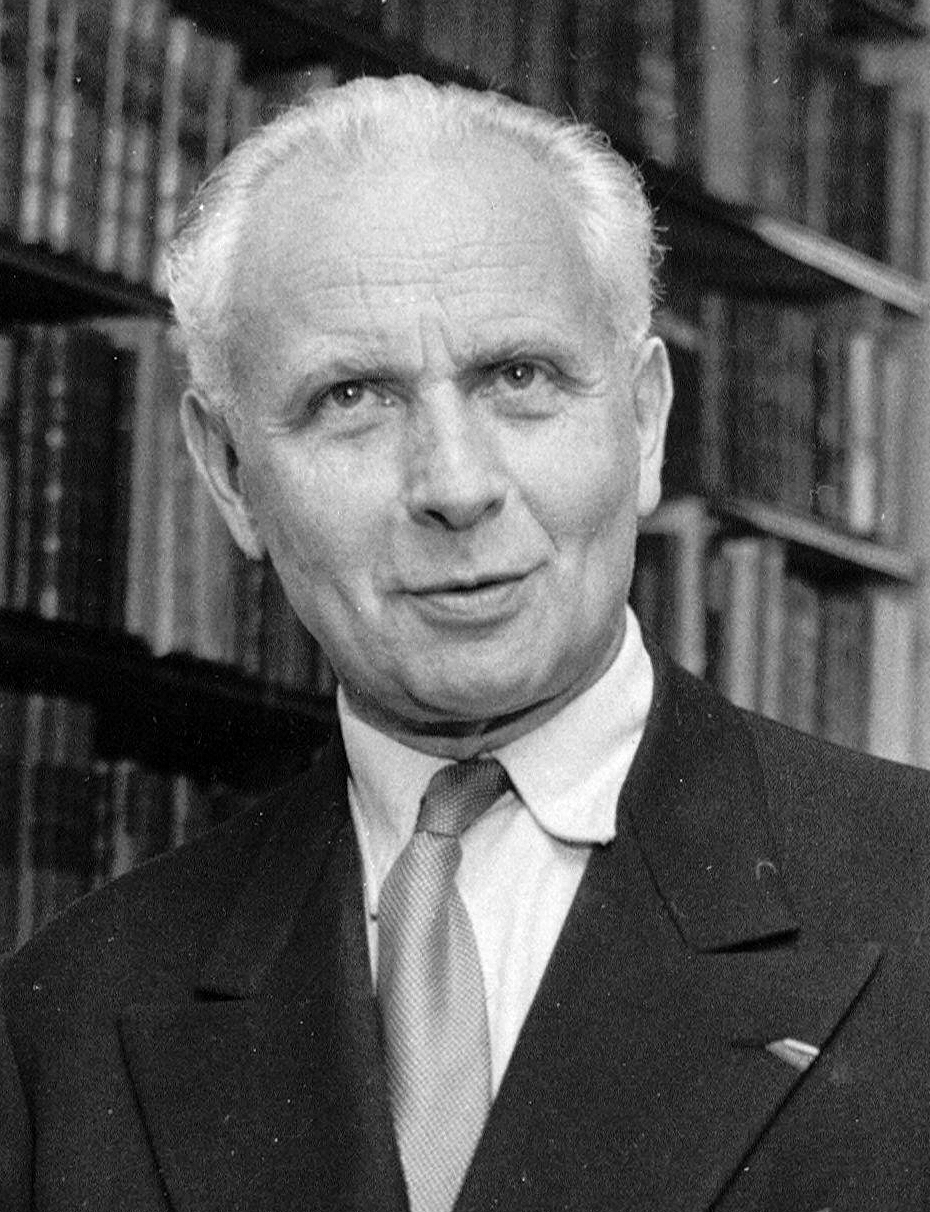 , she was the "Tenth Muse," a hypnotic figure who subverted bourgeois logic by invading everyday Paris in her iconic black silk bodysuit. This devotion was so great that the poets even wrote the play Le Trésor des Jésuites (1928) in her honor, seeing in her the "everyday marvelous": the idea that mystery and danger were not in distant worlds, but hidden behind any ordinary door on a Parisian street.
However, Musidora refused to be merely an object of male admiration or a static icon. Her intellectual restlessness led her to one of the deepest and least explored partnerships in film history: her collaboration with the writer Colette (Sidonie-Gabrielle Colette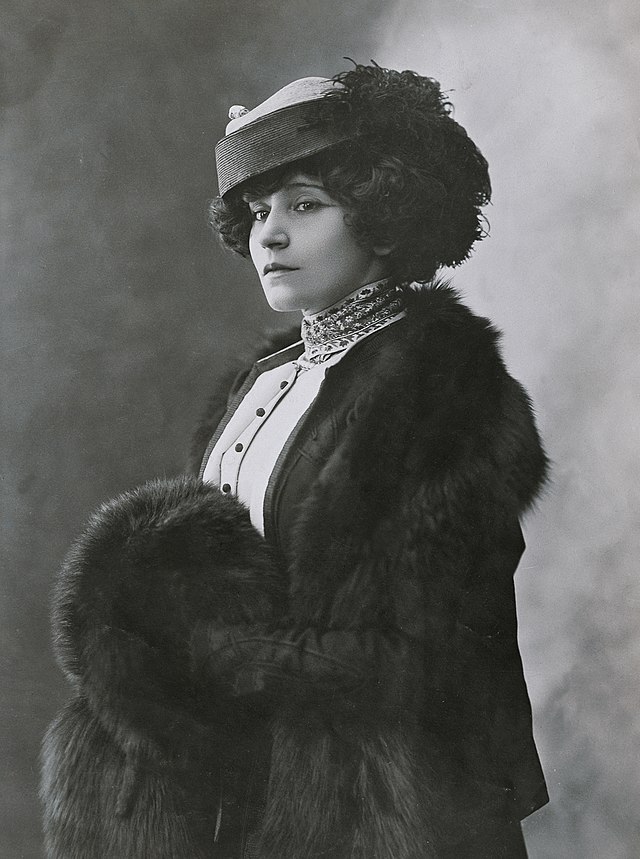 ). Sharing a feminist worldview, the two created a cycle of female production almost unheard of for the 1910s. Colette, known for her fierce criticism of adaptations of her books, entrusted her texts to Musidora because she trusted her unique sensitivity, resulting in works such as La Vagabonda and La Flamme Cachée. This desire for control over her own narrative was what drove her to go beyond acting.
By the way, it's worth saying that here at Estronho we don't care about any movement or ideology. Our focus is on cinema and literature, and the importance of figures like Musidora, Colette, and so many other personalities we will see here in this series of articles. We do not form opinions, we only bring the records. Continuing...
In 1918, Jeanne founded the Société des Films Musidora, taking the reins of the script, editing, and budget of her productions. This independence took her to Spain between 1920 and 1924, where, moved by a passion for the rejoneador2 Antonio Cañero, she produced and directed a trilogy that challenged the genres of the time. In La Tierra de los Toros (1924), Musidora anticipated modern languages by using auto-fiction: she played herself as a filmmaker facing the difficulties of filming on foreign soil, breaking the "fourth wall" decades before it became a common feature of auteur cinema.
A curious point is that Musidora chose, at the time, to omit her name from the credits of some scripts and direction, to highlight her name only as the star of those works. However, later, she came to claim her authorship and co-authorship, which is now well-documented and duly recognized.
But despite her films being well-accepted by critics of the time, in general they ended up in a loss for her company. Sources diverge on the reasons, ranging from contractual problems and failures to box office flops.
Back to France
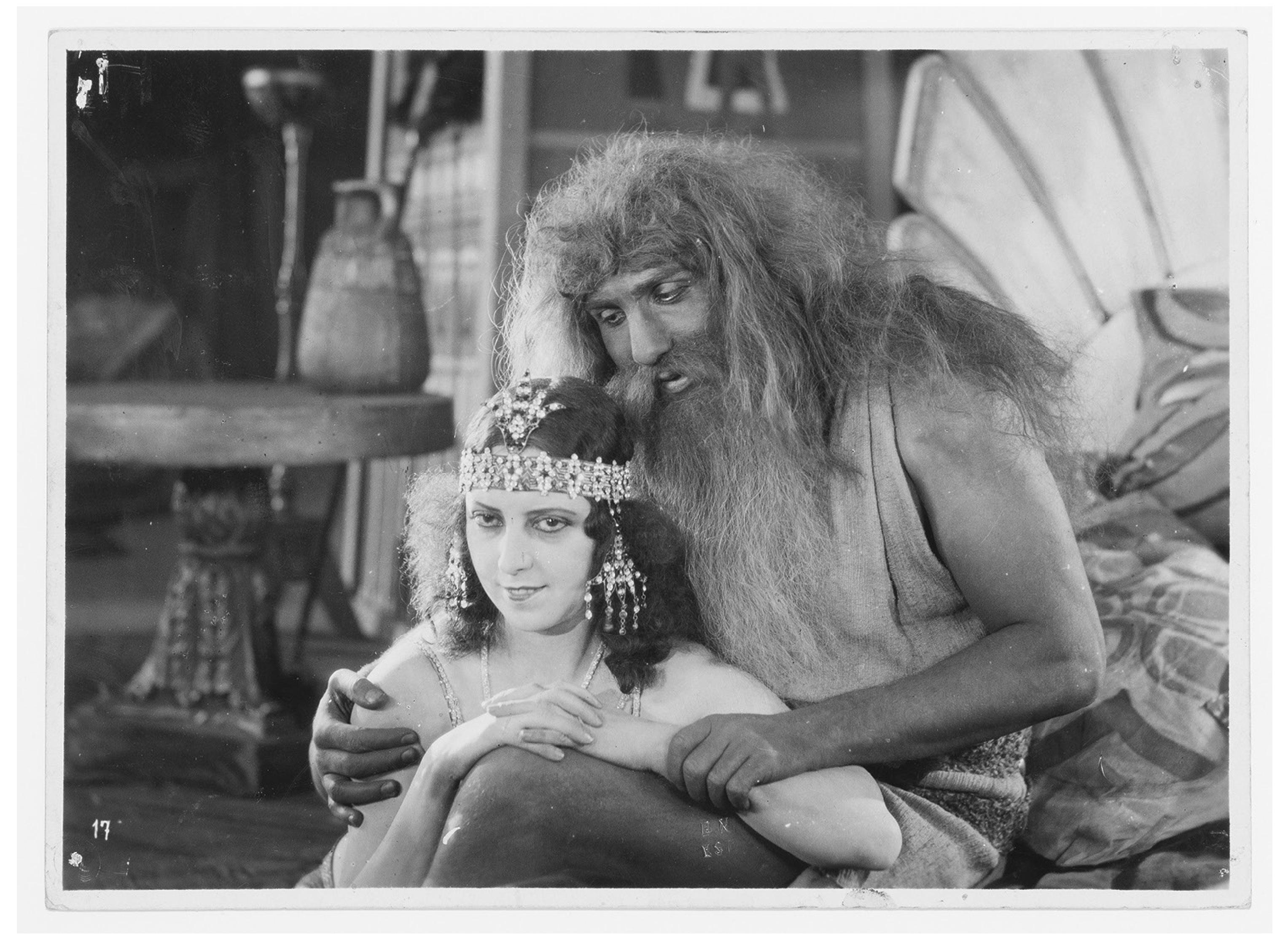
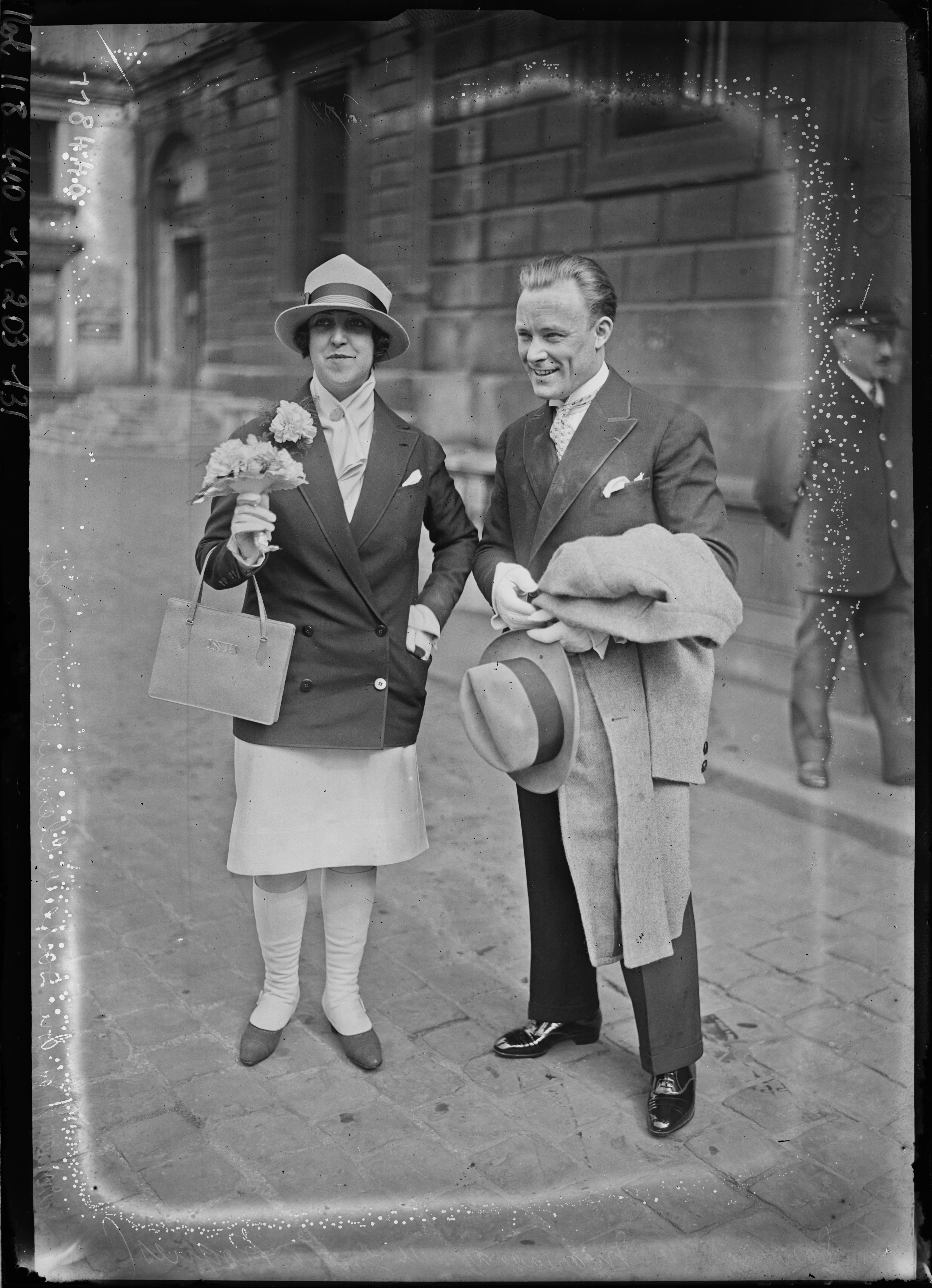
In 1926 she returned to Paris and played Delilah in the film Le berceau de dieu, directed by Fred LeRoy Granville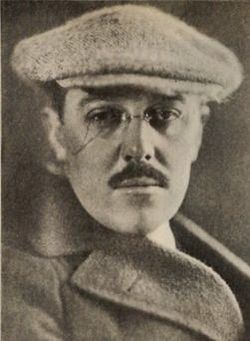 , which ended up being her last work in cinema. After marrying Dr. Clément Marot in 1927, she dedicated herself exclusively to the theater until the mid-1950s.
Jeanne wrote two novels: Arabella et Arlequin (1928) and Paroxysmes (1934), as well as many songs and a book of poems called Auréoles (1940).
The End of the Silent Era
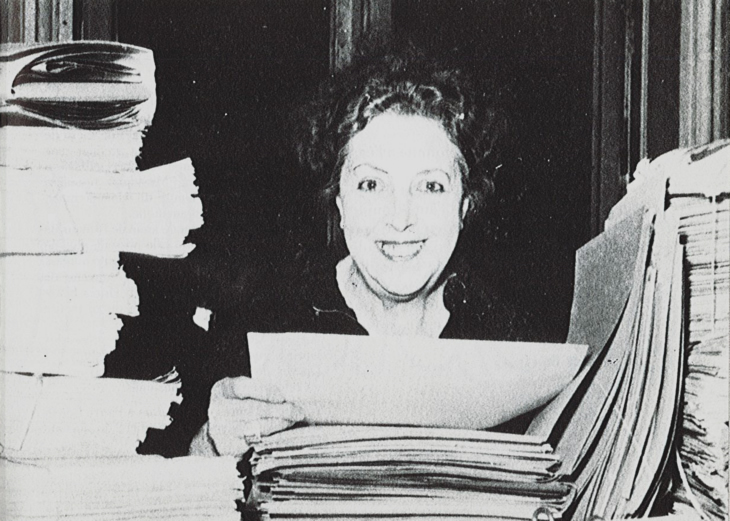
Musidora did not allow time to turn her into a bitter relic, as happened with many actresses and actors. Instead of ostracism, she chose preservation. Starting in 1946 —some sources cite 1944— she began a crucial phase alongside Henri Langlois at the Cinémathèque Française, becoming a "guardian of memory." As one of the most dedicated employees of the archive, she used her prestige to locate forgotten pioneers and extract testimonies that otherwise would have been lost.
Musidora lived her final years among poems and archives, passing away on December 7, 1957, in Paris.
A Curious Fact
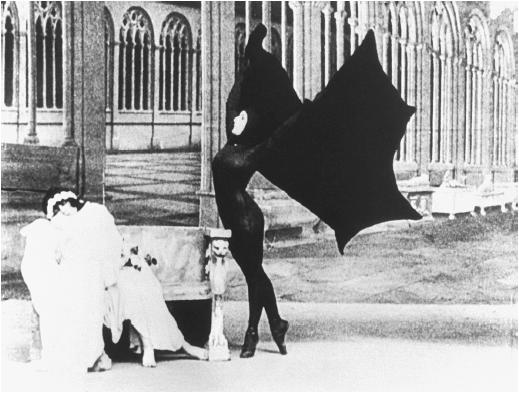
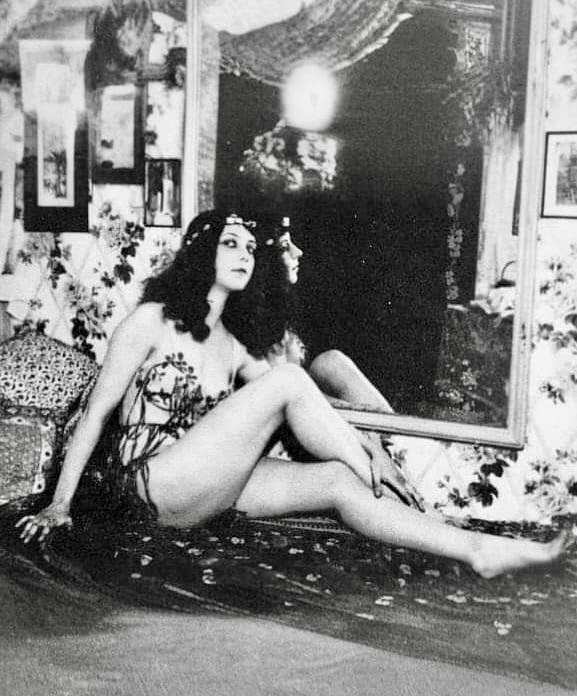
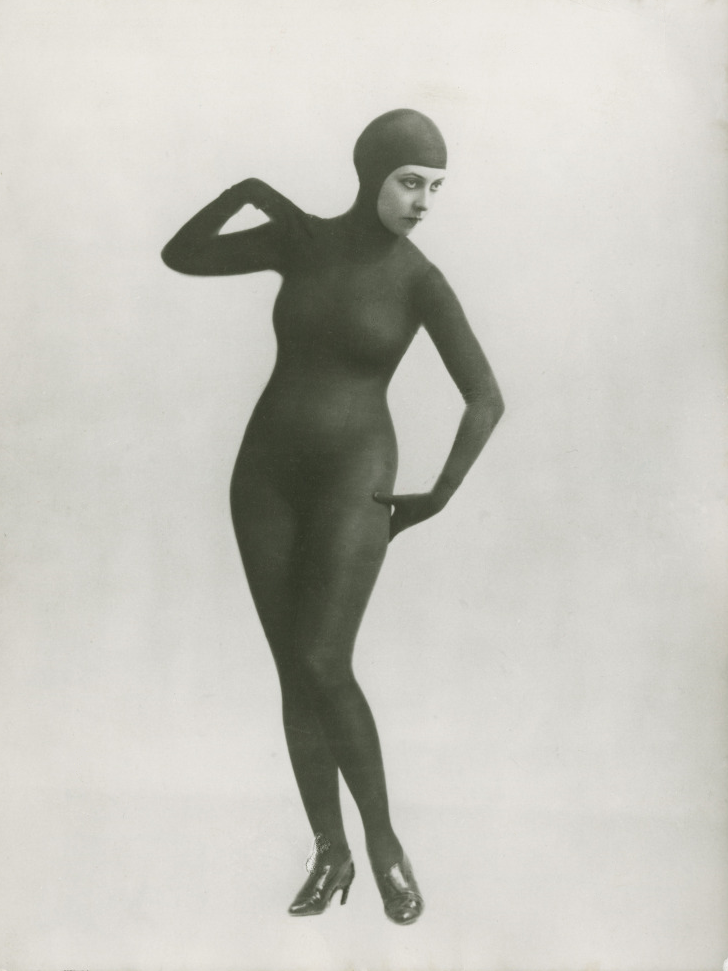
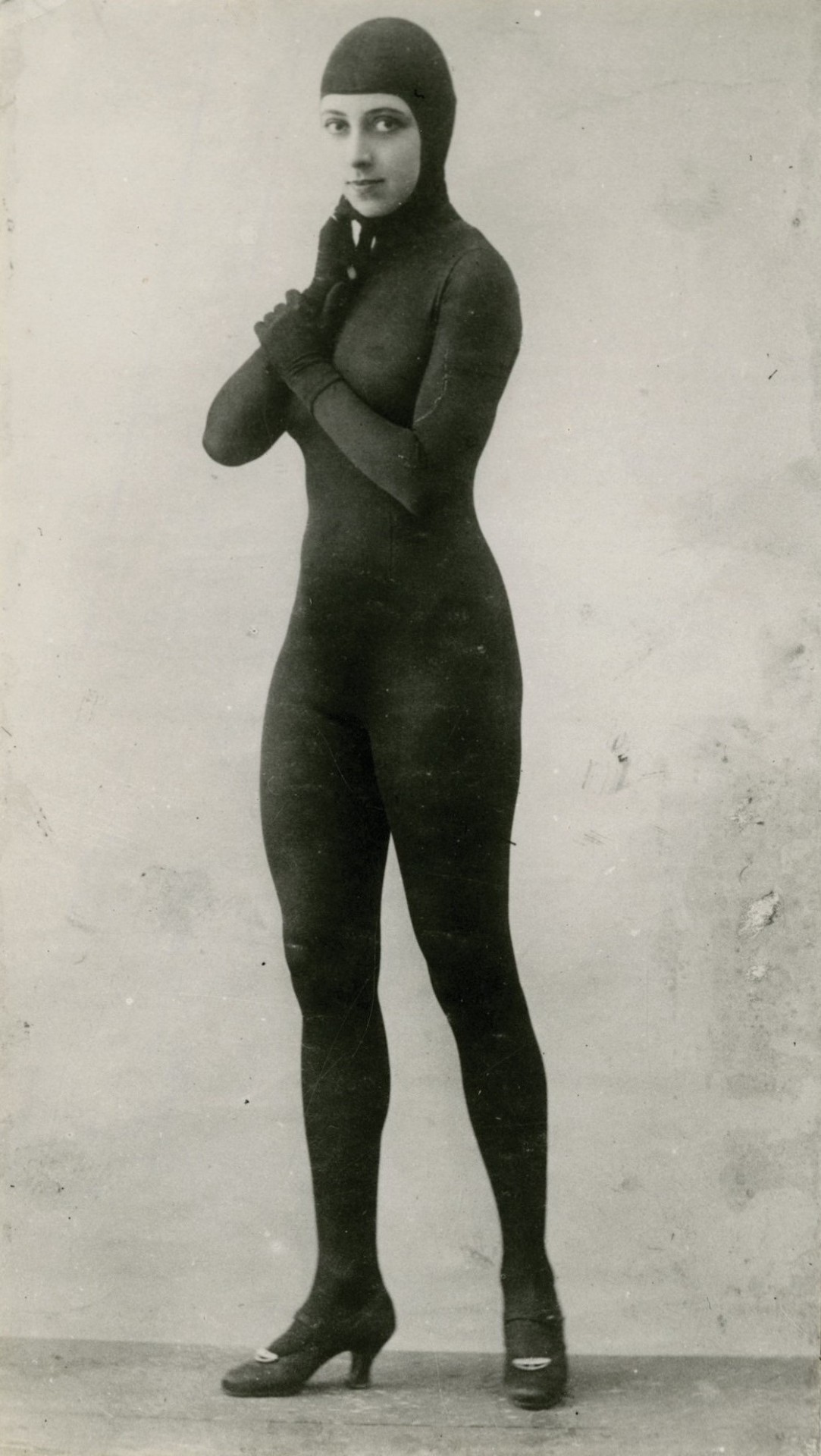
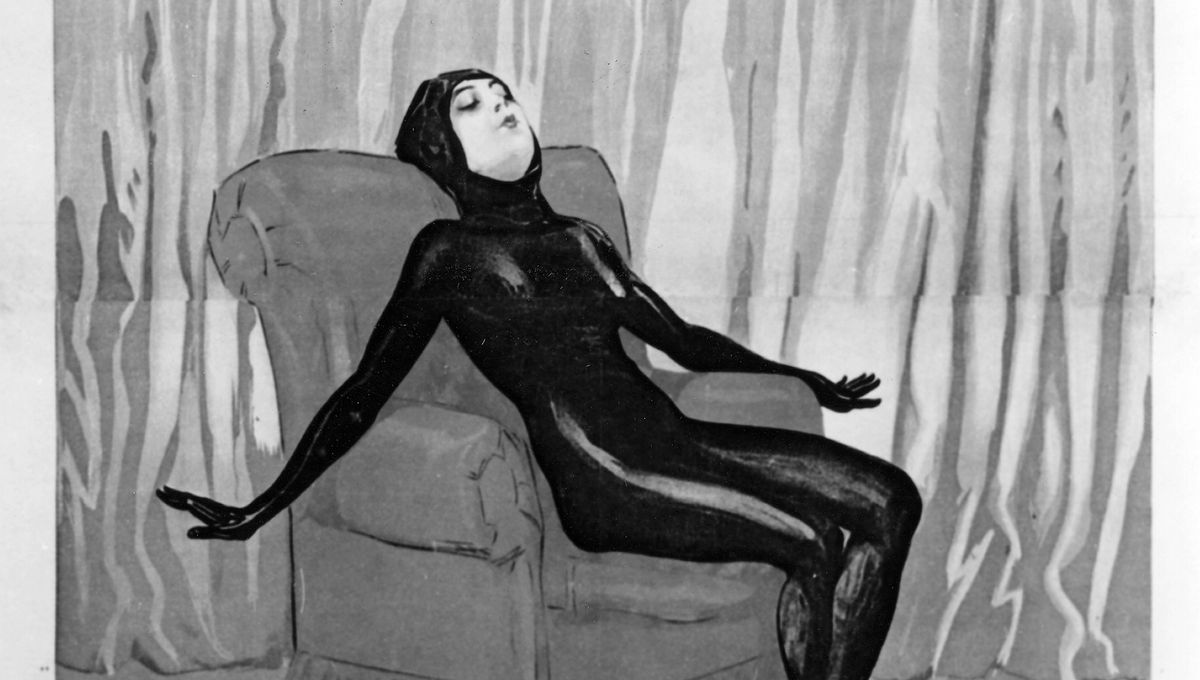
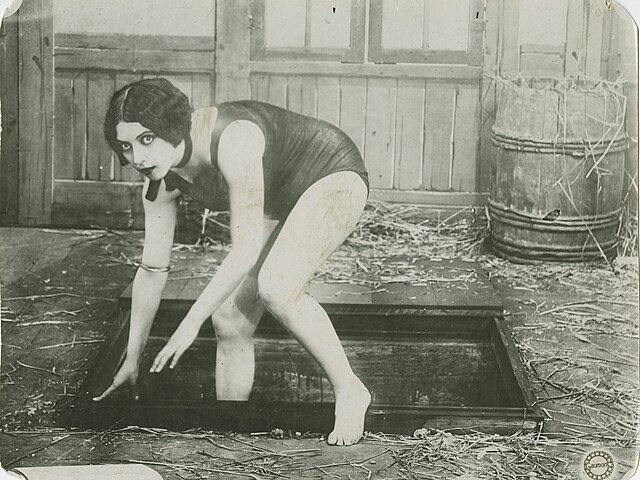
There is a certain confusion on various research and film-lover websites when crediting the image below as being Musidora in the series Les Vampires. In fact, the series is correct. However, this scene is of another character, Marfa Koutiloff, the dancer from episode 2, La bague qui tue, played by Stacia Napierkowska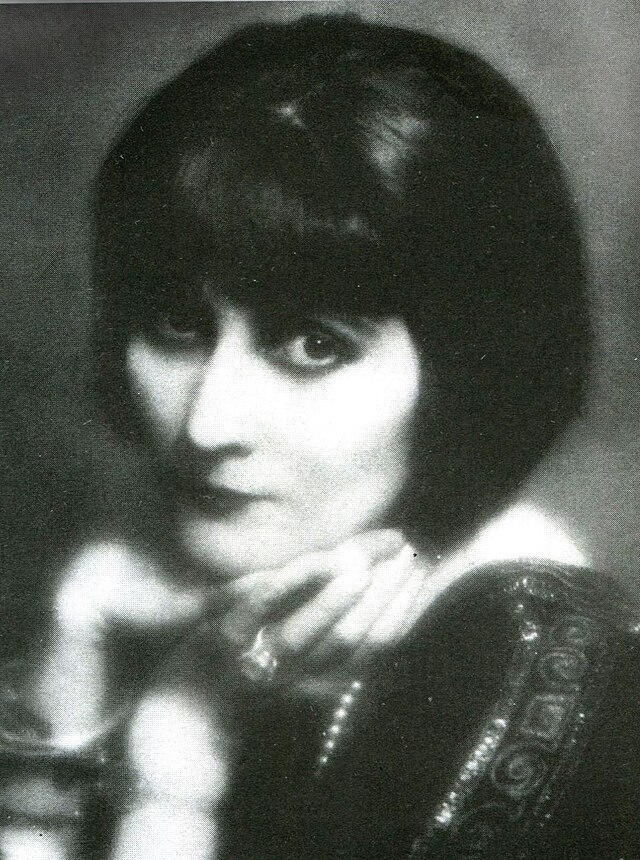 . Musidora only participates from the third episode onwards. I believe the confusion is due to the costume, and the fact that the episodes of the series were recovered in 2012. Until then, not everyone had access to preserved copies and would not perceive the context of this scene, called The Vampire's Dance — Remembering that Les Vampires has nothing to do with vampires. In the series, this is the name of the gang of robbers terrorizing the city.
Where to Watch
It is possible to find full titles on YouTube, as well as fragments of some works. The series Les Vampires and Judex have been completely restored, and you can check out the episodes below — read more about film serials in our article series Silent Marathon.
| LES VAMPIRES - (1915) AVAILABLE EPISODES | |
|---|---|
| No. | Original Title |
| 01 | La tête coupée |
| 02 | La bague qui tue |
| 03 | Le cryptogramme rouge |
| 04 | Le spectre |
| 05 | L'evasion du mort |
| 06 | Les yeux qui fascinent |
| 07 | Satanus |
| 08 | Le maitre de la foundre |
| 09 | L'homme des poisons |
| 10 | Les noces sanglantes |
| JUDEX - (1916) AVAILABLE EPISODES | |
|---|---|
| No. | Original Title |
| - | Prologue |
| 01 | L'ombre mystérieuse |
| 02 | L'expiation |
| 03 | Lamente fantastique |
| 04 | Le secret de la tombe |
| 05 | Le moulin tragique |
| 06 | Le môme réglisse |
| 07 | La femme en noir |
| 08 | Les souterrains du Chatêau-Rouge |
| 09 | Lorsque l'enfant parut |
| 10 | Le coeur de Jacqueline |
| 11 | L'Ondine |
| 12 | Le pardon d'amour |
| OTHER VIDEOS |
|---|
| La tierra de los toros (1924, Musidora) |
| Sol y sombra (1922, Jacques Lasseyne, Musidora, José Sobrado de Onega) |
| Vicenta (1920, Musidora) - Fragment of about 19 minutes — from a total of 51 minutes of the original film — recovered by the Cinémathèque Française. |
Research sources: Cinémathèque, Women Film Pioneers, Silent Era, Internet Archive