
Estronho e esquésito

cinema, literature and oddities


The Vehicles of the <i>Ultraman</i>
Beyond the Scene

Legendary Machines
The Vehicles of the Ultraman

Ultraman is one of the pillars of Japanese tokusatsu. Produced by Tsuburaya Productions, the franchise spans decades combining giant heroes, bizarre monsters, practical effects, and something that always caught the attention of children (and many adults too): incredible vehicles. From futuristic jets to improbable tanks, the cars used by the defense teams became an essential part of the Ultra Series’ identity.

By Marcelo Amado January 10, 2026

<p>The Blacksmith — <i>Errementari</i></p>
Tailbone-Chilling Legends

European Legends

The Blacksmith — Errementari

There are legends where the Devil is the great villain. And there are others, far more uncomfortable, where he is merely… the second worst in the story. The Basque legend of Errementari, the Blacksmith, belongs to this second category. It does not speak of redemption. It does not speak of just punishment. It speaks of the danger of no longer fitting in anywhere.

By Guardião do Estronho March 01, 2026

<p><i>Momijigari </i>(1899) <i>Ninin Dōjōji</i> (1899)</p>
Silent Movies

The Dawn of Horror

Momijigari (1899) Ninin Dōjōji (1899)

While early European cinema played with devils and visual tricks, Japanese cinema began bringing centuries-old haunted stories from theater and folklore to the screen. Fear here is cultural memory. These are not proto-horror1 by accident. They are horror by heritage. These films make one thing very clear: horror in cinema was not born solely from grotesque imagery, monsters, and demons. It also came from the narrative tradition that cinema inherited from other arts and popular legends.

By Marcelo Amado February 27, 2026

<p>Posters from 1915</p>
Beyond the Scene

CineArte Vintage

Posters from 1915

We have reached the fifth article in our series on the art of vintage posters, this time featuring posters from several films released in 1915. We open with the poster for The Birth of a Nation (1915, D. W. Griffith), followed by one of the more than 2,000 posters created by the artist Achille Mauzan, a prominent figure in the French design scene of that era. 

By Marcelo Amado February 26, 2026

<p>Musidora</p>
Silent Movies

Silent Film Stars

Musidora

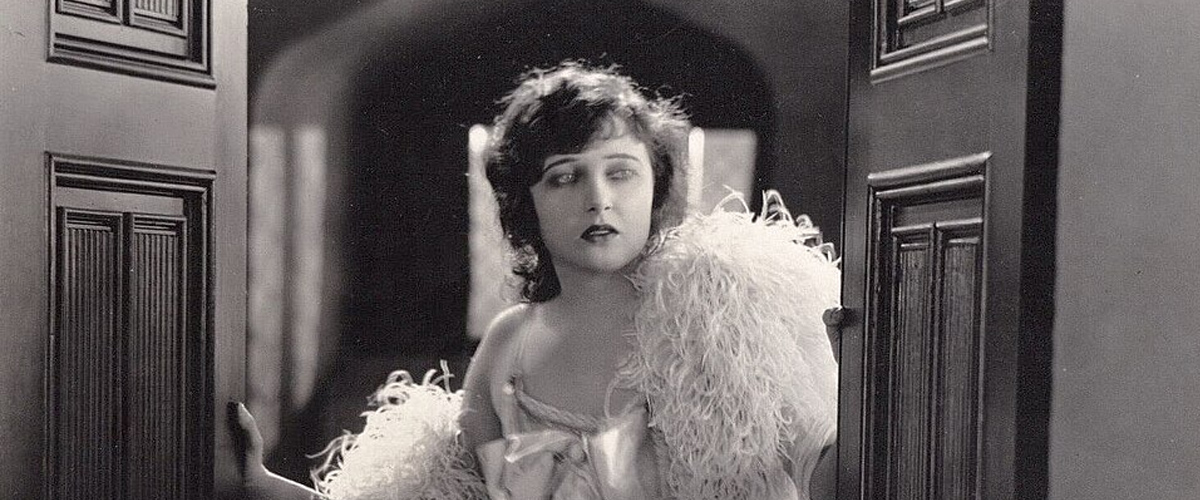
Jeanne Roques was born on 02/23/1889 in Paris, France. Unlike many stars of the time, Jeanne Roques did not come from nowhere. Raised in a vanguard cradle — daughter of a composer and the painter Marie Clémence — she was already a writer and painter before becoming an actress. This intellectual background allowed her to move between cabaret and Paris's literary elite with the same fluidity.

By Marcelo Amado February 26, 2026

<p><i>Land of the Lost</i> (1974-1977)</p>
Beyond the Scene

Long Before CGI

Land of the Lost (1974-1977)

The premise of Land of the Lost (1974-1977) is an adventure classic: during a routine expedition, forest ranger Rick Marshall (Spencer Milligan) and his children, Will (Wesley Eure) and Holly (Kathy Coleman), are caught by a colossal earthquake while white-water rafting in a canoe. They fall down a waterfall that leads not to the river, but to a space-time portal.

By Marcelo Amado February 25, 2026

<i>Der blaue Diamant</i> (1910)
Silent Movies

Silent Marathon
Der blaue Diamant (1910)

The production is based on the work of Maurice LeBlanc, which is actually titled Arsène Lupin versus Herlock Sholmes (that’s right, you read correctly... Herlock Sholmes). In fact, Arthur Conan Doyle did not take the joke very well. He was furious to see his famous character being ridiculed—according to him—in Maurice LeBlanc's book.

By Marcelo Amado February 23, 2026