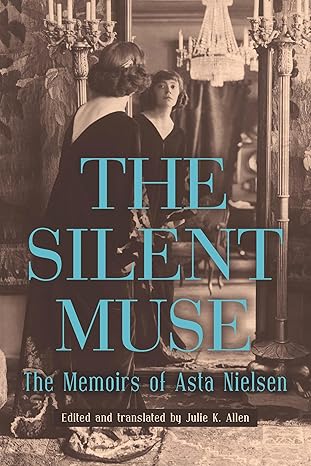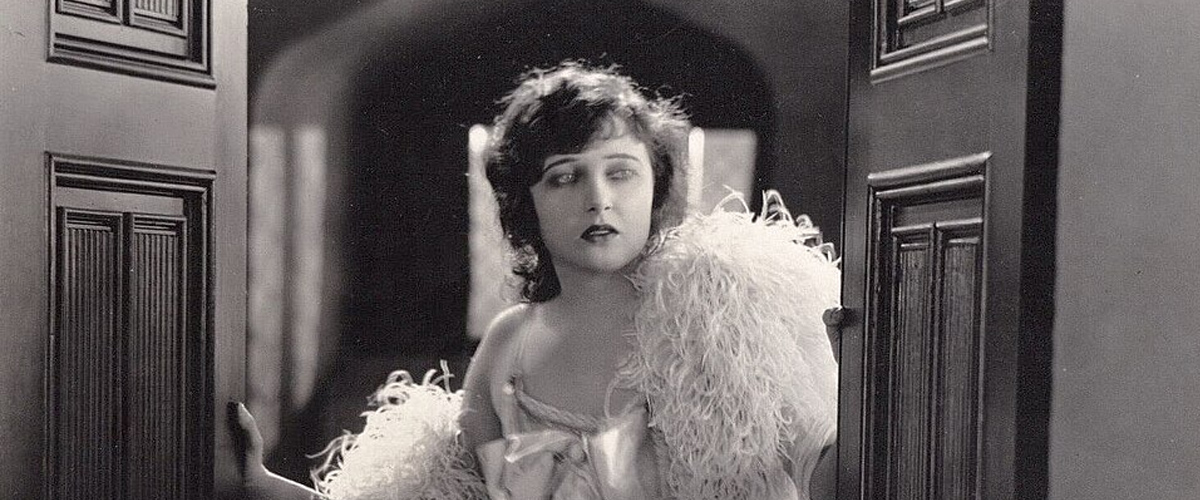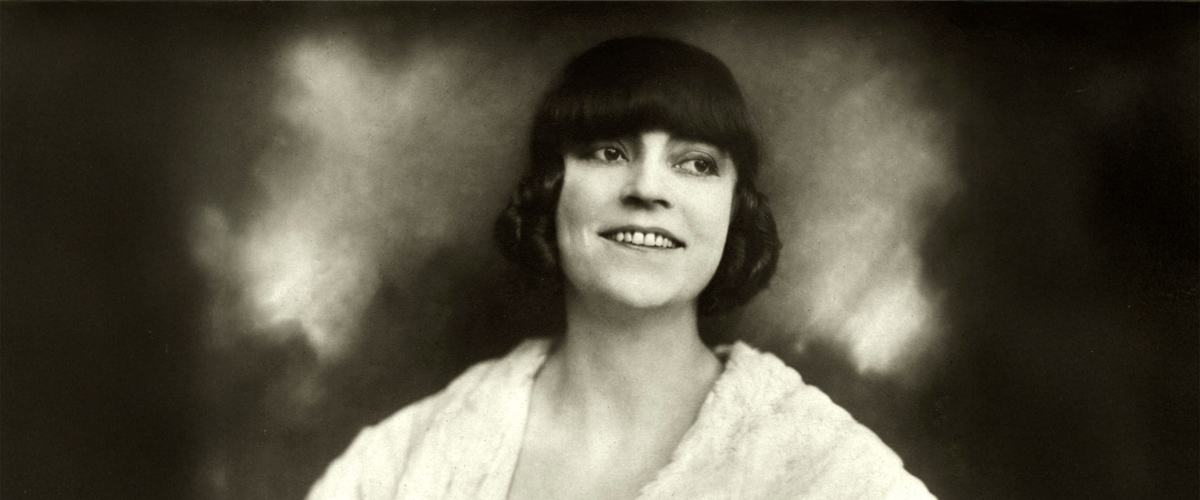
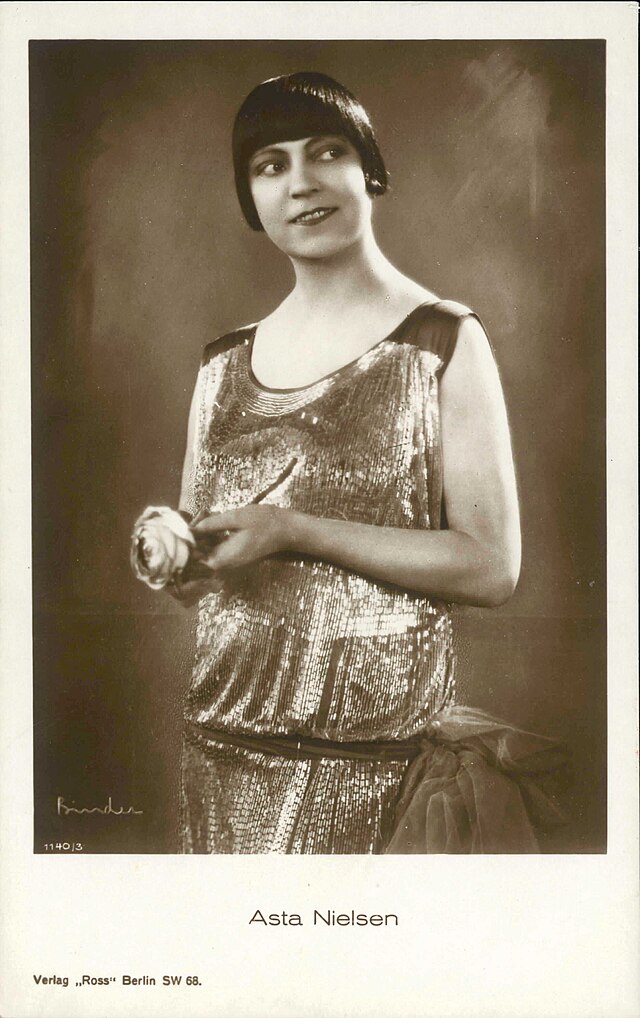
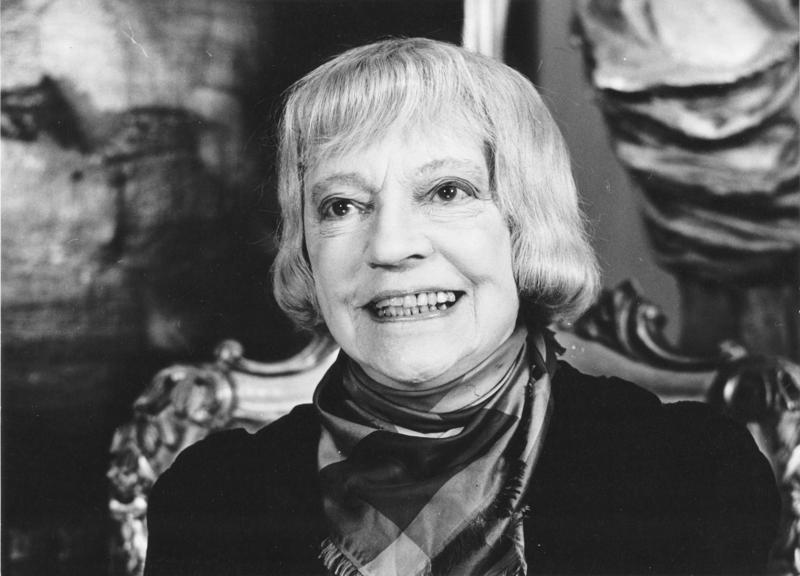
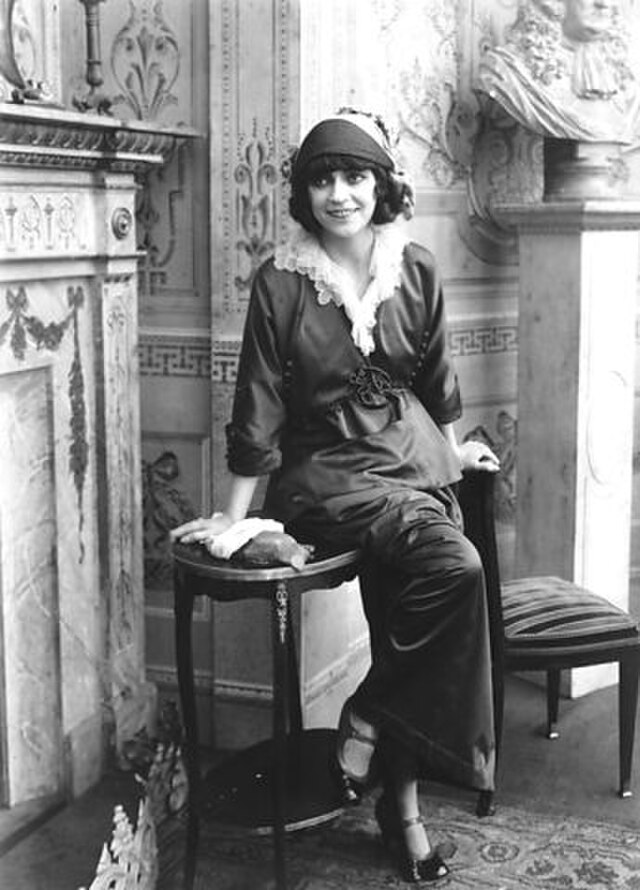
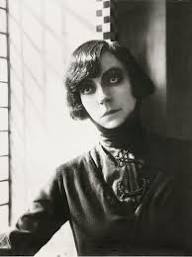
If today we are accustomed to subtle performances, where a glance says more than a thousand words, we owe it to a Danish woman with magnetic eyes and an expressive face named Asta Nielsen. Before her, cinema was basically filmed theater, with exaggerated gestures and arms flailing in the wind. Asta arrived and changed the game, becoming the first truly global star and earning the affectionate nickname Die Asta.
Childhood and the Silent Scandal
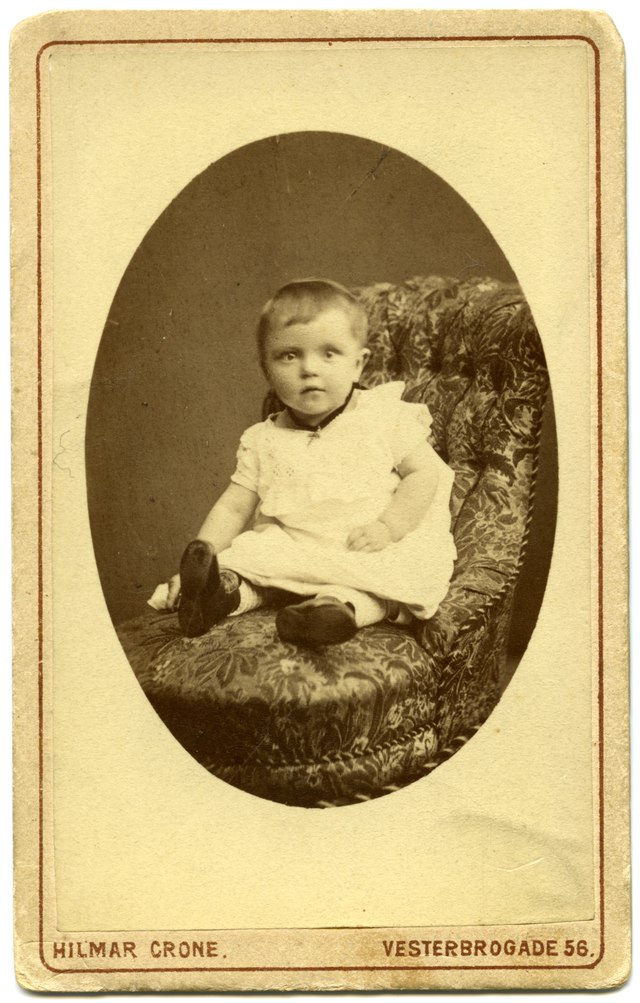
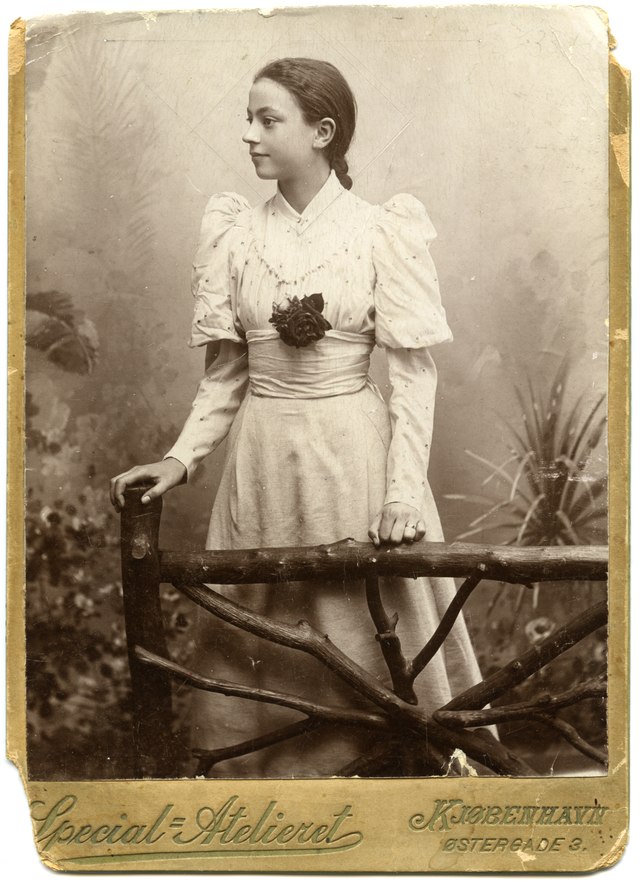
Born in Copenhagen in 1881, Asta Nielsen did not come from a wealthy background. The daughter of a blacksmith and a washerwoman, she grew up in a humble environment far from the artistic universe she would later conquer. At 18, she joined the drama school of the Royal Danish Theatre, taking her first formal steps in her career.
Her early adult life, however, was marked by an episode she would keep silent about for decades. Still very young —sources differ between ages 19 and 21— Asta had a daughter, Jesta. The father, according to later reports, was a law student, but the matter was never publicly clarified. Nielsen refused to marry, aware that marriage could prematurely end her theatrical ambitions. She raised the girl alone, with the support of her mother and sister, directly challenging the moral conventions of her time —a gesture that anticipated the independent and uncompromising stance that would mark her entire career.
The Abyss that Launched Her to Stardom
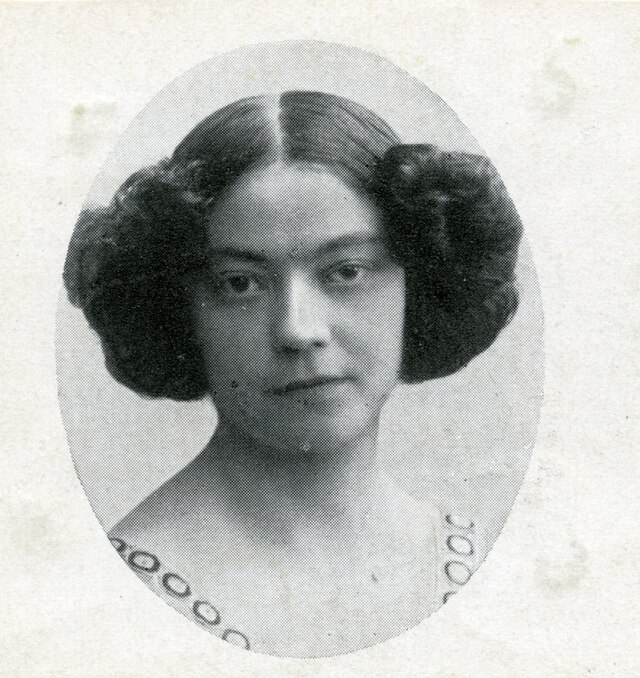
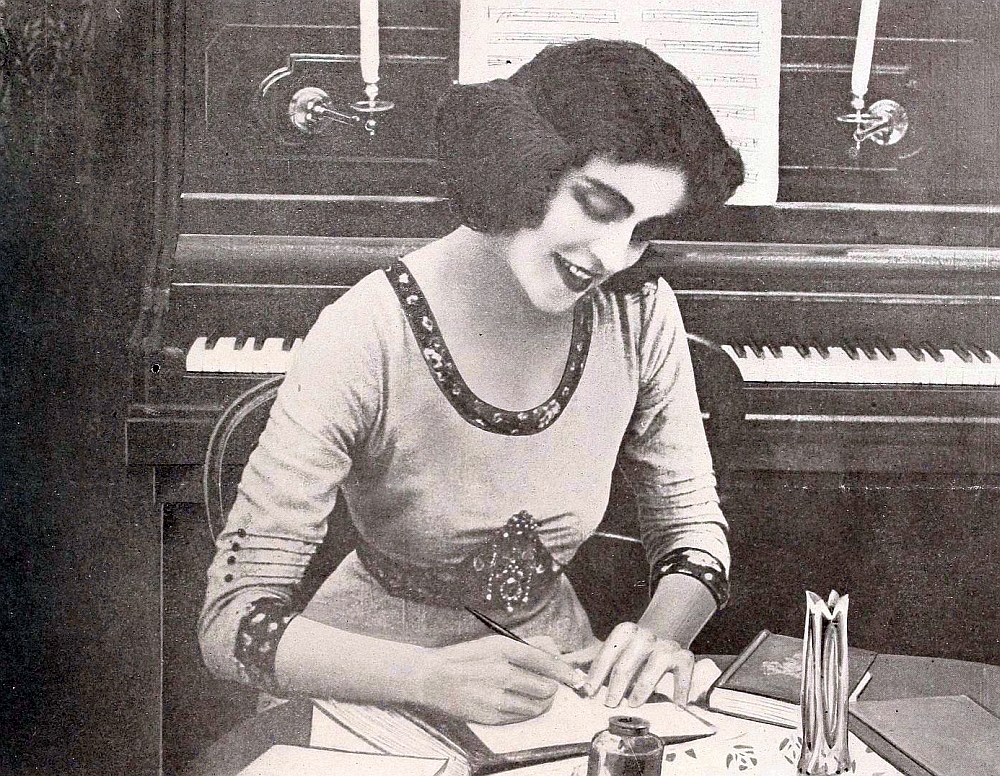
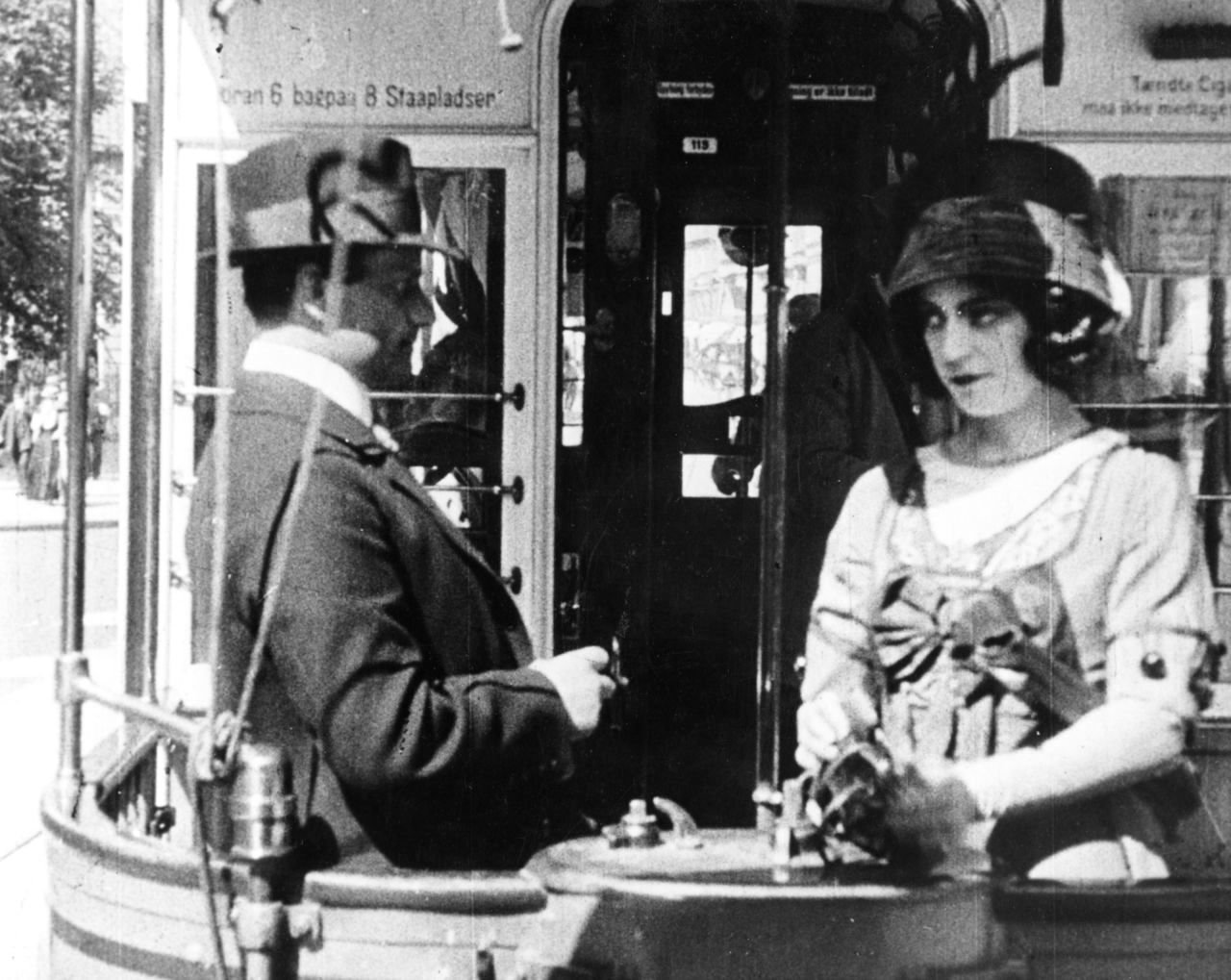
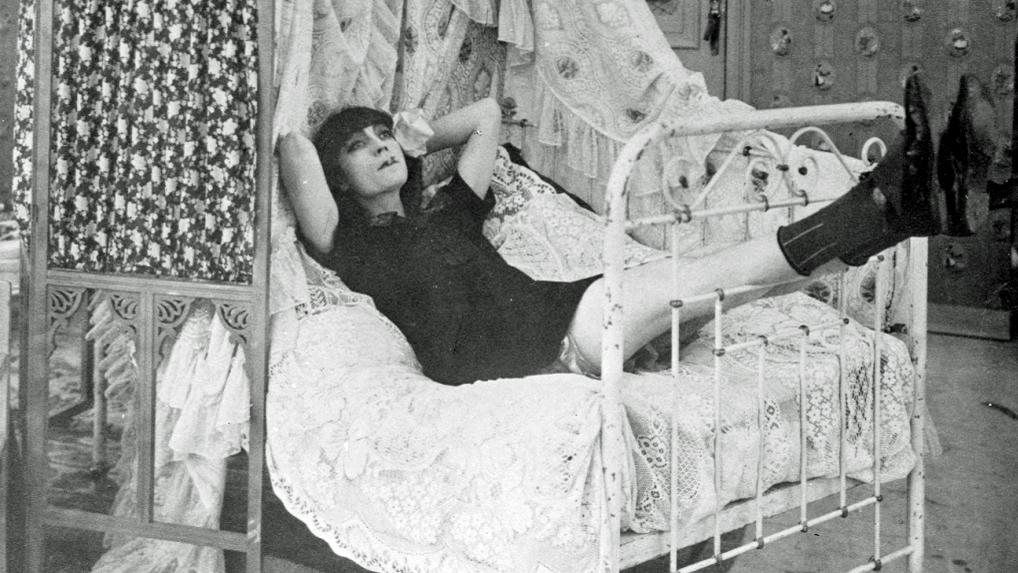
Asta did not have much success in traditional theater; they said her voice was not "suitable." Little did they know that silence would be her greatest ally. In 1910, at age 29, she debuted in the Danish film Afgrunden (The Abyss, 1910), directed by Urban Gad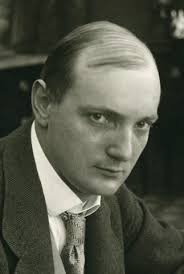 (who would become her first husband).
The film — which can be seen by clicking here — was a shock. In a famous scene, she performs an erotic and suggestive "gaucho dance" that paralyzed audiences.
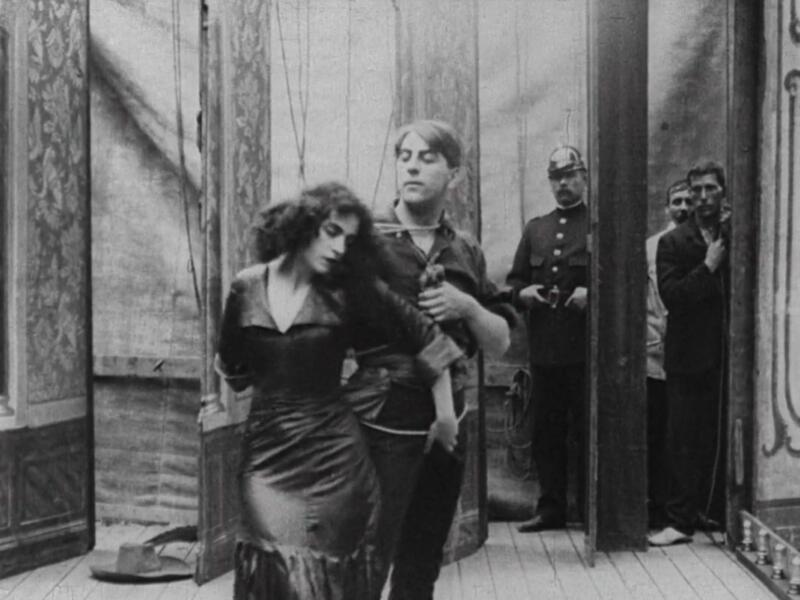
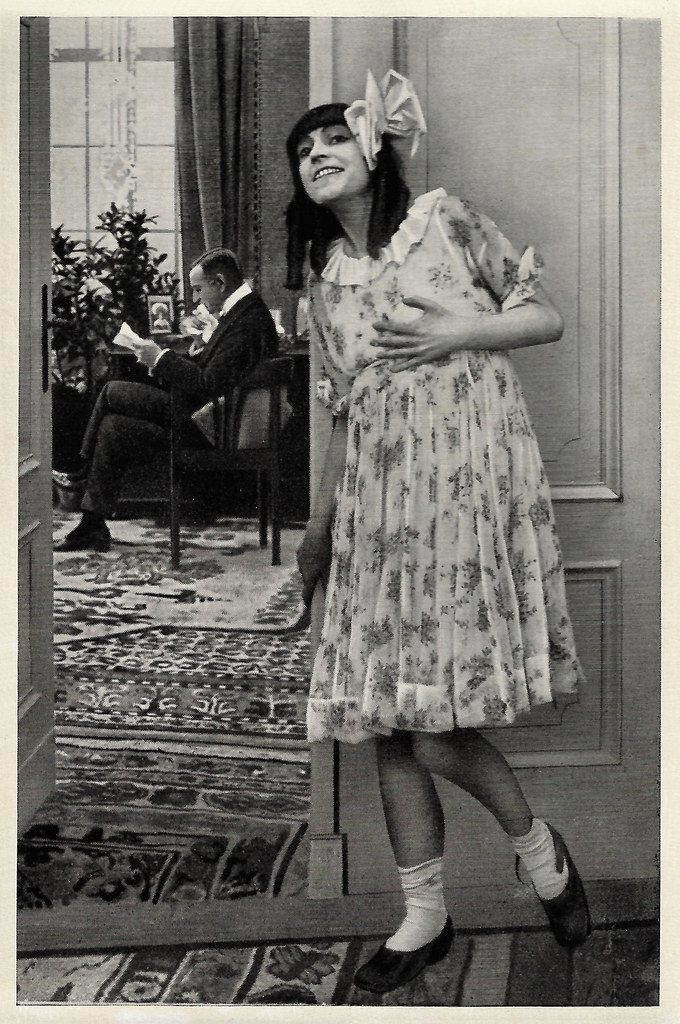
More than the sensuality — there are controversies, I'll let you judge —, what impressed was her naturalness. While other actors jumped and gestured, Asta used her face. She understood that the camera was close and that a slight raising of an eyebrow was enough to convey agony or desire. This naturalness is not fully realized in Afgrunden, but it was something she perfected over time, justifying her title as the "inventor" of modern acting.
The Conquest of Germany and the Nielsen Empire
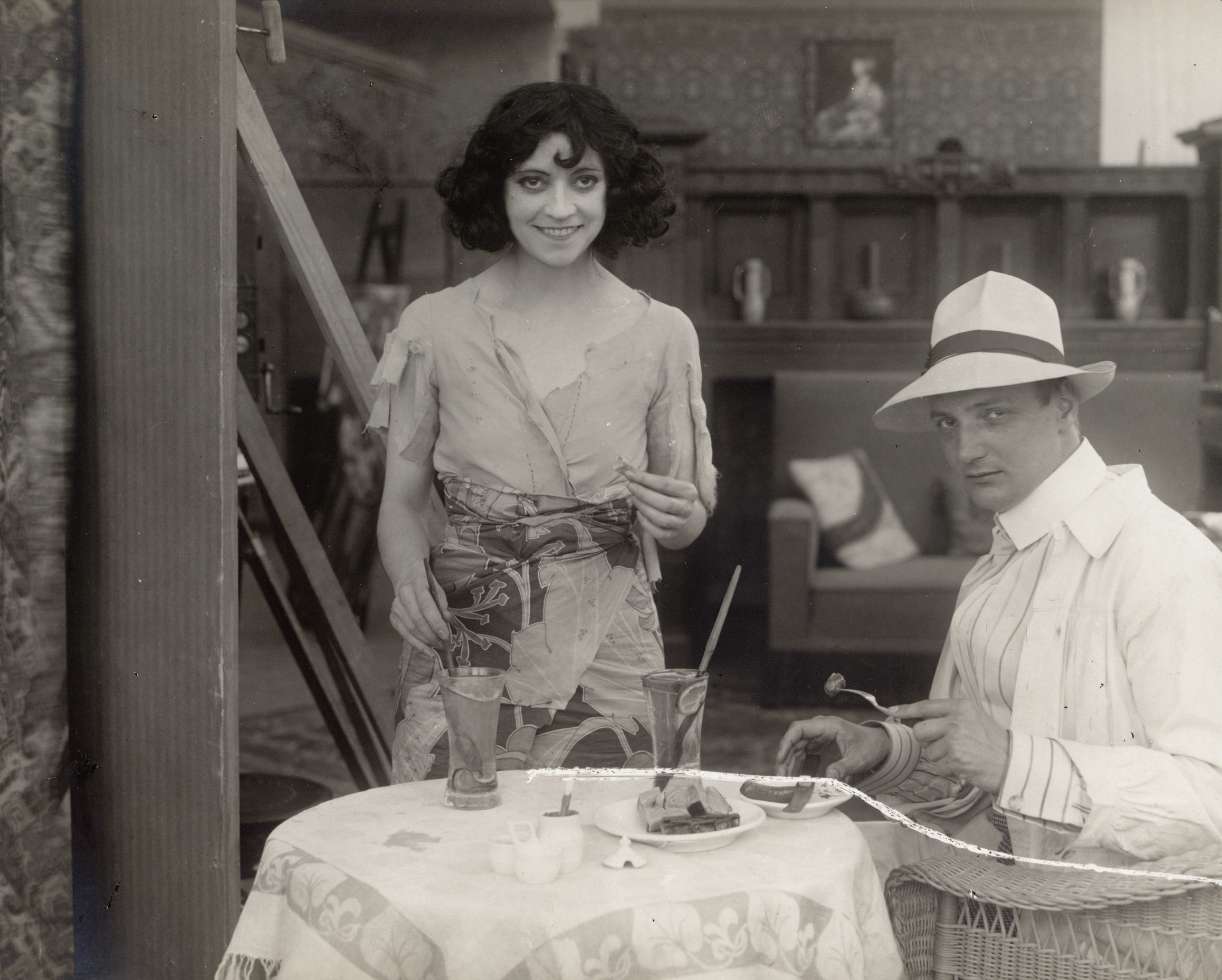
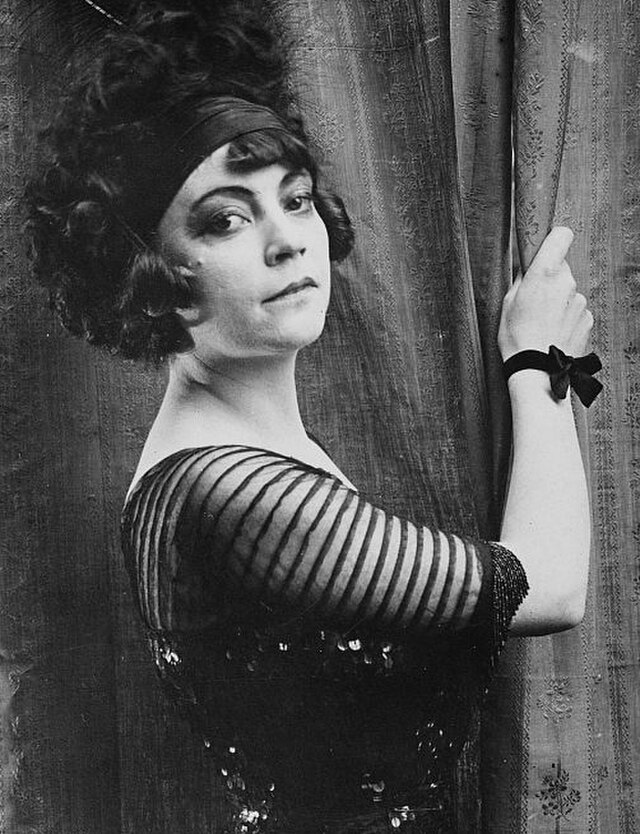
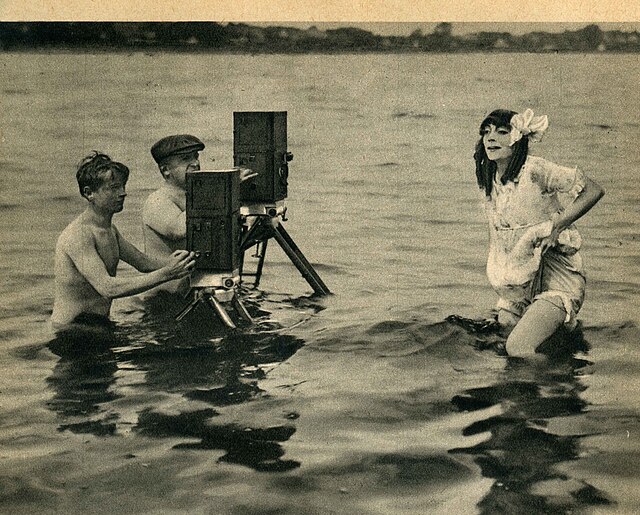
Success was so overwhelming that she moved to Germany, where the film industry was stronger. There, she became a phenomenon. It is estimated that before World War I, Asta Nielsen was the most famous actress in the world, competing in popularity only with Mary Pickford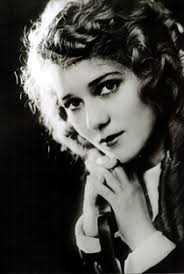 .
.
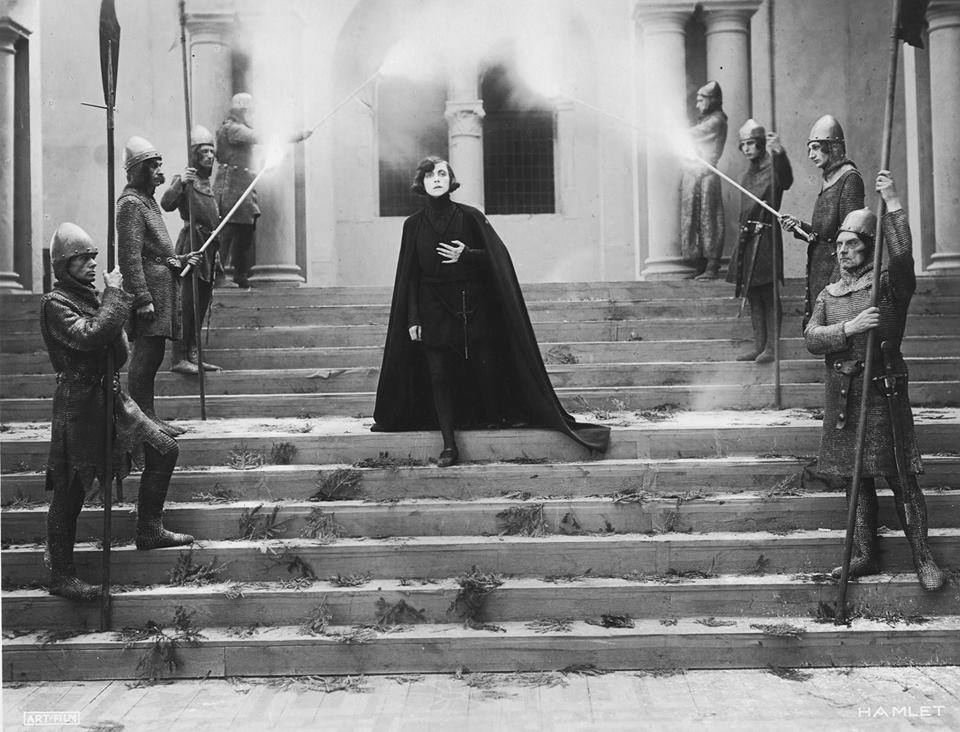
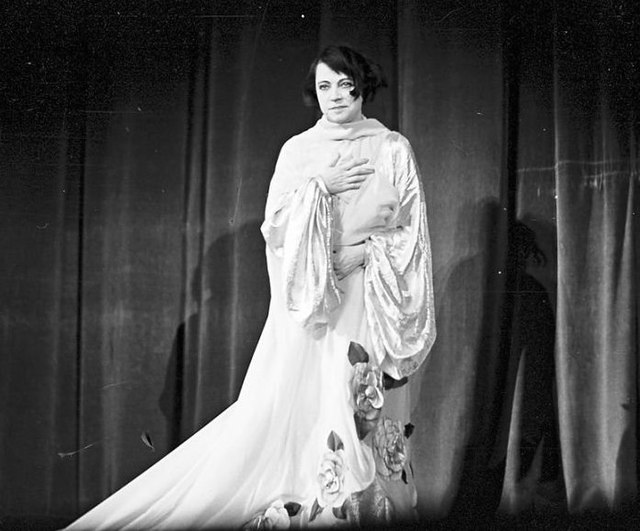
She was not just a studio employee. Asta was one of the first women to have her own production company, Art-Film. She chose her roles and controlled her image. In 1921, she shocked the world again by playing the lead role in Hamlet (Svend Gade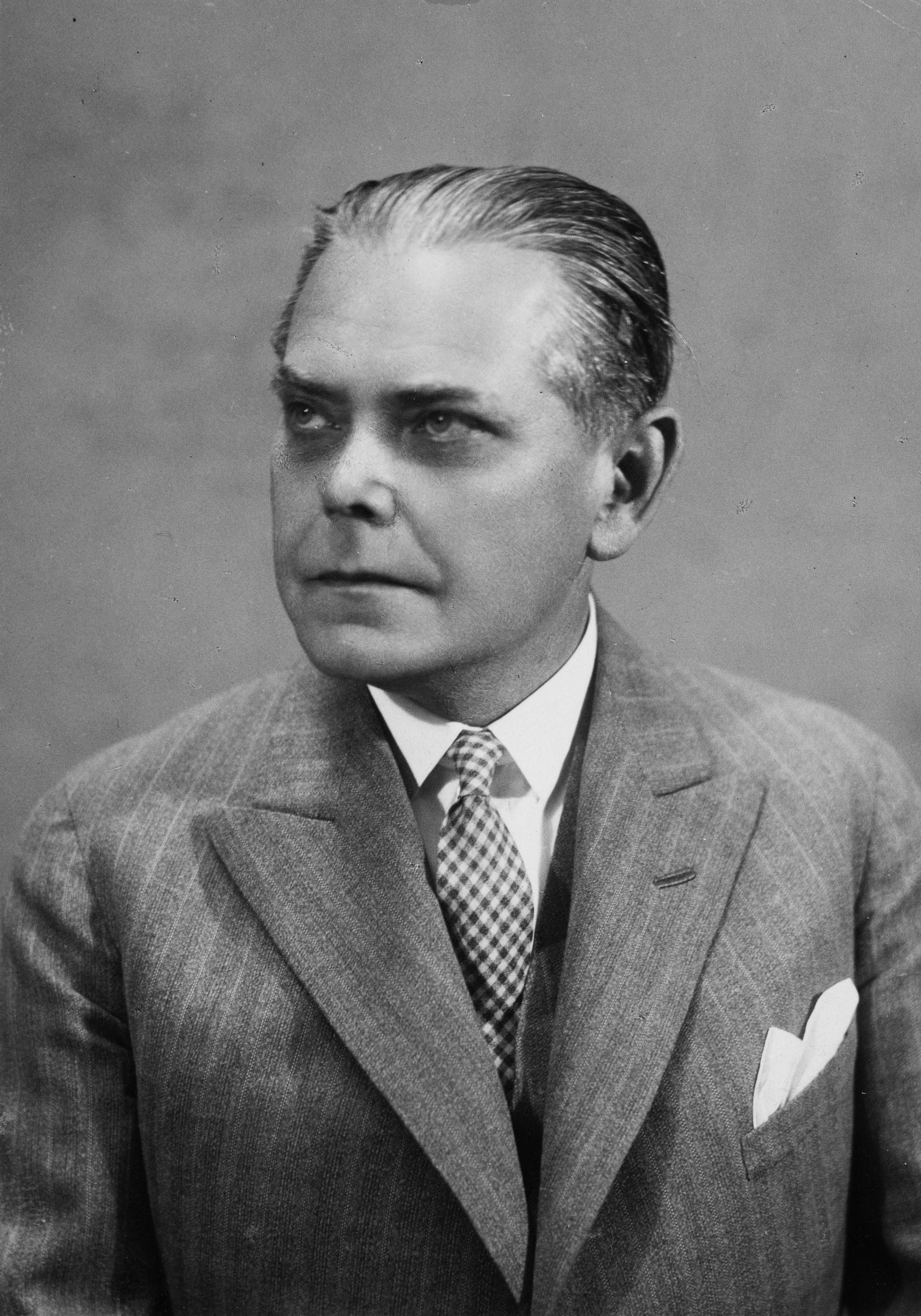 , Heinz Schall). Yes, she played the Prince of Denmark, bringing an interpretation that Hamlet was actually a woman disguised as a man to preserve the throne. It was a bold move of gender subversion decades before it became a mainstream agenda. As stated in an article on the Det Danske Filminstitut website, "Asta was a feminist ahead of her time," but she didn't make a fuss about it. But honestly, in the context of this series of articles on cinema stars, what matters is her talent and pioneering spirit as an actress.
The impact of Asta Nielsen's films was immediate and crossed borders with rare force. In a short time, she went from being just a successful actress to a true international star, adored by audiences from Denmark to Australia. During World War I, soldiers on both sides of the conflict pasted photographs of her in the trenches and wrote her letters of admiration.
Asta inspired poets and artists and fascinated the cultural avant-garde of the time. Critics did not spare praise, and many of her peers saw her acting as something as transformative for cinema as Charlie Chaplin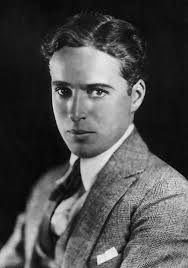 's comedy —each in their own way, redefining what it meant to act before the camera.
Even in the United States, where her films circulated with more difficulty —both due to erotic content and a distribution system unfriendly to imported productions— the critical reception was one of awe. Nielsen might not have dominated the American market, but she dominated the gaze of anyone who saw her on screen.
Nielsen and Garbo
Despite her sometimes androgynous look, it was not uncommon for her to be compared to Greta Garbo . However, according to some researchers, the truth is that Nielsen paved the way for Garbo's success.
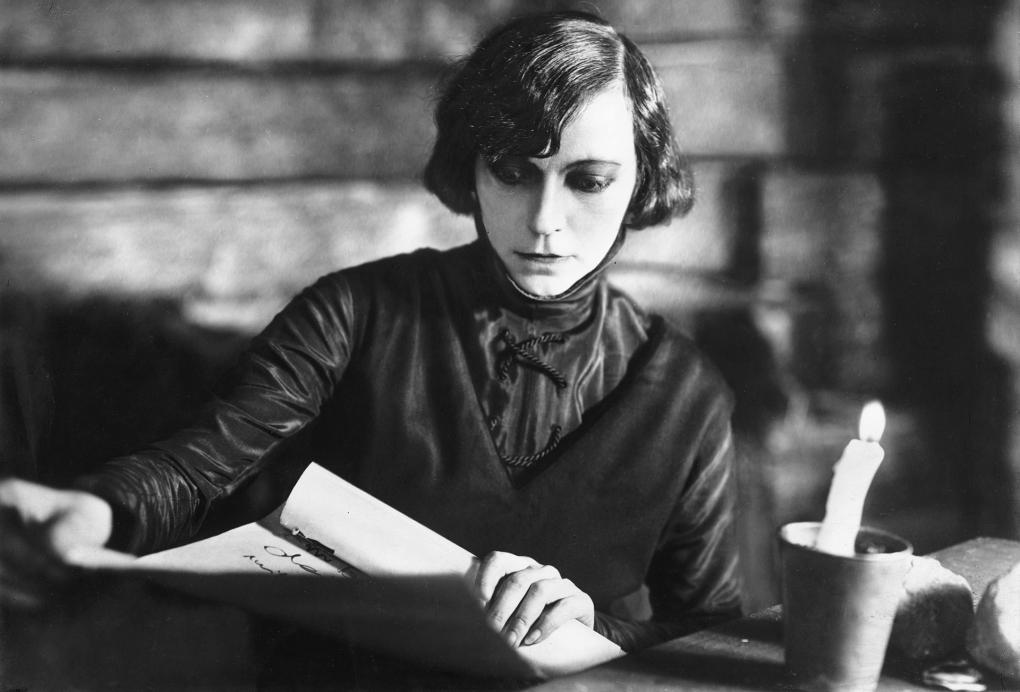
In 1925, the two acted together in the classic Die freudlose Gasse (Georg Wilhelm Pabst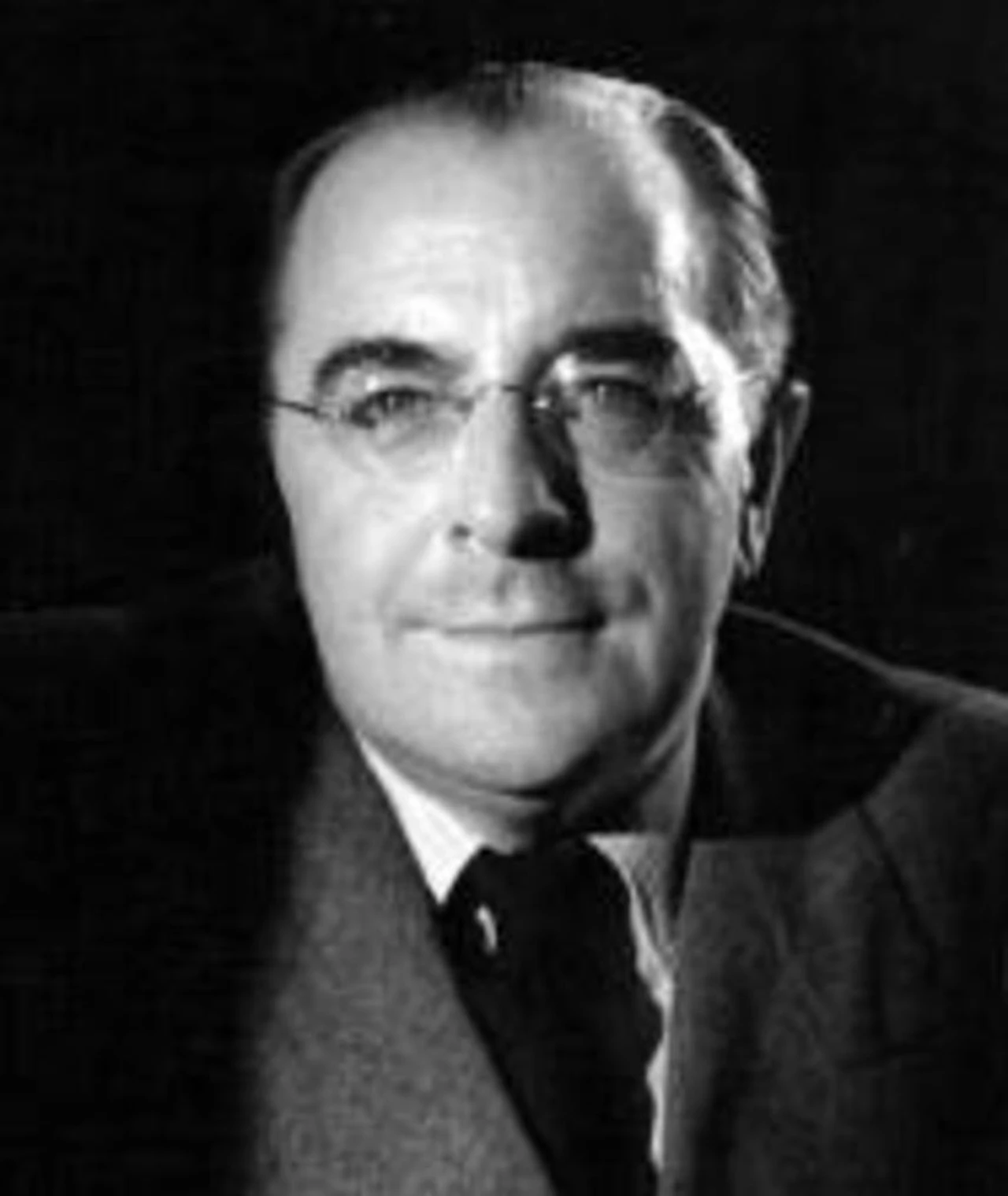 ). At the time, Asta was the established veteran, and Garbo the promising newcomer. Nielsen's melancholic and deep style was the foundation upon which Garbo built her career in Hollywood. Greta reportedly said in an interview that Nielsen taught her everything she knew.
Saying "No" to the Nazis and the Final Silence
With the arrival of sound cinema and the rise of the Nazi regime in Germany, Asta's career began to decline. In a famous historical anecdote, it is said that Joseph Goebbels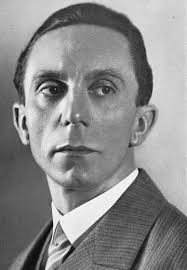 and Adolf Hitler
 himself tried to convince her to stay in Germany to be the star of Third Reich cinema, offering her her own studio. Asta, true to her principles, refused and returned to Denmark in 1937.
There, she discovered the world had moved on. Sound cinema did not embrace her in the same way, and she spent the rest of her life in relative obscurity, dedicating herself to writing her memoirs, art collages, and textile design. Her only film in the sound era was Unmögliche Liebe (1932, Erich Waschneck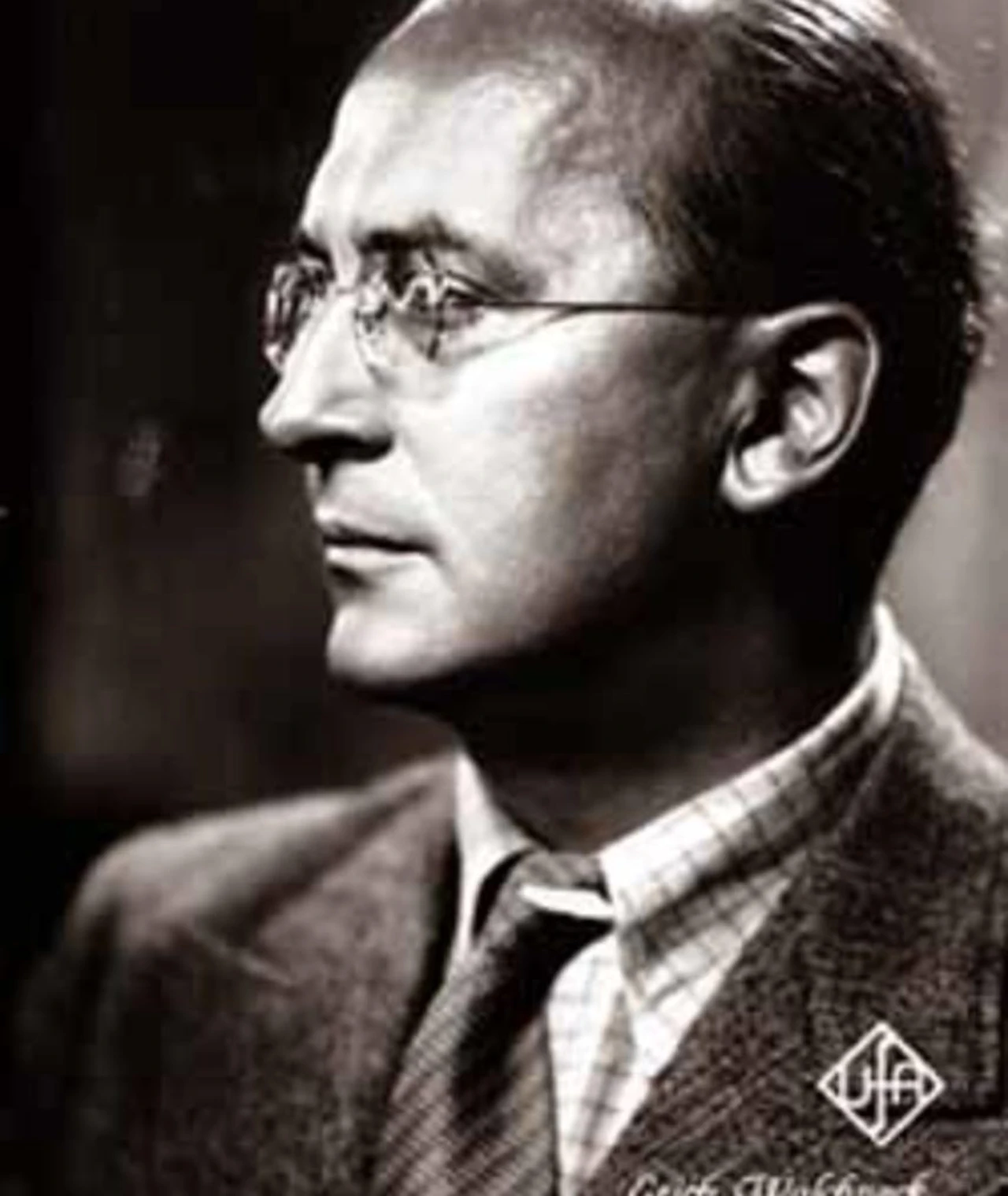 ), when she was 51 years old.
In 1961, Nielsen received the German film industry's medal of honor, and in 1963, she was awarded the German gold medal for achievement and an honorary award from the Danish government. In 1969, she received the Danish Writers' Prize for her memoirs, The Tenth Muse (Die Zehnte Muse).
She married for the third time at age 88 to an art dealer, Christian Theede, proving her vitality never left her. She passed away in 1972 at age 90 in Frederiksberg.
Click here to see her filmography on iMDB


Research Sources: Danish Film Institute (DFI), Stumfilm.dk, Fembio.org,