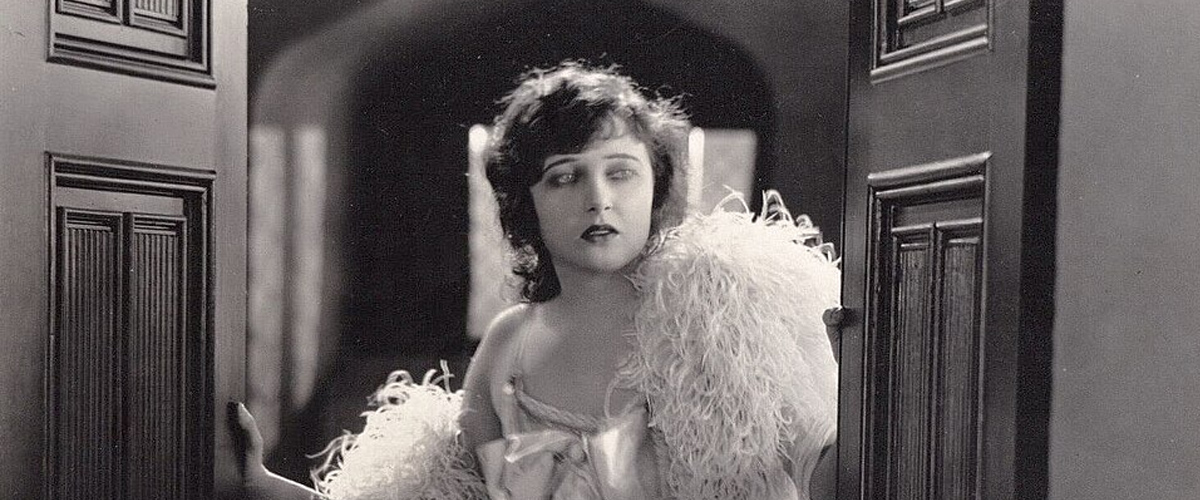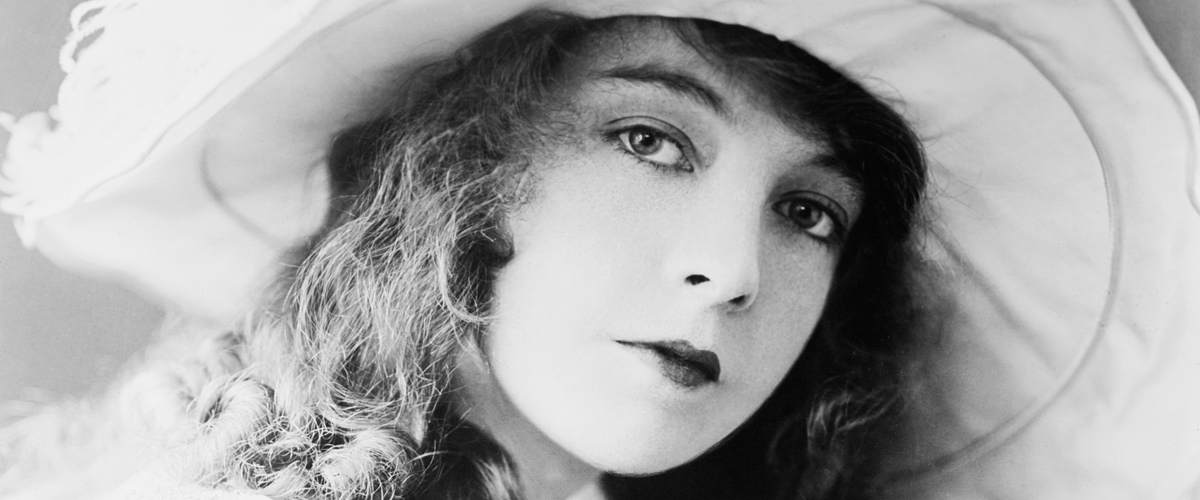
Lillian Diana Gish was born in Springfield, Ohio, on October 14, 1893. Her childhood was marked by family instability due to the alcoholism of her father, James Leigh Gish, who abandoned the family, leaving her mother, Mary Gish, with the challenge of supporting two daughters. The family moved to East St. Louis, Illinois, to live with Lillian's aunt and uncle, Henry and Rose McConnell.
Mary Gish, the Mother
Mary Robinson Gish, born on September 16, 1876, in Dayton, Ohio, used the surname McConnell before marrying traveling salesman James Gish. She was a stage actress and reportedly made small appearances as an extra in four film productions between 1912 and 1918, a period when her daughters were already acting in cinema.
Returning to the family drama, it is worth noting a piece of information that is a subject of divergence in sources regarding Lillian's life: on one hand, there are accounts that the mother and daughters moved to East St. Louis, Illinois—living with Lillian's aunt and uncle, Henry and Rose McConnell—after James abandoned them. Seeing a good opportunity, Mary supposedly opened a candy and popcorn shop right next to the Majestic Theater, called the Majestic Candy Kitchen.
However, some sources indicate that this shop was already owned by James Gish, and that the family was already living in East St. Louis when everything happened, meaning Mary simply took over the business rather than opening it on her own initiative.
Mary Gish passed away on September 17, 1948, having become an invalid with serious health problems.
The Early Career of the Gish Sisters
Some sources suggest the sisters went to live with another aunt, Emily, around 1910 in Massillon, Ohio. It was reportedly during this period, at St. Henry's School, that they began their contact with the theater, performing in school plays. However, there are also indications that they began acting in small theater productions while still in St. Louis.
The theater next to the candy shop burned down. It was the family's main source of income. Consequently, the mother and daughters moved to New York, where the Gish sisters became close friends with a neighbor, a girl named Gladys Smith, who would later become the star Mary Pickford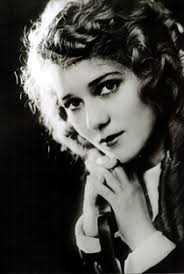 .
.
Lillian and Dorothy Gish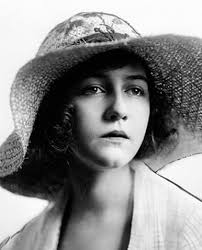 continued to dedicate themselves to the theater and began traveling, often separately, on tours with their respective companies. Both also worked as models; Lillian posed for the artist Victor Maurel in exchange for singing lessons. She also danced with Sarah Bernhardt in a New York production.
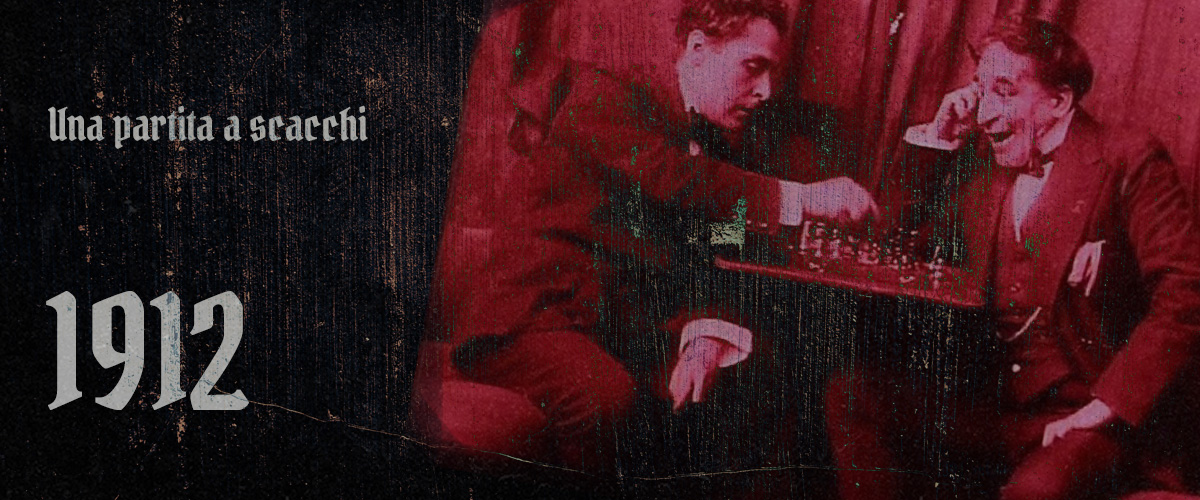
In 1912, the sisters went to Biograph Studios upon the recommendation of their now-famous friend, Gladys.
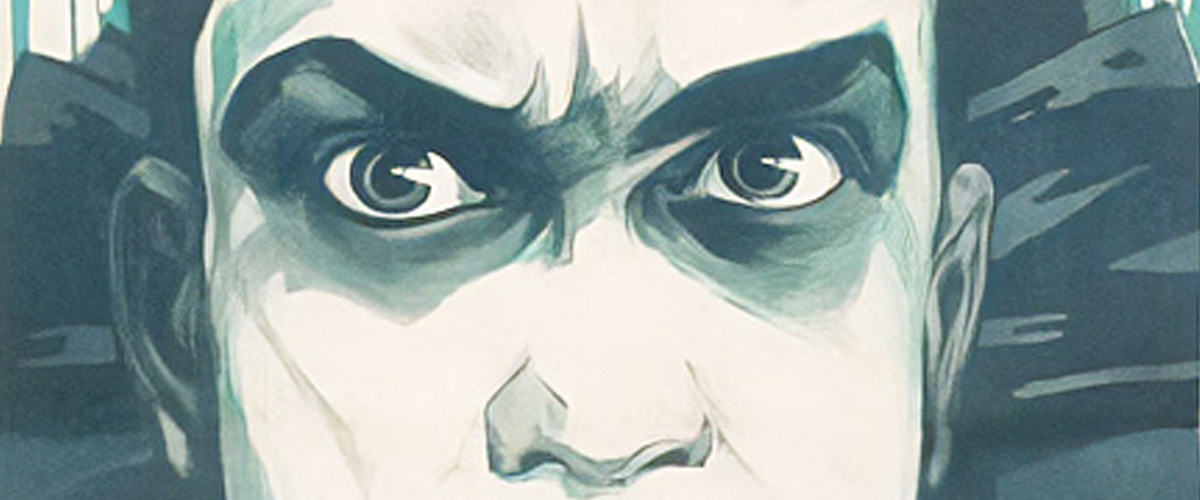
D. W. Griffith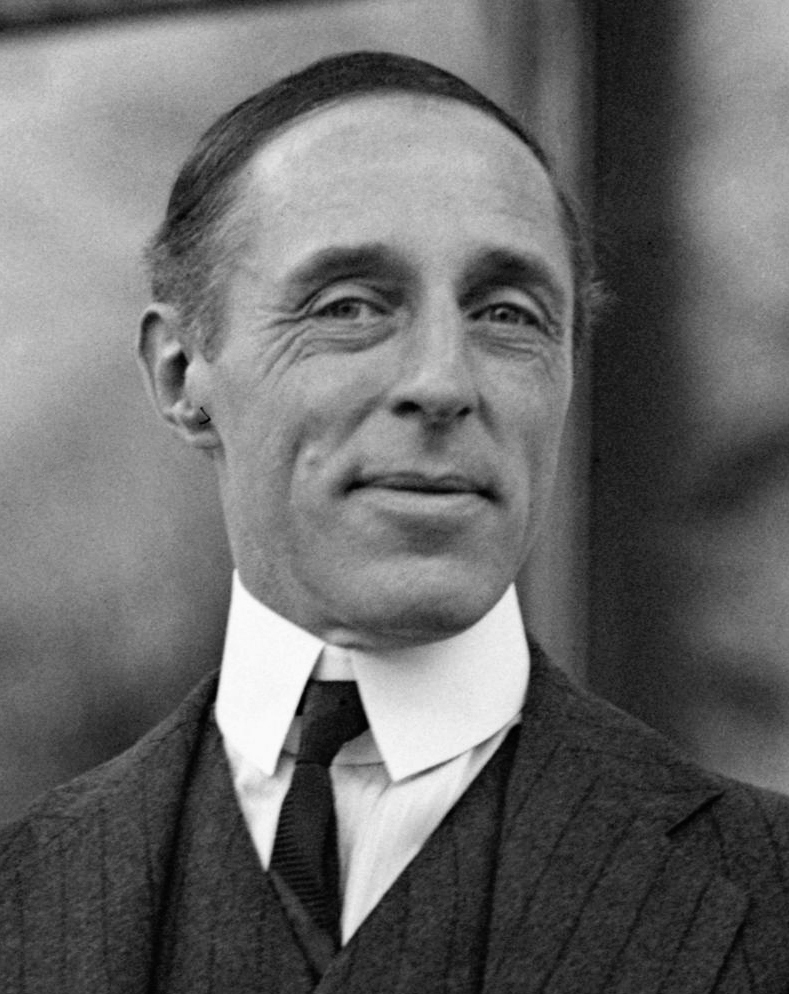 took an immediate liking to both, hiring them on the spot; Lillian and Dorothy debuted in An Unseen Enemy (1912). During this period, Lillian did not just act; she learned everything about editing and technique. Griffith was a demanding mentor. To elicit real reactions of panic from Lillian, he would sometimes fire guns with blanks on the set without prior warning.
Following her performances in The Musketeers of Pig Alley (1912) and The Mothering Heart (1913), Lillian won over many admirers. Due to her talent and being the more popular of the sisters, she became D. W. Griffith's muse, starring in The Birth of a Nation (1915) and Intolerance: Love's Struggle Throughout the Ages (1916).
Dangerous Dedication
Lillian's level of dedication to her performances bordered on the absurd. In Broken Blossoms (1919), for the scene where her character is terrified inside a closet, she spun and screamed with such intensity that Griffith himself stood in absolute silence on the set, impressed by the strength of that fragile-looking young woman.
The pinnacle of her physical courage was in Way Down East (1920). During the filming of the river scene, she insisted on not using a stunt double. She lay on the ice for hours; her hair froze in the water and had to be freed with warm water. As a result, Lillian lost part of the sensation in several fingers for the rest of her life due to frostbite.
On another occasion, while preparing for her character in La Bohème (1926), Lillian reportedly went three days without drinking or eating, reaching a point where the director, King Vidor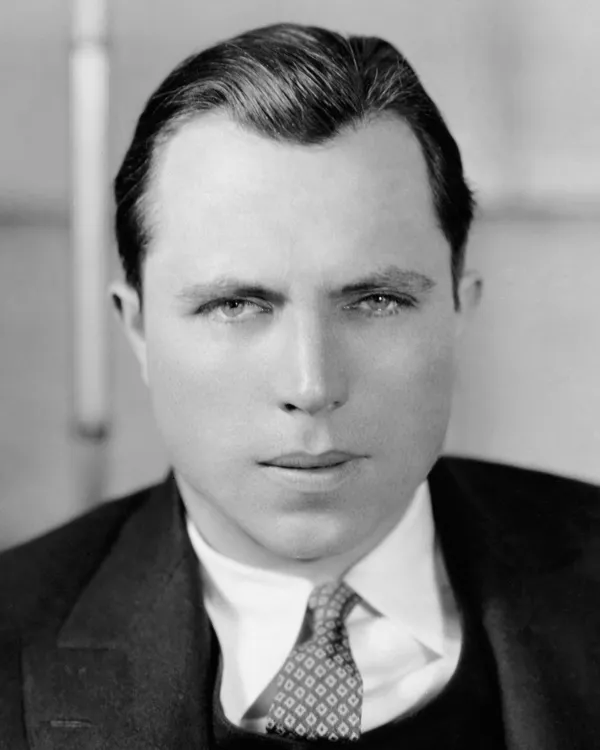 , feared the actress would follow the character's footsteps toward death.
In 1922, sensing that Griffith was stagnating, Lillian took charge of her career. She signed with Tiffany Productions and later, in 1925, with the giant MGM, which offered her a million dollars—an amount that today would easily equal 15 to 20 million. However, she turned down the money, asking for a smaller salary and a percentage of the box office. In exchange, the studio had to use the financial resources to increase the production quality of her films. Furthermore, she retained the right to choose her own directors and scripts. It was during this period that she brought Swedish director Victor Sjöström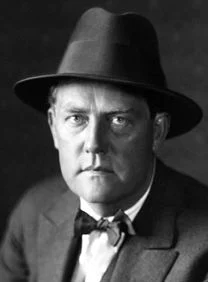 to direct The Scarlet Letter (1926) and The Wind (1928), a film she considered her best work in silent cinema, though it was considered nearly a commercial failure.
Lillian ventured slightly into screenwriting on two occasions and served as co-director once, alongside D. W. Griffith in Remodeling Her Husband (1920), where she directed her sister Dorothy.
Personal Life and the End of the Silent Era
Despite having famous suitors and a long-term relationship with theater critic George Jean Nathan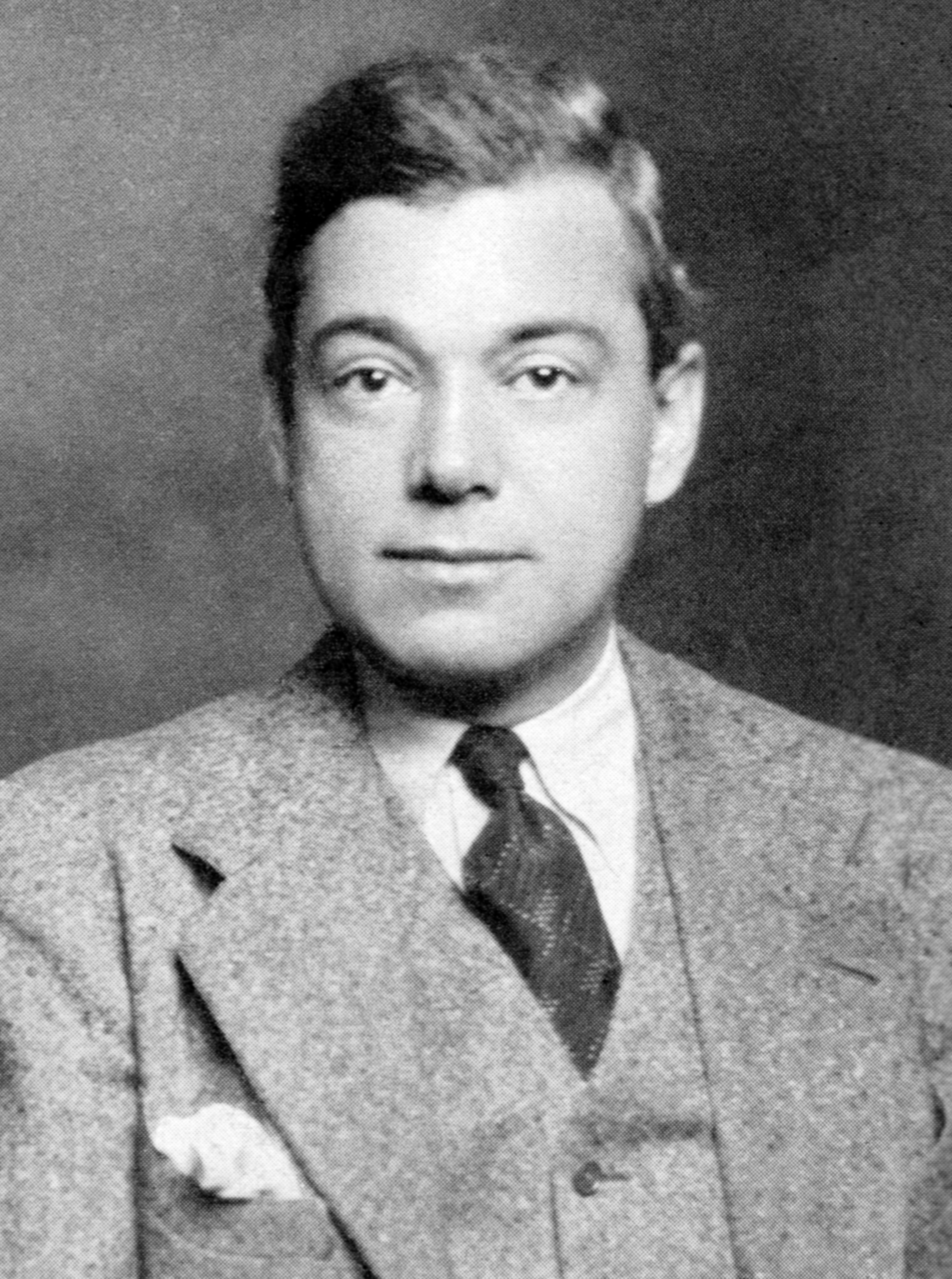 , Lillian never married. She stated that her career and caring for her mother and sister completely filled her life. Dorothy Gish, her sister, was her best friend, although the two had opposite personalities (Dorothy was more extroverted and focused on comedy).
Unlike stars who fell into obscurity with the arrival of sound cinema, Lillian redirected her career focus to the theater, where she became one of the most respected actresses, performing in dozens of plays, including classics by William Shakespeare and Anton Chekhov.
But the actress did not abandon the screen; on the contrary: her name can be seen in more than 40 film and TV productions—including guest appearances in series episodes. From small cameos to prominent roles in titles such as Commandos Strike Again (1942, John Farrow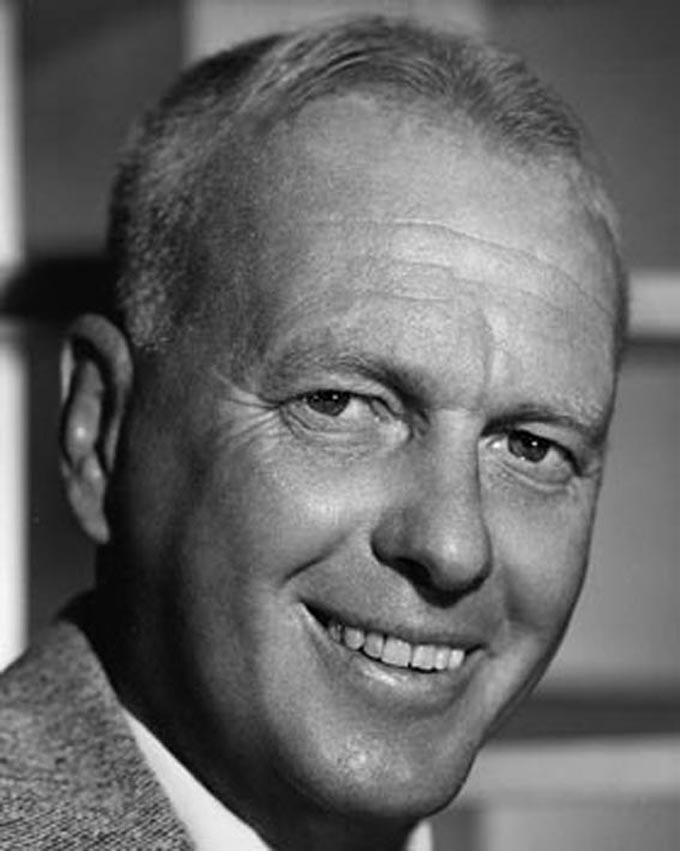 ), The Night of the Hunter (1955, Charles Laughton
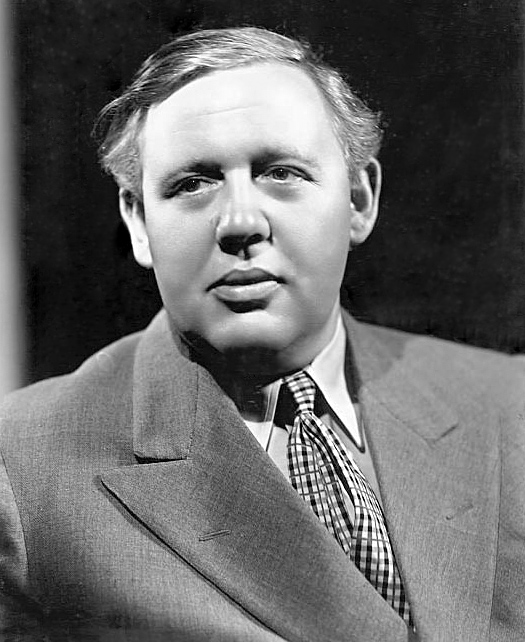 ) —with a performance that drew praise from many critics—among others.
For her role in Duel in the Sun (1946, King Vidor, Otto Brower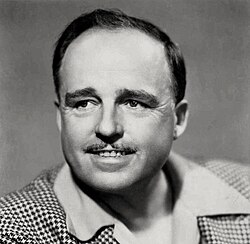 , and William Dieterle
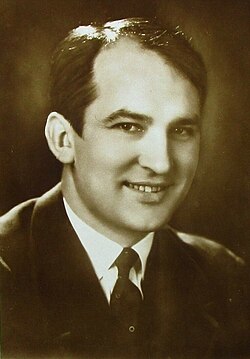 ), she was nominated for the Oscar for Best Supporting Actress.
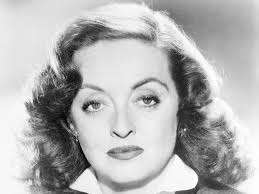
Her last appearance on the big screen was in The Whales of August (1987, Lindsay Anderson ), where she played the character Sarah Webber, starring alongside Bette Davis
 and Vincent Price
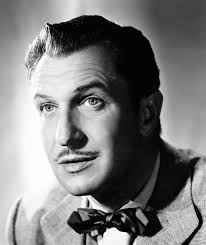 .
.
The Crusade for Memory
Gish dedicated her final decades to a solitary mission: saving silent films from decomposition. She traveled the world giving lectures, lobbying congresses and museums to ensure that nitrate films (which are highly flammable) were transferred to safe media. She famously said that silent cinema was "the universal language that could have united the world."
Legacy and Influence
Her restrained and expressive technique influenced subsequent generations of actors and has been recognized by critics and historians as one of the greatest dramatic actresses of silent cinema.
She received an Honorary Oscar for her “superlative artistry and distinguished contribution” and the Lifetime Achievement Award from the American Film Institute in 1984, when she was voted the 17th Female Legend of Classic American Cinema. She also received the Kennedy Center Honors . She has a star on the Walk of Fame at 1720 Vine Street.
In 1969, she wrote her autobiography The Movies, Mr. Griffith, and Me, followed by two more titles filled with her memories: Dorothy and Lillian Gish (1973) and An Actor’s Life for Me (1987).
Lillian passed away on February 27, 1993, in New York, at the age of 99.
She left her entire estate to create a trust for the preservation of the arts, ensuring that her love for cinema would live on long after her departure.
Los Angeles Times - Hollywood Star Walk, Silent Era - People, Silent Films Fandom, iMDB