



Series or Serial?
Before moving forward, it is worth clarifying the terminological distinction —a common confusion even among critics and historians. A series is composed of episodes interconnected by a continuous narrative arc, in which events accumulate and transform the story over time. There are, naturally, variations within this model. Some are anthologies, completely renewing the plot, characters, and setting each season —such as American Horror Story (2011–), Black Mirror (2016–), and True Detective (2014–). Others maintain a continuous narrative line for years, such as Game of Thrones (2011–2019), The Walking Dead (2010–2022), Stranger Things (2016–), and Fallout (2024–).
Serials —also called procedural productions— do not rely rigidly on continuity. In them, the central conflict is usually resolved within the episode itself, allowing the viewer to watch standalone chapters without losing the overall understanding. Classic examples include Bonanza (1959–1973), Ultraman (1966–), Zorro (1957–1959), Law & Order (1990–), and CSI (2000–2015), among many others.
Here lies an interesting observation: wouldn't Black Mirror be a serial then, since its stories end in a single episode?1 At first glance, yes. However, the classic concept of a serial presupposes fixed characters and, most often, recurring settings—something Black Mirror deliberately avoids. Even though there are cross-references, the reuse of fictional companies, or subtle mentions between episodes, each narrative is autonomous. Therefore, the production fits more accurately into the category of an anthology series.
Having made this distinction —which, let's be honest, matters little to those who just enjoy watching— we can move on.
Although the examples cited are contemporary —chosen here merely for ease of understanding— the Silent Marathon article series focuses on serial productions made for cinema, with occasional forays into radio and television.
Serial, chapter, and the birth of the cliffhanger
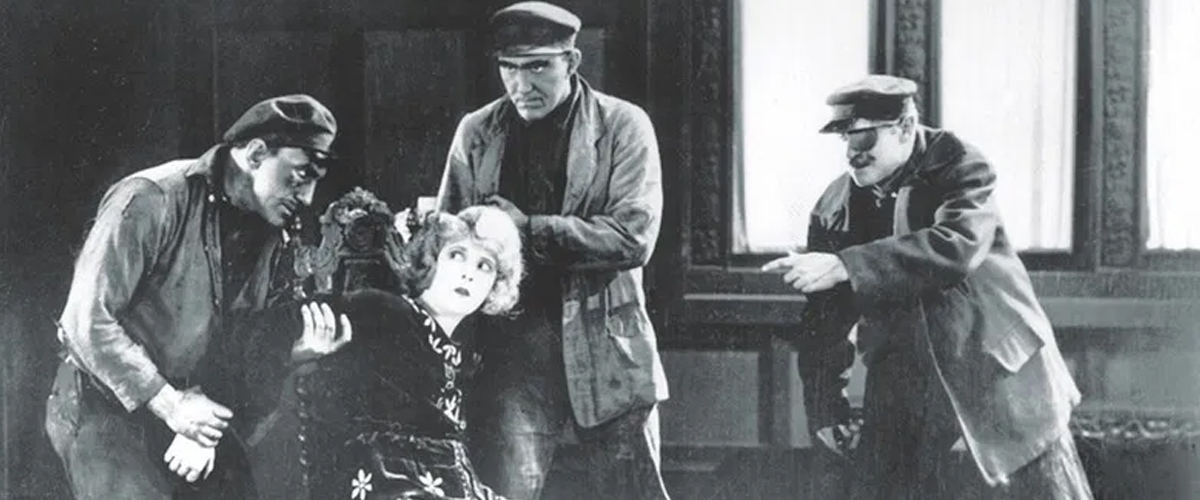
In classic cinema, the most commonly used term was not "series" but simply serial or chapter play. Each episode was called a chapter, exhibited weekly, almost always ending with the hero in imminent danger. From this practice, a term was born that crossed generations: cliffhanger —literally, "hanging from the cliff."
The goal was simple and efficient: to ensure the audience's return the following week. If today the viewer automatically clicks "next episode," in the early 20th century they had to return to the cinema to find out how the protagonist would escape yet another seemingly fatal trap.
The origin of the "binge-watching" habit
The passion for serialized narratives was not born with streaming —not even with television. Although Netflix popularized the term "binge-watching," this behavior already enchanted our ancestors long before the existence of TV.
However, an important observation must be made. Obviously, the early 20th-century audience did not "binge" episodes as we do today, watching several chapters in a row. What existed was a marathon diluted over time: the weekly, almost ritualistic commitment to return to the theater to follow the next chapter of the story. It was not about continuous consumption, but about continuous loyalty —and the psychological effect was the same. And the wait was part of the experience.
Serials were exhibited regularly on weekends, attracting entire families to projection rooms. Meanwhile, radio series gathered listeners around vacuum-tube sets that, besides being functional, were true pieces of furniture and domestic pride.
The origin of this structure, however, is literary. In the 19th century, authors like Charles Dickens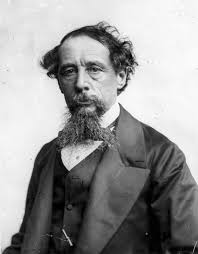 and Alexandre Dumas
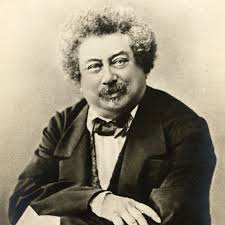 published extensive novels in a fragmented way in newspapers and magazines —the famous feuilletons. Each chapter ended with a narrative hook, forcing the reader to buy the next edition. The psychological mechanism was the same: expectation, anxiety, and building loyalty. From the newspaper to radio, and from radio to cinema, the leap was natural.
Economics, matinees, and the youth audience
Film serials also followed a very clear economic logic. They were generally low-cost productions, with reused sets, fixed casts, and standardized narrative structures. In return, they guaranteed something precious to exhibitors: weekly attendance.
These productions found fertile ground in matinees, especially aimed at children and youth. Going to the cinema every Saturday became a ritual, and characters like Flash Gordon, Buck Rogers, Zorro, and Tarzan grew not only as adventure heroes but as formative myths for generations. Many adults, it's worth noting, accompanied these sessions by proxy —and ended up equally hooked.
Cinema and the pioneering spirit on television
Cinema was primarily responsible for the visual consolidation of serialized narratives. Even in the silent era, enormously popular productions established the format, such as The Perils of Pauline (1914), The Son of Tarzan (1920), and Tarzan: The Tiger (1929), among many others that will be covered throughout this series... since 1908, it should be noted, in French cinema —even though Americans claim the first film serial was a 1912 work of theirs.
Nevertheless, it is impossible to ignore the role of television in this process of heritage and transformation of the format. Here is a small curiosity —or provocation...
There is a widely spread myth —replicated even by specialized websites and renowned researchers— that I Love Lucy (1951) was the first series in TV history. While Lucille Ball was indeed a revolutionary figure in television language, it would be historically more accurate to grant the title of first series to the English production Pinwright’s Progress, broadcast by the BBC in London between November 29, 1946, and May 16, 1947. With ten thirty-minute episodes, broadcast live, the series followed the daily life of the world's smallest department store, the fictional Macgillygally’s, starring James Hayter
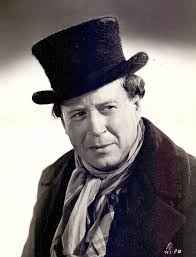 .
.
I Love Lucy inherited the fame not for chronological pioneering, but for being the first major global audience phenomenon, in addition to introducing decisive technical innovations: 35mm film recording, the use of a three-camera system, and the presence of a live audience, under the production of Lucille Ball and Desi Arnaz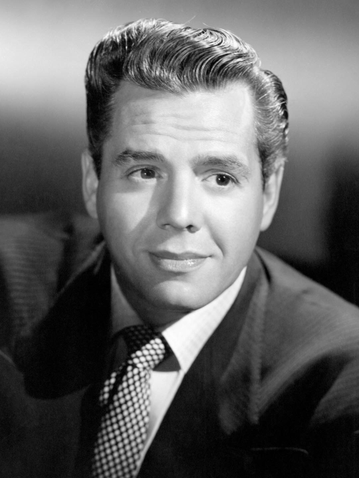 .
.
When television became popular, especially from the 1950s onwards, it hardly needed to invent anything. It inherited from cinema the episodic structure, narrative hooks, character archetypes, and even entire professionals —writers, directors, and actors naturally migrated to the new medium. Cinema, in turn, gradually abandoned the serial format, concentrating its efforts on feature films instead.
Final considerations
It is practically impossible to catalog all film serials produced around the world —especially because much material has been lost over time, particularly in countries that did little to preserve their cultural history, such as Brazil, for example.
This series of articles, therefore, presents a selection made with much effort and dedication —an amateur research, it must be said— started long before the emergence of AI as support tools. Obviously, today I make use of these resources to consolidate and complement information, but this investigation began around 2015, around the same time I started my research on humor in silent cinema —a theme for another story.
In short, there is no pretense here of offering a definitive survey, but rather a contribution so that this rich chapter of entertainment history is not forgotten.
And, as the old posters hanging by cinema doors would say…
To be continued in the next episode!
Research Sources: British ComedyGuide, BritishFilm Institute, iMDB