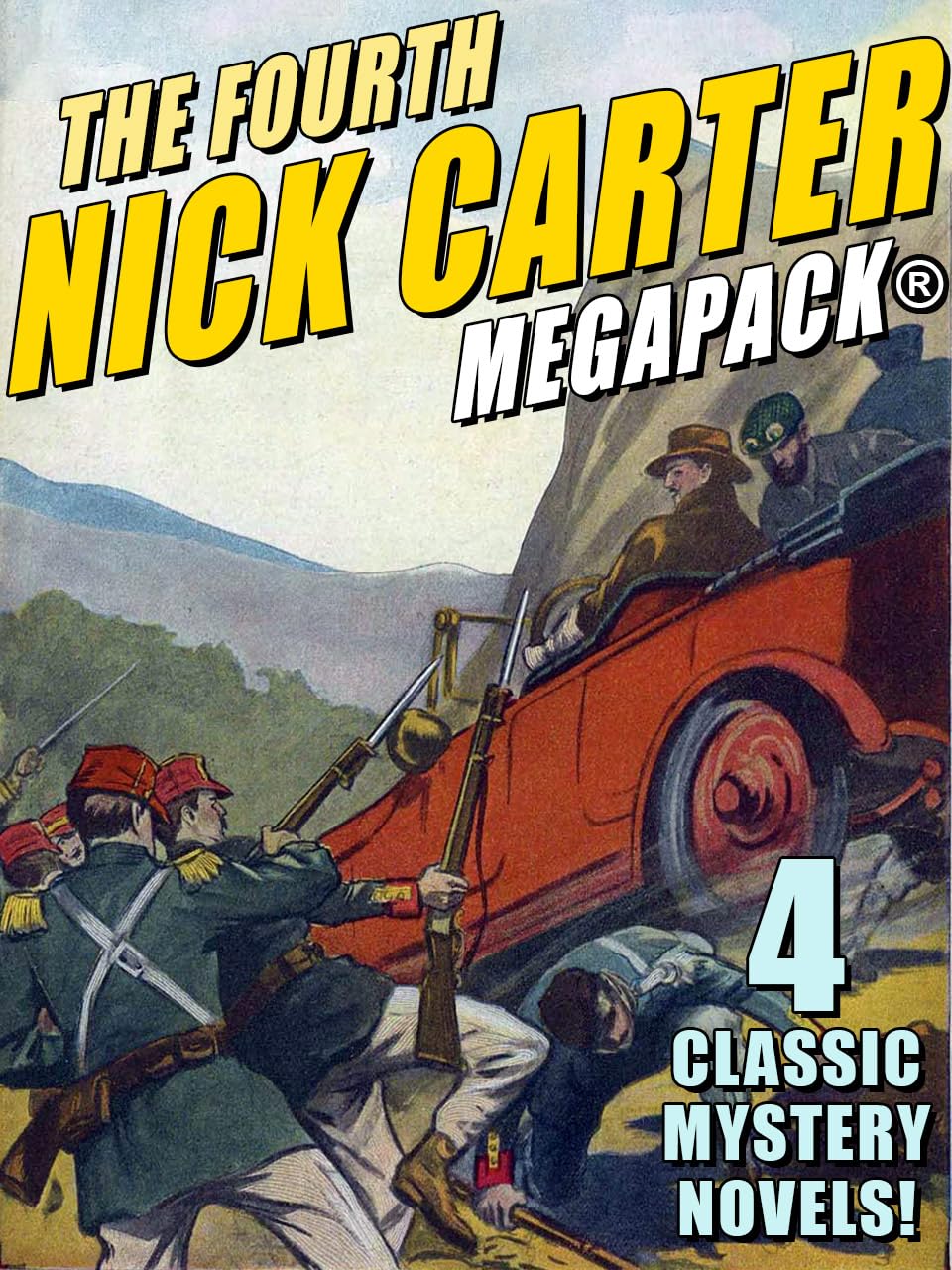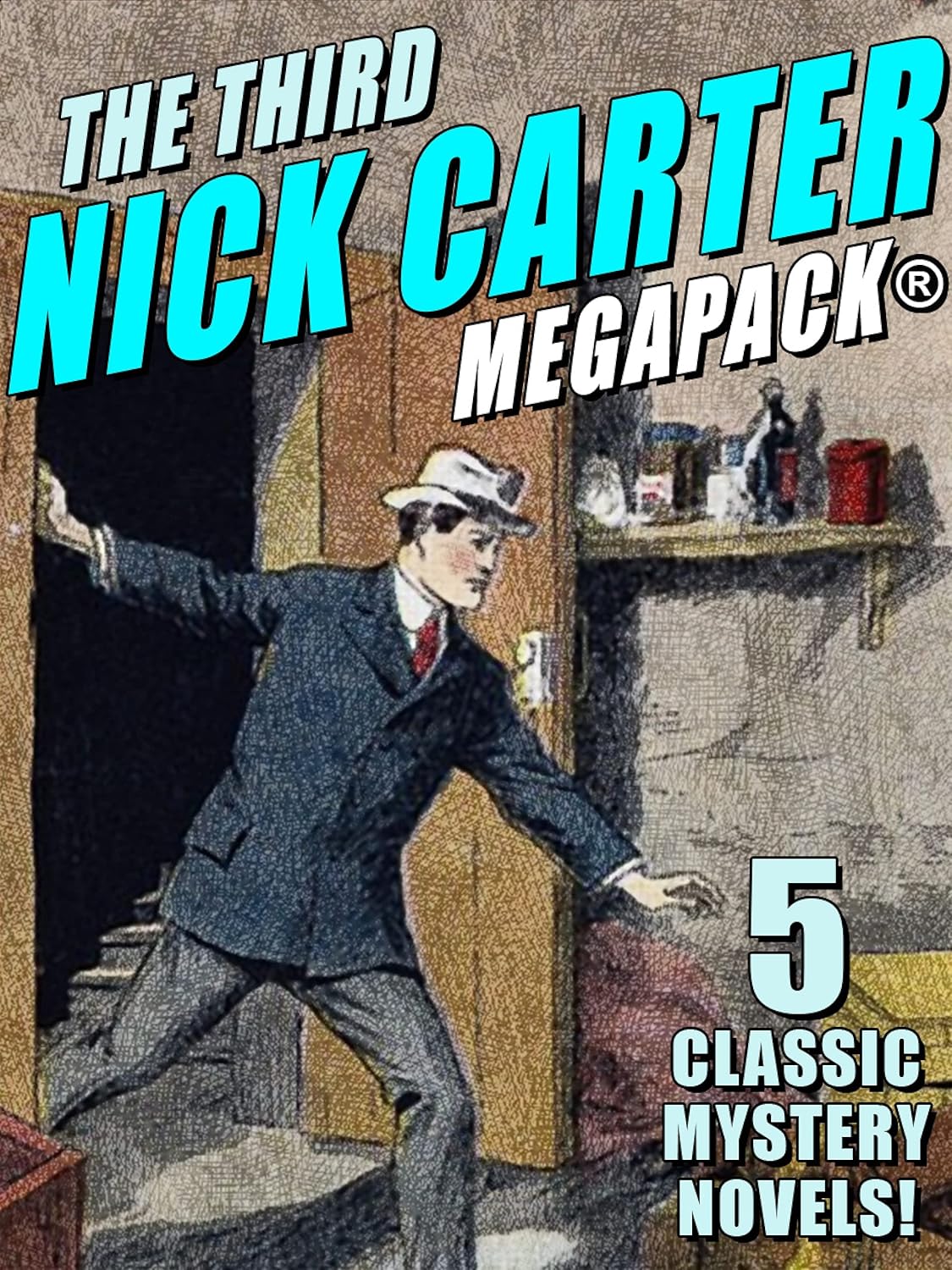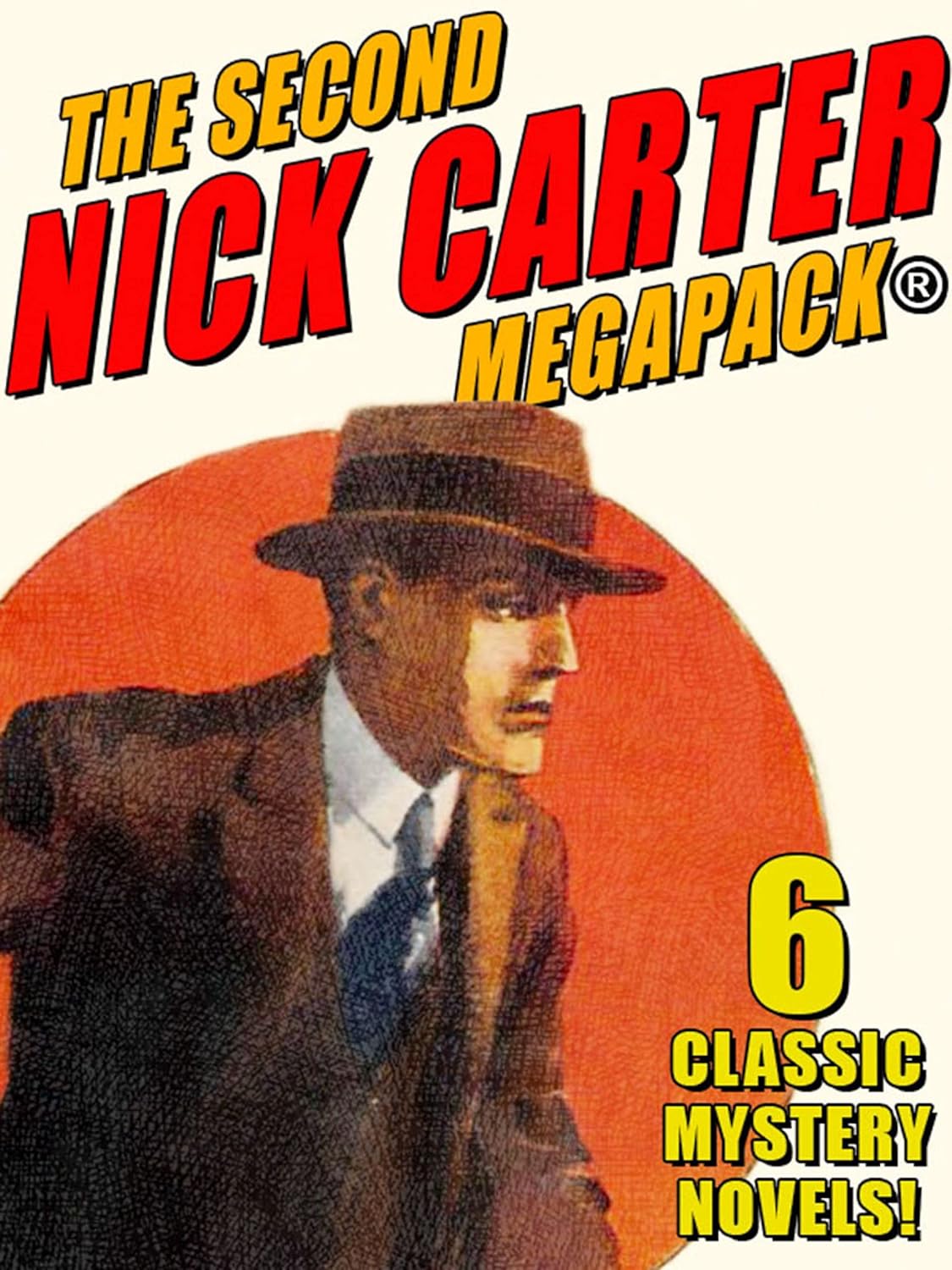
The series is based on the character Nick Carter, created by Ormond G. Smith , son of one of the founders of Street & Smith Publications. The publisher was responsible for the New York Weekly, a kind of literary magazine that circulated between 1846 and 19151, the place where the character first appeared. In 1903, he earned his first solo publication, Nick Carter Weekly, by the same publisher.
Although the creation is credited to Ormond G. Smith, the detective's adventures over the years were written by various authors using the pseudonyms Nicolas Carter and Sergeant Ryan. Among them: John R. Coryell (the first to write his stories), Frederick Van Rensselaer Dey, Thomas C. Harbaugh, George C. Jenks, Eugene T. Sawyer, Charles Westerbrook, and Richard Edward Wormser.
In the book Nick Carter: America's Greatest Detective – Volume 9: The Prison at the Bottom of the Lake and Dynamite Attack (Ediouro Publishing, 1984), the preface author, Assis Brasil, describes the detective as follows:
“Nick Carter is part of the gallery of great detective novel characters. American by birth, he is as famous as the Englishman Sherlock Holmes. Some even say that Nick Carter was created as the New World's response to the detective imagined by Conan Doyle. Although both share the same great deductive capacity—an essential quality for solving a crime—Nick Carter has an advantage over Sherlock Holmes: he possesses extraordinary strength and great skill in defending himself in fights of any kind. Another striking quality of Nick Carter is disguise, one of the most captivating details of his adventures (...) He was the master of disguise...”
In other words, he was a perfect character for cinema. So much so that the detective would star in dozens of big-screen productions, not to mention radio and comics. But it was in France, in 1908, that he first reached the screen.
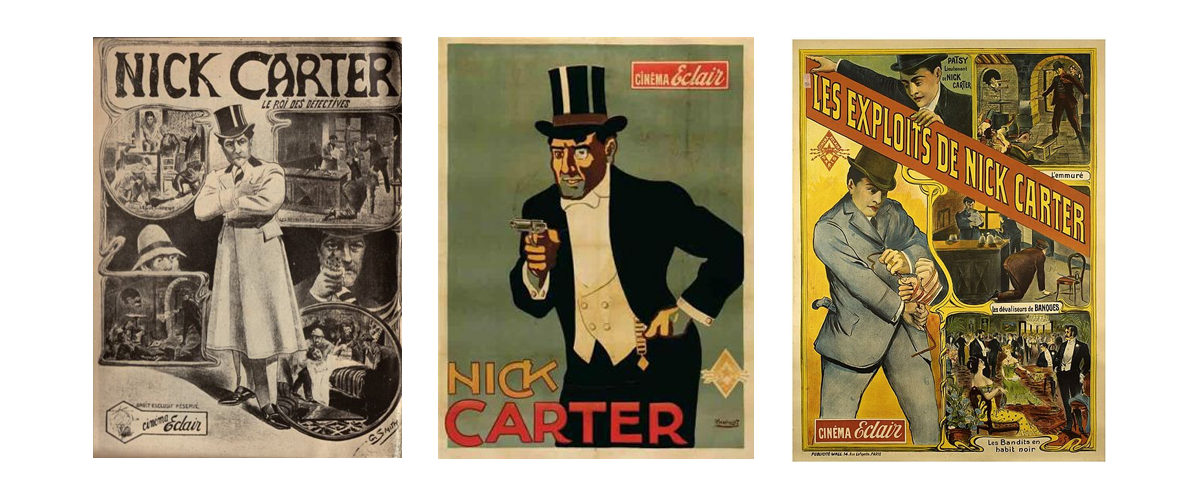
The 1908 French adaptation was produced by Société Française des Films Éclair, one of the most important companies in early European cinema, and directed by Victorin-Hippolyte Jasset , a filmmaker associated with the consolidation of the serial crime film. The production took advantage of the episodic structure already established in print serials, with stories divided into independent chapters but connected by recurring characters and suspenseful situations.
Each episode featured investigations, chases, and traps, exploring real urban settings and a fast narrative pace—features that helped establish fundamental conventions of the crime genre in cinema. Nick Carter's serial is now considered one of the early milestones of the cinematic serial format, anticipating narrative practices that would become common in the following decades.
In addition to playing detective Nick Carter in other productions, Pierre Bressol (1874-1925) would portray another famous detective, Nat Pinkerton, in another film series. Bressol acted in at least 67 productions until 1924; he directed 49 films and wrote five.
 |
| TECHNICAL SHEET | ||||
|---|---|---|---|---|
| In Brazil: Nick Carter: o rei dos agentes de polícia | ||||
| Genre: Crime / Detective | ||||
| No. of Episodes: 6 | ||||
| Production Company: Société Française des Films Éclair | ||||
| First Screening: September 8, 1908 (France); November 3, 1908 (Brazil) | ||||
| Color and Sound: Black and white; silent (French intertitles) | ||||
| Cast: Pierre Bressol (Nick Carter) | ||||
| Click to view the entry on iMDB | ||||
| EPISODES | |||
|---|---|---|---|
| No. | Original Title | Date | Direction |
| 01 | Le guet-apens | 08/09/1908 | Victorin-Hippolyte Jasset |
| 02 | L'affaire des bijoux | 22/09/1908 | Victorin-Hippolyte Jasset |
| 03 | Les faux monnayeurs | 06/10/1908 | Victorin-Hippolyte Jasset |
| 04 | Les dévaliseurs de bank | 20/10/1908 | Victorin-Hippolyte Jasset |
| 05 | Les empreintes | 27/10/1908 | Victorin-Hippolyte Jasset |
| 06 | Les bandits en noir | 15/11/1908 | Victorin-Hippolyte Jasset |
Research sources: University of California Libraries; Cinémathèque Française; iMDB; Nick Carter: America's Greatest Detective – Volume 9: The Prison at the Bottom of the Lake and Dynamite Attack (Ediouro Publishing, 1984)