Estronho e esquésito

cinema, literature and oddities


Beyond the Scene

This section gathers everything that sustains the spectacle without, necessarily, occupying the center of the frame. Here the focus is on aesthetics, objects, creative solutions, and the resources that shaped the audiovisual experience over time.

In the CineArte Vintage series, the focus shifts to the graphic art of cinema —posters and images designed to seduce even before the screening begins. In Legendary Machines, we revisit cars, robots, and other machines that earned a central place in stories and the audience's imagination, becoming affective references as striking as the characters themselves. Meanwhile, Long before CGI explores the tricks, effects, and visual solutions conceived when imagination had to compensate for the absence of digital tools.

Together, these series treat what is usually seen as an accessory not as a behind-the-scenes curiosity, but as an essential language of the audiovisual world.

<p>Posters from 1895 to 1909</p>

CineArte Vintage

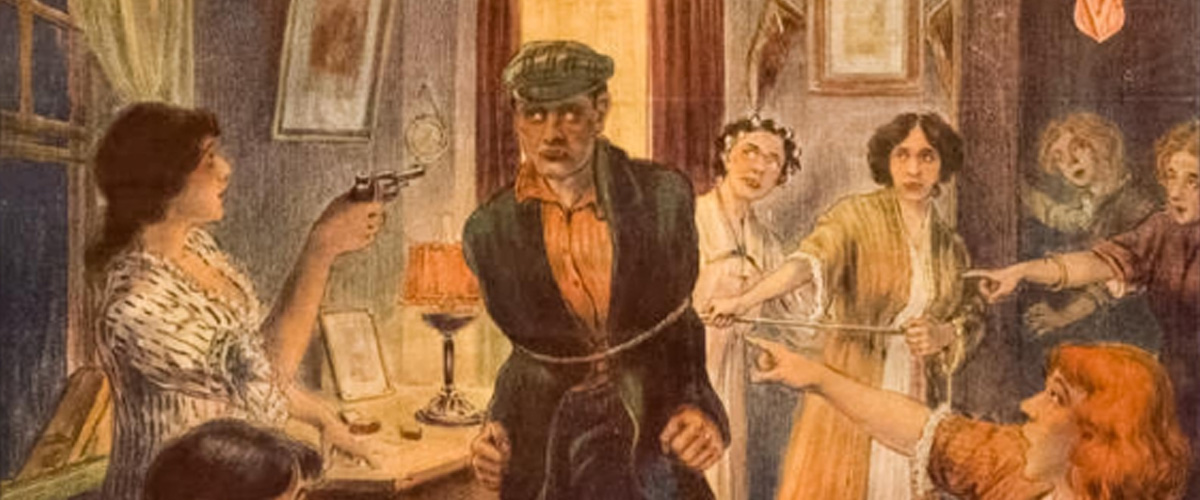
Posters from 1895 to 1909

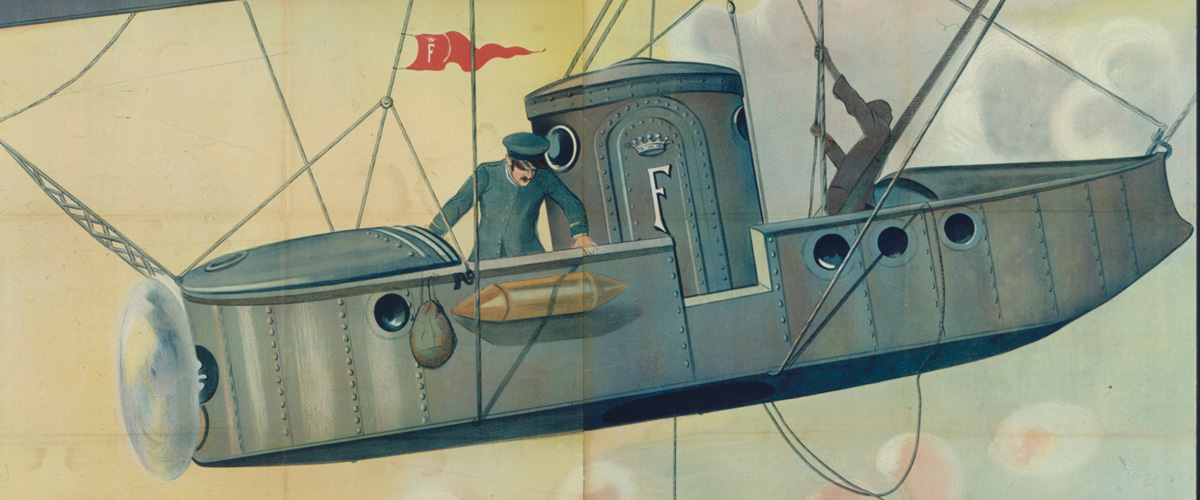
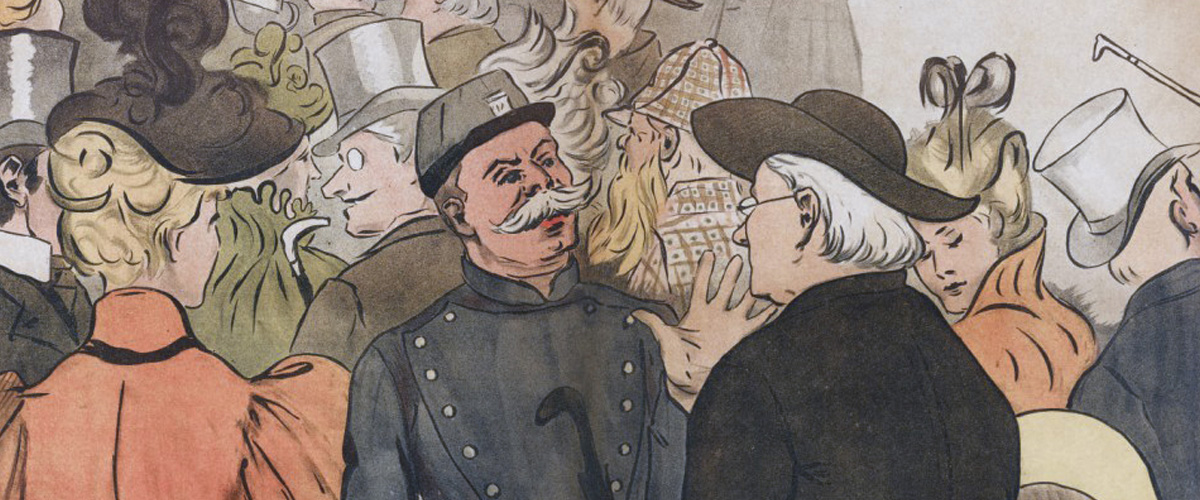
In the late nineteenth and early twentieth centuries, the so-called “Cinema Painters” created posters heavily influenced by theatre and circus posters. The goal was not merely to inform audiences about the film, but above all to create a visual impact capable of attracting the public, highlighting titles and slogans. In some cases, scenes from the films themselves appeared on the posters, allowing audiences to judge whether the work was suitable for the whole family.
By Marcelo Amado January 06, 2026
Read more...
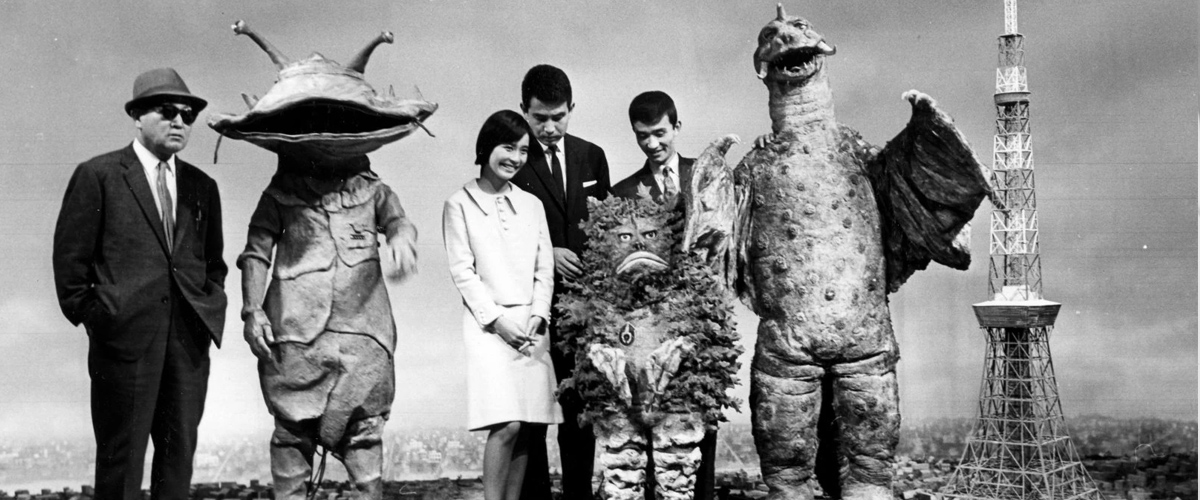
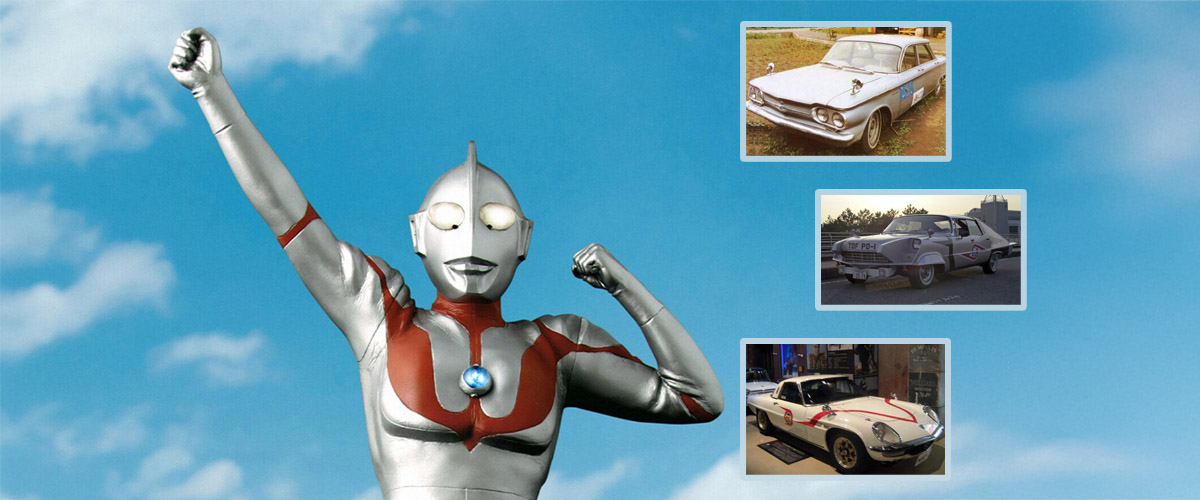
The Vehicles of the <i>Ultraman</i>

Legendary Machines
The Vehicles of the Ultraman

Ultraman is one of the pillars of Japanese tokusatsu. Produced by Tsuburaya Productions, the franchise spans decades combining giant heroes, bizarre monsters, practical effects, and something that always caught the attention of children (and many adults too): incredible vehicles. From futuristic jets to improbable tanks, the cars used by the defense teams became an essential part of the Ultra Series’ identity.

By Marcelo Amado January 10, 2026
Read more...
Posters from 1910 to 1912

CineArte Vintage
Posters from 1910 to 1912

Gradually, producers of short, medium, and feature-length films began to understand the importance of posters in promoting their works. We will see examples ranging from the simplest — such as the poster for the short film Frankenstein (1910, J. Searle Dawley), produced by Edison Studios and distributed by the Edison Manufacturing Company — to works that, if the typography were removed, could easily be mistaken for paintings worthy of prominent display in an art museum.

By Marcelo Amado January 13, 2026
Read more...
<p>Posters from 1913</p>

CineArte Vintage

Posters from 1913

We continue our journey through the art of movie posters. In 1913, the number of productions around the world increased significantly, and the volume of posters followed this evolution. Unfortunately, as with previous years, much has been lost over time or survives in fragmented form, awaiting recovery and study in museums and specialized archives./p>

By Marcelo Amado January 20, 2026
Read more...
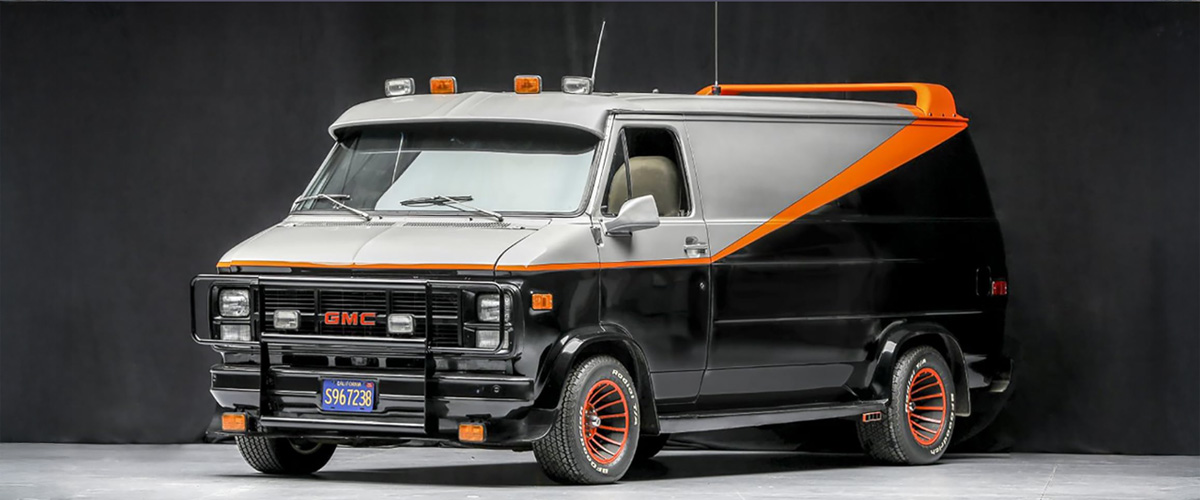
GMC Vandura: a childhood dream

Legendary Machines
GMC Vandura: a childhood dream

If you grew up watching TV in the 1980s, the sound of a revving V8 engine accompanied by a triumphant military soundtrack is enough to trigger instant memories. The A-Team (1983–1987) wasn’t just about four wrongfully accused veterans helping the oppressed; it was about the perfect harmony between explosions, elaborate plans, and a 1983 GMC Vandura that seemed capable of smashing through concrete walls without scratching the paint. 
By Marcelo Amado January 24, 2026
Read more...
<p>Long Before CGI: Introduction</p>

Long Before CGI

Long Before CGI: Introduction

Nowadays, when we think of starships crossing galaxies or giant monsters destroying metropolises, our minds go straight to powerful processors and cutting-edge software. But there was a time — not so long ago — when movie magic didn't depend on ones and zeros, but rather on latex, sawdust, nylon threads, and an absurd dose of raw creativity.

By Marcelo Amado January 27, 2026
Read more...
<p>Posters from 1914</p>

CineArte Vintage

Posters from 1914

We reach 1914, a year that marks the beginning of World War I and a decisive turning point in cinema history. Across much of Europe, the conflict led to the interruption or drastic reduction of many studios' activities. There was a lack of resources, labor, and the minimum economic conditions to maintain regular production. 

By Marcelo Amado January 30, 2026
Read more...
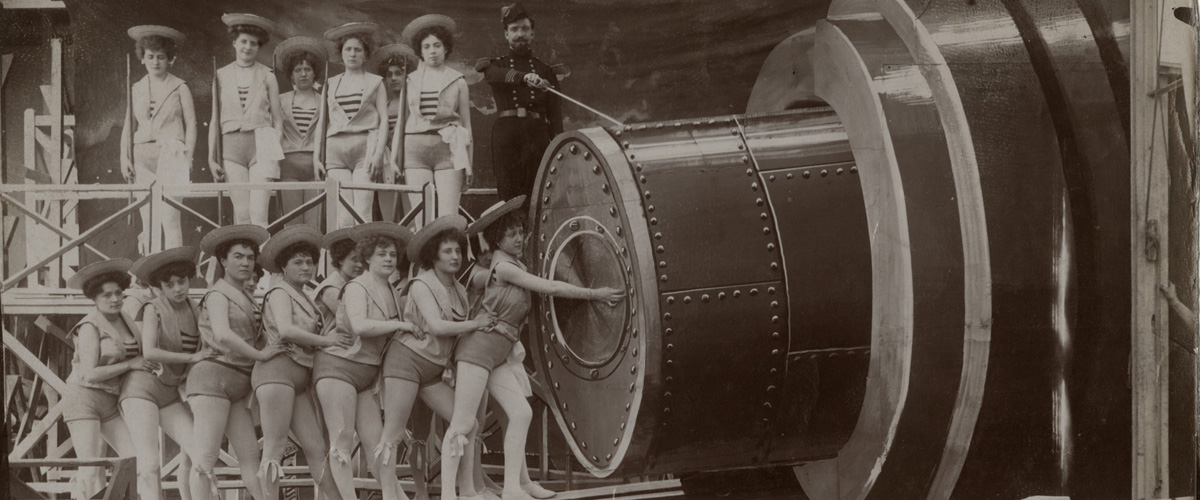
<p><i>Le Voyage dans la Lune</i> (1902)</p>

Long Before CGI

Le Voyage dans la Lune (1902)

Imagine you are in 1902, your mind is racing at a thousand miles per hour, full of original ideas to make a film that, until then, tackles a subject that your fellow directors have not yet explored. But there is one problem... computers haven't been invented yet, let alone CGI. Not even simpler effects. Ah, but you have the improvisation of the theater, pulsing creativity, and experience with magic and illusionism.

By Marcelo Amado February 02, 2026
Read more...
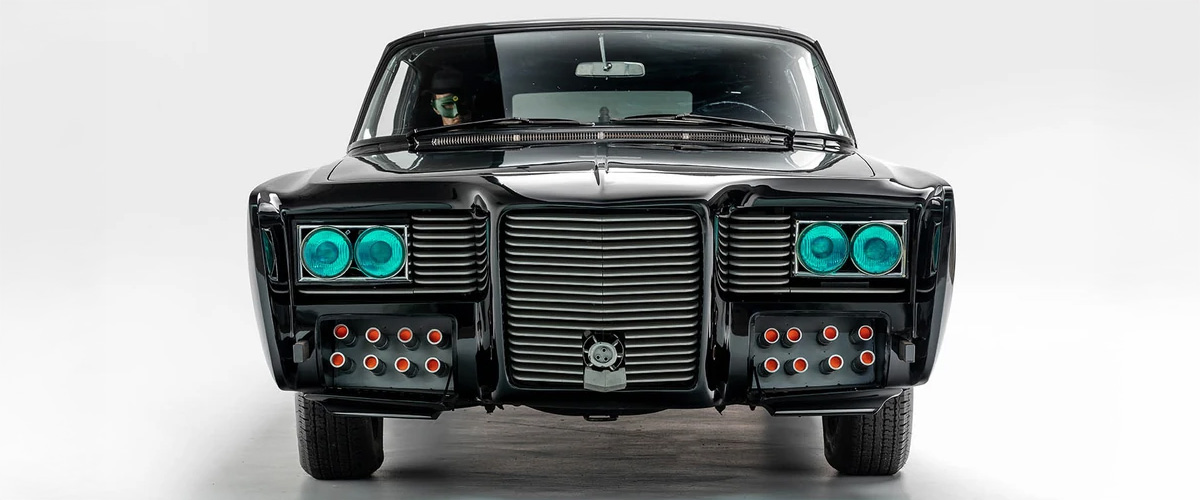
<p>Black Beauty — <i>The Green Hornet</i></p>

Legendary Machines

Black Beauty — The Green Hornet

Few pop culture vehicles carry as much personality as the Black Beauty — the Green Hornet's car. More than just a means of transportation, it has always been an extension of the character himself: discreet on the outside, brutal on the inside. Below, we will move chronologically through each incarnation, separating myth, fiction, and what actually existed on screen.
By Marcelo Amado February 07, 2026
Read more...
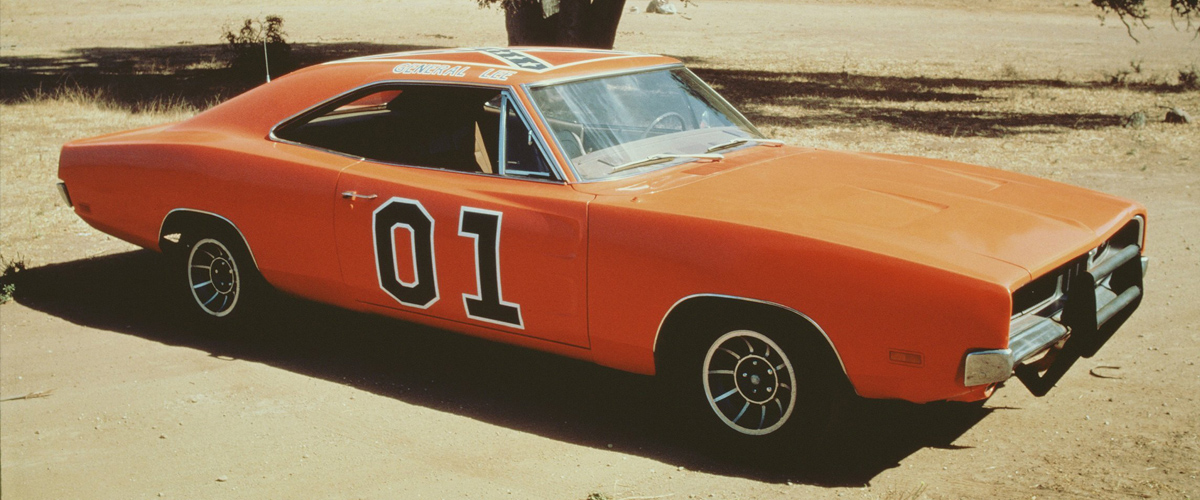
<p>General Lee, the star of <i>The Dukes of Hazzard</i></p>

Legendary Machines

General Lee, the star of The Dukes of Hazzard

The General Lee is not just a television series car. For many fans of the show — myself included — he is the lead character of The Dukes of Hazzard. More than just a means of transportation for cousins Bo and Luke Duke, the car became a cultural icon of strength, Southern rebellion, and the breathtaking car chases that defined television between 1979 and 1985.

By Marcelo Amado February 20, 2026
Read more...
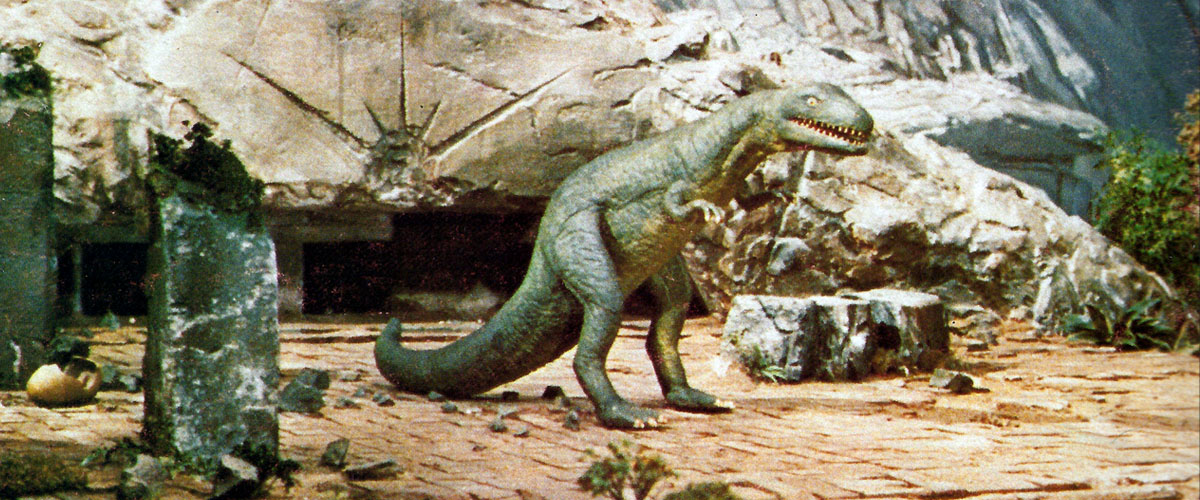
<p><i>Land of the Lost</i> (1974-1977)</p>

Long Before CGI

Land of the Lost (1974-1977)

The premise of Land of the Lost (1974-1977) is an adventure classic: during a routine expedition, forest ranger Rick Marshall (Spencer Milligan) and his children, Will (Wesley Eure) and Holly (Kathy Coleman), are caught by a colossal earthquake while white-water rafting in a canoe. They fall down a waterfall that leads not to the river, but to a space-time portal.

By Marcelo Amado February 25, 2026
Read more...
<p>Posters from 1915</p>

CineArte Vintage

Posters from 1915

We have reached the fifth article in our series on the art of vintage posters, this time featuring posters from several films released in 1915. We open with the poster for The Birth of a Nation (1915, D. W. Griffith), followed by one of the more than 2,000 posters created by the artist Achille Mauzan, a prominent figure in the French design scene of that era. 

By Marcelo Amado February 26, 2026
Read more...
Posters from 1916

CineArte Vintage
Posters from 1916

In our sixth journey through the art of cinema posters, we reach 1916, bringing more illustrations and artworks worthy of admiration, starting from war propaganda and moving through important names such as Hans Zoozmann, Karl Petau, and Curt Wolfram Kiesslich.

By Marcelo Amado March 19, 2026
Read more...