Few pop culture vehicles carry as much personality as the Black Beauty — the Green Hornet's car. More than just a means of transportation, it has always been an extension of the character himself: discreet on the outside, brutal on the inside. Below, we will move chronologically through each incarnation, separating myth, fiction, and what actually existed on screen.
The Film Serials (1940–1941)
The Green Hornet (1940) and The Green Hornet Strikes Again! (1941)
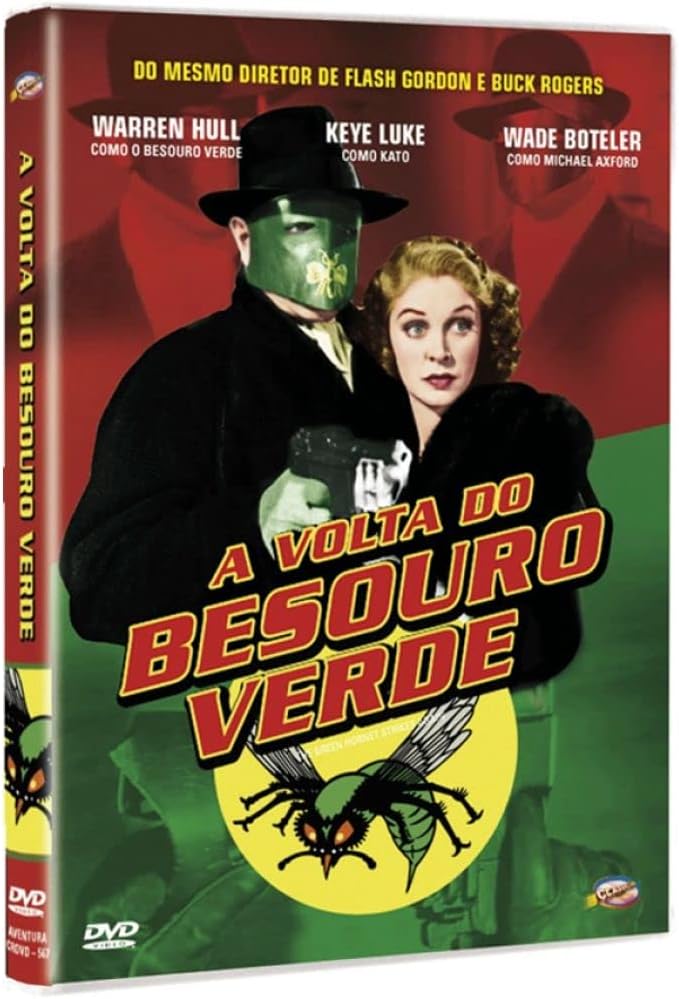
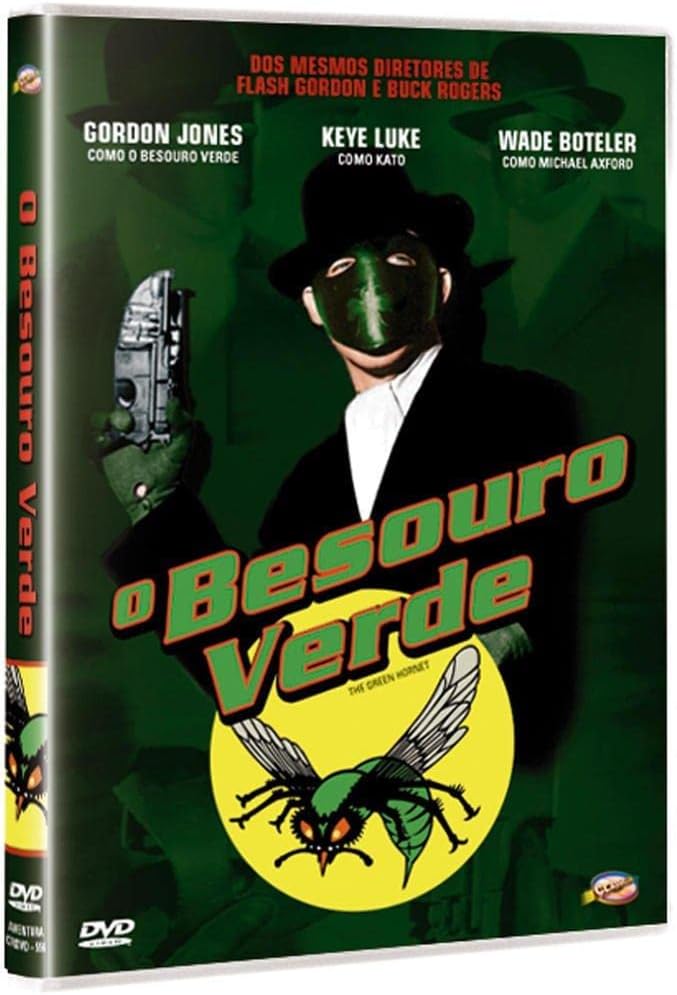
In the serials shown in cinemas in the early 1940s, the car already went by the name Black Beauty. Unlike later versions, the focus here was not on ostentation, but on efficiency and silent intimidation. The 1940 series was directed by Ford Beebe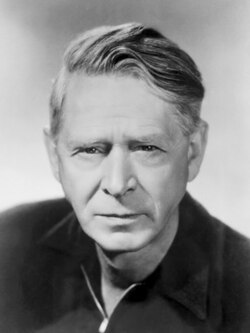 and Ray Taylor
 . In the leading roles, Gordon Jones
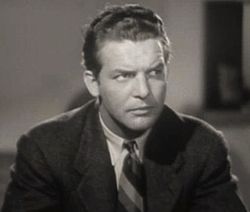 (Britt Reid), Keye Luke
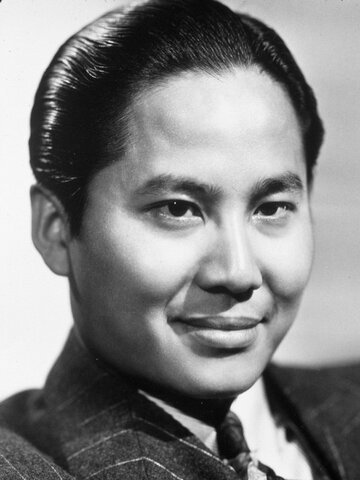 (Kato), and Anne Nagel
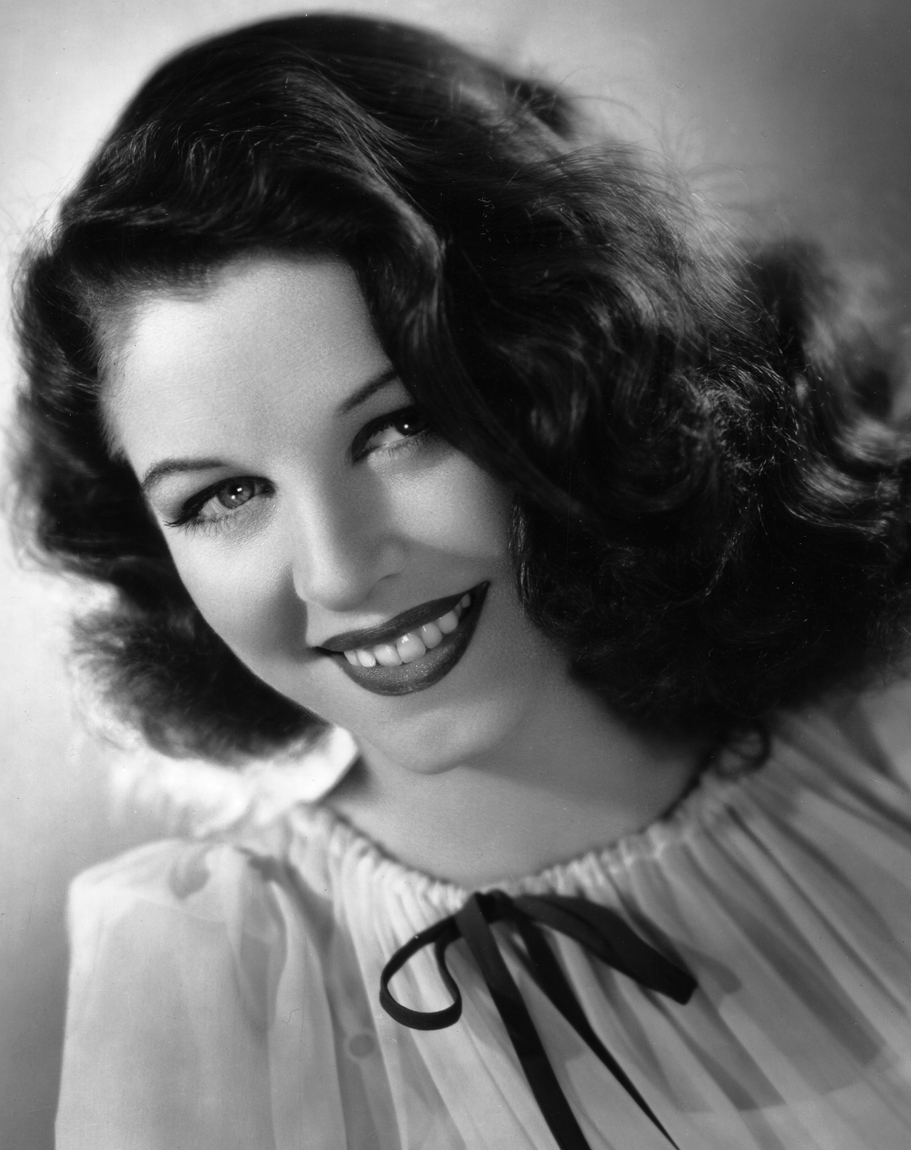 (Leonore Case); In the 1941 version, Warren Hull
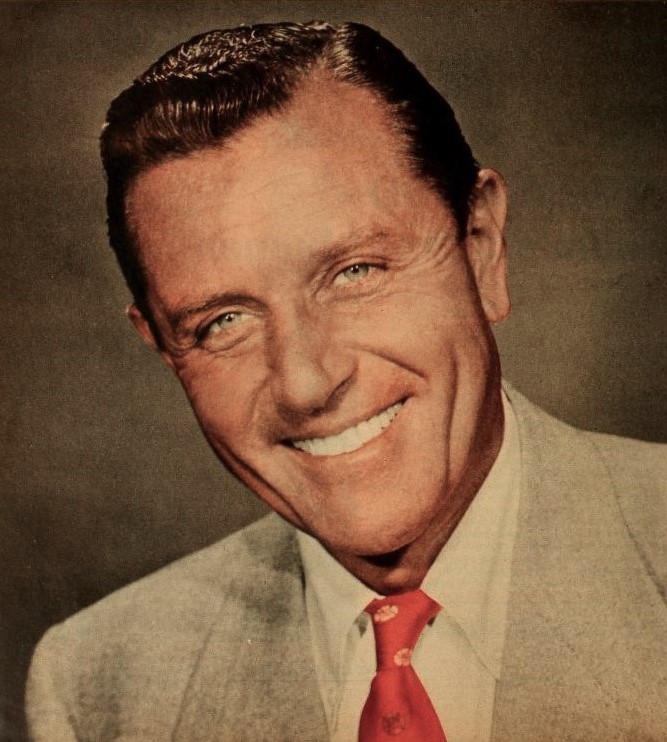 replaced Gordon Jones in the lead role ─ we will cover this series soon in the Silent Marathon section.
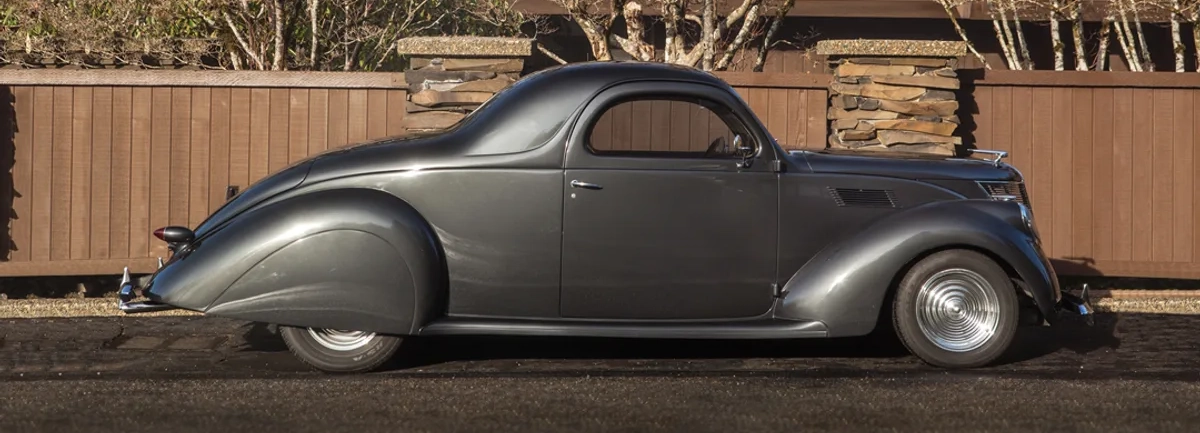
Although studios never officially documented the model with absolute precision, specialized sources and well-referenced wikis point to a late-1930s Lincoln Zephyr (likely 1937–1939) as the car's visual base.
The Real Car
Launched in the 1920s, Lincoln shone as a luxury car manufacturer, featuring custom bodies and a strong capital injection from Ford. However, the Great Depression of the 1930s devastated the sector, especially Lincoln, which lacked an affordable mid-range model.
In 1935, sales of the K Series – large and expensive, starting at $4,200 (eight times a Ford coupe) – plummeted to just 830 units, leaving the brand on the brink of collapse. Salvation came with the Zephyr, an essential addition to the lineup.
Debuting in November 1935 as a 1936 model, the Lincoln Zephyr was acclaimed as the first American production car with an attractive aerodynamic design – surpassing the 1934 Chrysler, which most considered ugly. Its name was inspired by the famous Burlington Zephyr train.
Equipped with a 267 cubic inch (4.4-liter) V12 engine, 110 hp, and a dual-throat carburetor, it promised 14-18 miles per gallon, 0-60 mph in 16 seconds, a weight of about 3,400 pounds, and 7:00 x 16 tires.
The Black Beauty
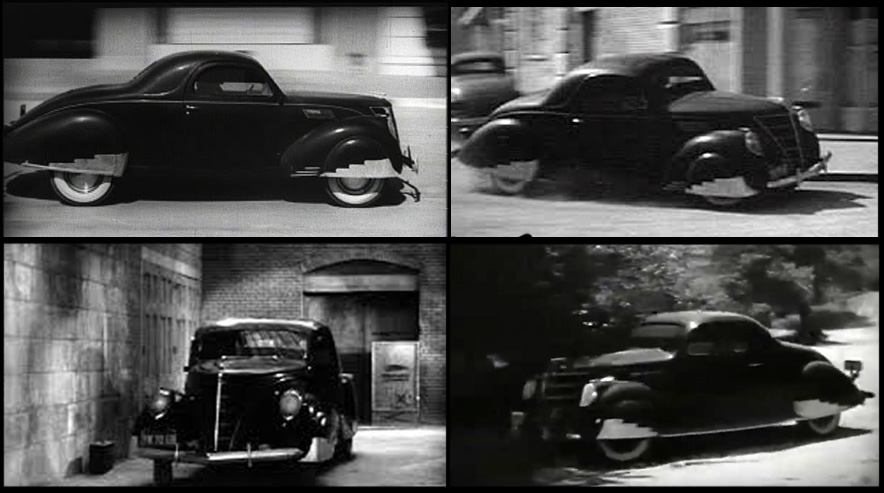
The Lincoln Zephyr made a lot of sense for the series as it had an aerodynamic design for the time, a modern and sophisticated appearance, and a distinct silhouette, ideal for creating a "myth-car."
Within the narrative, the Black Beauty was armored (or at least portrayed as extremely tough), fast, and silent, equipped with hidden compartments and improvised mechanical devices.
Nothing was shown with technical detail — the car functioned more as a symbolic element, almost supernatural, reinforcing the Green Hornet's aura as an invisible threat to organized crime. Here, the central idea that would span decades was born: understated luxury + calculated violence.
The TV Series (1966–1967)
The Birth of the Ultimate Icon
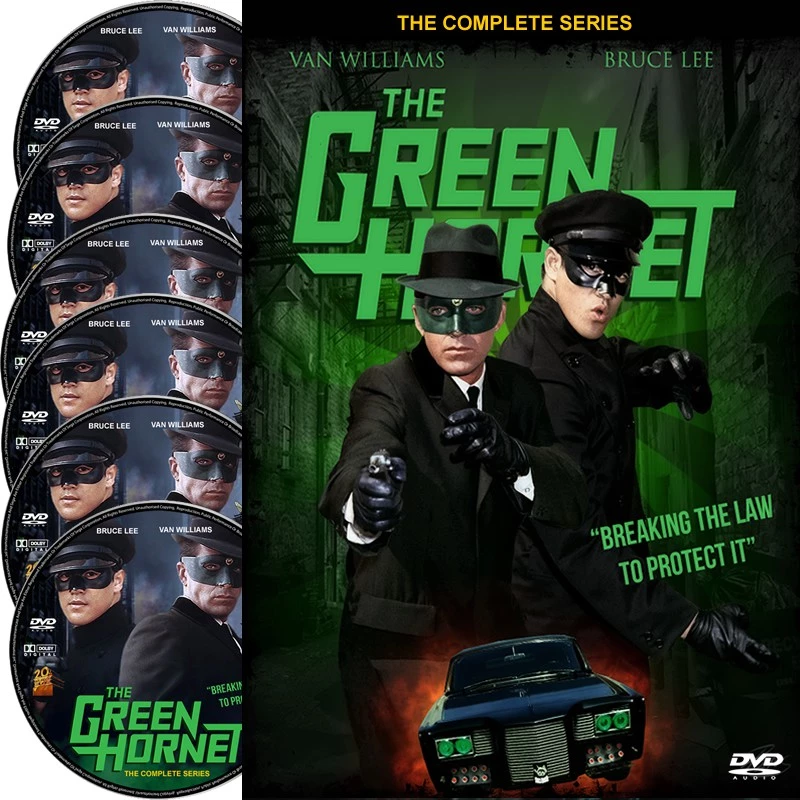
It was on television that the Black Beauty gained its most famous — and definitive — form. The series starring Van Williams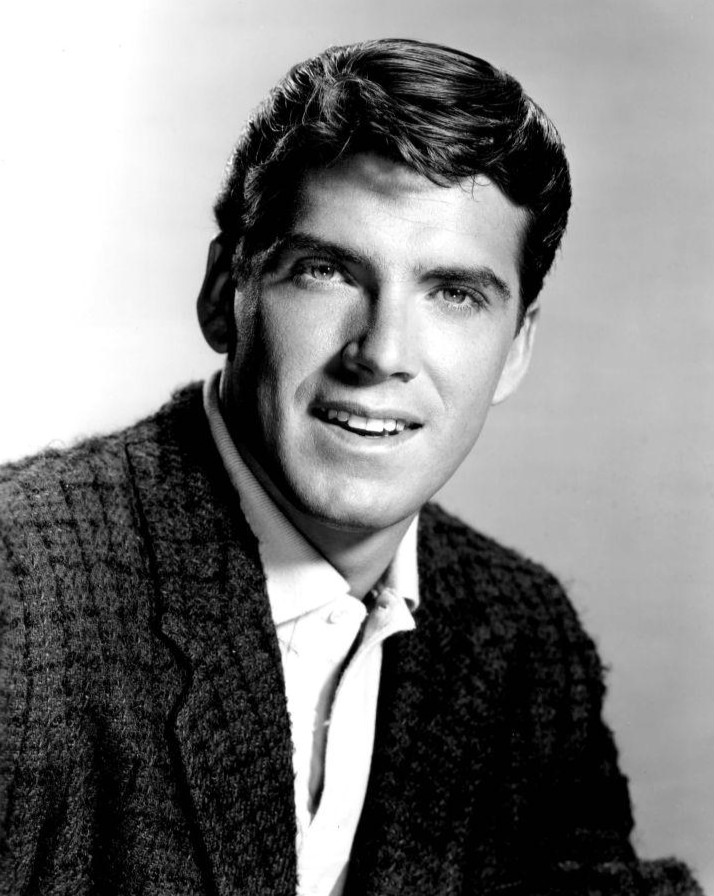 (Britt Reid) and Bruce Lee
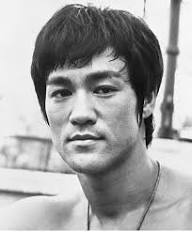 (Kato) elevated the car to legendary status.
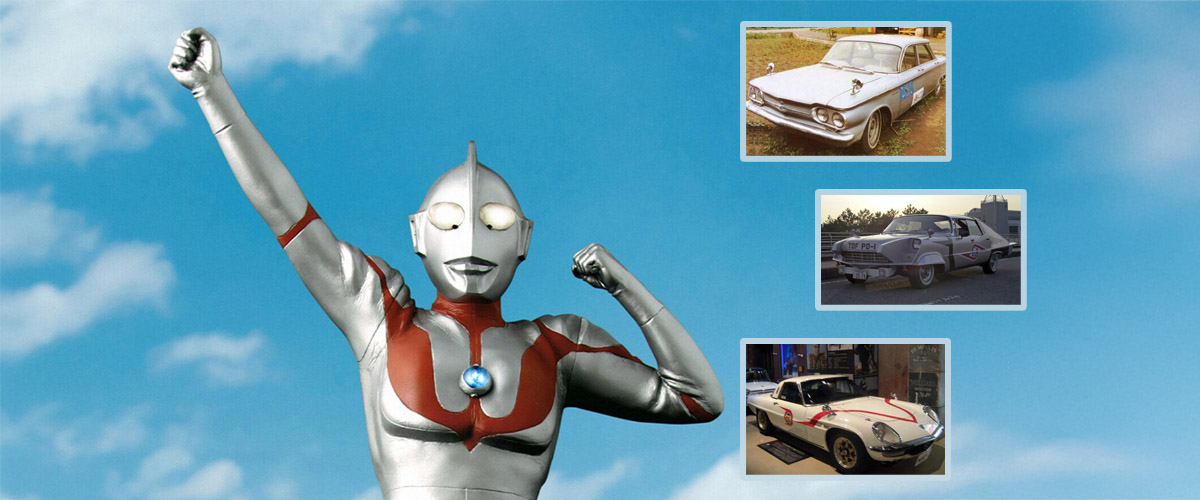
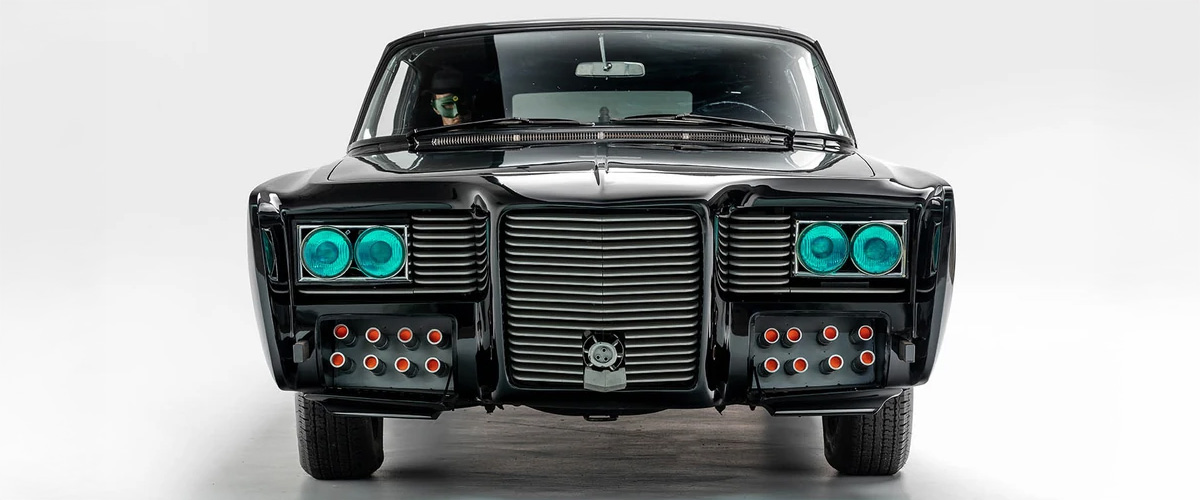
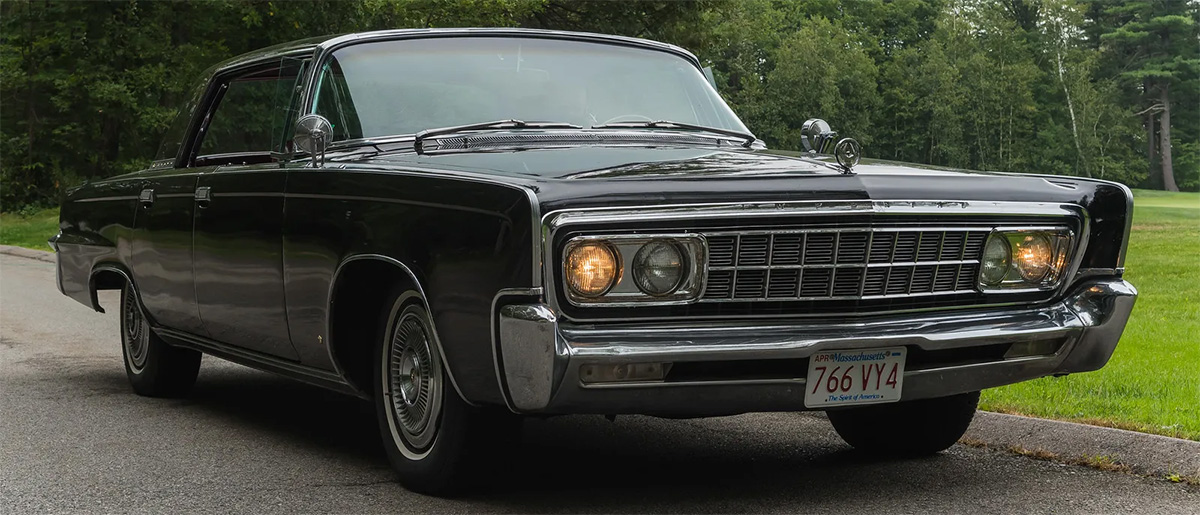
The base vehicle was a 1966 Chrysler Imperial Crown Sedan. The Imperial was, at the time, the absolute top of the Chrysler line: large, heavy, luxurious, with a beefy V8 engine. Exactly the opposite of a "traditional hero car." And precisely because of that, it was perfect — it's worth noting that another series covered here, Ultraman / Ultraseven, also used a Chrysler Imperial as the base car, though in that case it was a 1957.
Customization
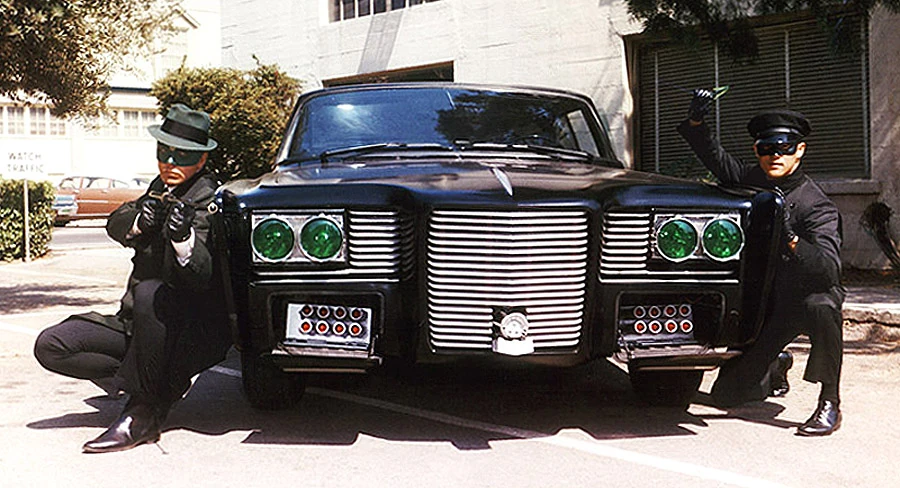
The transformation was handled by Dean Jeffries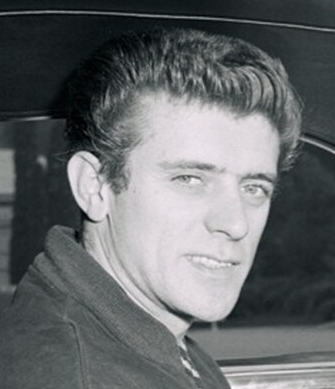 , one of the biggest names in Hollywood automotive customization. The main visual modifications were: a deep glossy black paint, exclusive green headlights, a custom front grille, and a completely redesigned interior.
As for the main (fictional) equipment, we have: hidden machine guns, rocket launchers, smoke screen release, tracking system, and direct communication with Kato. Scenographic tricks that convinced an entire generation.
Apparently, two main units were built for the series, one of which is preserved in a museum.
Batman and Green Hornet Together
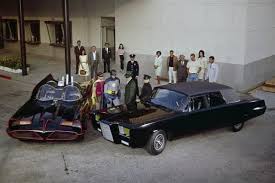 At the end of the second season of the Batman series (1966-1967), there was a crossover of the two series in a two-episode sequence: A Piece of the Action and Batman's Satisfaction, where the meeting of two of history's most iconic cars took place.
The Green Hornet and Kato arrive in Gotham City to investigate and dismantle a valuable stamp-forgery ring led by Colonel Gumm, played by Roger C. Carmel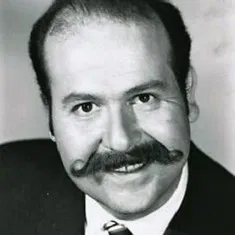 . Batman and Robin were also eyeing the ring and end up mistaking the duo for Gumm's accomplices, which generates a lot of confusion and nearly a brawl, interrupted by the police.
The Film The Green Hornet (2011)
In this feature film version, directed by Michel Gondry , we have Seth Rogen
 as Britt Reid and Jay Chou
 as Kato. The cast includes other stars such as Christoph Waltz
 , Cameron Diaz
 , David Harbour
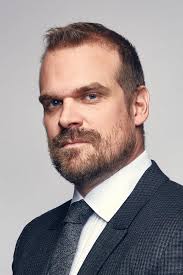 , among others. I won't fall into the trap of commenting on the film, as that is not the goal here.
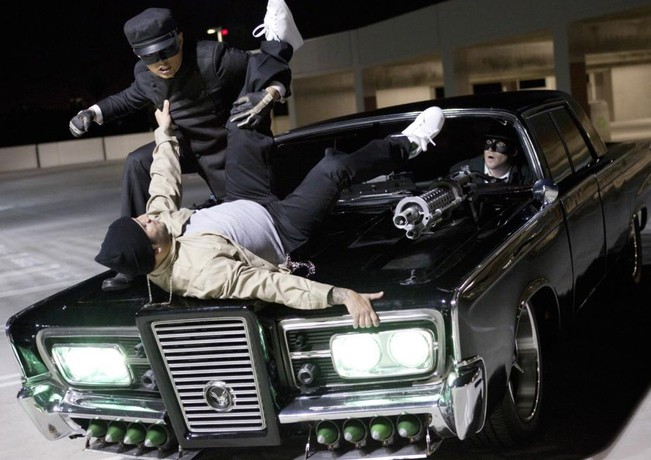
The 2011 film tried to update the concept without breaking from the past. The decision was clear: respect the classic look but adapt the car for more violent action scenes.
The production opted to maintain the Imperial lineage ─ mostly models between 1964 and 1966 ─ even if it meant more weight and less real agility.
Sources differ, but approximately 29 cars were built or adapted, with many being sacrificed after rollovers, explosions, and planned destruction.
In addition to scenographic modifications, reinforced structures were built to protect the stunt performers.
The DNA of the Series' Cars
Despite differences in era, budget, and visual language, all Black Beauties share the same DNA:
- Always black in color;
- Executive car appearance, not sporty;
- Contrast between luxury and brutality;
- Idea of hidden technology, not displayed
The Green Hornet's car never wanted to look fast. It wanted to look inevitable.
It was already so predestined that even in the radio series ─ which aired on January 31, 1936, in Detroit, Michigan ─ the description narrated to listeners about the Black Beauty was detailed and impeccable.
From the Lincoln Zephyr ─ my favorite, if that matters ─ hinted at in the 1940s to the Chrysler Imperial slaughtered in 2011, the Black Beauty always reflected the character's spirit: a vigilante operating in the shadows, using the system against itself.
It is no exaggeration to say that without this car, the Green Hornet would be just another masked hero. With it, he became a legend.
Research Sources: Auto Sketch, Green Hornet Wiki, Superhero Wiki, CNET, Vintage Clássicos, iMDB