


Nowadays, when we think of starships crossing galaxies or giant monsters destroying metropolises, our minds go straight to powerful processors and cutting-edge software. But there was a time — not so long ago — when movie magic didn't depend on ones and zeros, but rather on latex, sawdust, nylon threads, and an absurd dose of raw creativity.
Welcome to the article series Long Before CGI in our Beyond the Scene section. Here, we are going to celebrate the era when the "impossible" was solved with woodworking, sculpture, and optical tricks that perfectly fooled the human eye. It was the time of practical effects, where every frame demanded real physical effort from the production crew.
On this journey, we will dive behind the scenes of productions that defined generations. Imagine the challenge of bringing the dinosaurs of Land of the Lost (1974-1976) to life. Without the ease of digital animation, the series relied on the fascinating (and meticulous) work of stop-motion, where every millimetric movement resulted in seconds of pure enchantment on screen.
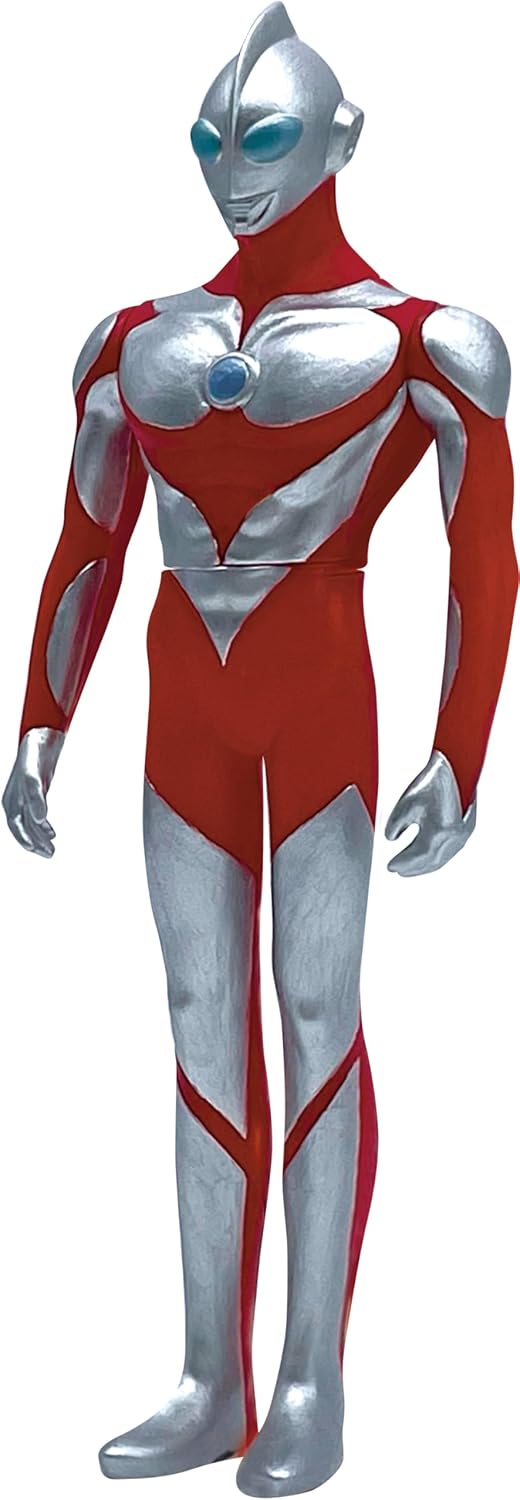
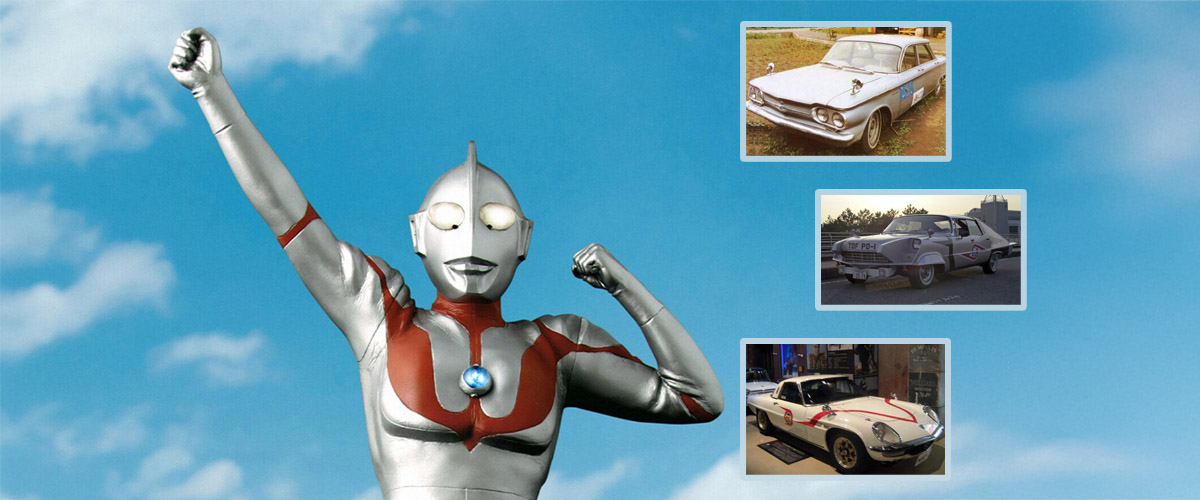
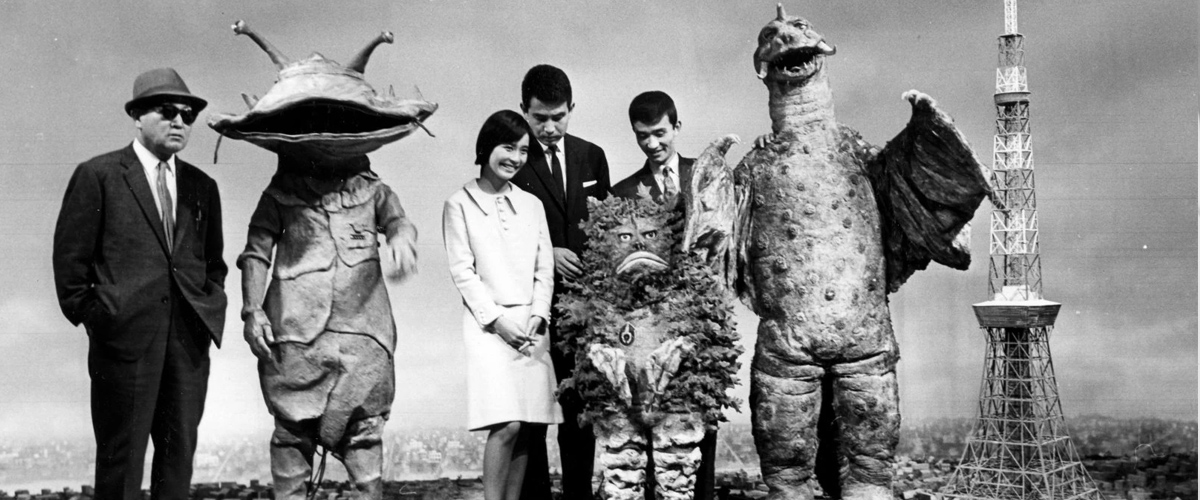
And what about the Tokusatsu genre? Series like Ultraman (1966) and Ultra Q (1966) transformed the concept of scale. Those miniature cities, destroyed by stuntmen in heavy rubber suits, weren't just "cheap effects"; they were complex choreographies of engineering and pyrotechnics that created a unique aesthetic beloved to this day.
Models, Fishing Lines, and Stars
Space sci-fi also owes everything to model artists. Before Star Wars became a digital empire, the Millennium Falcon and the Star Destroyers were highly detailed physical models, filmed with motion control cameras that made small objects look like metal colossi. Likewise, the submarines that navigated through studio "oceans" and the ships that seemed to float in the vacuum relied on perspective and lighting tricks that defied logic.
In this series, we won't just list movies; we’re going to dissect the ingenuity behind the cameras. We’ll understand how the use of miniatures, matte paintings (those paintings on glass that created infinite landscapes), and prosthetic makeup built the worlds that still inhabit our dreams.
"It's ridiculous!"
Ah, but the younger generations think it's all ridiculous, cheesy, poorly made... The toy cars in Ultraman... and the cloth mountain that shakes... The nylon threads showing in Spectreman...
Well, let them blow themselves up in CGI if they want. I’d like to see those critics do a tenth of what these people did, but using their same resources; no modern tech, not even a 3D printer. It's done with styrofoam, cardboard, popsicle sticks, rubber, and so on.
Ridiculous... Ridiculous to me is anyone who can't value creativity and the human capacity to reinvent and improvise when needs arise and resources are almost non-existent.
Are humans trash? Yes... Are humans the planet's curse? Yes... But you can sift out good and interesting people in the mix.
Timidly, there is a small movement of return nowadays. There are directors and special effects crews going back to models, to "roots" effects. Of course... they have more resources and will achieve a much better result than their predecessors, but the creativity is back, the "hands-on" approach is back. The pleasure of making "roots" cinema — or TV — is starting to be injected into the veins again. It started in underground cinema, and we even have good representatives in Brazil, and it's spreading around.
But... what interests us here are the pioneers, the crazies, the insane... those who gave several generations the power to enjoy their own imagination.
Get ready to discover that, sometimes, the greatest technology of all is the human capacity to improvise, adapt, and create the fantastic with their own hands.
They did the impossible with almost nothing — and that deserves to be understood, respected, and admired before being ridiculed.