Imagine it’s 1902, your mind is racing at a thousand miles per hour, filled with original ideas for a film that tackles a subject your fellow directors haven’t explored yet.
The story in your mind — inspired by the works of Jules Verne — goes something like this:
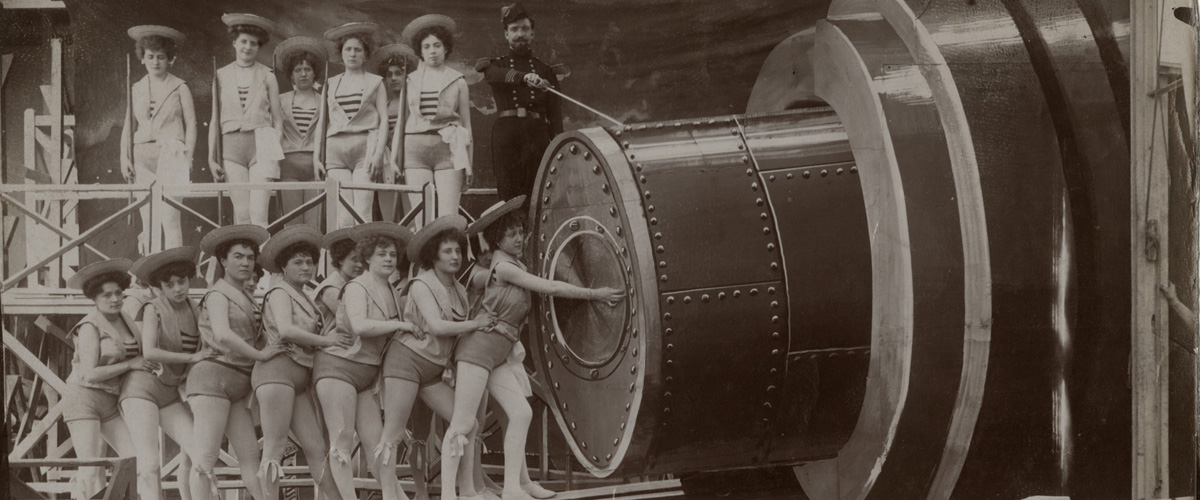
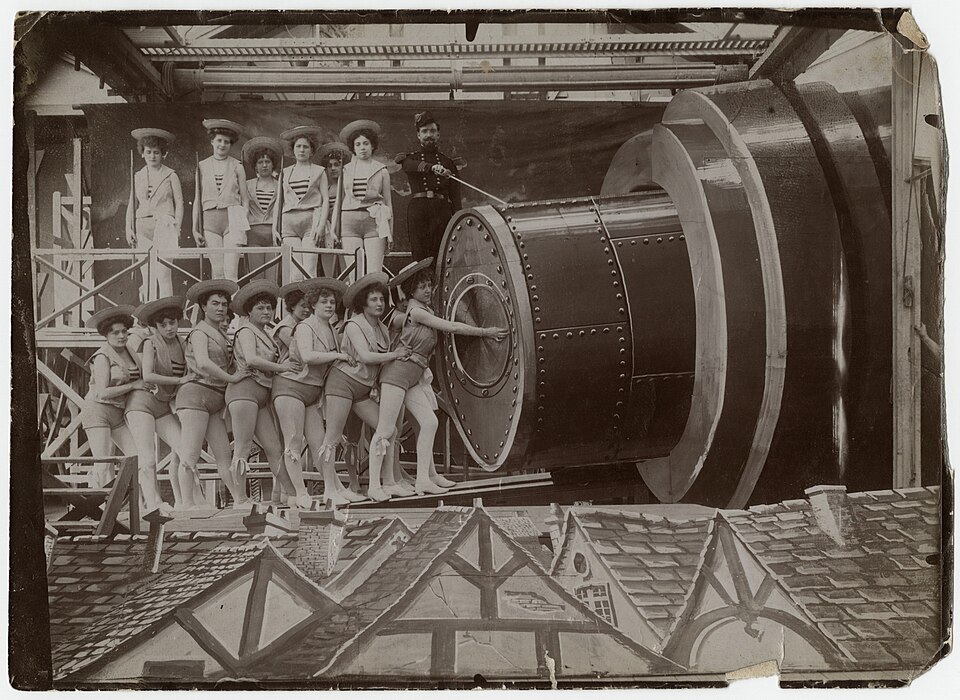
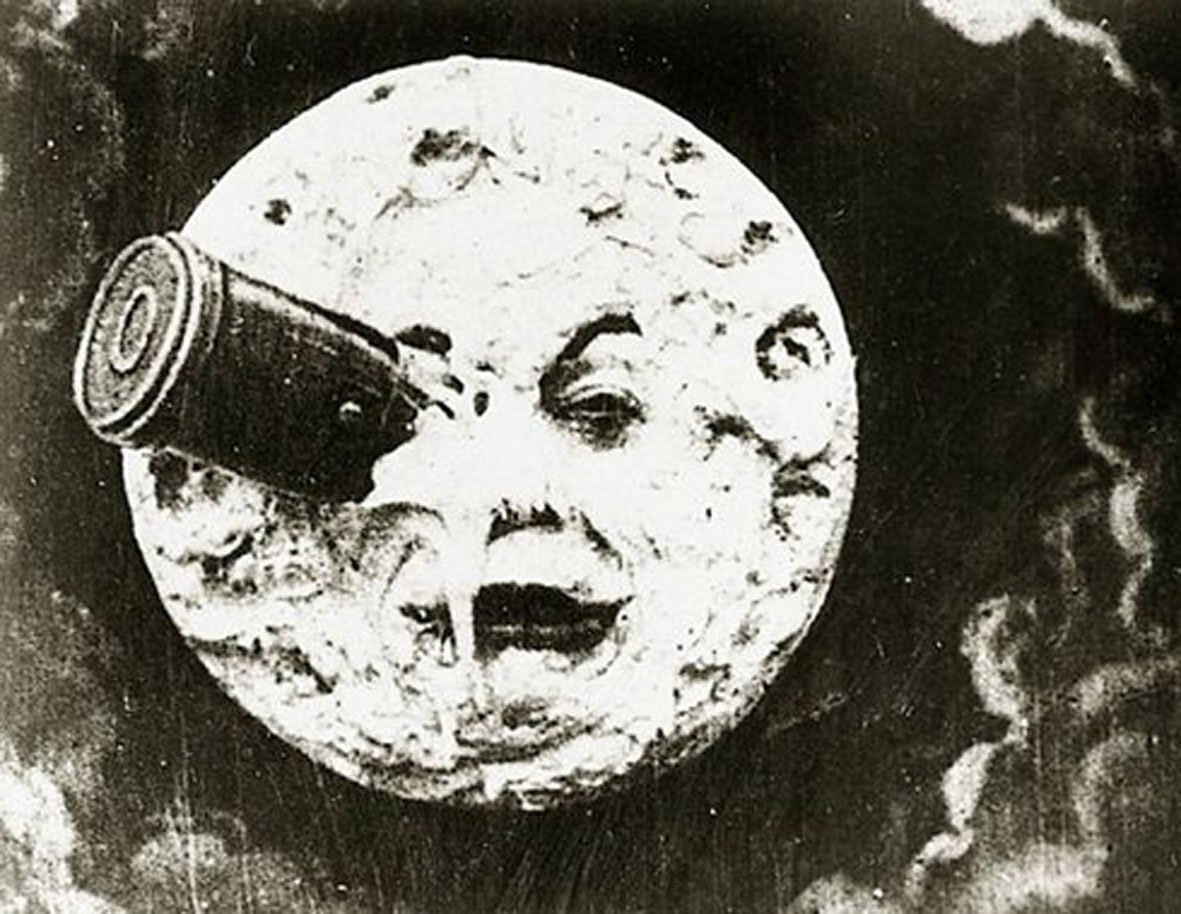
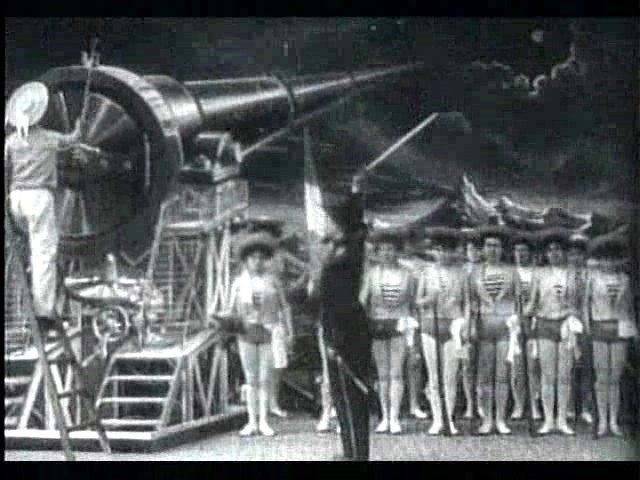
During an astronomical conference, Professor Barbenfouillis proposes a daring mission: a manned expedition to the Moon. After silencing a skeptical colleague in a heated argument, the project is enthusiastically approved. In an industrial foundry, workers toil away constructing a projectile-shaped capsule and a colossal cannon. On launch day, amid cheers and fanfares, the astronomers board and are blasted into space, culminating in the iconic scene where the rocket strikes the "eye" of the Moon's face.
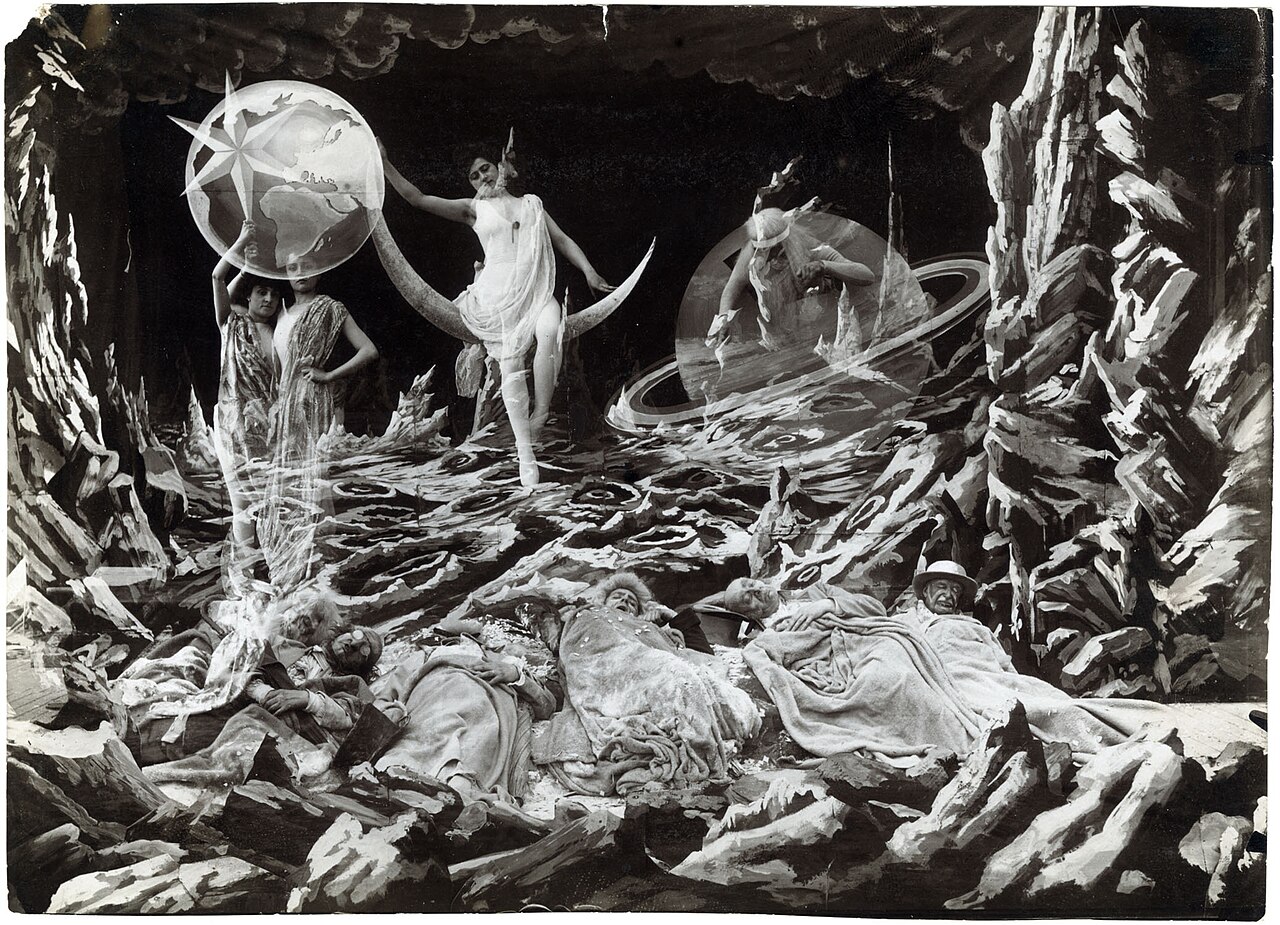
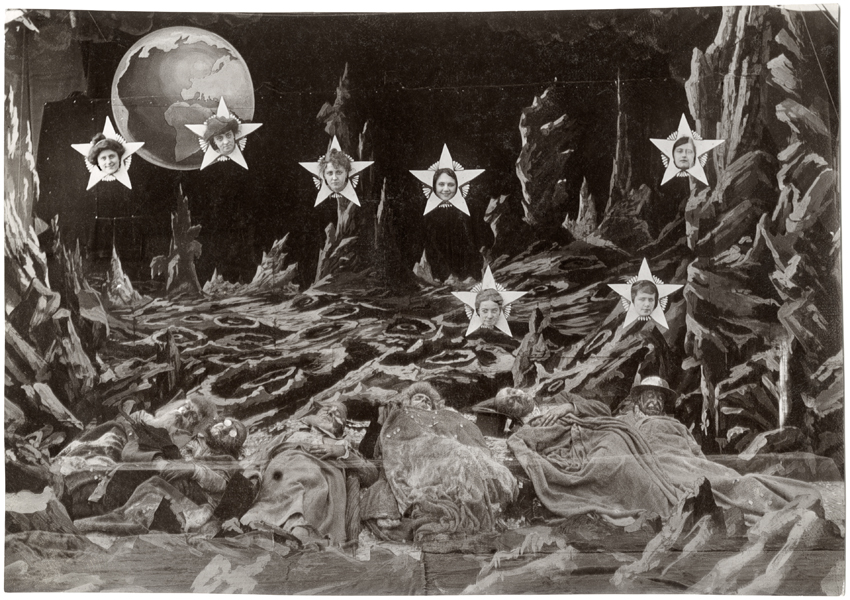
Upon landing on the lunar surface, the travelers gaze at the Earthrise before falling asleep. Their rest is interrupted by celestial phenomena and a blizzard sent by annoyed astral gods. While exploring the interior of a cave filled with giant mushrooms, the group is confronted by the Selenites, the local inhabitants.
Tension escalates quickly: the explorers discover the creatures explode when struck with umbrellas; the group is captured and taken to the royal palace; in an act of bravery and desperation, the professor destroys the King of the Selenites, allowing the scientists to escape.
Pursued by the natives, the astronomers race back to the capsule. The projectile is pushed over a lunar precipice, falling toward Earth and plunging into the ocean. After being rescued by a ship and taken to port, the heroes are greeted with a monumental celebration, decorated with medals, and celebrated in a public parade, immortalizing cinema's first great space adventure.
An excellent idea!... But there’s a problem... computers haven’t been invented yet, much less CGI. Not even simpler effects, like dry ice—which, although already invented, wouldn't be commercialized for almost another two decades.
Ah, but if you are Georges Méliès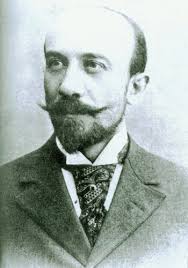 , you have theatrical improvisation, pulsing creativity, and experience with magic and illusionism.
And that changes everything.
But before we continue, an important note: this series of articles on special effects is intended for amateur fans and curious minds like myself. To friends and visitors who are film specialists, all of this will seem very obvious, and it might even sound too cliché to talk about Méliès and A Trip to the Moon in an opening text for the series. Gentlemen... I only ask that you relax, return to your deep research, and leave us here so we can have some fun.
That being said...
If you want to watch it before we continue, click here.
The effects in A Trip to the Moon were not born from technology. They were born from improvisation. Méliès didn't think like a filmmaker in the modern sense—he thought like someone who needed to trick the audience's eye, but now with a stationary camera in front of the stage. The film marks the exact moment he realized the camera wasn't just for recording a trick, but could become part of the trick itself.
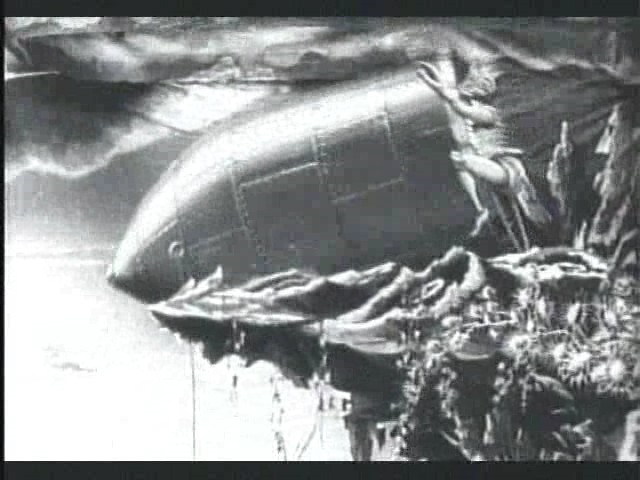
The transitions between scenes are a good example. To move from the Astronomy Club to the workshop where the projectile is built, Méliès used fades made by hand, overlapping images. One scene brightens while the other darkens. It’s not just a scene change; it’s a way of guiding the gaze. On the return to Earth, he repeats the logic: the capsule disappears off the bottom of the frame and reappears at the top in the next shot, creating the sensation of a continuous fall. Simple, yet extremely effective.
The set design makes it very clear that the goal was never to look real. Everything is hand-painted, inspired by theatrical trompe-l’oeil1. Craters, buildings, lunar landscapes—everything exists to work from a single point of view. To give depth to the black-and-white film, Méliès painted the sets in carefully calculated shades of gray. What’s in front is solid; what’s behind is paint. If the camera moved, the trick was over. That’s why it stays still, as if it were a spectator sitting in the audience.
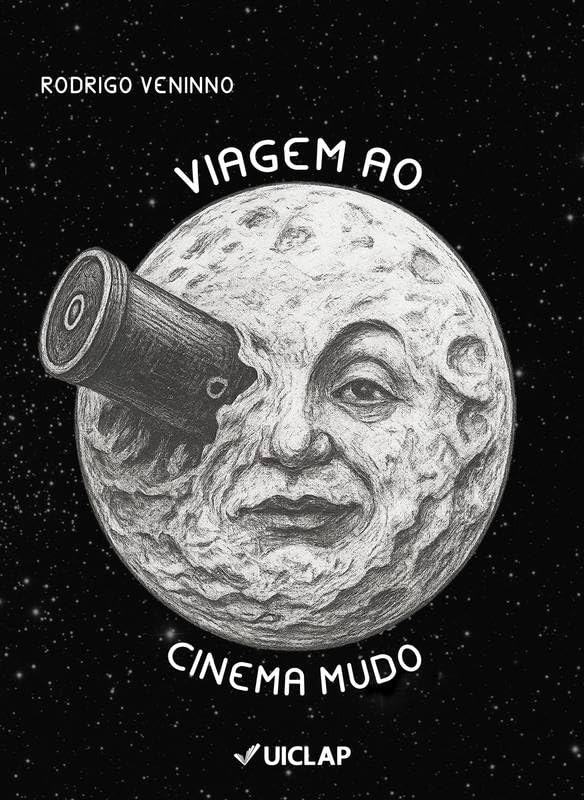
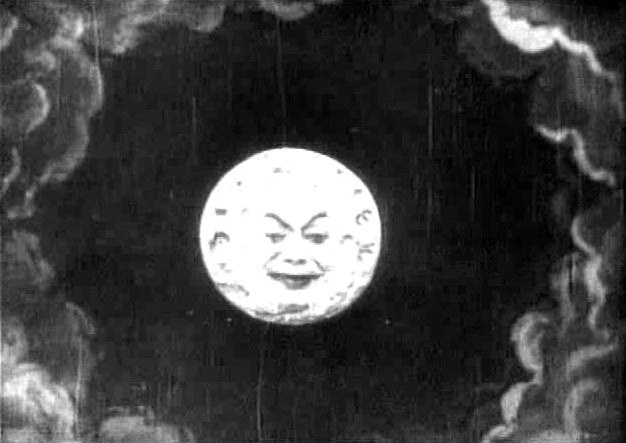
And then we come to the great symbol of the film: the face of the Moon. That isn't an animation, a sophisticated photographic effect, or a sculpture. It’s a simple physical set, essentially a flat panel painted as the lunar surface. The “face” itself isn't modeled or sculpted: it belongs to a real actor, positioned behind the set, with their face poking through a carefully cut opening.
It is precisely this solution that brings the scene to life. The volume, shadows, and expression don't come from paint, but from the human face itself, lit in the studio. The Moon doesn't seem to suffer because it was drawn that way—it suffers because someone there is actually making that face.
When the rocket hits the Moon’s eye, there is no complex trick. The projectile is a miniature suspended by wires, precisely aligned with the lens, and the impact happens directly on the actor’s face. The sensation of pain is real because it is direct acting, integrated into the painted set. The effect works not through technical sophistication, but through the precise combination of painting, cutouts, and the human body.
In the Moon approach scene, the camera also doesn't move. What moves, on tracks, is the set and the actor, advancing toward the lens. It is a fake travelling2 shot, done through brute force. Cinema didn't walk yet—so Méliès pushed the world toward the camera.
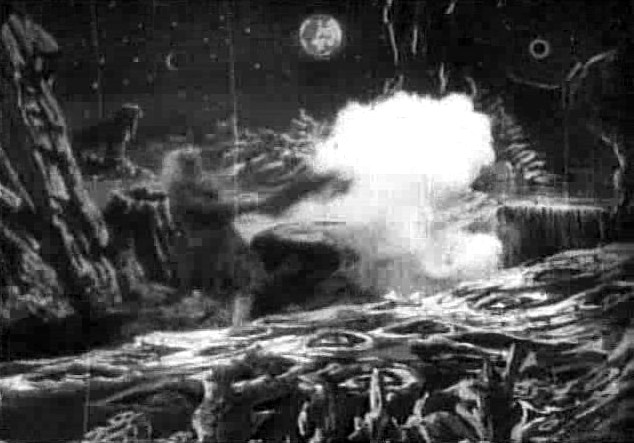
Perhaps the most important trick in the film is the famous “stop-camera.” Méliès would stop filming, swap an object or an actor for something else, and continue recording. In the final result, the body simply transforms or disappears. This is how the Selenites explode when hit: one frame has the actor, in the next they've been replaced by smoke, dust, or stage material thrown into the air. In some cases — not necessarily in this scene or this film —, magnesium powder was carefully used, or smoke created with a mixture of resin, oil, and incense.
Despite all this improvised engineering—cables, trapdoors, pulleys, smoke—the film never leaves the stage. The gestures are broad, the framing frontal, and the finale, with the astronauts bowing to the audience, makes this clear. It is still theater. Only it’s a theater that now knows how to use the camera to its advantage.
Méliès didn't create special effects as a science. He created them as an illusion. Wood, paint, human bodies, and precise cuts were enough to invent a type of spectacle that cinema still repeats more than a century later.
Not because it looked real, but because it shamelessly embraced the fact that it was fantasy.
From Success to Fall
There is an inevitable irony in all this: the cinema Méliès helped invent eventually left him behind. Between 1896 and 1905, he was the dominant name in cinematic spectacle, but the rapid industrialization of production—led by Charles Pathé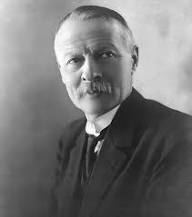 —changed the rules of the game. The craftsman gave way to the factory.
Méliès was not willing to abandon his stage aesthetic: stationary camera, frontal views, effects conceived as theatrical illusion. To him, that was perfection. To the audience of 1909, especially the Americans, it was no longer enough. Fantasy lost ground to naturalistic drama, and cinema moved on. Méliès stayed behind.
Research sources: EBSCO, Georges Méliès blog, AFI Catalog, Adoro Cinema, FilmSite.org