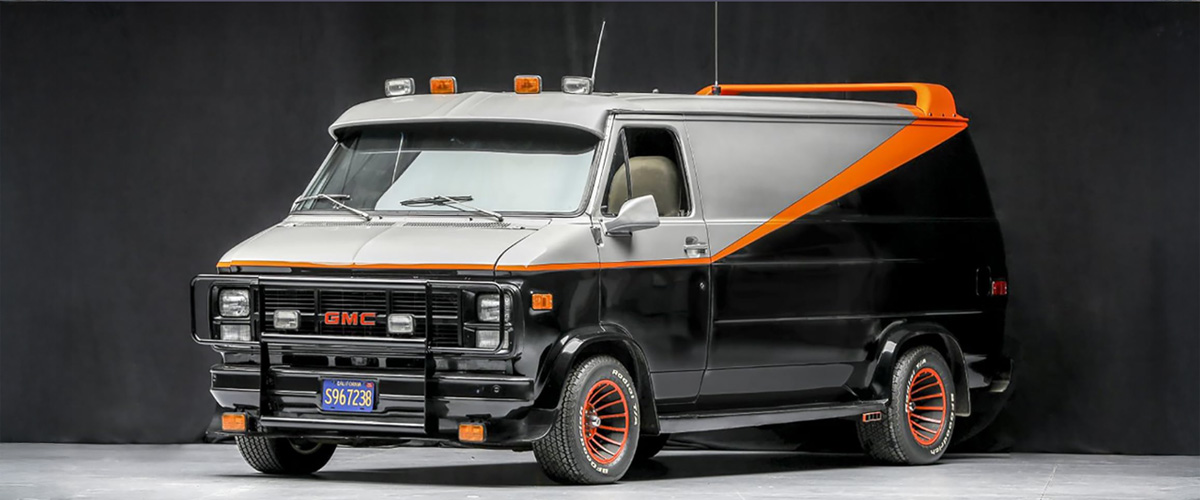
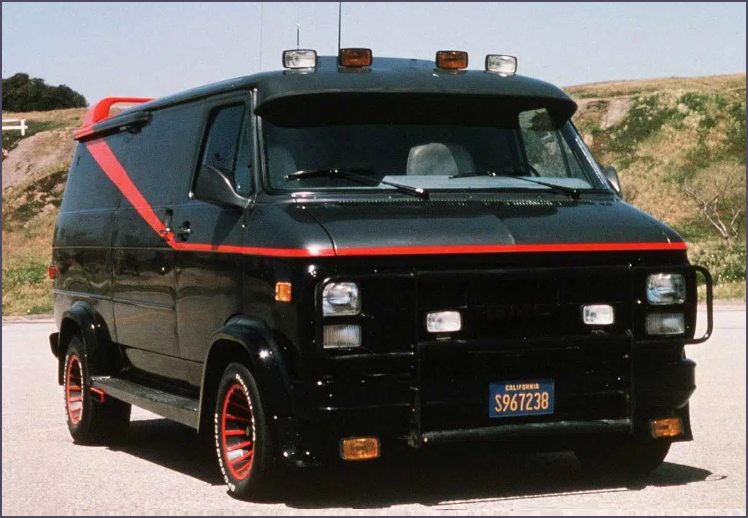
If you grew up watching TV in the 1980s, the sound of a revving V8 engine accompanied by a triumphant military soundtrack is enough to trigger instant memories. The A-Team (1983–1987) wasn’t just about four wrongfully accused veterans helping the oppressed; it was about the perfect harmony between explosions, elaborate plans, and a 1983 GMC Vandura that seemed capable of smashing through concrete walls without scratching the paint. Driven with almost religious zeal by B.A. Baracus, the van was the team’s mobile headquarters and became, without a doubt, the most famous utility vehicle in Hollywood history.
The Team: criminals you’d want to hire
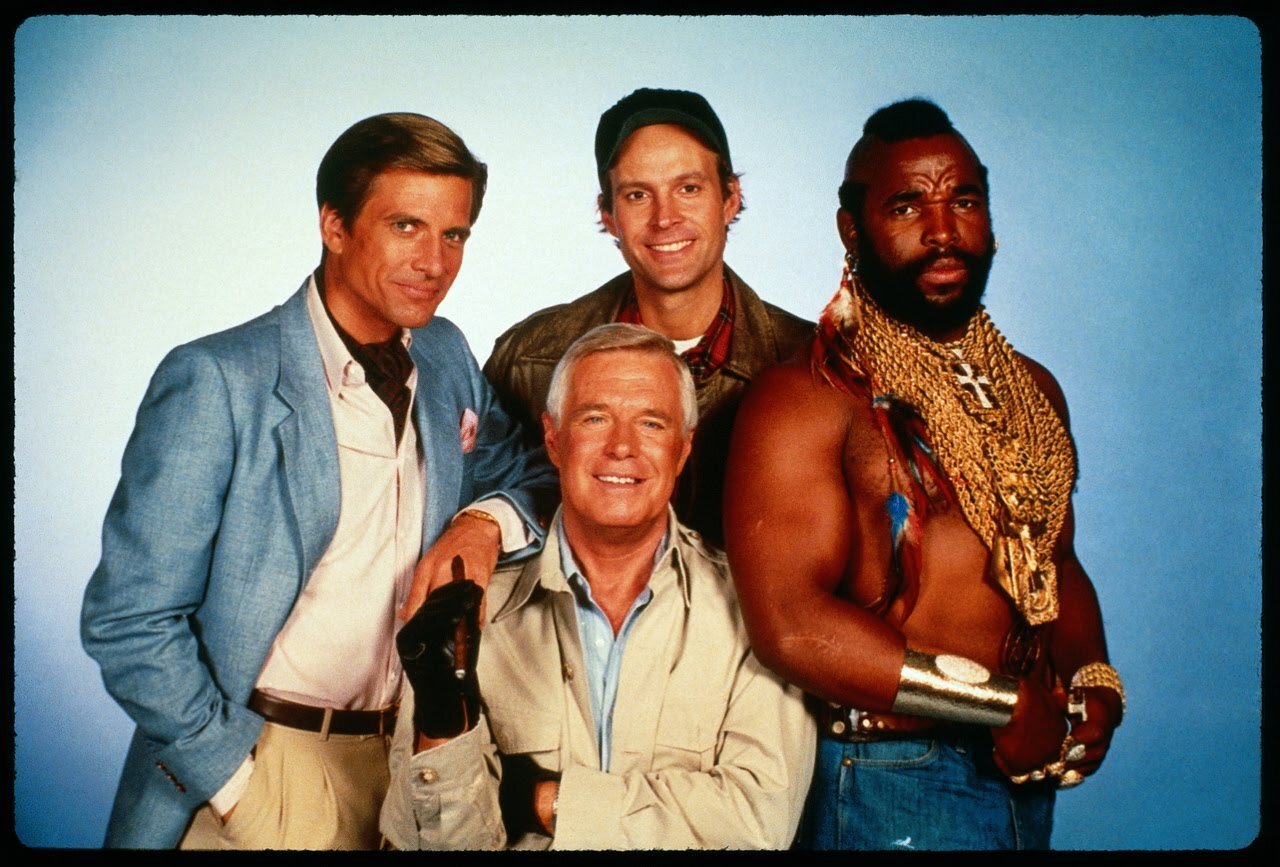
 , Dwight Schultz,
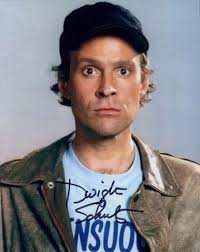 Mr. T
Mr. T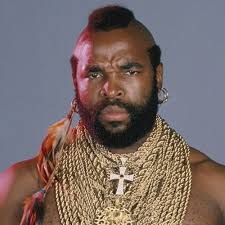 and George Peppard
 – Copyright by NBC (National Broadcasting Company)
A brief aside: the 2010 return
Although our focus is on the TV legend, we can’t ignore the version that more recent generations encountered in theaters. In the 2010 film — The A-Team, directed by Joe Carnahan — the production made a notable effort to recreate the original van. They used a Chevrolet G20 (the GMC Vandura’s sibling model), preserving the iconic stripe and the black wheels with red details. However, for purists and detail-oriented fans, nothing surpasses the presence and “weight” of the original 1980s GMC Vandura, which set the gold standard for what a getaway vehicle should be.
The secret hidden in the shadows (and in CRT tubes)
If you dig into your memory, you might swear the van was entirely black. But here lies one of the most common misconceptions among those who vaguely remember the series: the A-Team van was actually two-tone. While the lower body and bumpers were deep black, the section above the red stripe was painted a dark metallic gray (charcoal grey).
Why didn’t many of us notice? The answer lies in the technology of the time. In the 1980s, CRT televisions and analog signals had limited resolution and contrast that tended to “crush” dark tones. On those small, square screens, the metallic gray blended into the black, creating the illusion of a monochrome vehicle. This color choice was deliberate; the gray added volume and reflections to the bodywork under strong studio lights, preventing the van from becoming just a “black blob” in chase scenes.
The name “Vandura” was a play on “Van” and “Durable,” reinforcing the idea of a heavy-duty work vehicle.
Another strong characteristic was its customization potential. GM’s G-Series was one of the favorites of “Van Culture” in the U.S. during the 1970s and 1980s. The chassis was flat and straight, making it easy to install interior panels, beds, and even jacuzzis (a common feature in custom vans of the era).
Tin stunt doubles: the juggling act to avoid destroying the icon
To keep costs down, The A-Team relied on its own brand of automotive “magic.” Keeping a pristine GMC Vandura for close-ups was expensive, so the production used a hierarchical fleet. The “Hero Van” was the perfect one, with a luxurious interior and glossy paint, used only for scenes with the actors entering or exiting. The stunt vans, used for jumps and crashes, were disposable vehicles. Often they were Chevrolet G20s, its nearly identical but cheaper sibling, and — surprisingly — even some Fords. This was confirmed by stunt coordinator Craig Baxley . If you pause the footage at the exact moment of a jump, you’ll spot revealing details: in several scenes, the sunroof disappears and the red stripe isn’t always the exact same shade.
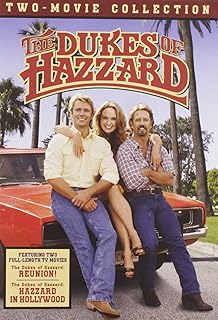
Despite this, the production “only” destroyed four vans — nowhere near the outrageous number of cars wrecked in The Dukes of Hazzard (1979–1985), which is estimated to have destroyed between 250 and 320 Dodge Chargers… but that’s a story for another article.
Under the hood: the strength of the GMC Vandura
Although the series made the van look like a race car, the GMC Vandura G-1500 was essentially a workhorse designed for durability and heavy hauling. In the real world, configurations varied, but the model used as the basis for the series was generally equipped with GM’s best torque-focused options.
Technical Specifications (1983 Model): 5.7-liter (350 cubic inches) Small Block V8 engine; Approximate power output of 160 to 190 hp (depending on emissions tuning); 3-speed automatic transmission (Turbo Hydra-Matic 350 or 400); Rear-wheel drive (RWD); Independent front suspension with coil springs; Rear solid axle with leaf springs.
Fuel consumption: Like any American V8 of that era, the Vandura was infamous for its thirst. In real-world conditions, it averaged about 4 to 5 km per liter — something B.A. Baracus probably ignored while outrunning the police!
The legacy
Today, more than four decades after its debut, the A-Team GMC Vandura has transcended its status as a mere TV prop. It’s a cultural icon that embodies the aesthetic of an era. The few original units used by Universal Studios that survived the jumps and explosions are now museum pieces or treasures in private collections, fetching astronomical prices at auctions.
But the van’s true legacy isn’t in museums — it’s on the streets. It inspired thousands of enthusiasts worldwide to transform their own ordinary vans into faithful replicas (some even with the correct metallic gray!). The “A-Team effect” proved that, with the right customization and a bit of attitude, even the heaviest cargo van can become a symbol of adventure and loyalty. In the end, the van wasn’t just B.A. Baracus’ ride; it was the metallic heart of a team that taught a generation that no problem is too big when you have the right friends — and the right car — in the garage.
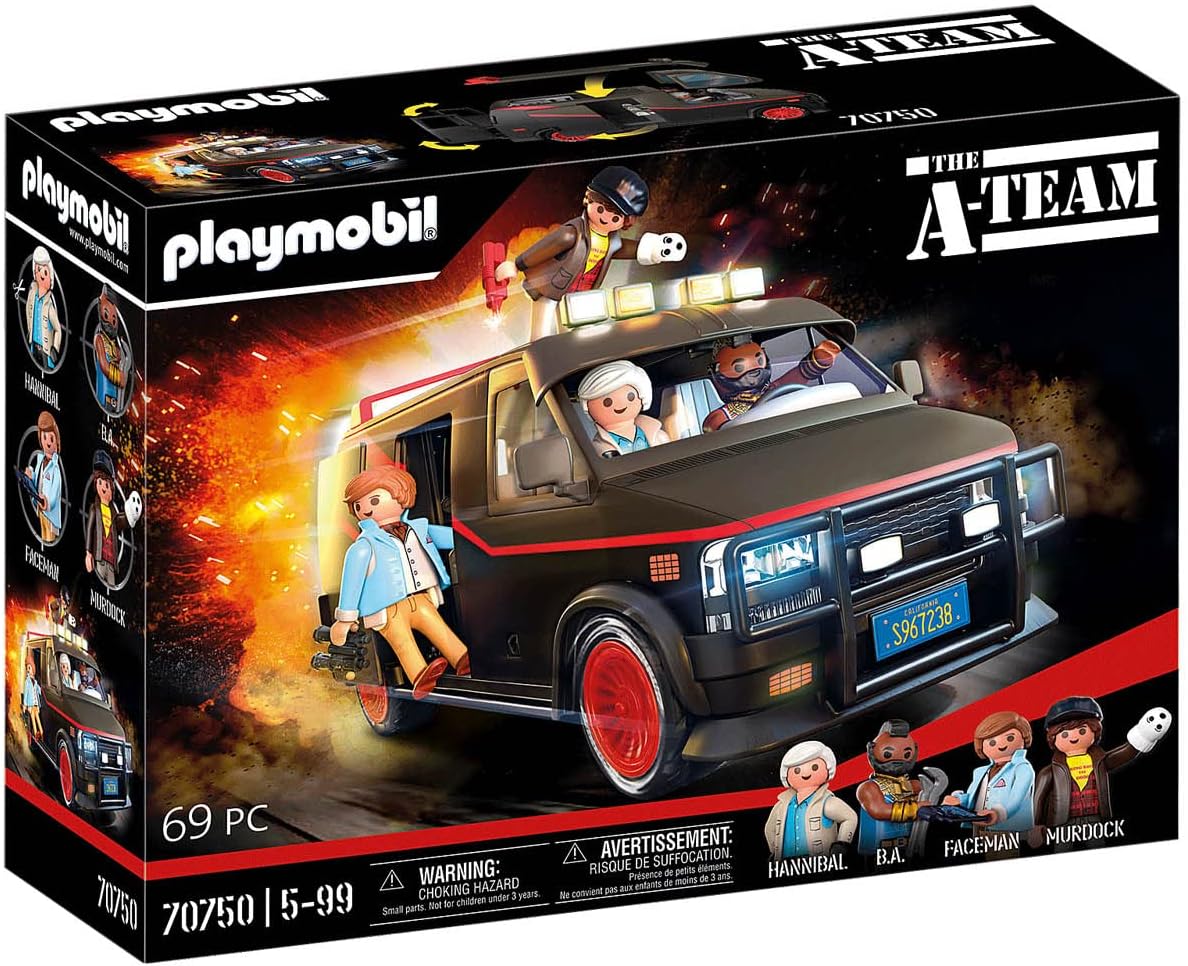
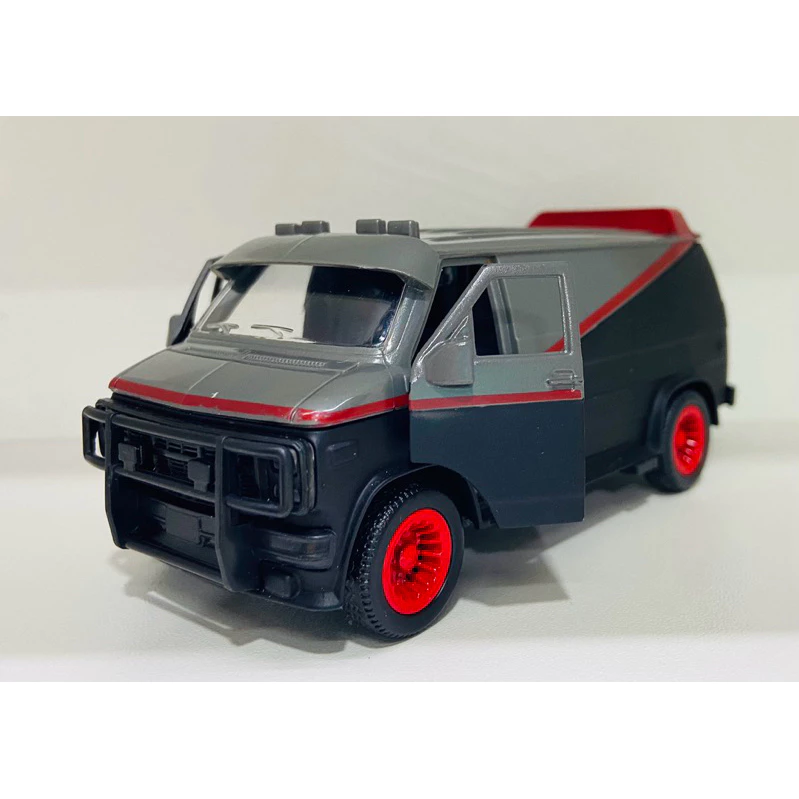
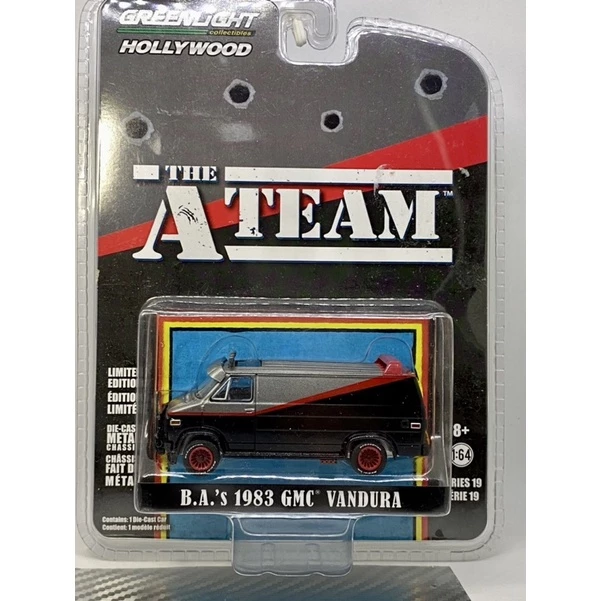
Well, I don’t have one of these in my garage, but I do have a miniature of this beauty on my shelf.
Research sources: Razão Automóvel, The A-Team Wiki, IMDB, Garret on the Road.




![Tênebra: narrativas brasileiras de horror [1839-1899]](/media/advertisements/advertisement_banner_110.jpg)