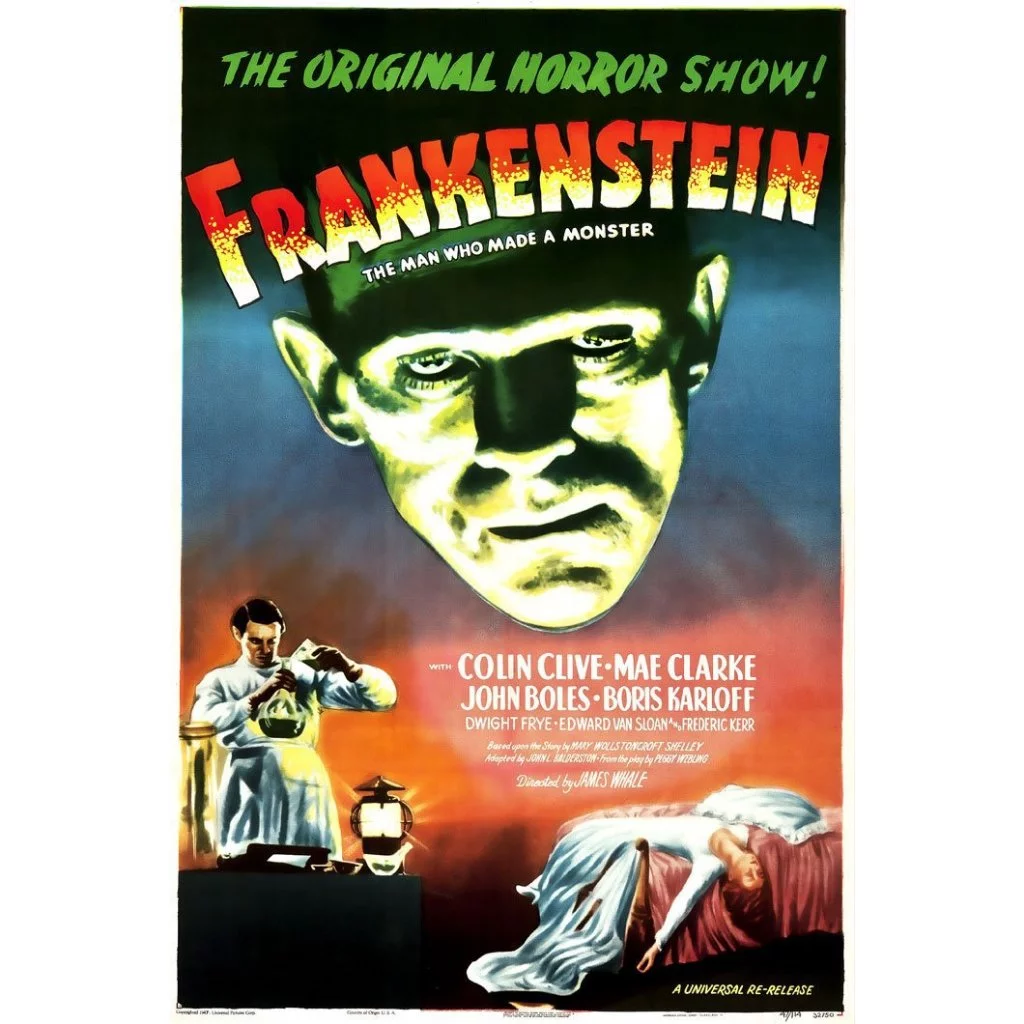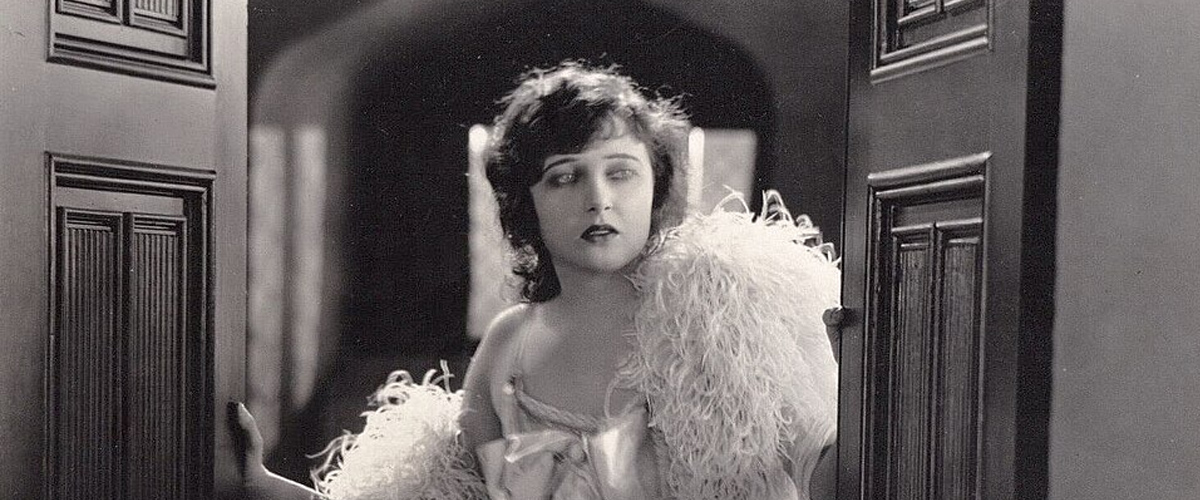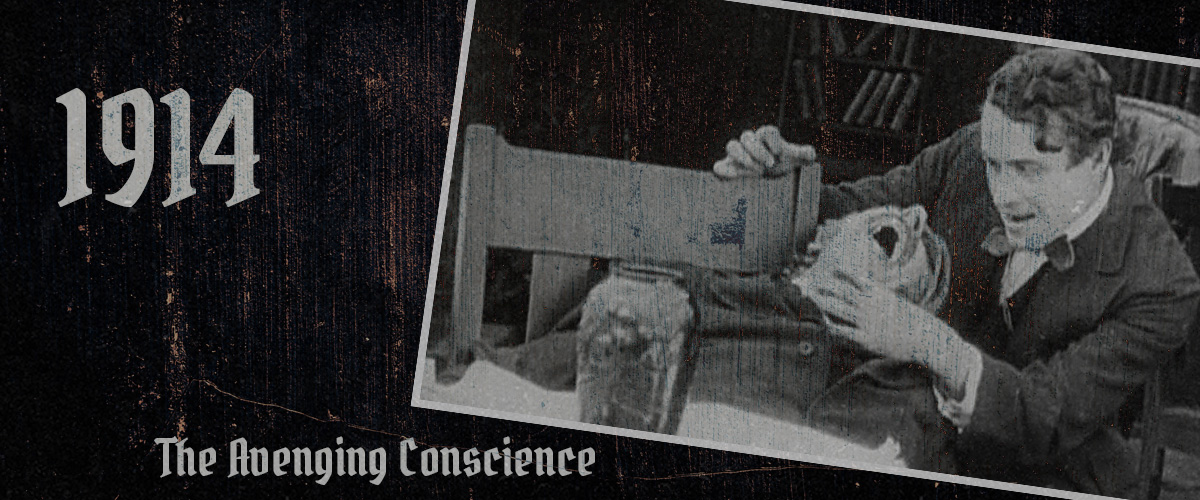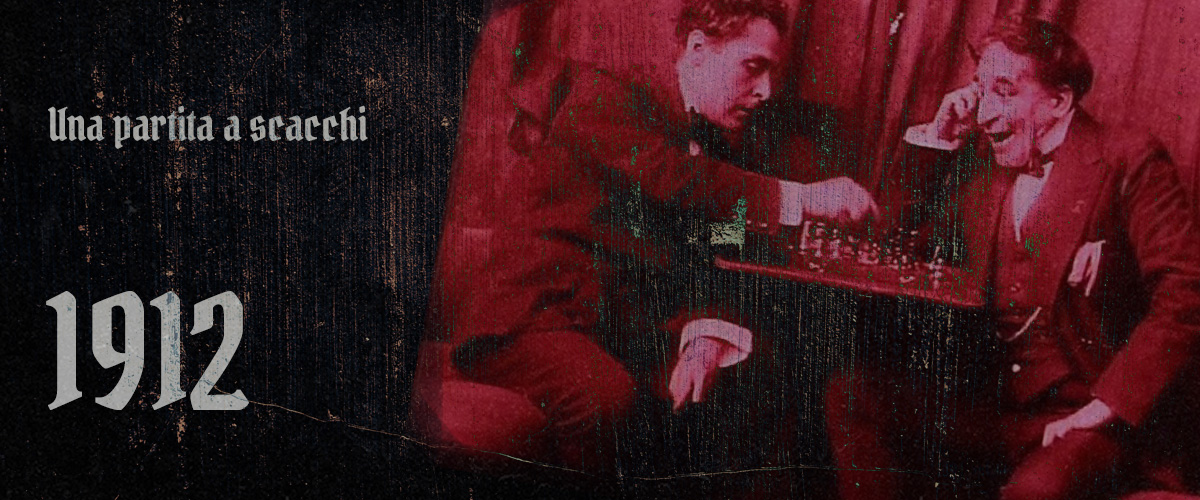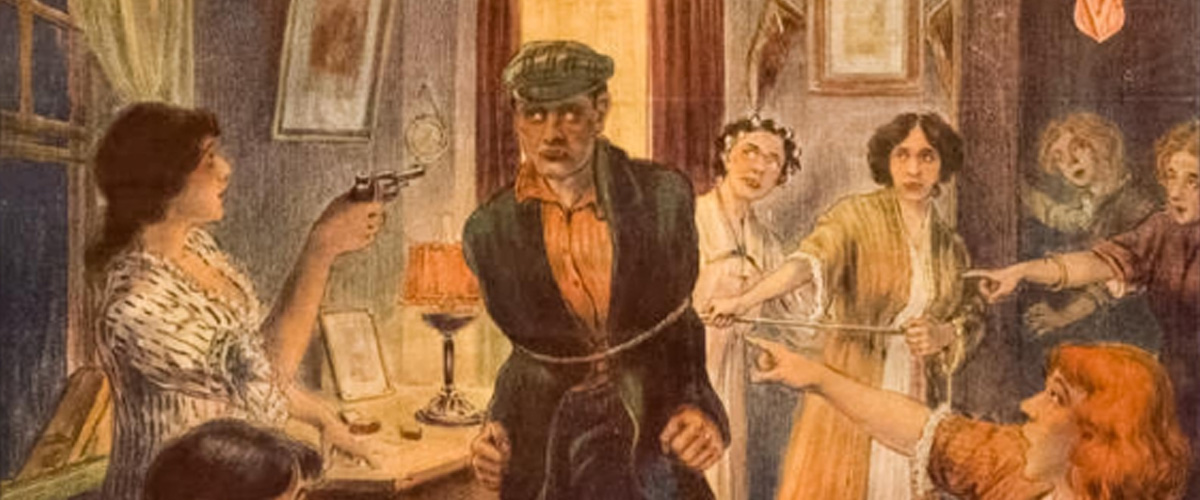
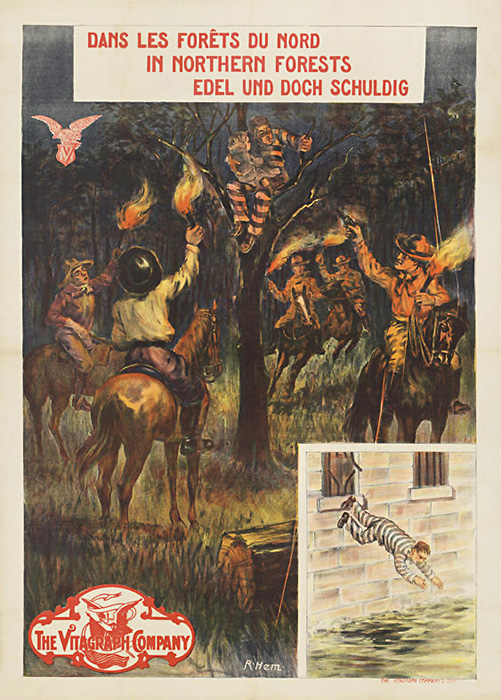
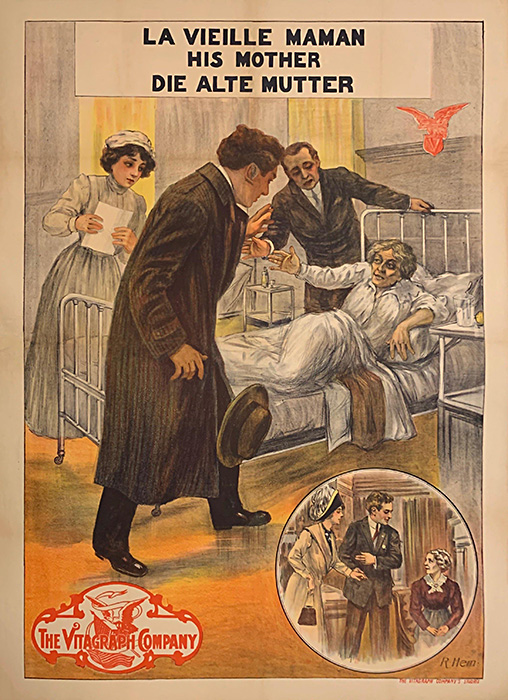
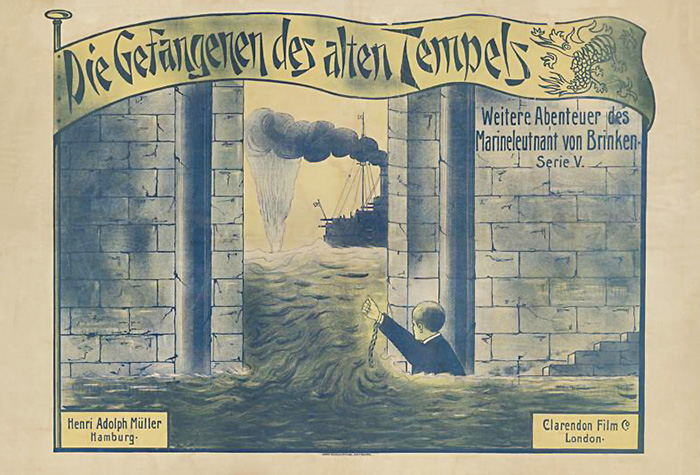
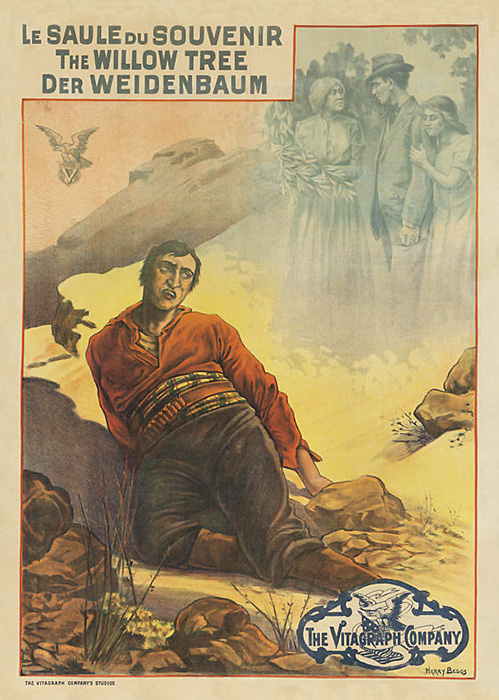
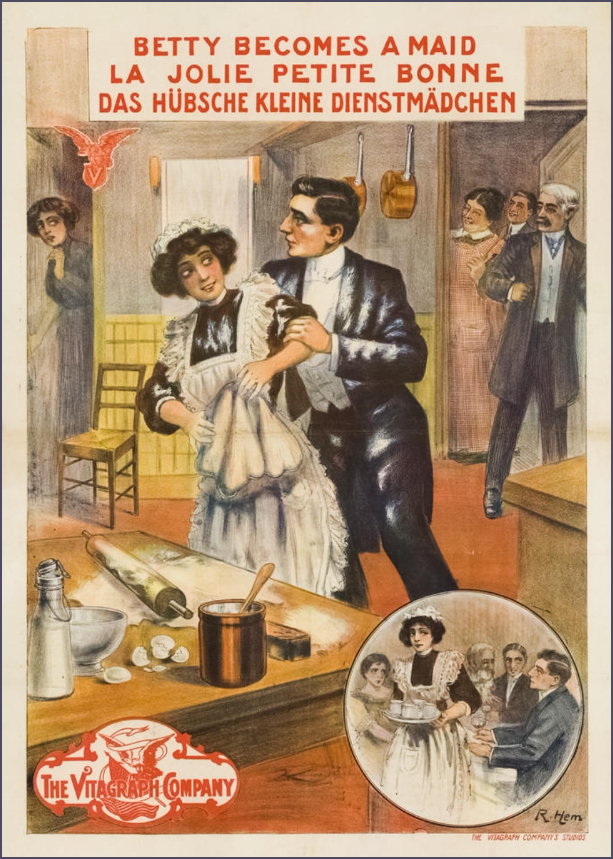
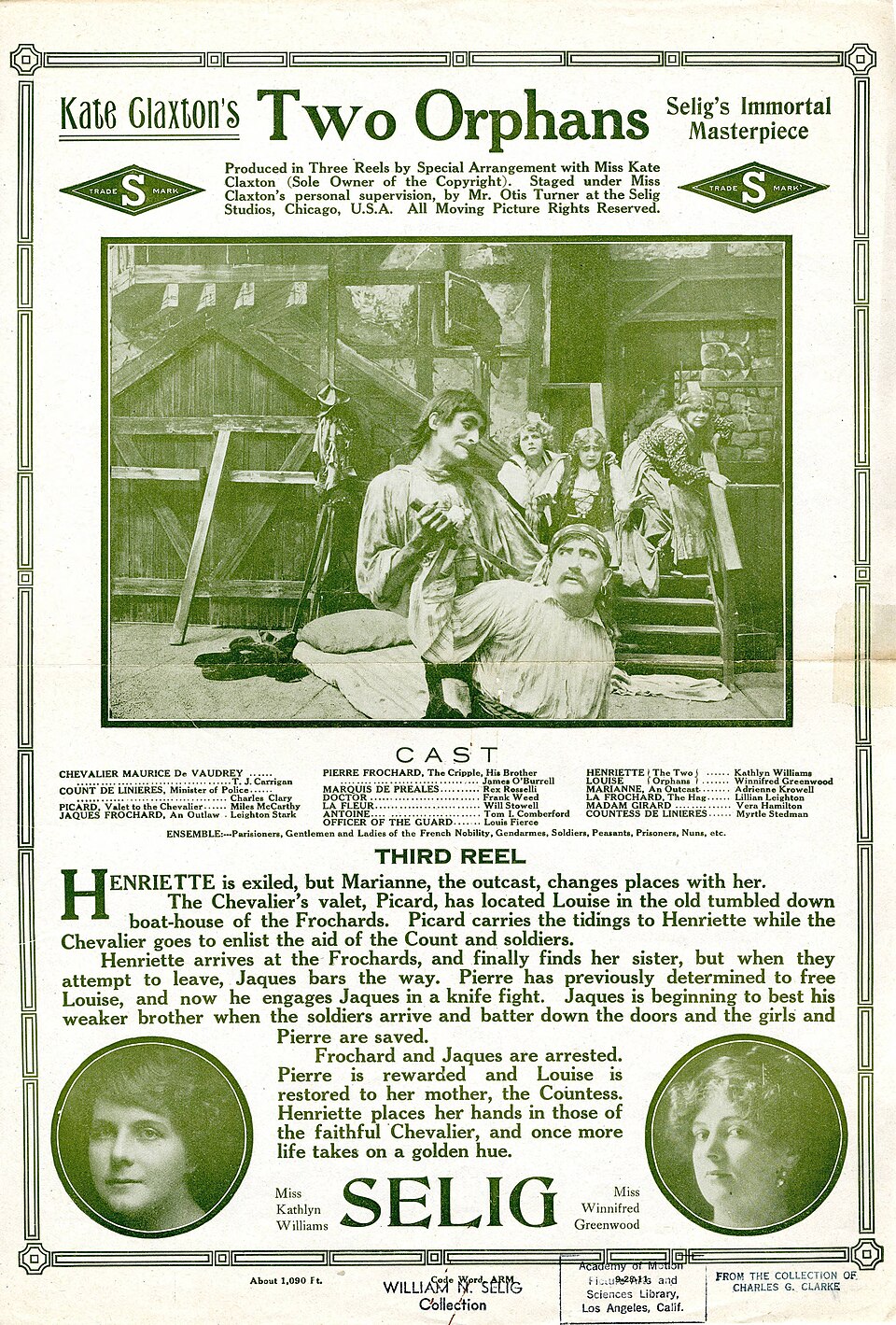
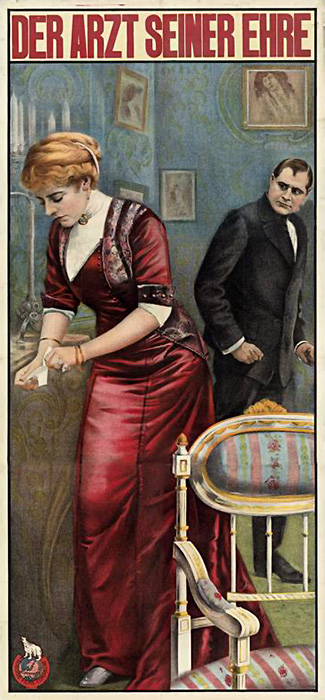
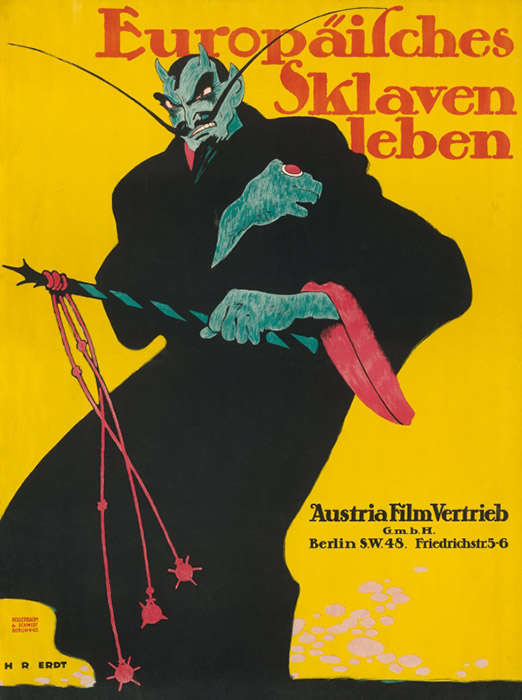
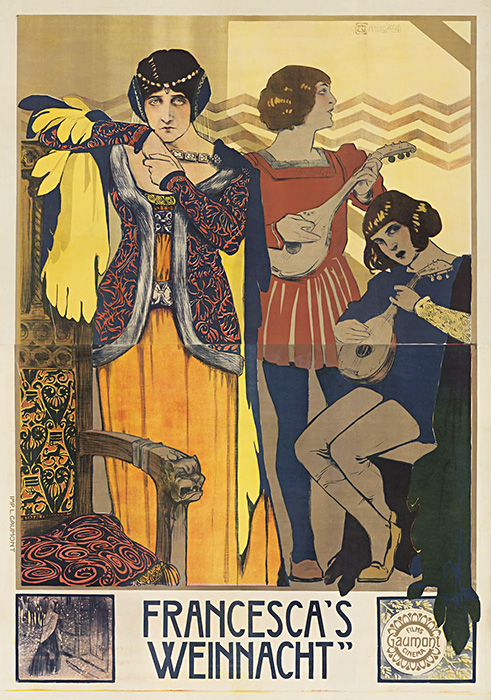
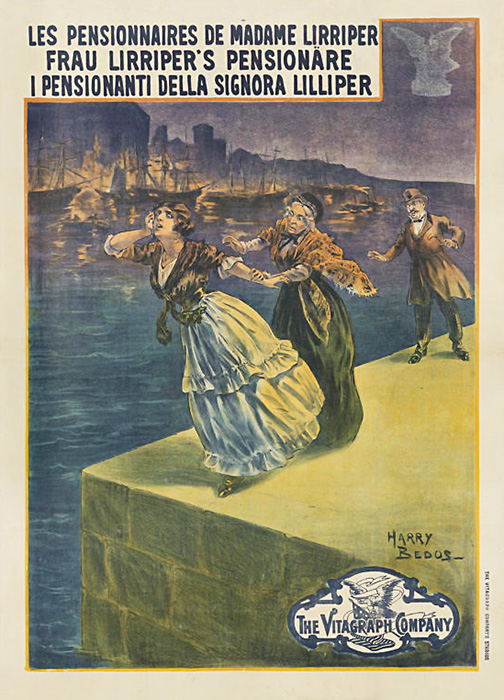
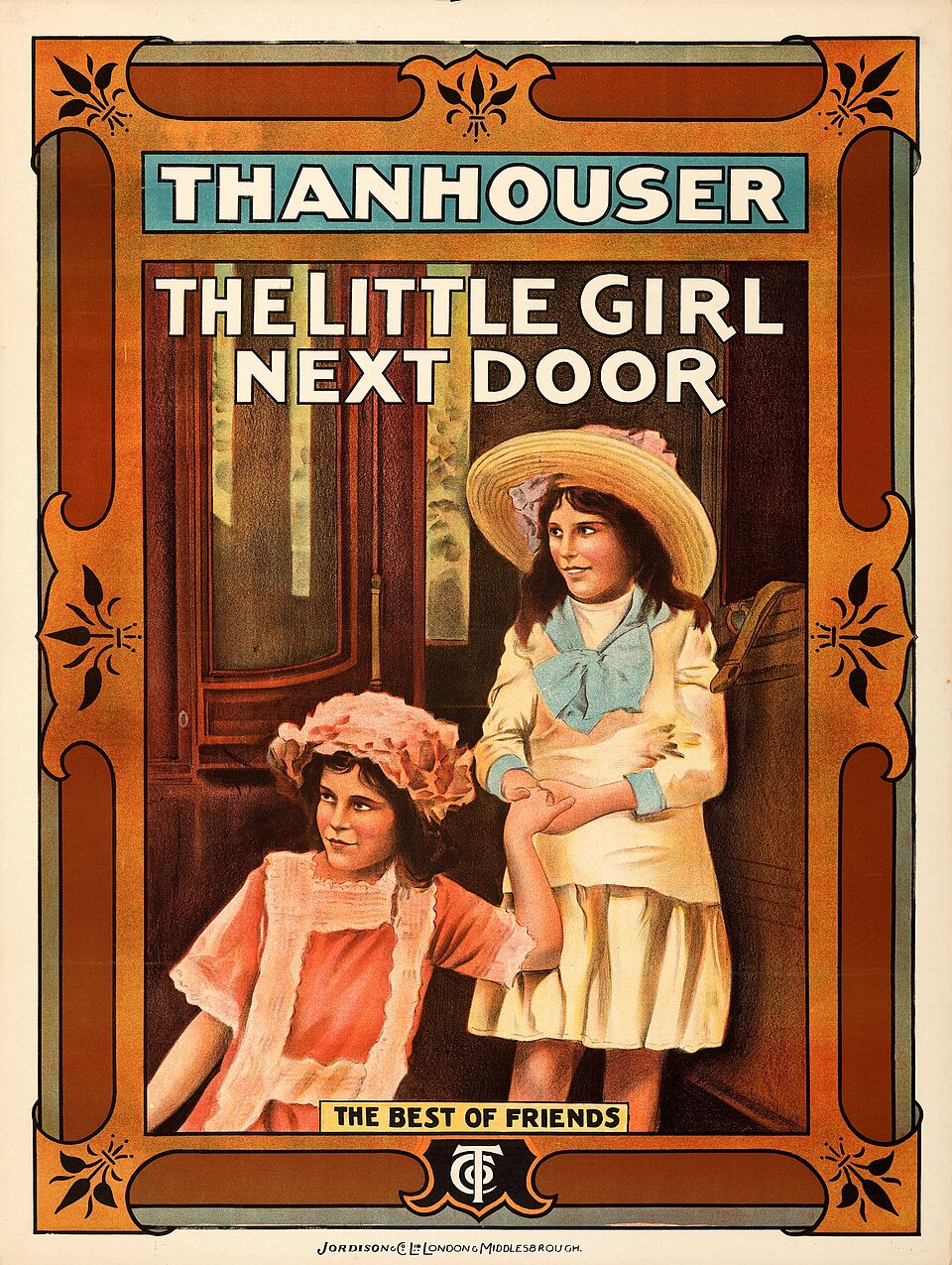
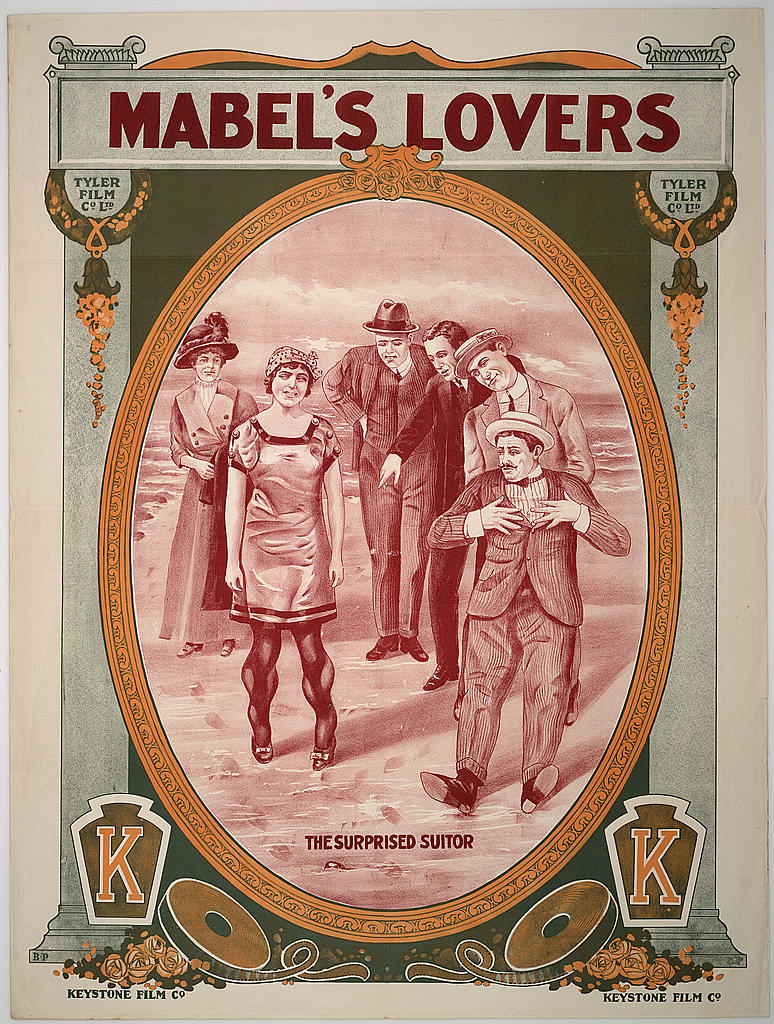
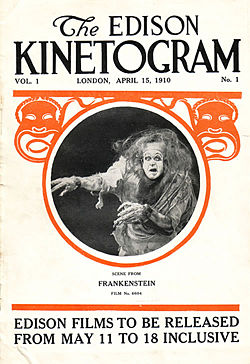
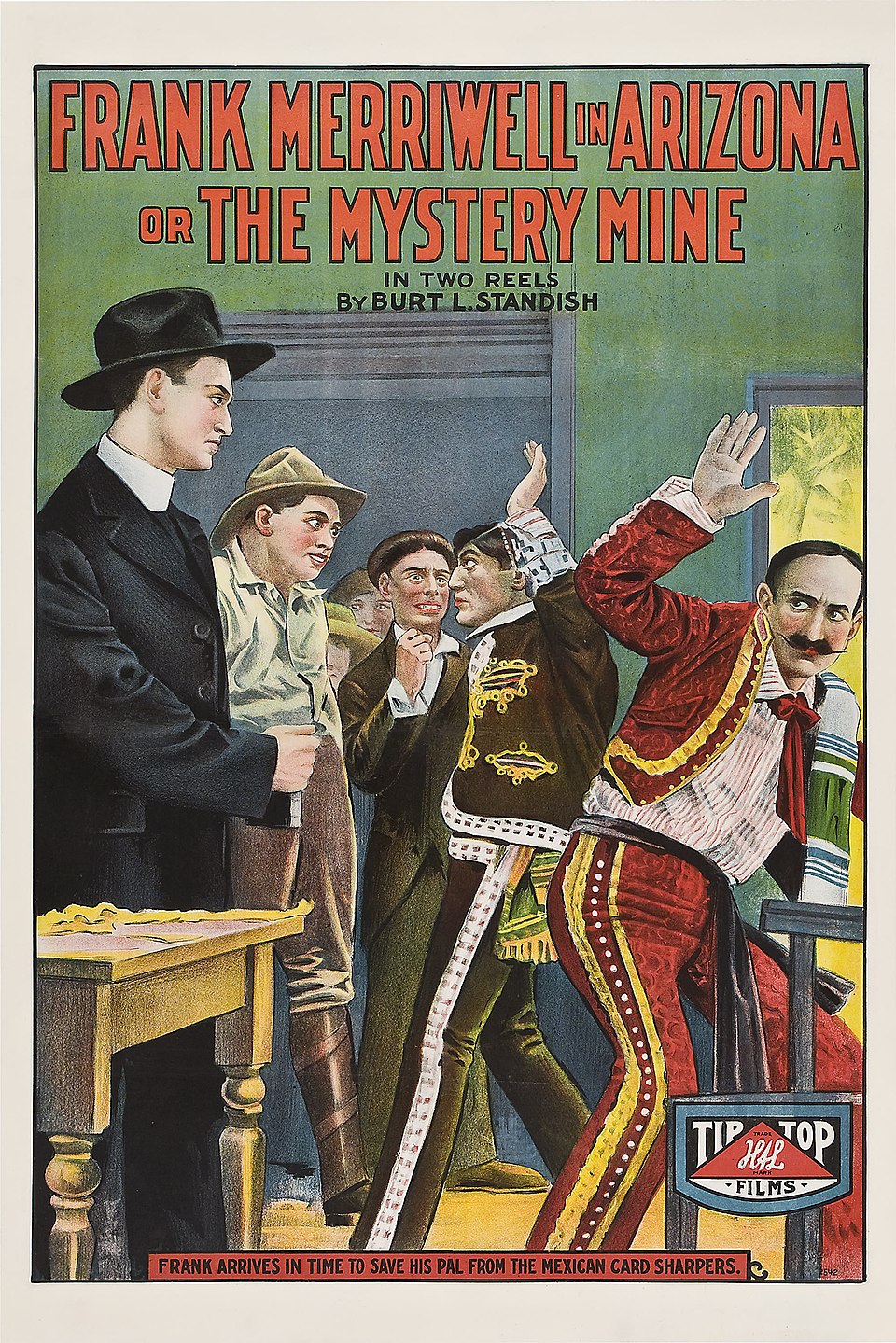
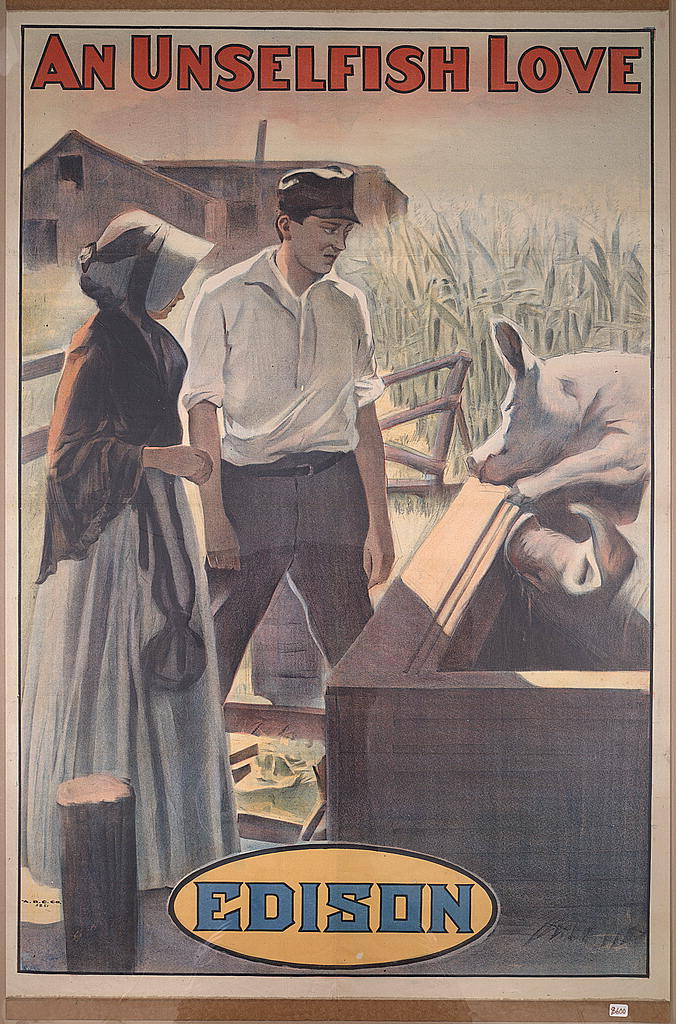
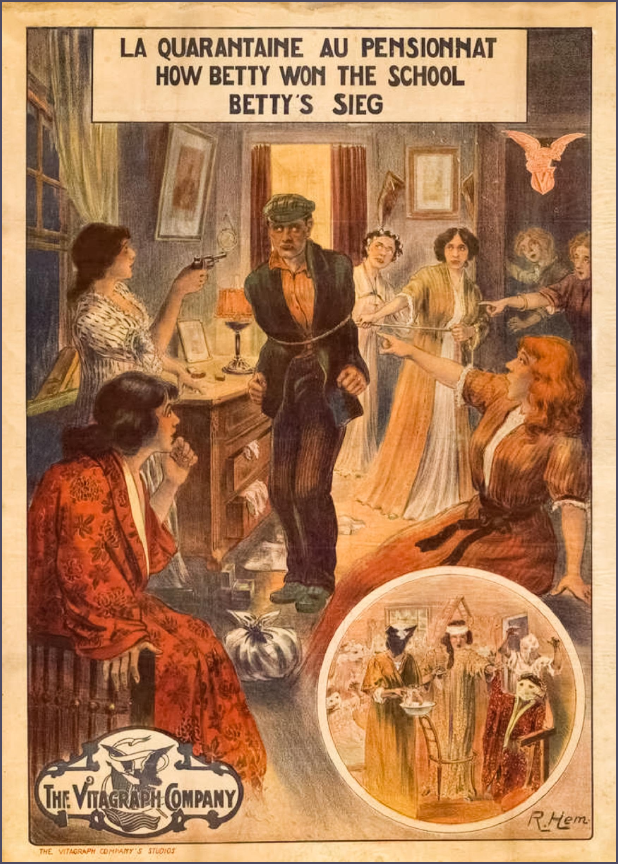
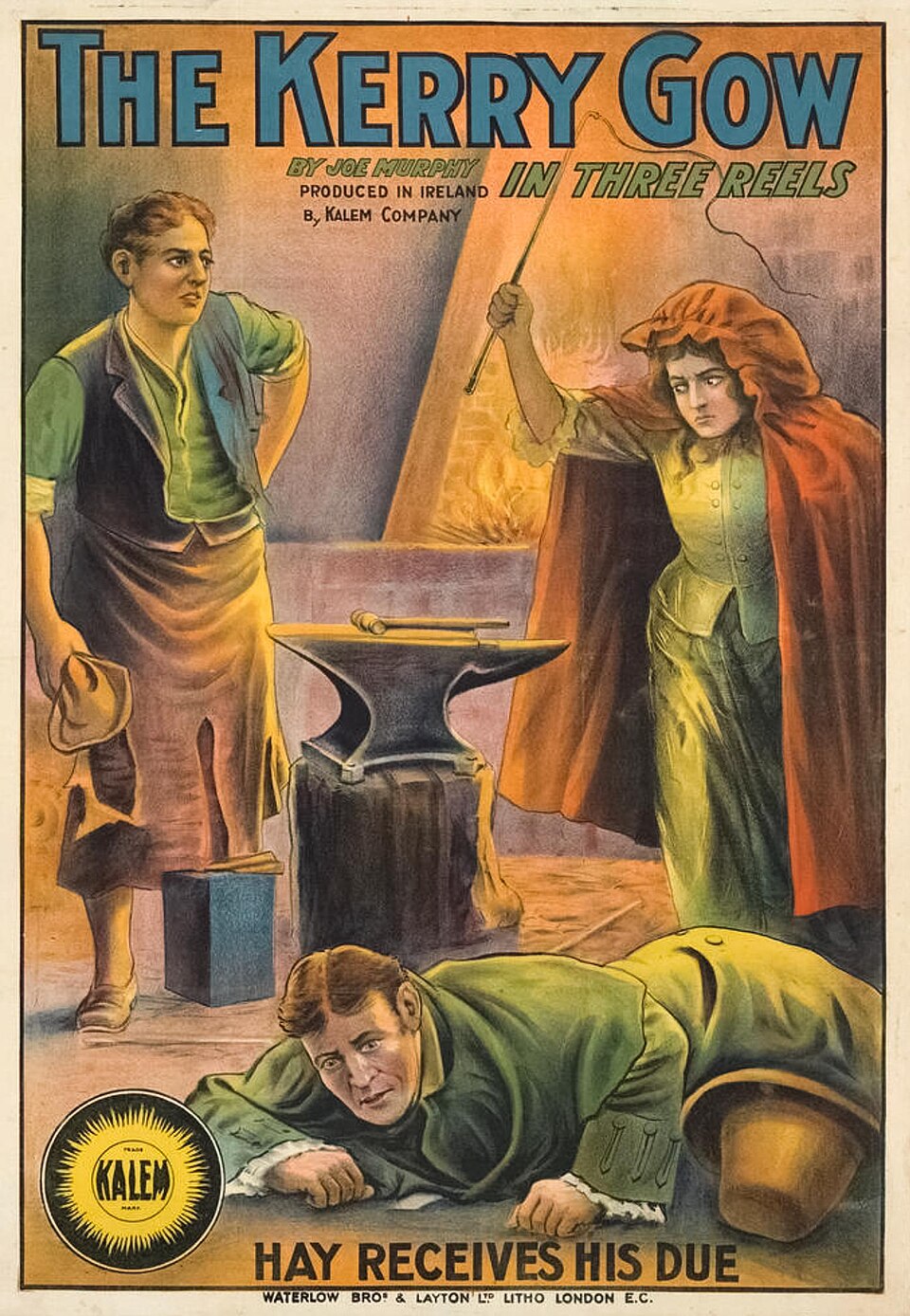
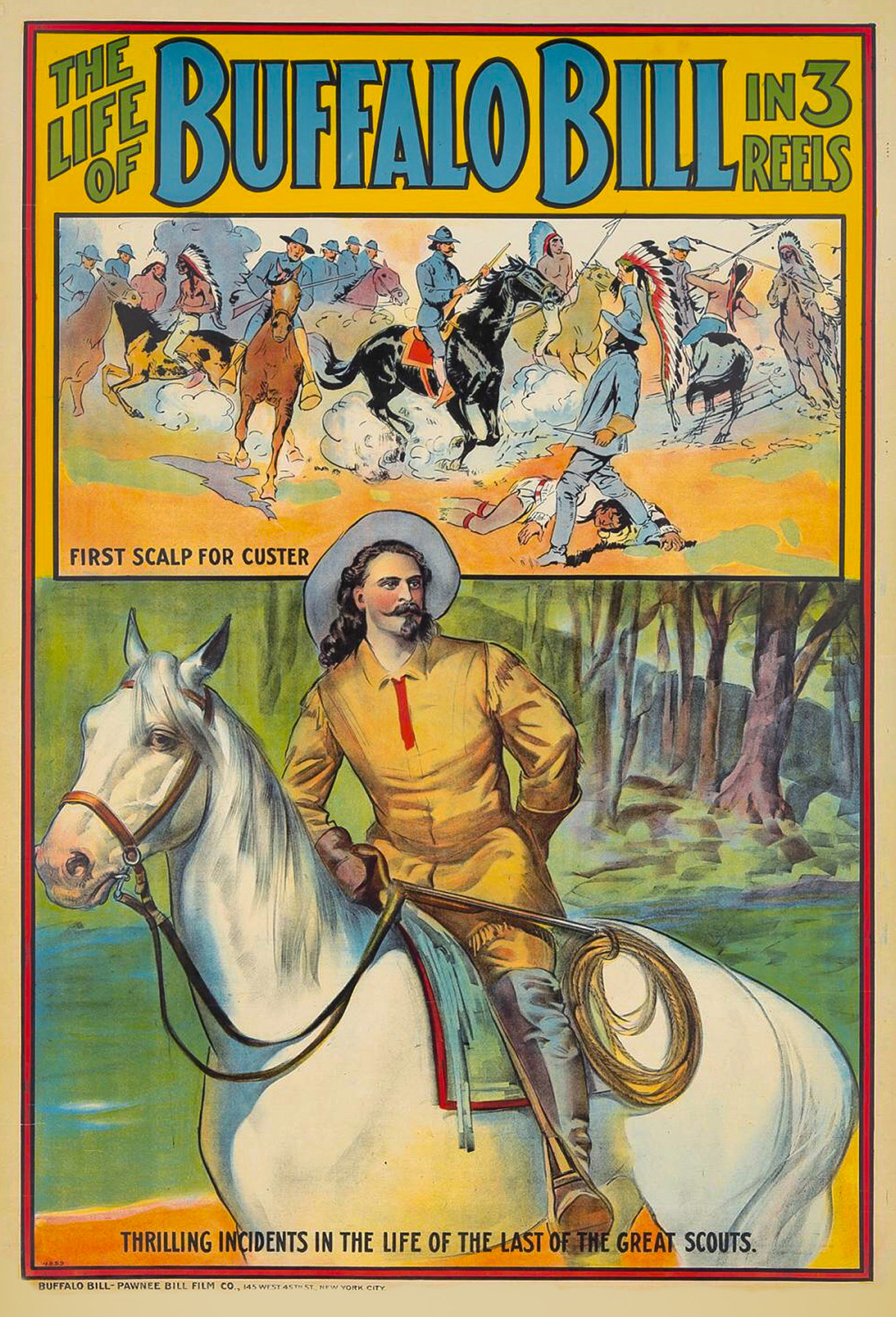
Gradually, producers of short, medium, and feature-length films began to understand the importance of posters in promoting their works. We will see examples ranging from the simplest — such as the poster for the short film Frankenstein (1910, J. Searle Dawley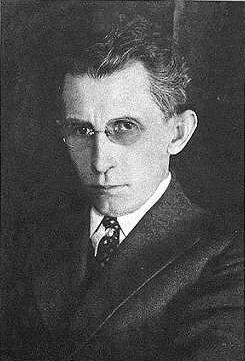 ), produced by Edison Studios and distributed by the Edison Manufacturing Company
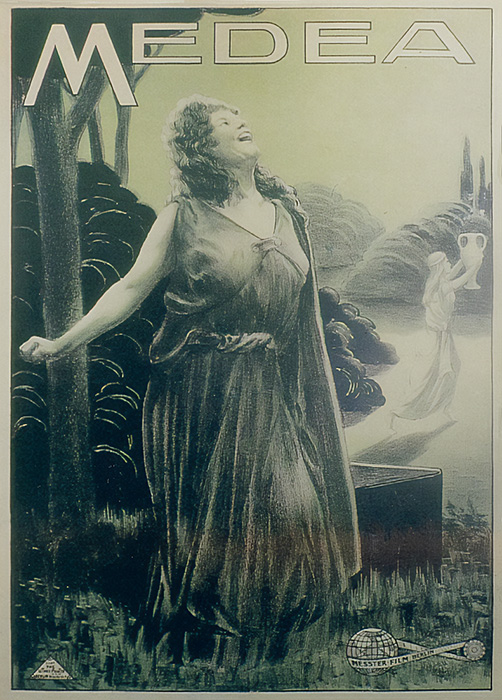
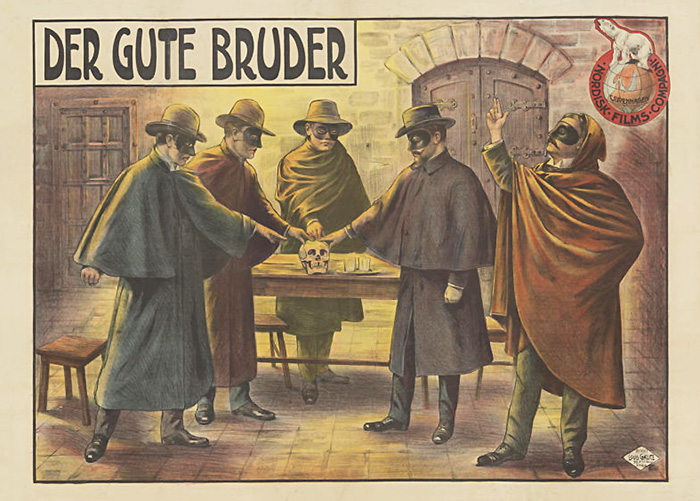
 — to works that, if the typography were removed, could easily be mistaken for paintings worthy of prominent display in an art museum.
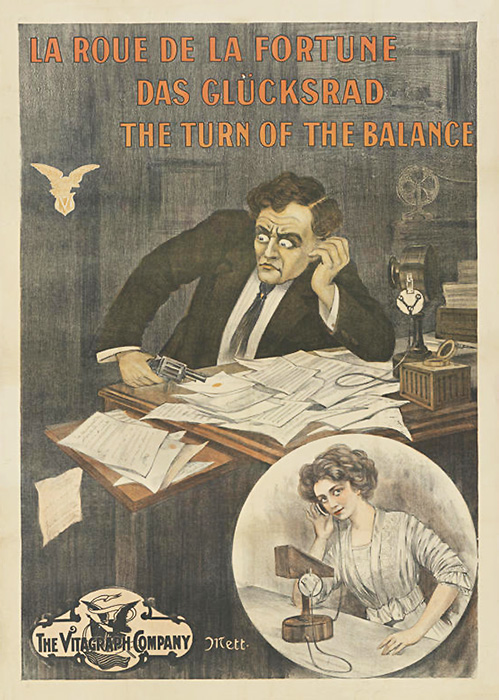
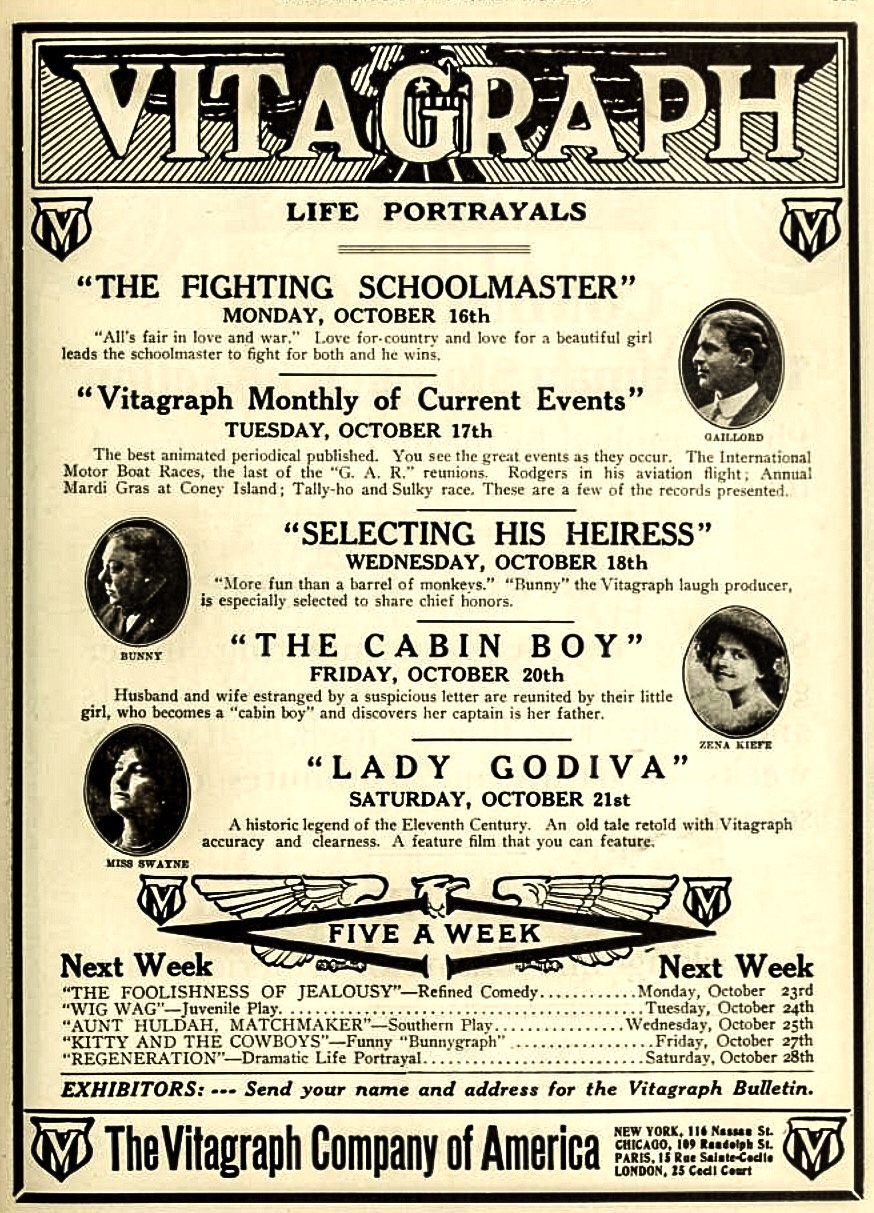
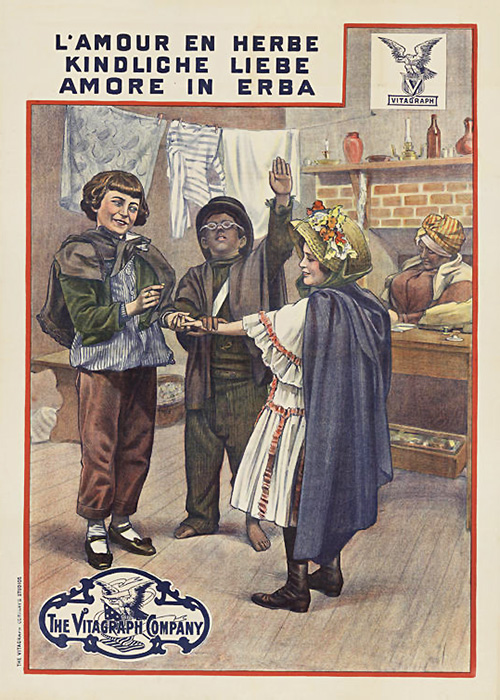
In some cases, the need to promote several releases simultaneously ended up sacrificing some artistic refinement. Even so, this limitation encouraged creative design solutions for posters advertising five, six, or even ten titles at once, already prompting audiences to follow release dates. A good example can be seen in the gallery below, in Vitagraph’s 1911 advertisement, which invited audiences to its upcoming releases.
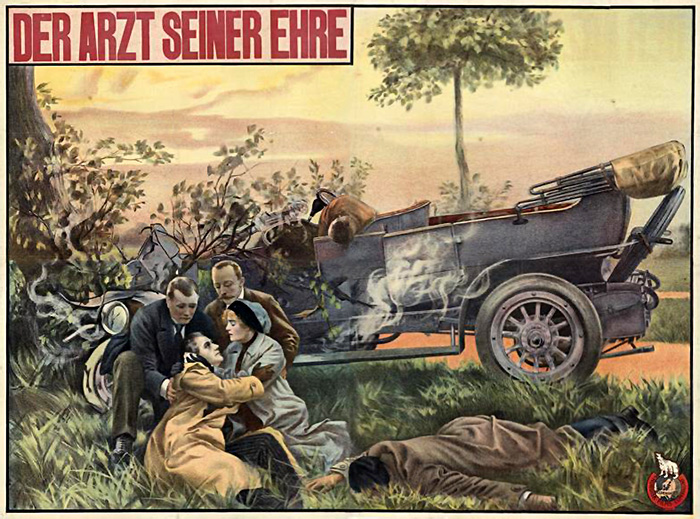
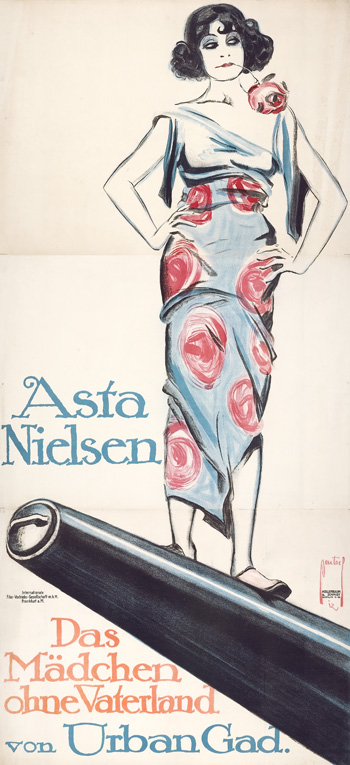
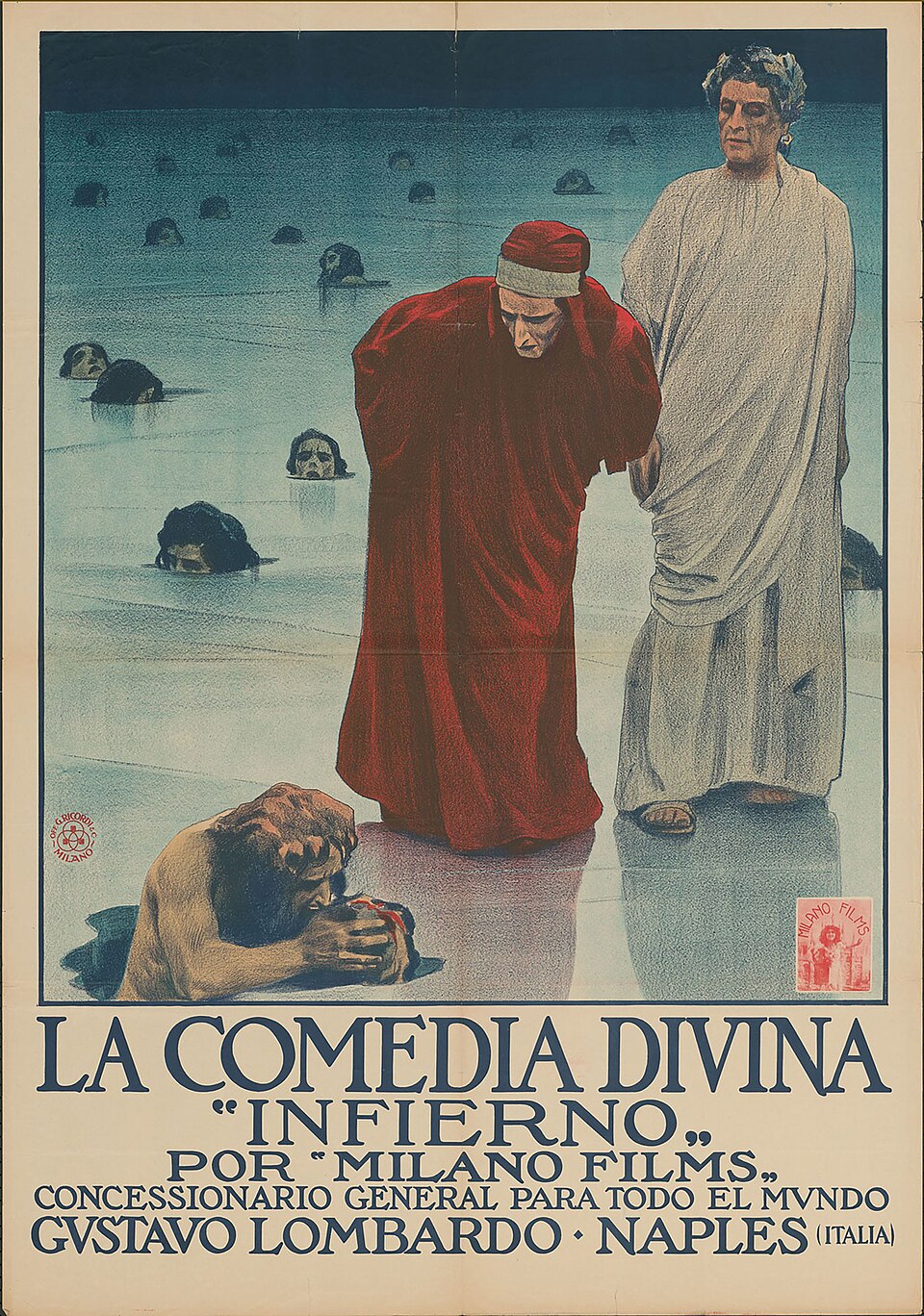
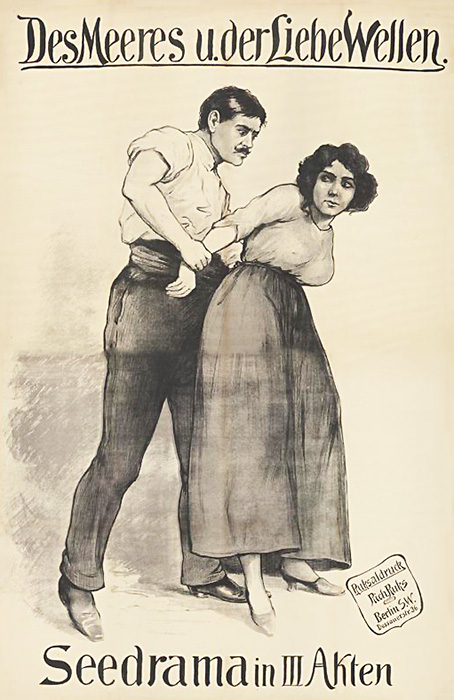
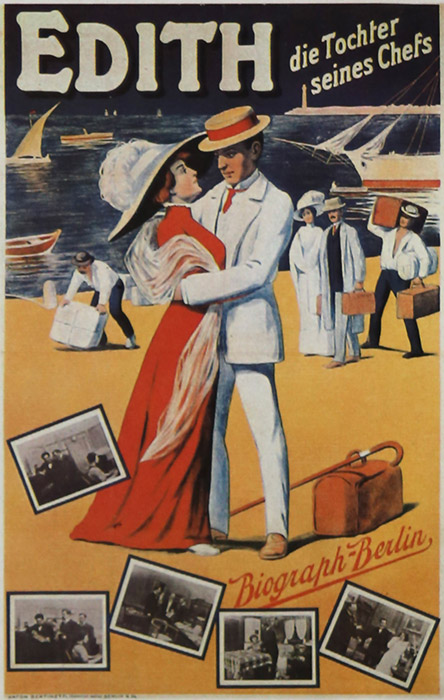
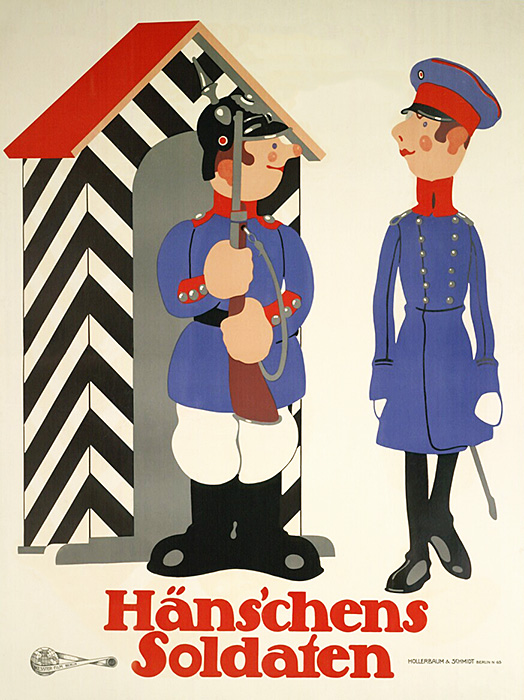
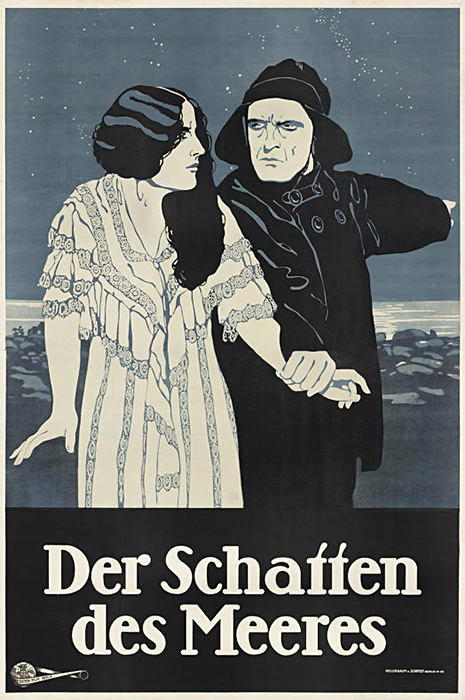
Other countries, beyond France and the United States, also began investing in cinema and, naturally, made use of posters to attract audiences. This includes the Italian production L’Inferno (1911, Giuseppe de Liguoro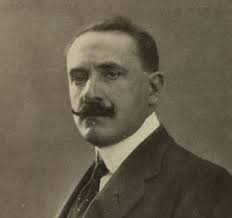 , Adolfo Padovan, Francesco Bertolini
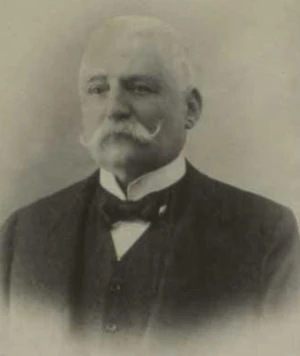 ) and the German film Das Mädchen ohne Vaterland (1912, Urban Gad
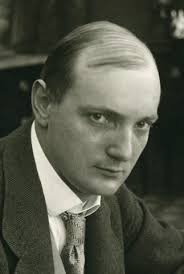 ), whose poster was signed by Ernst Dryden
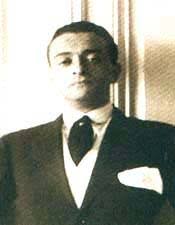 , a German-American illustrator.
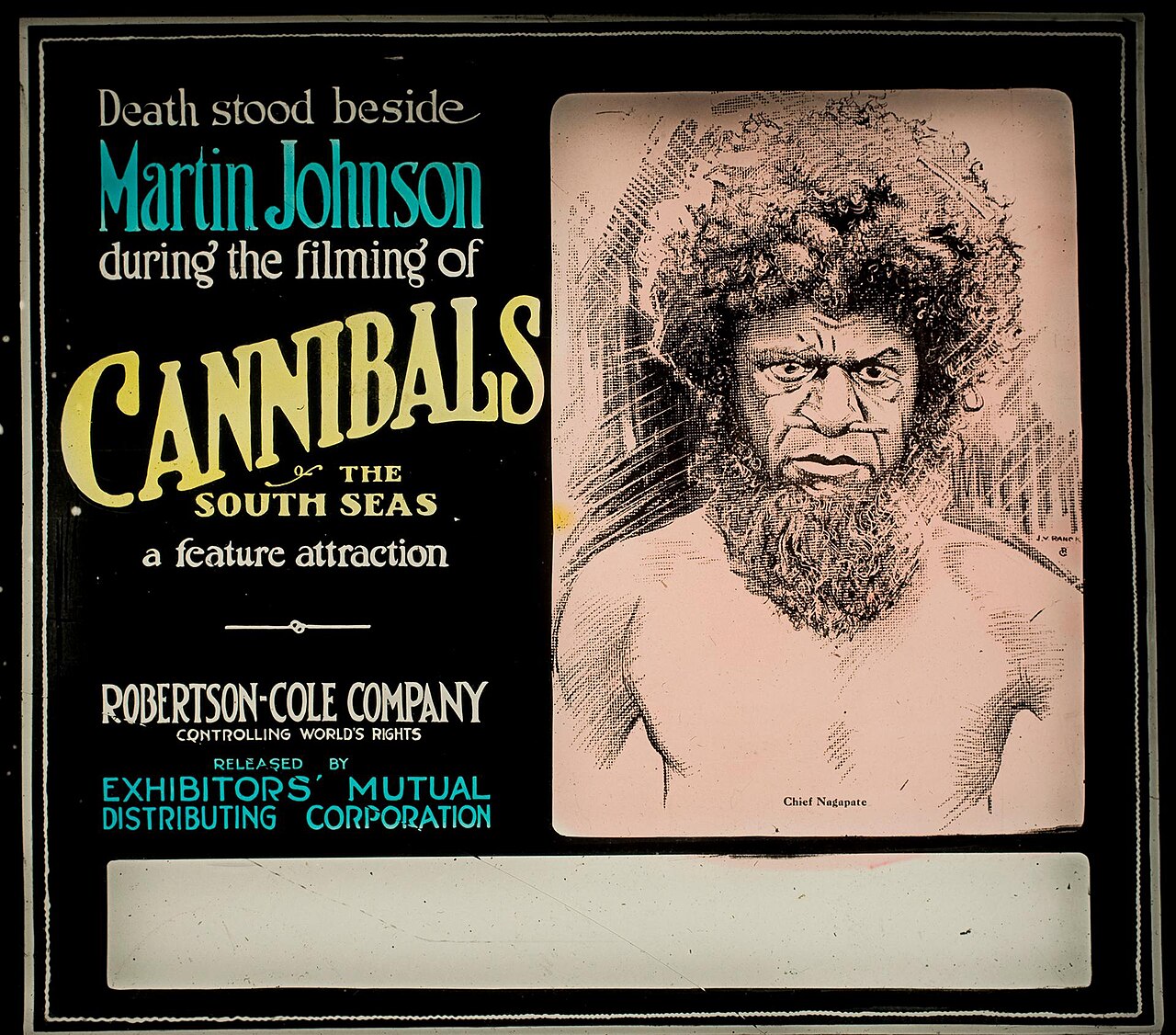
Documentaries also joined this wave of promotion through more elaborate posters, as seen in Cannibals of the South Seas (1912, Martin E. Johnson , Osa Johnson
 ).
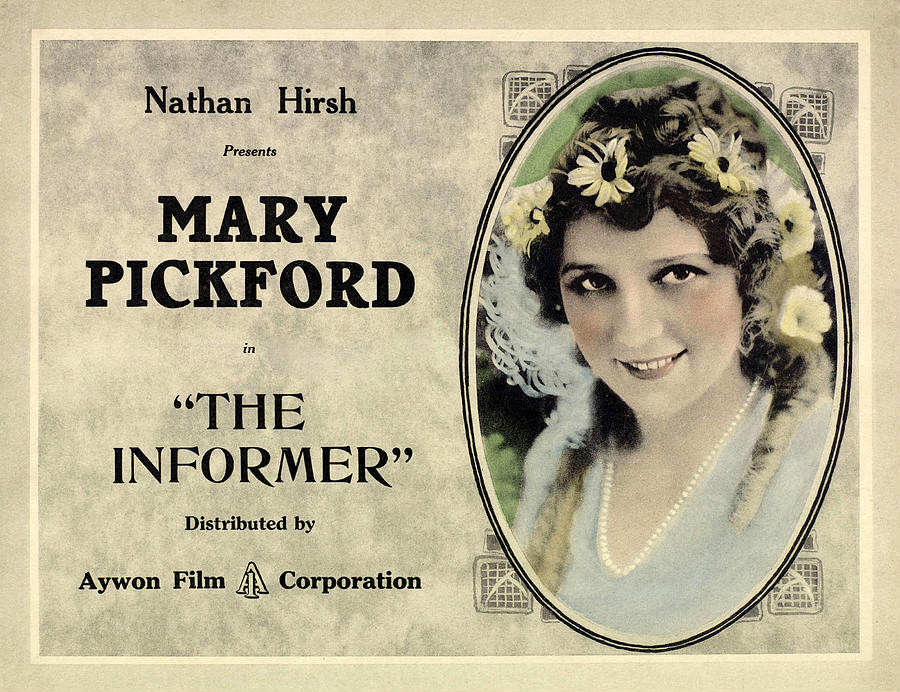
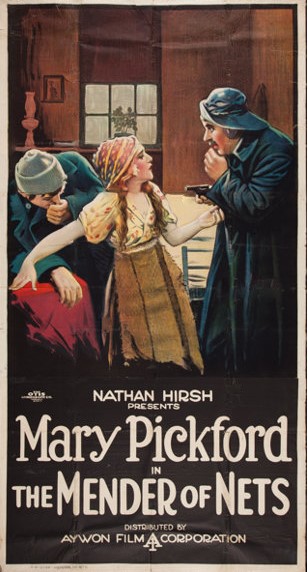
It is also during this period that lobby cards began to be produced — a type of small poster usually displayed in the cinema lobby — hence the name — which could feature scenes from the films, reduced reproductions of posters, or photographs and illustrations of the film stars. One example is the lobby card featuring actress Mary Pickford
).
It is also during this period that lobby cards began to be produced — a type of small poster usually displayed in the cinema lobby — hence the name — which could feature scenes from the films, reduced reproductions of posters, or photographs and illustrations of the film stars. One example is the lobby card featuring actress Mary Pickford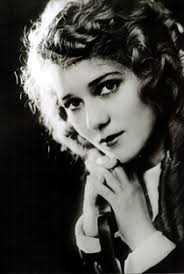 for the film The Informer (1912, D. W. Griffith
 ).
).
Research sources: Pixartprinting, MutualArt, IMDb, Wikimedia Commons, Cine Ressources, Warner Bros. Entertainment Wiki