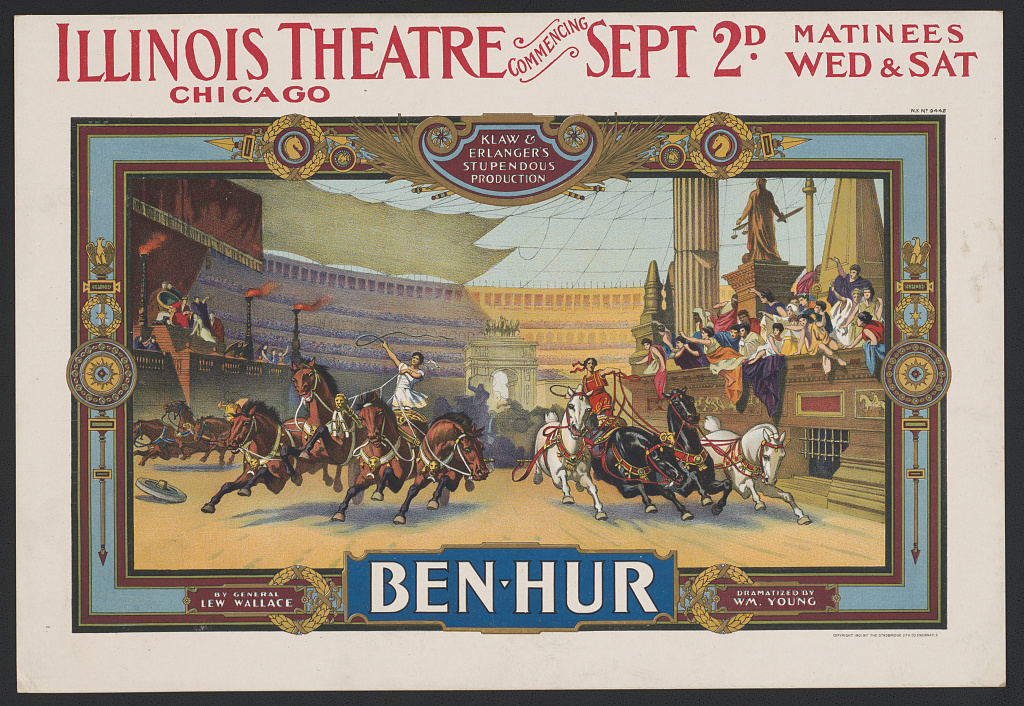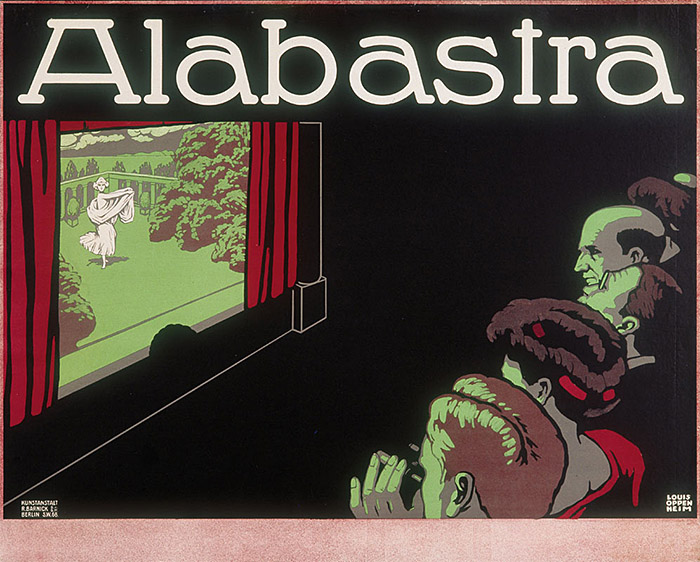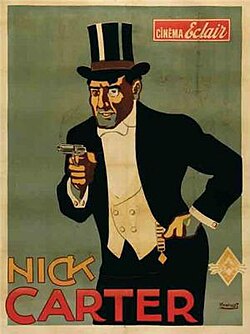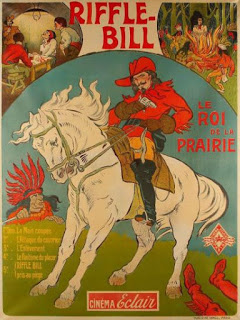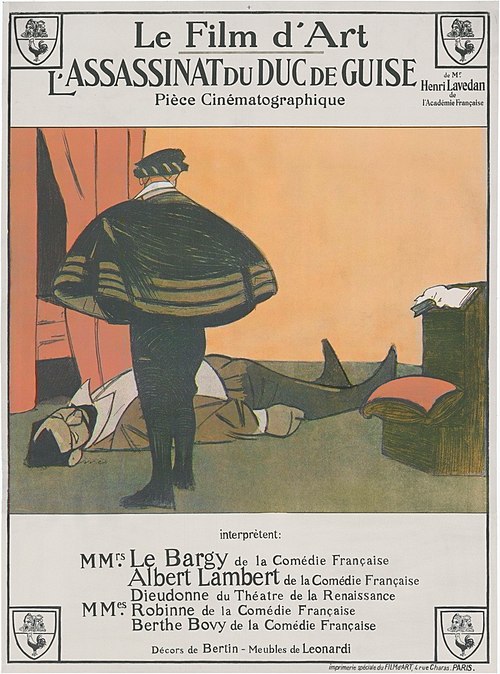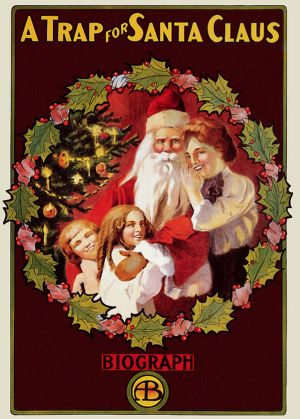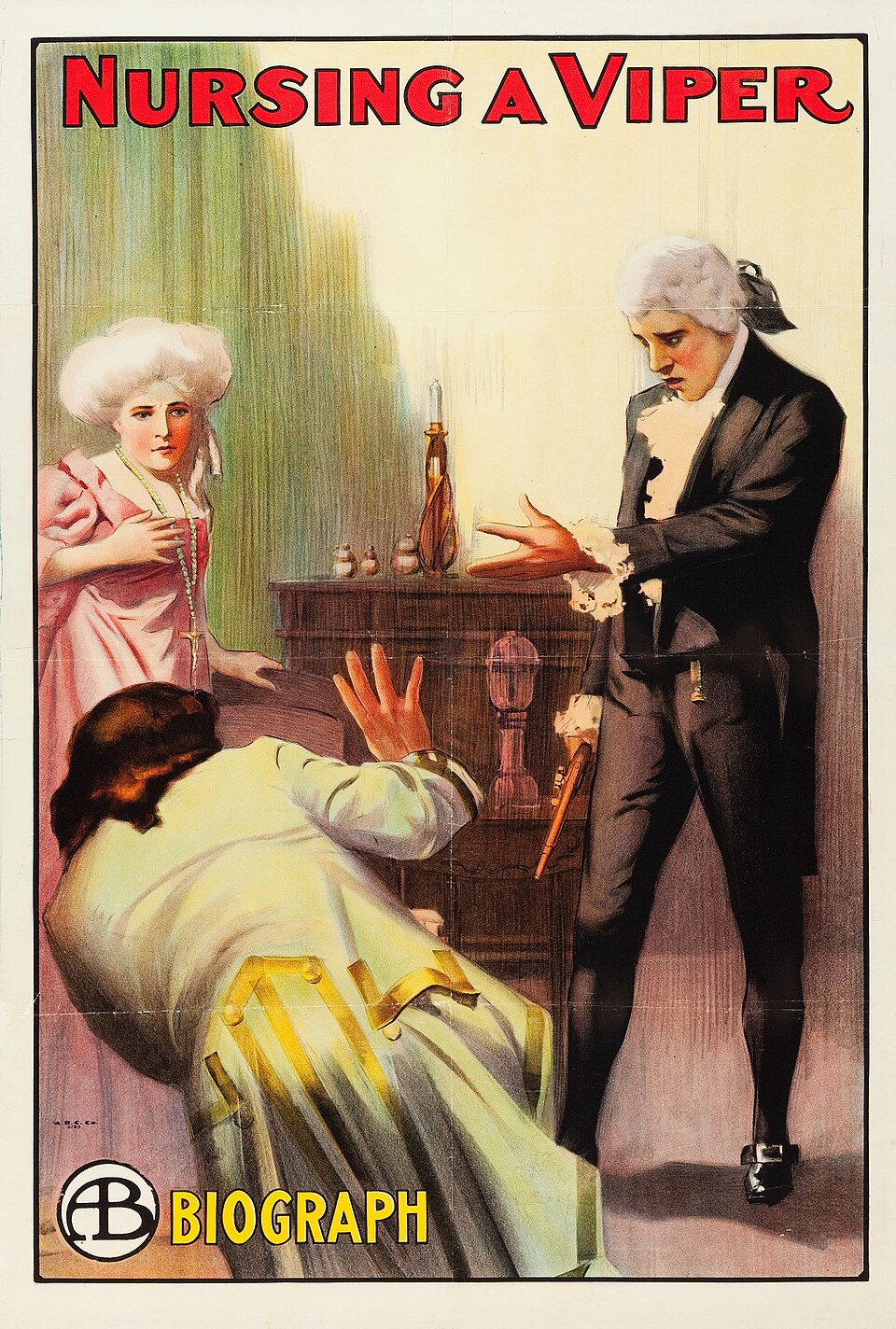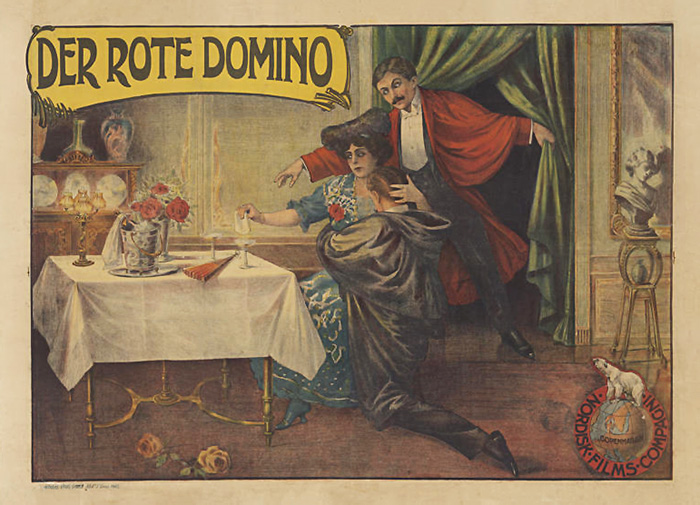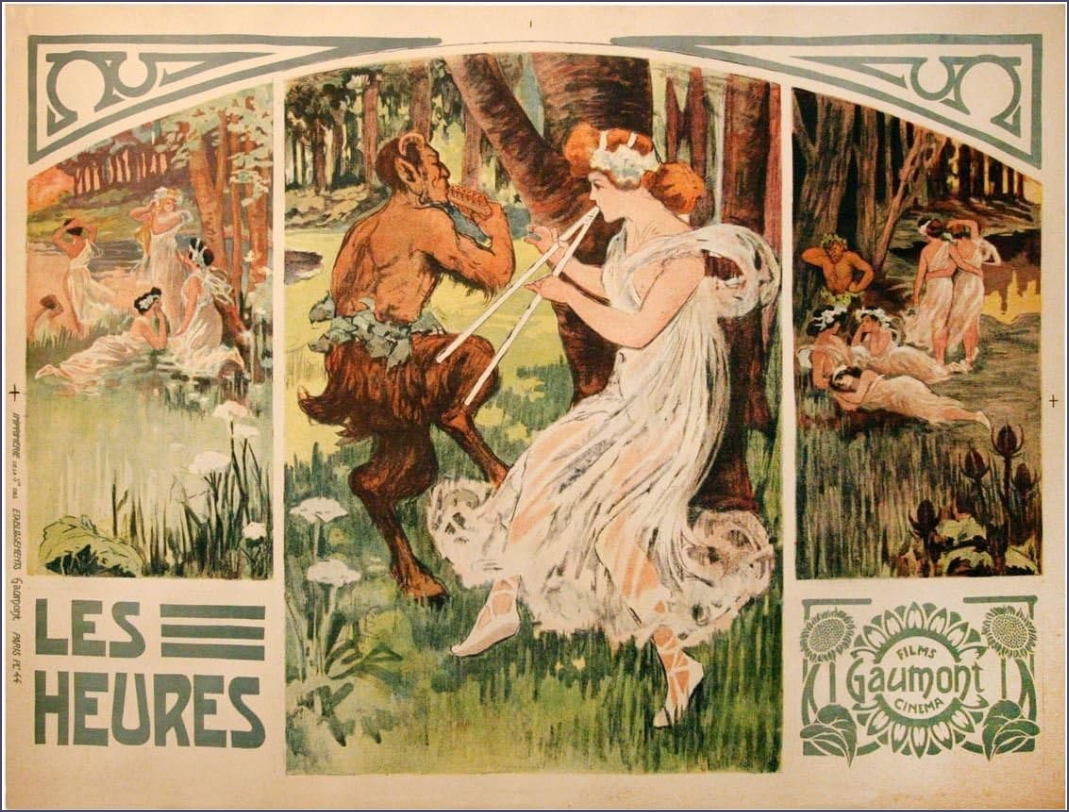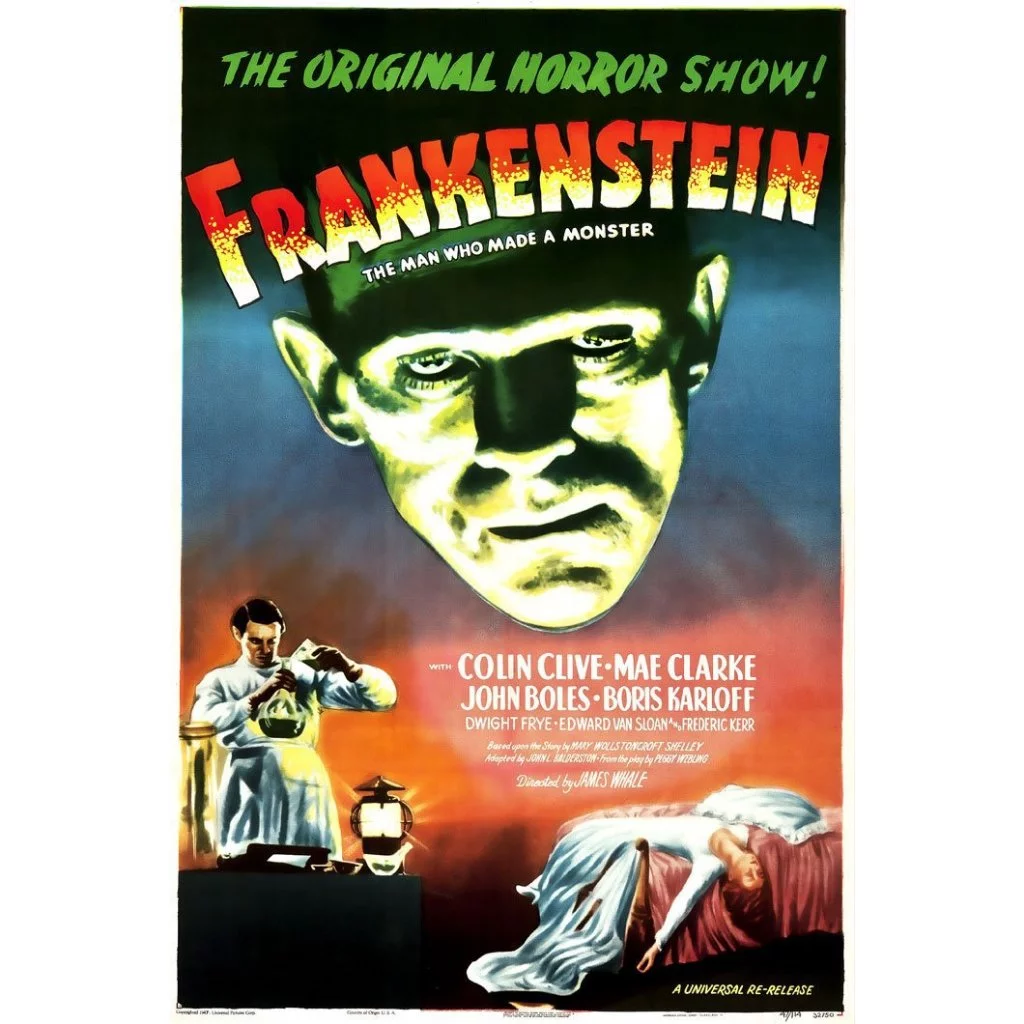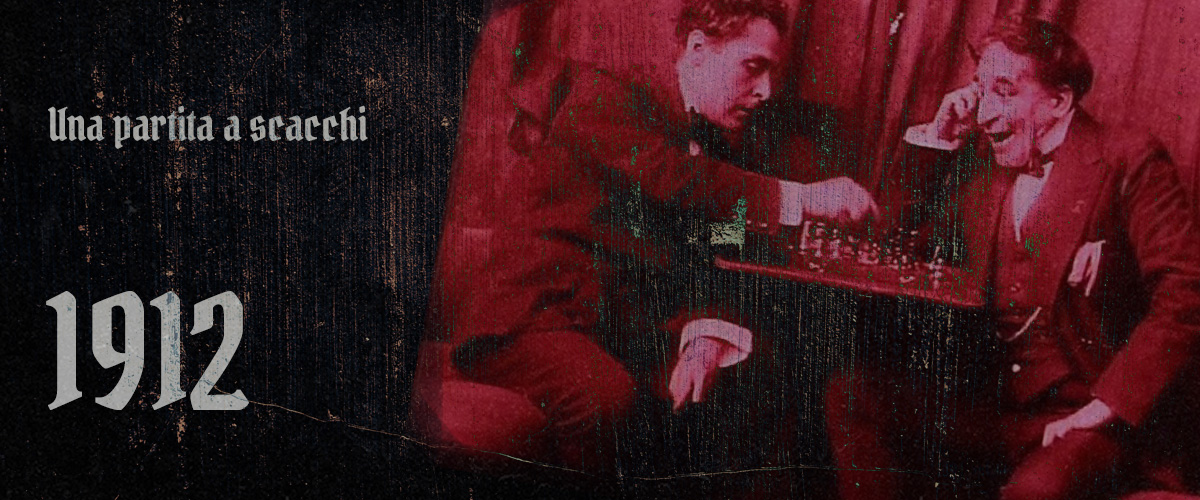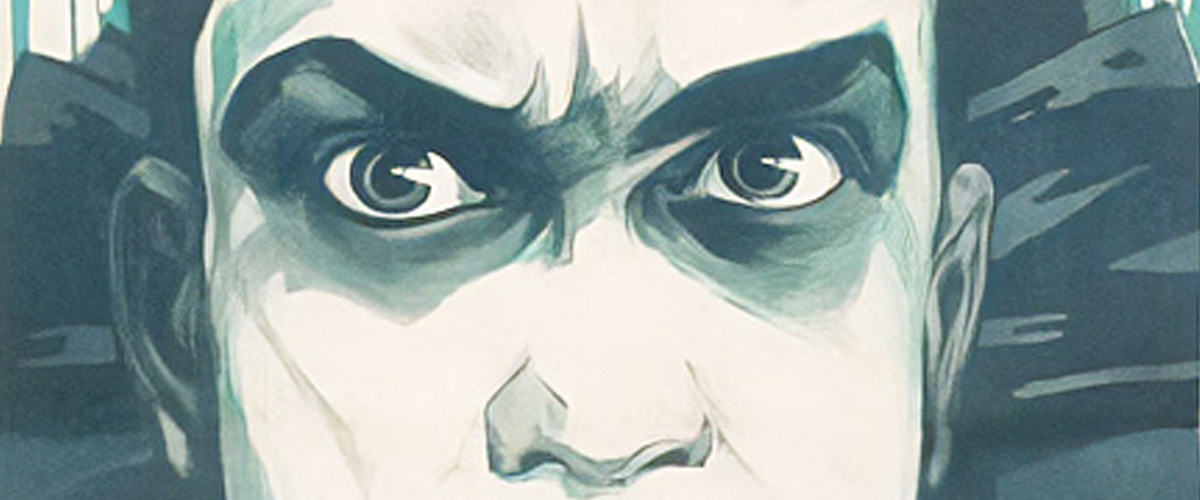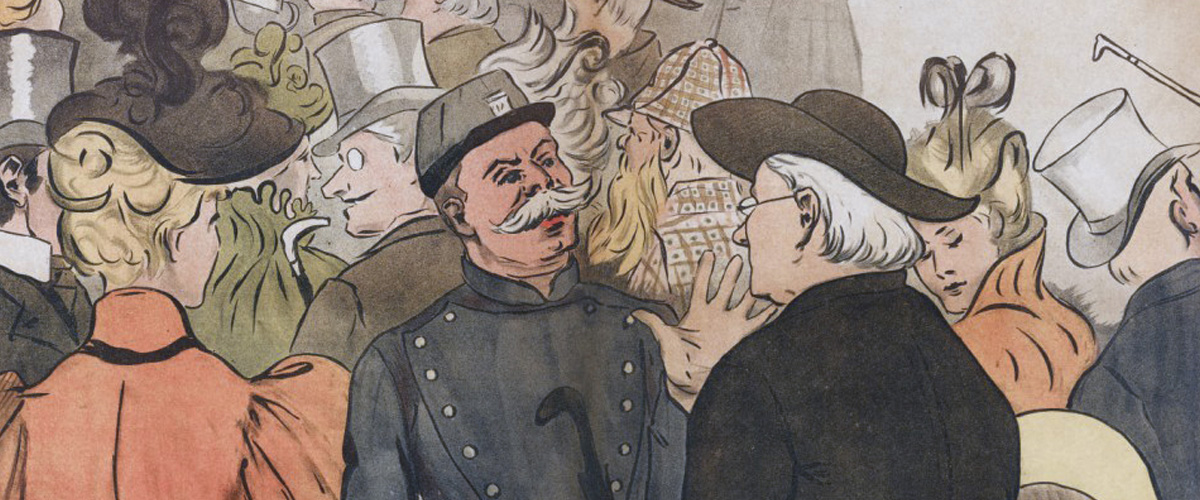
In the late 19th and early 20th centuries, the so-called “Cinema Painters” created posters heavily influenced by theater and circus bills. The goal was not just to provide information but to create a visual impact capable of drawing in the public, emphasizing titles and slogans. In some cases, scenes from the films appeared on the posters, allowing audiences to judge if the work was suitable for the whole family.
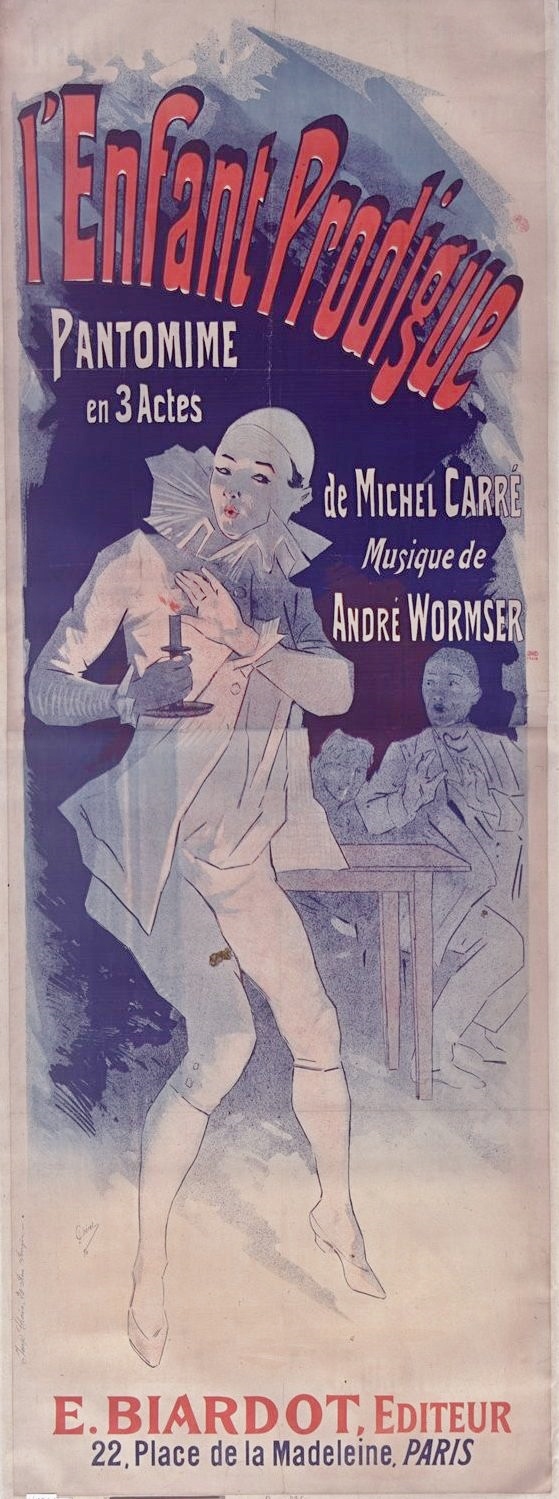
Speaking of pioneers, besides the Lumière brothers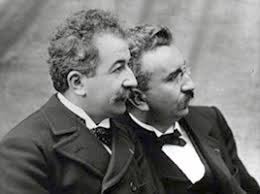 , we can mention names like Jules Chéret
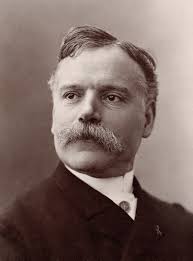 and Marcellin Auzolle, who worked for the Lumières on some of the first cinematic posters, already showing a clear Art Nouveau influence1.
Reusable posters, or "stock posters," also existed during this period and could be used for different events. Information about the show was added or updated periodically. An example can be seen below in a work by Adrien Barrère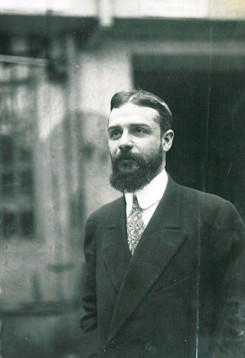 , where a blank space could be filled with different illustrations depending on the film being promoted.
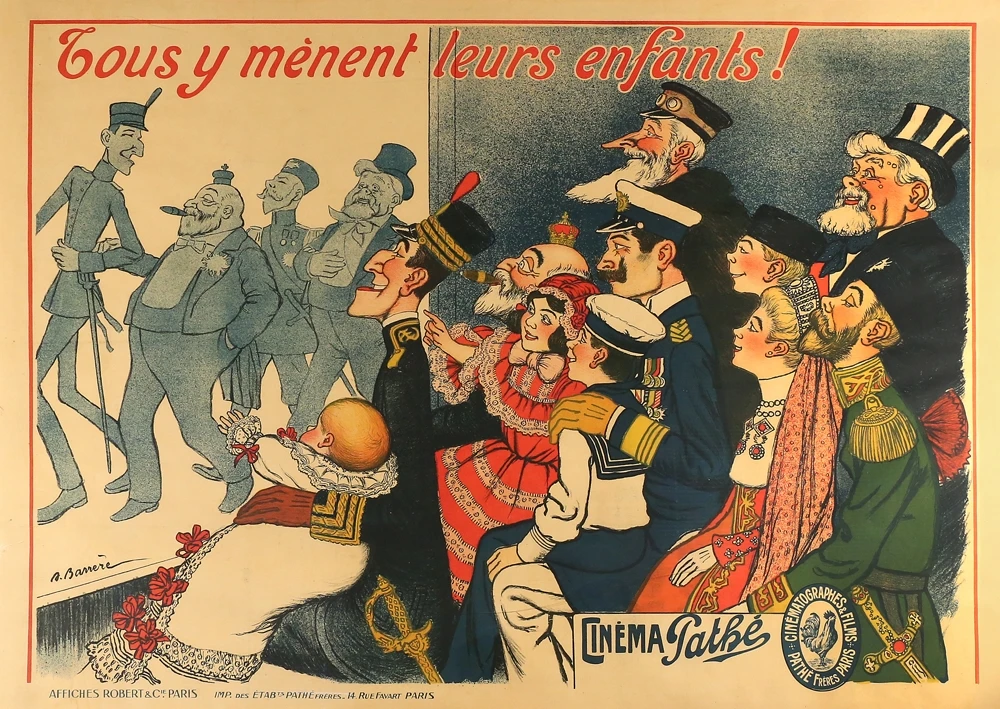
With the rise of Hollywood after WWI, posters began to feature the cast—or at least the main star—along with the director's name and sometimes a brief plot summary.
Of course, it's impossible to include every poster I find beautiful in this series. I will make a selection that will surely be criticized for leaving out A or B, or including C or D... Oh well.
It’s also worth noting that you will find few, if any, Brazilian films here. While other countries catalog and restore these works for the public, here, when material exists, they insist on placing a ridiculous watermark over the posters—yes, Cinemateca Brasileira, I'm talking about you—forcing you to pay or start a tedious bureaucratic journey.
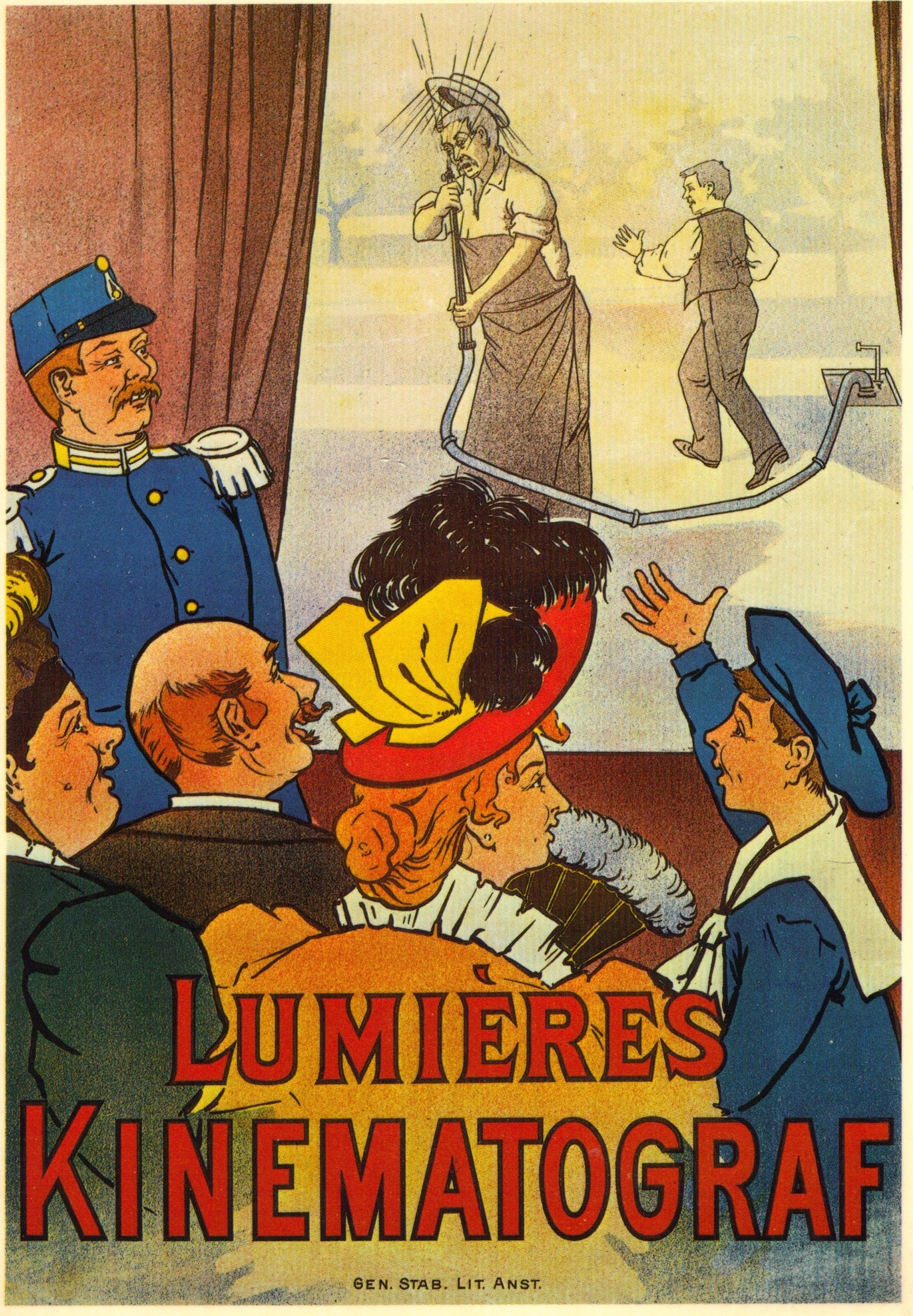
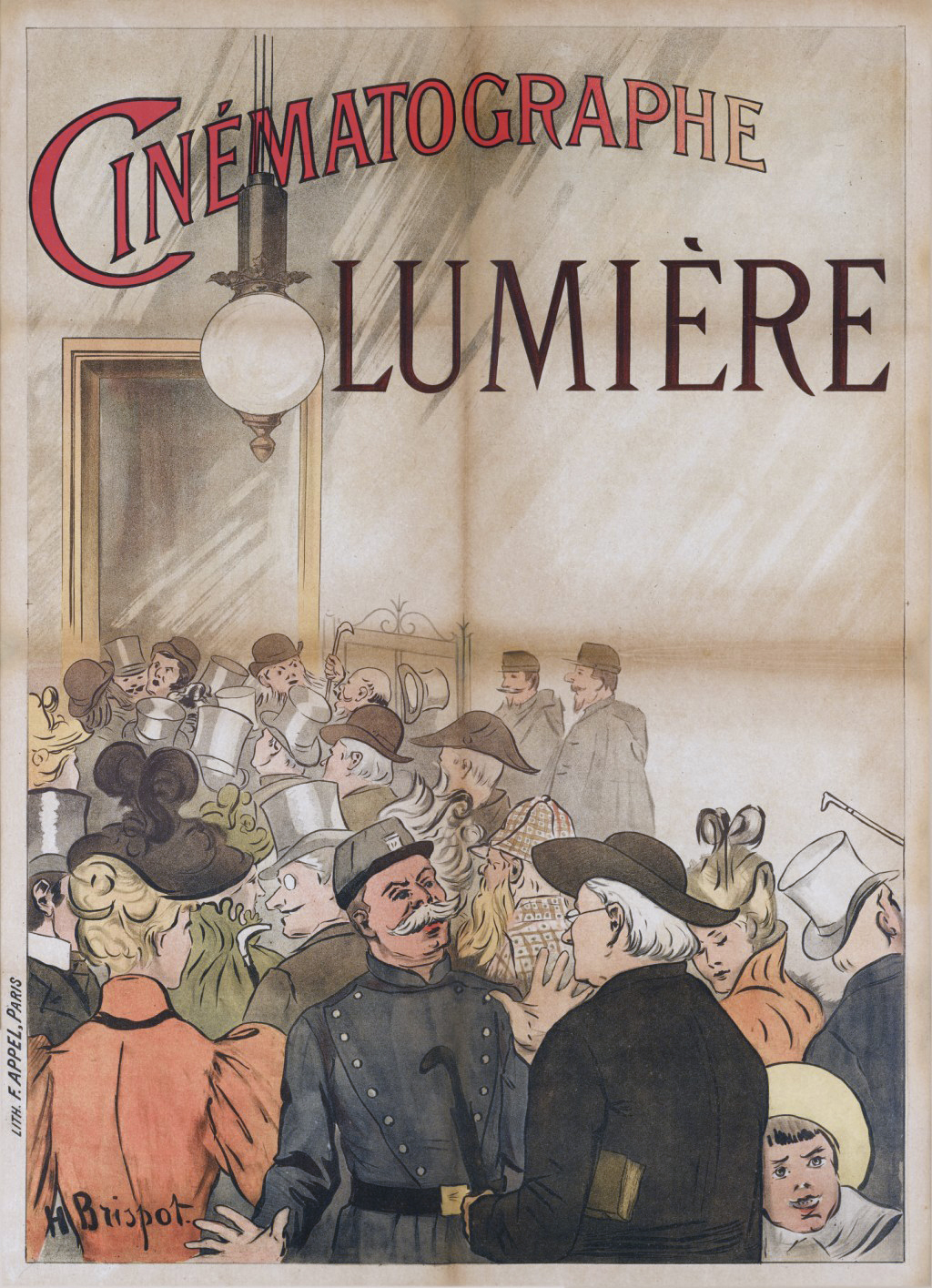
But let’s begin our visual journey with what is considered the first movie poster in history, created by Henri Brispot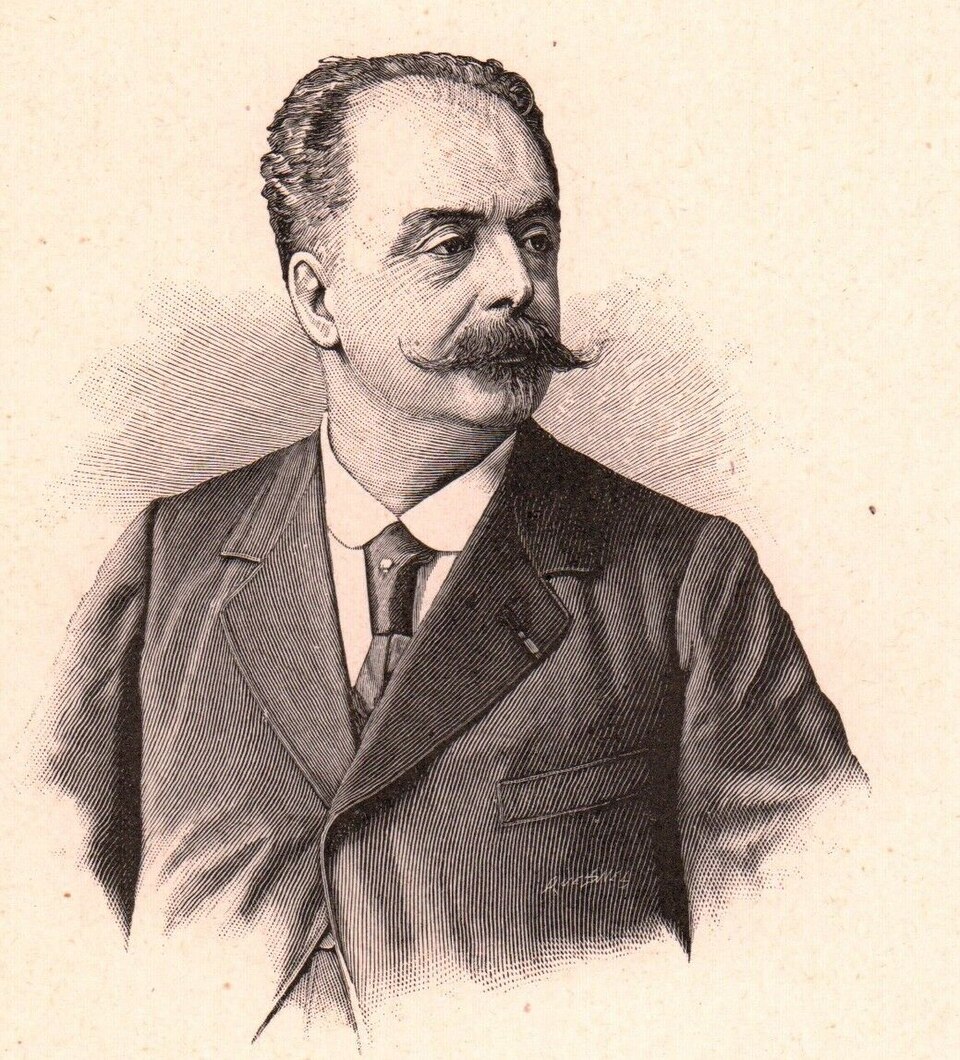 2 for the Cinématographe Lumière in 1896, following the Belle Époque aesthetic.
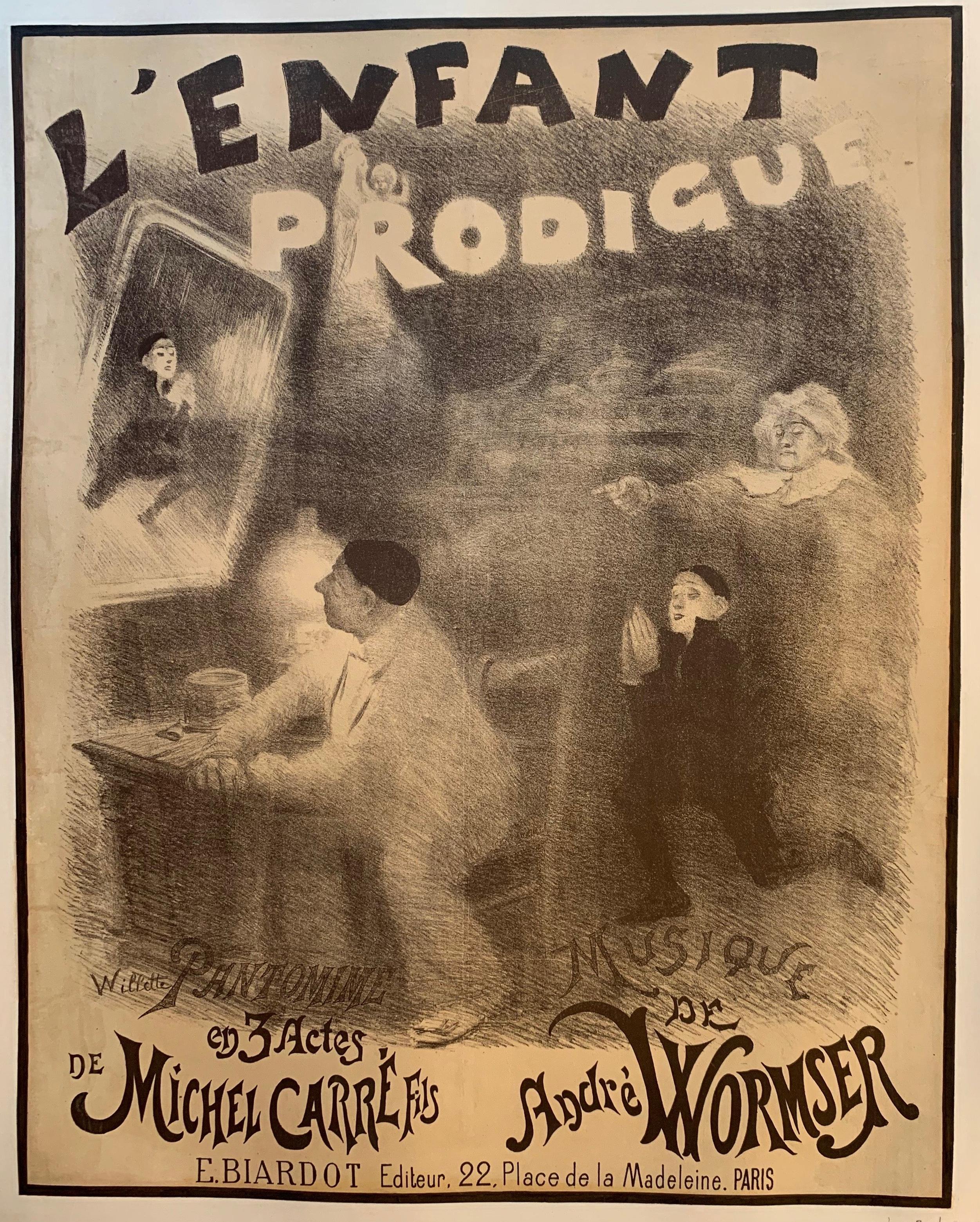
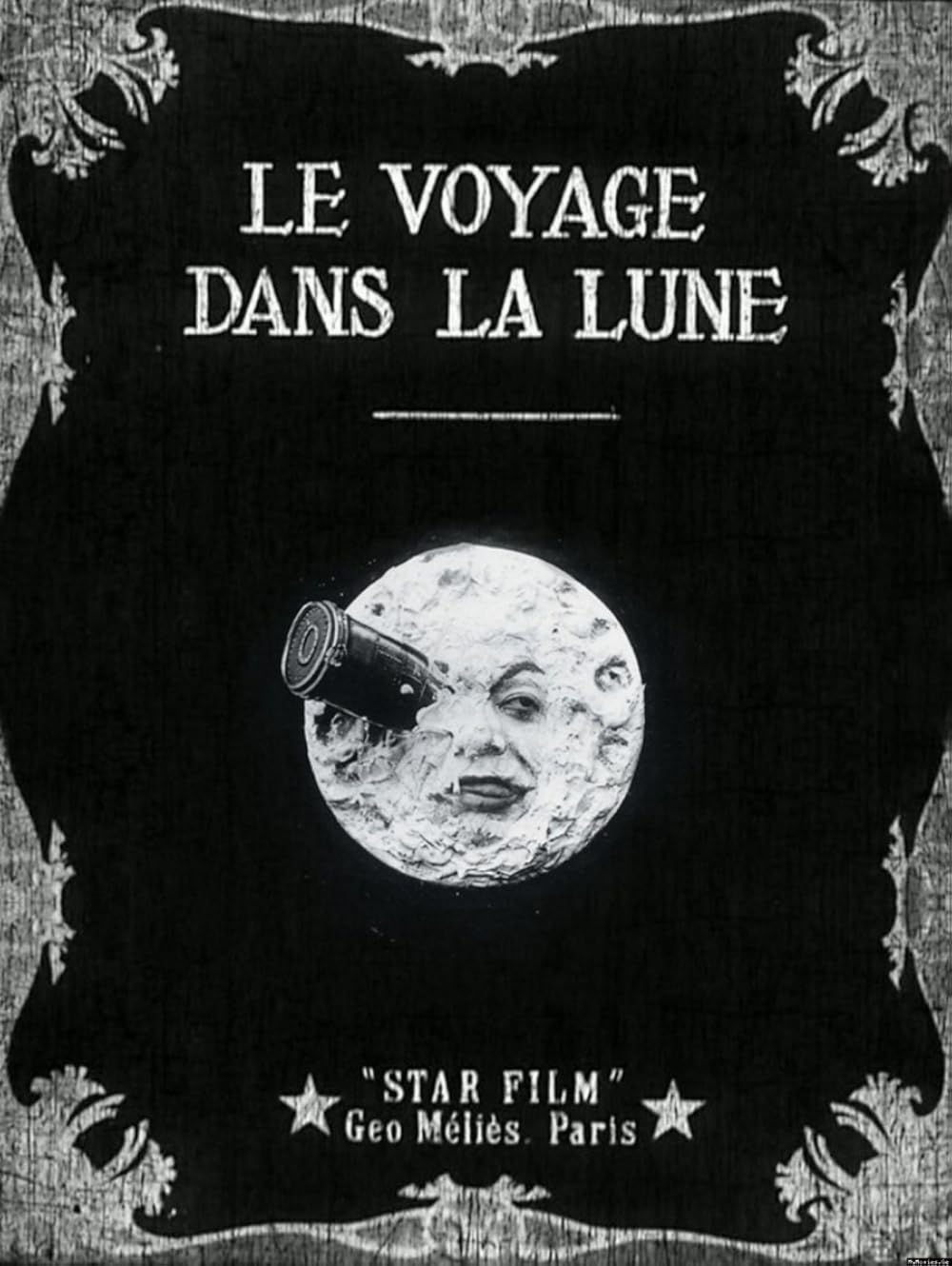
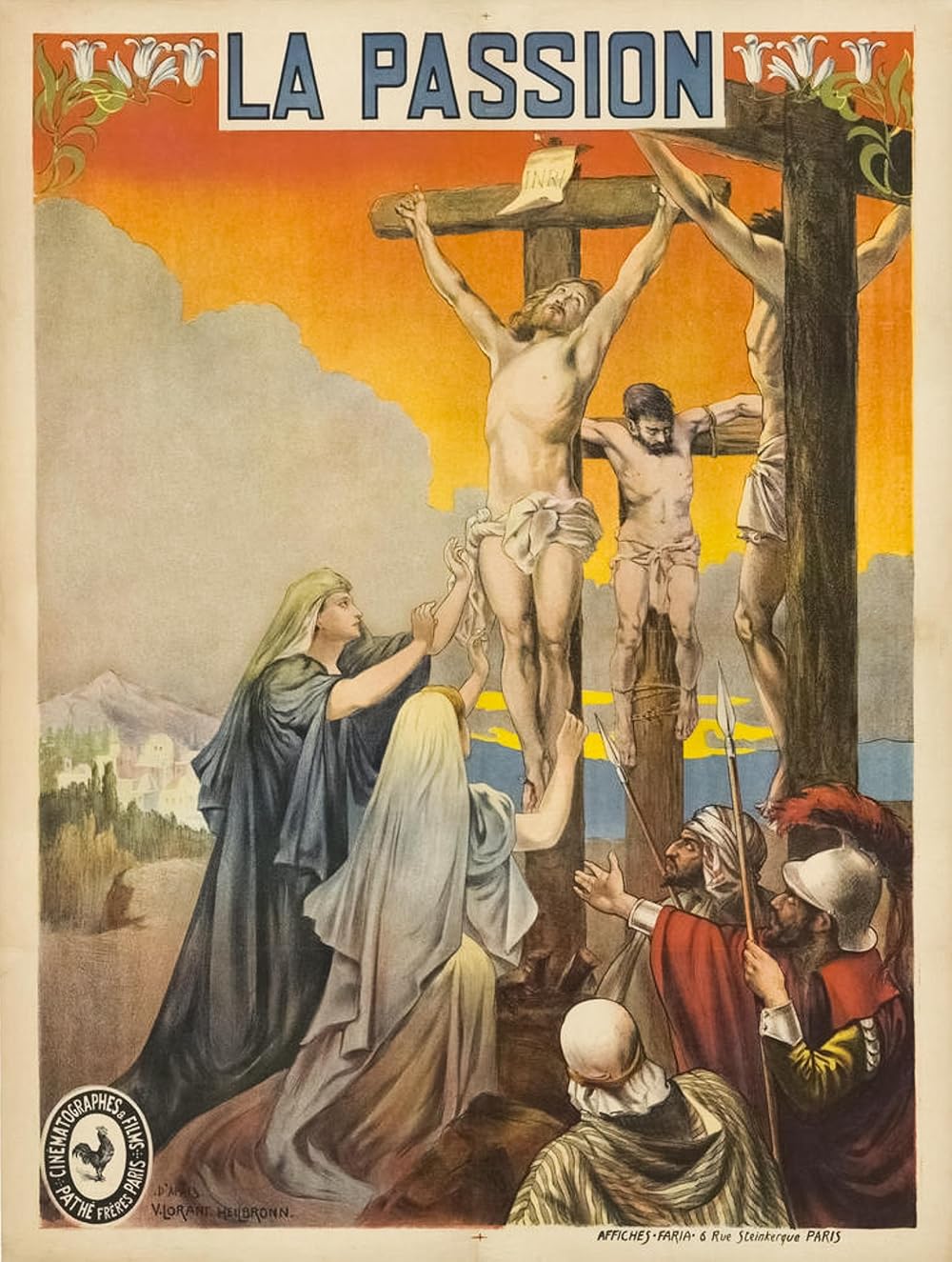
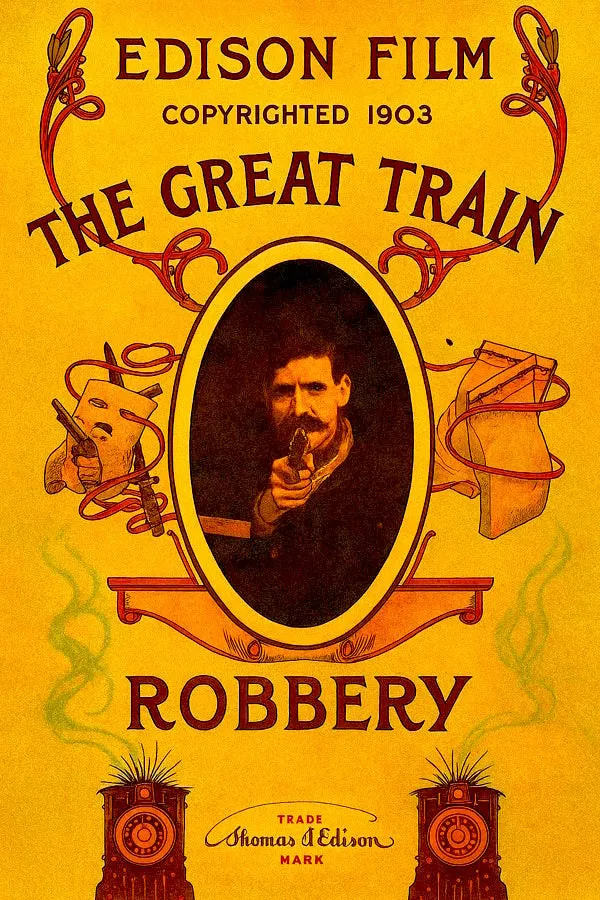
And we move on with more, including works by E. Biardot.