We reach 1914, a year that marks the beginning of World War I and a decisive turning point in cinema history. Across much of Europe, the conflict led to the interruption or drastic reduction of many studios' activities. There was a lack of resources, labor, and the minimum economic conditions to maintain regular production. France, Germany, and the United Kingdom felt this impact heavily, with a noticeable drop in film production—though, surprisingly, the number of releases remained significant.
On the other side of the Atlantic, the landscape was different. The United States, which would not officially enter the war until 1917, saw its film industry continue to expand. This disparity was crucial for Hollywood to begin consolidating itself as the world's leading film production center, filling the void left by the European downturn and strengthening an industrial structure that would become dominant in the following decades.
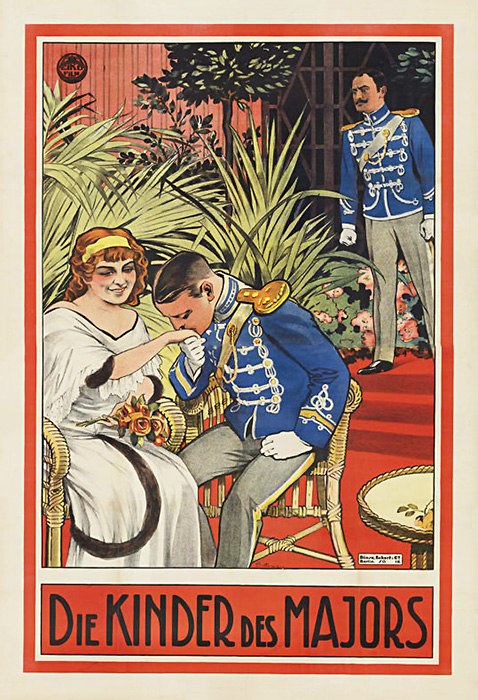
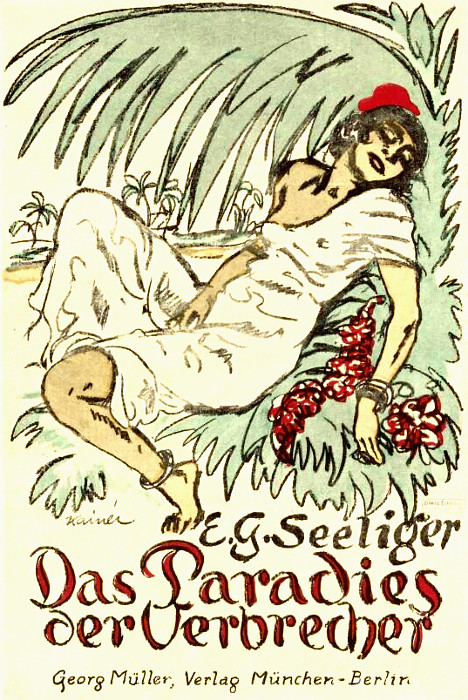
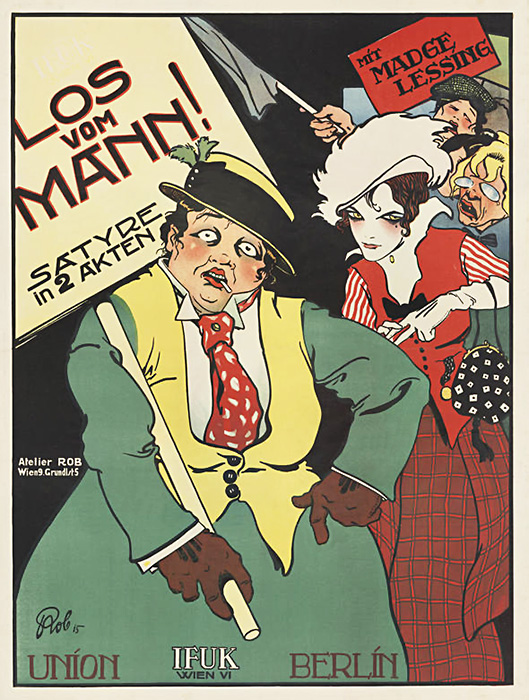
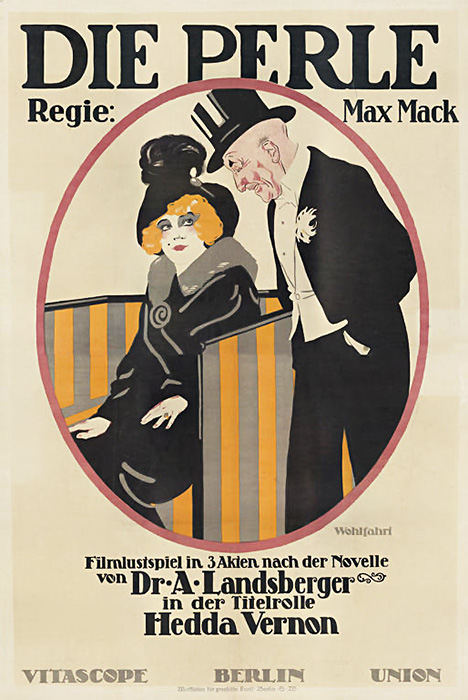
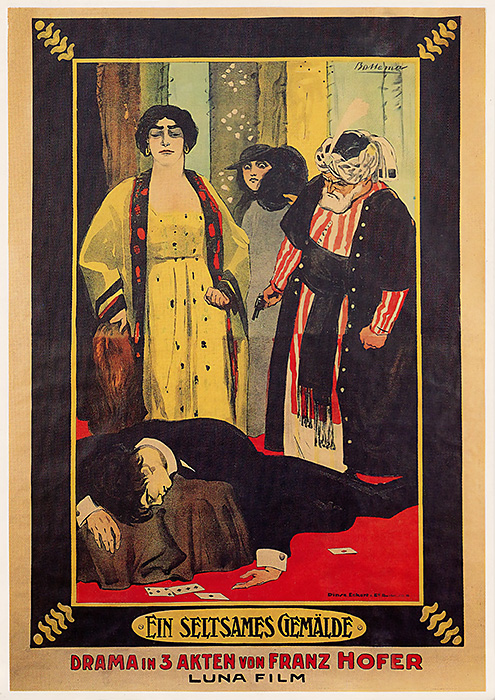
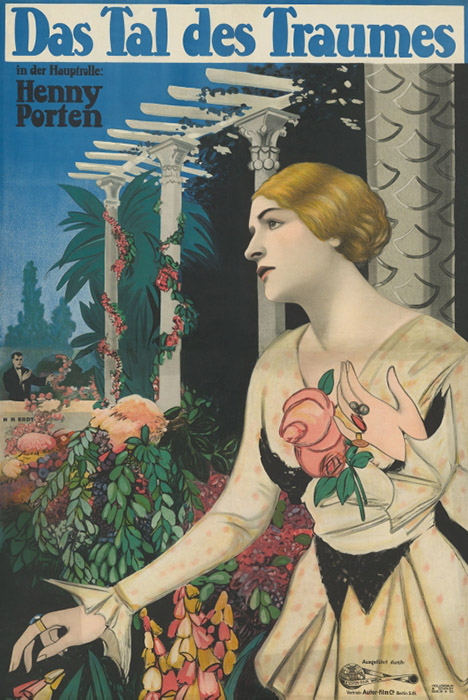
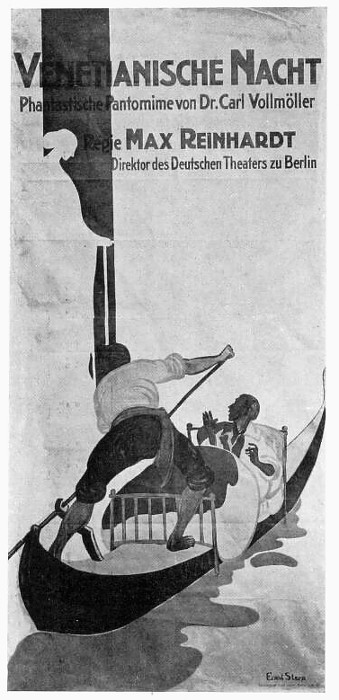
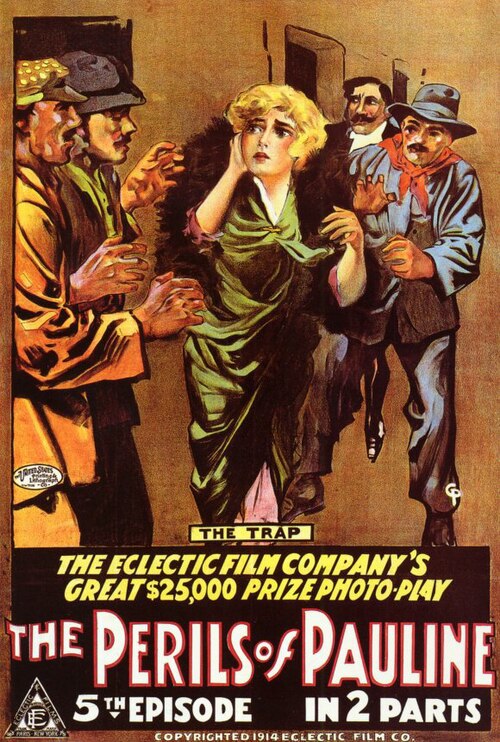
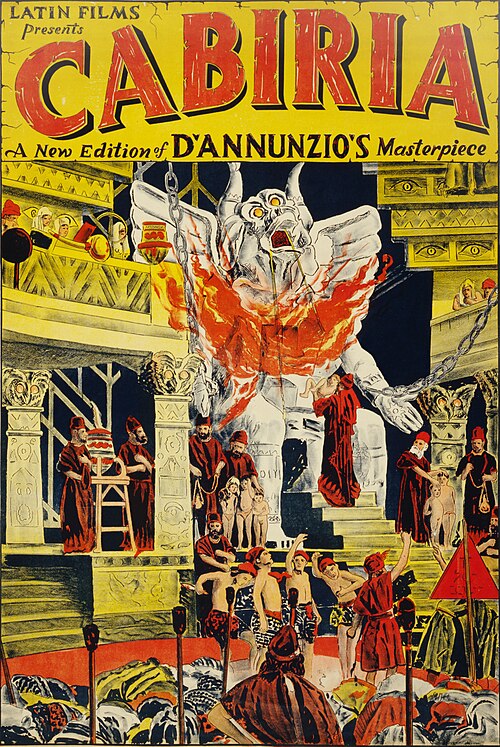
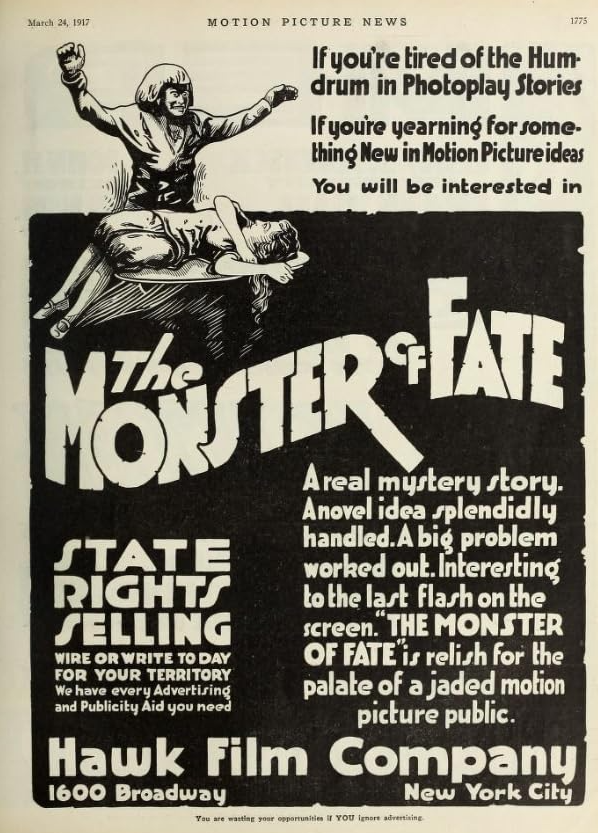
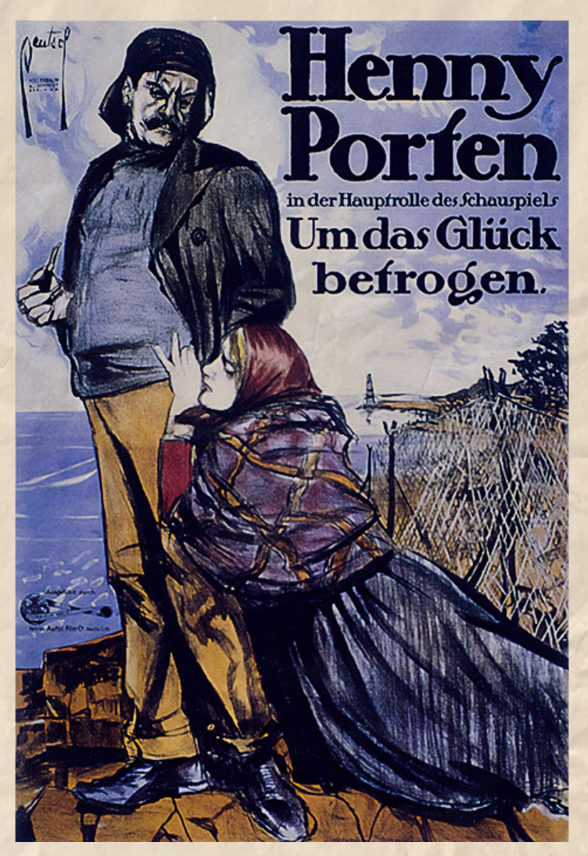
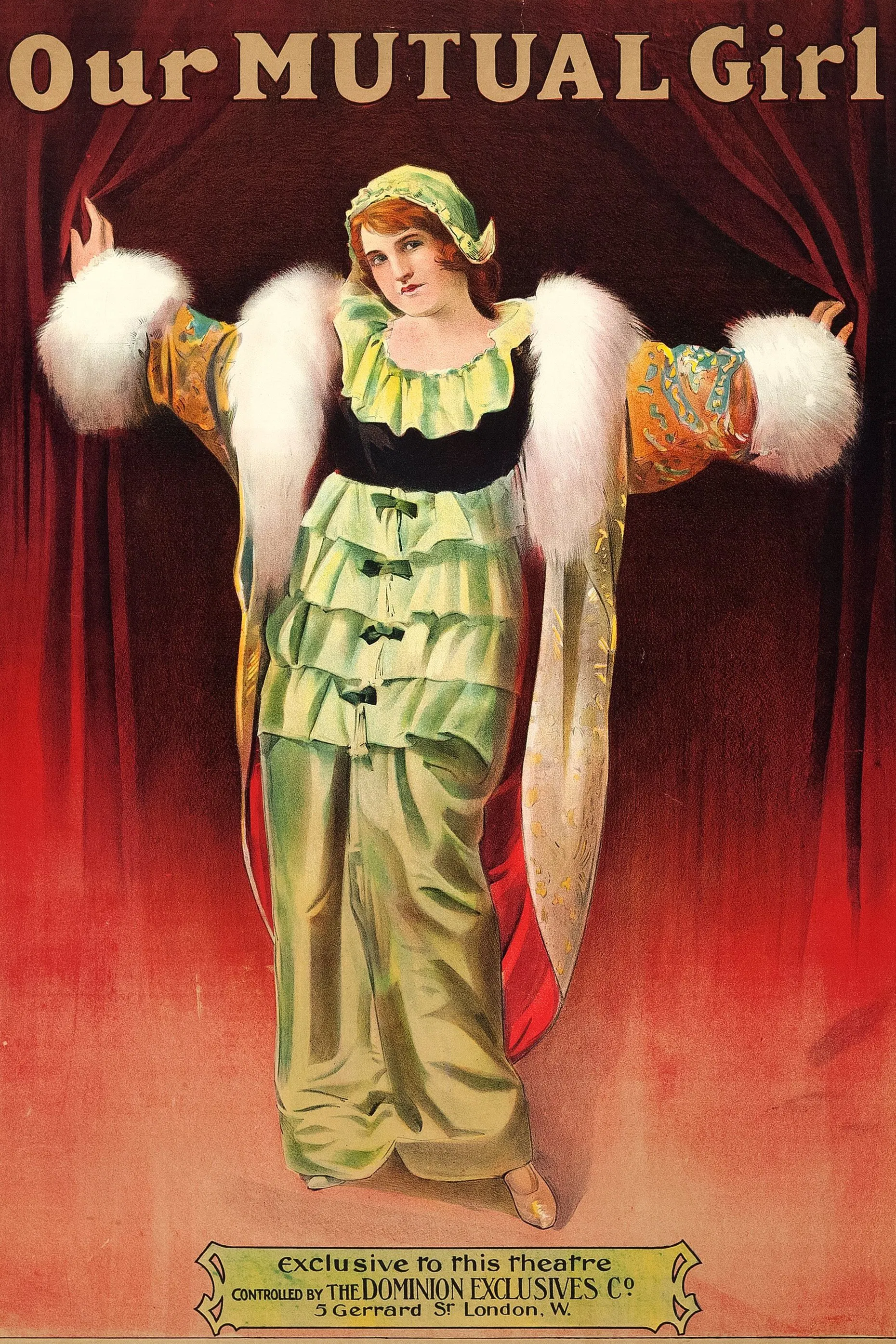
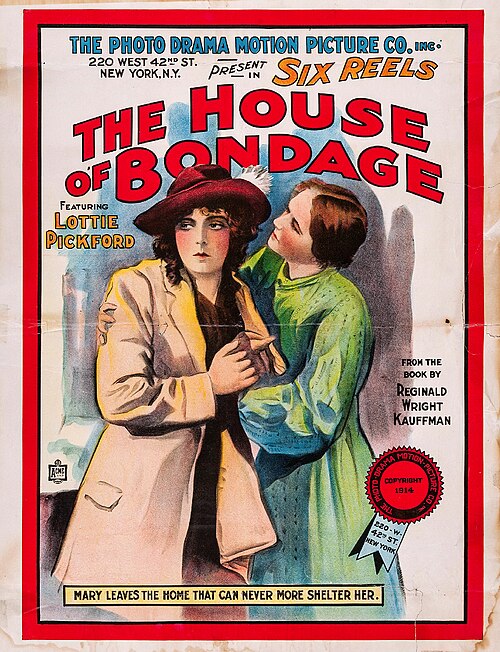
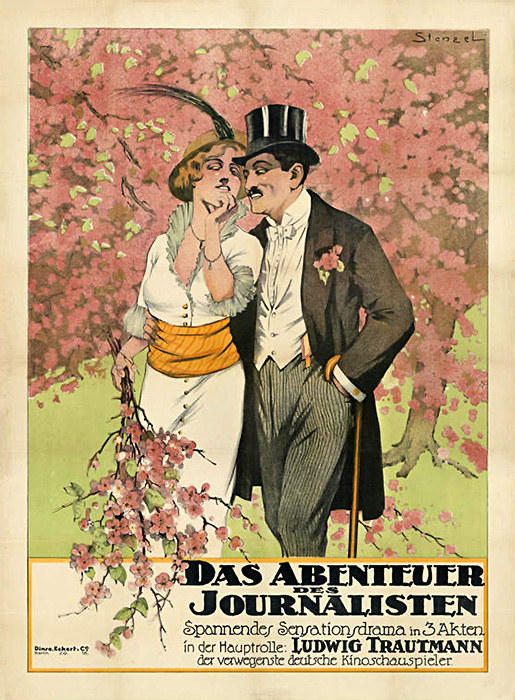
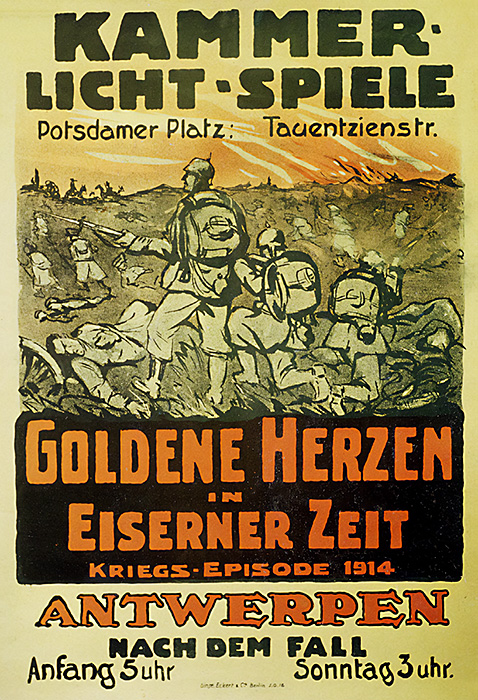
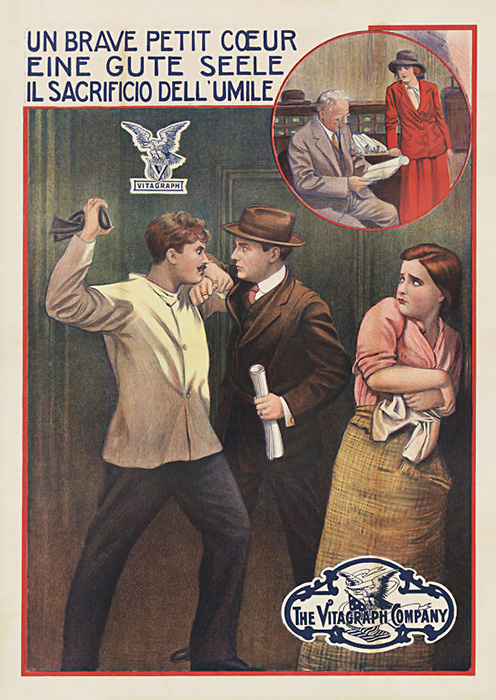
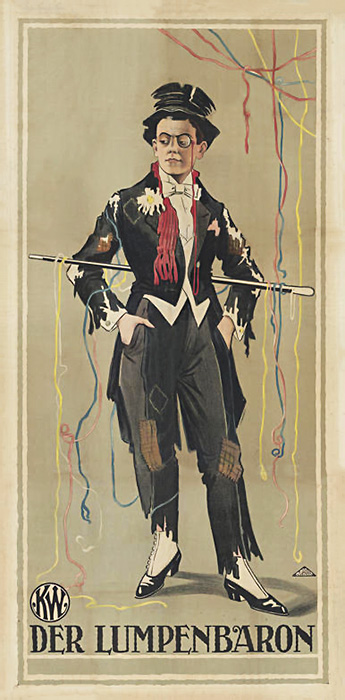
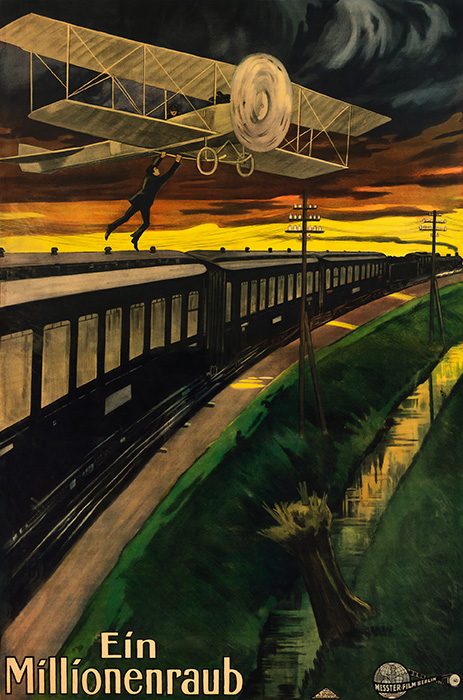
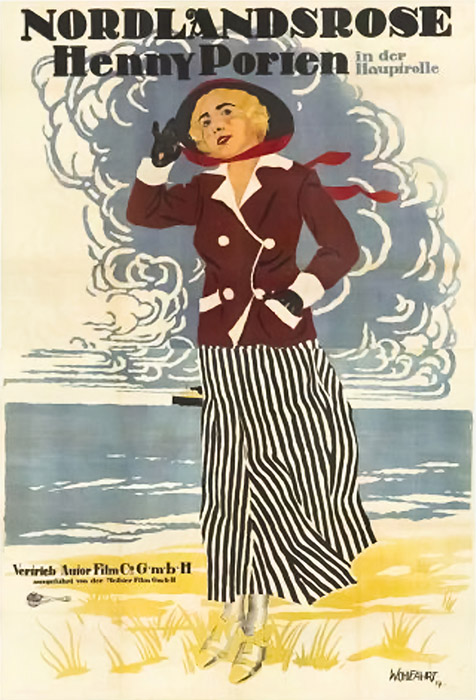
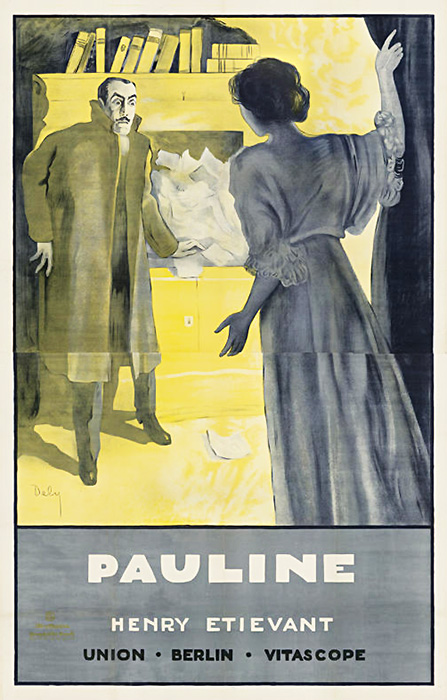
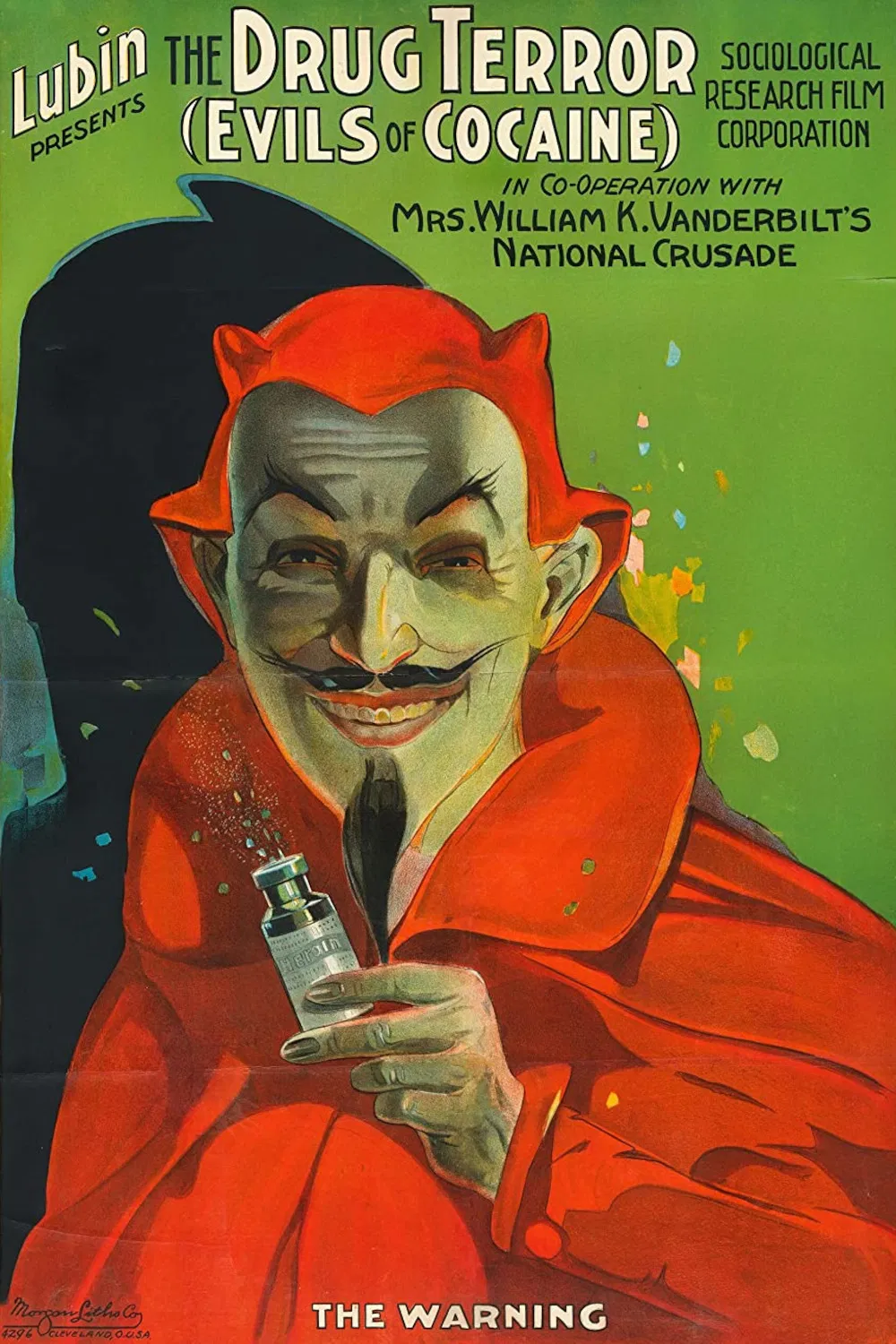
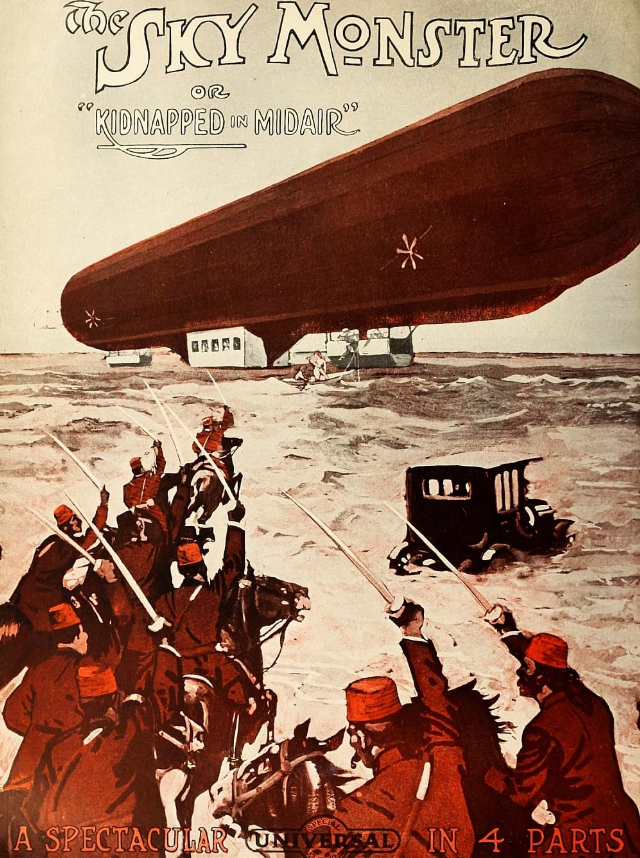
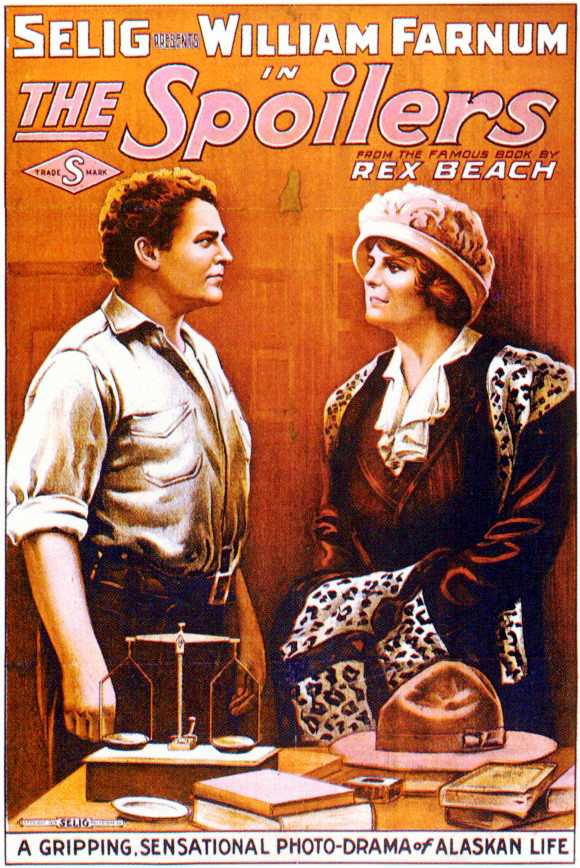
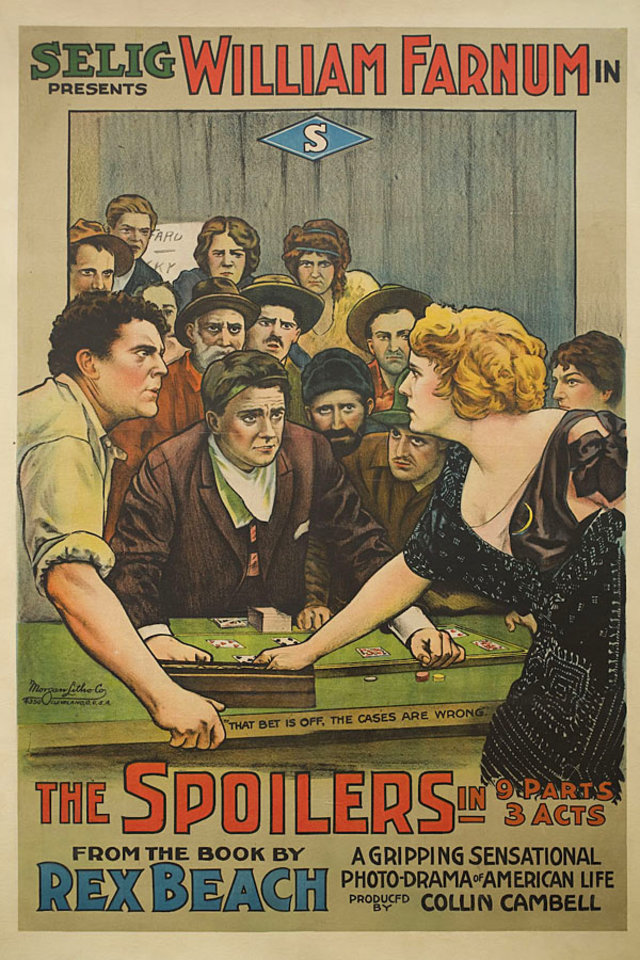
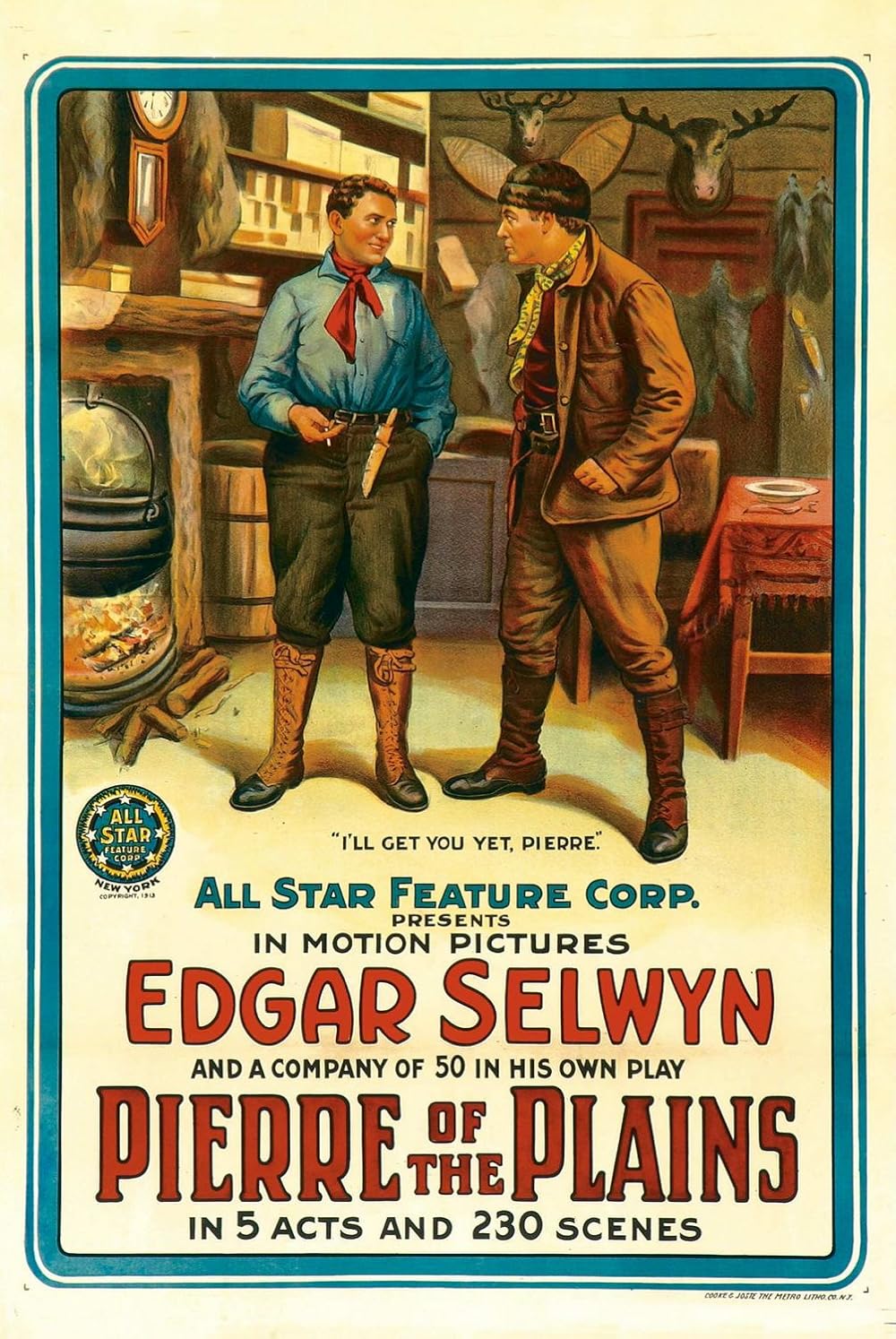
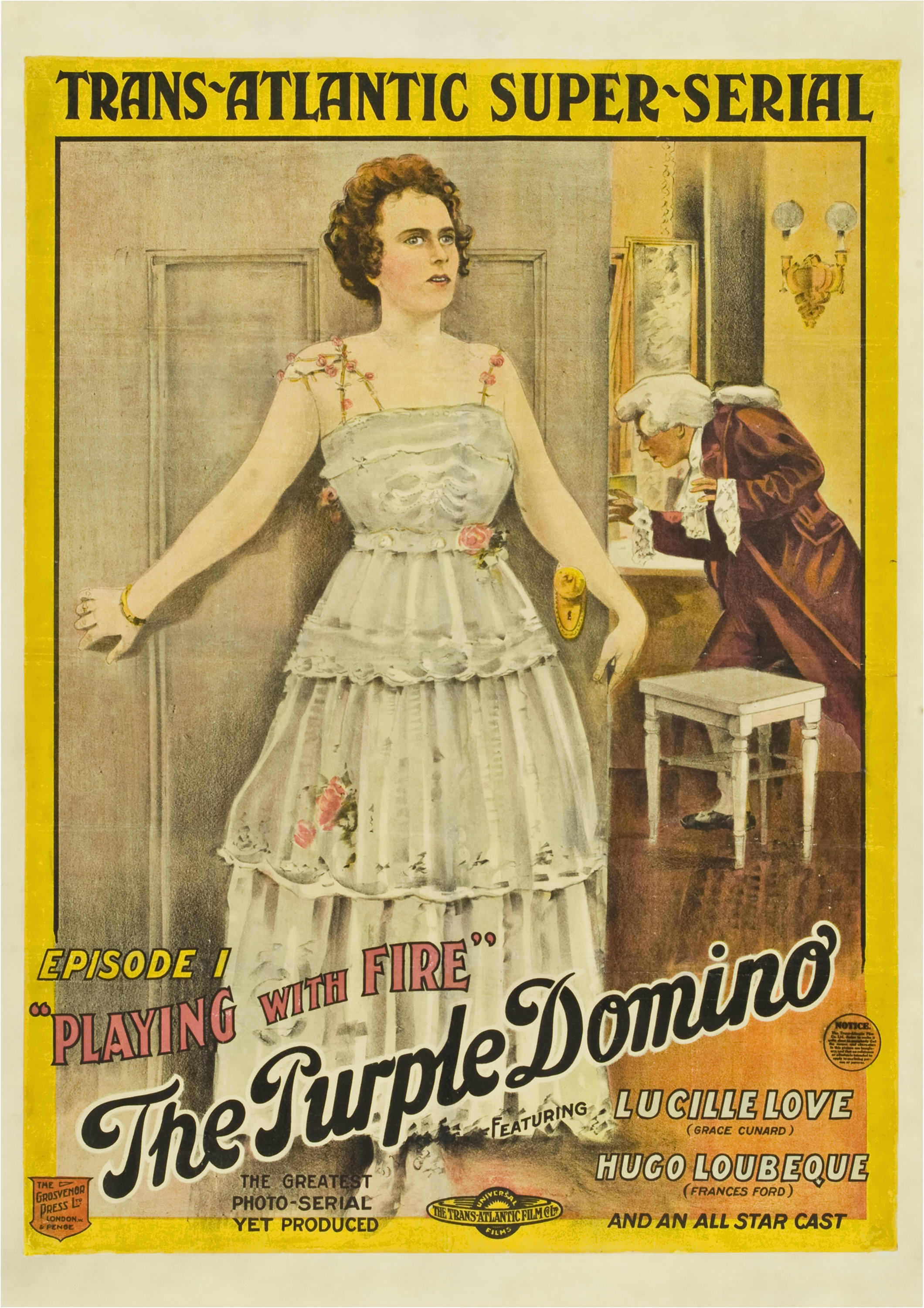
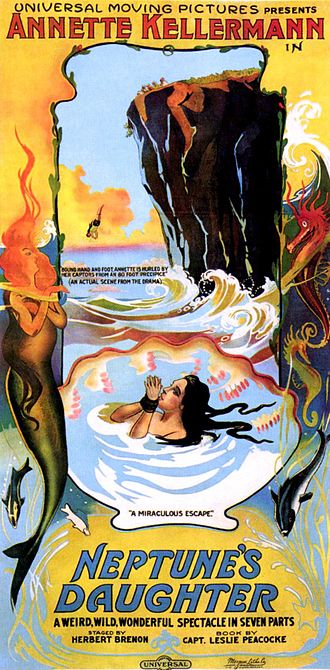
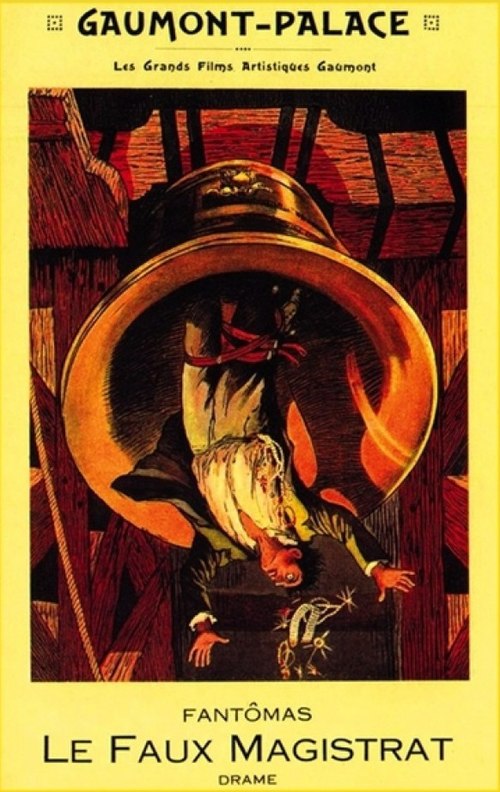
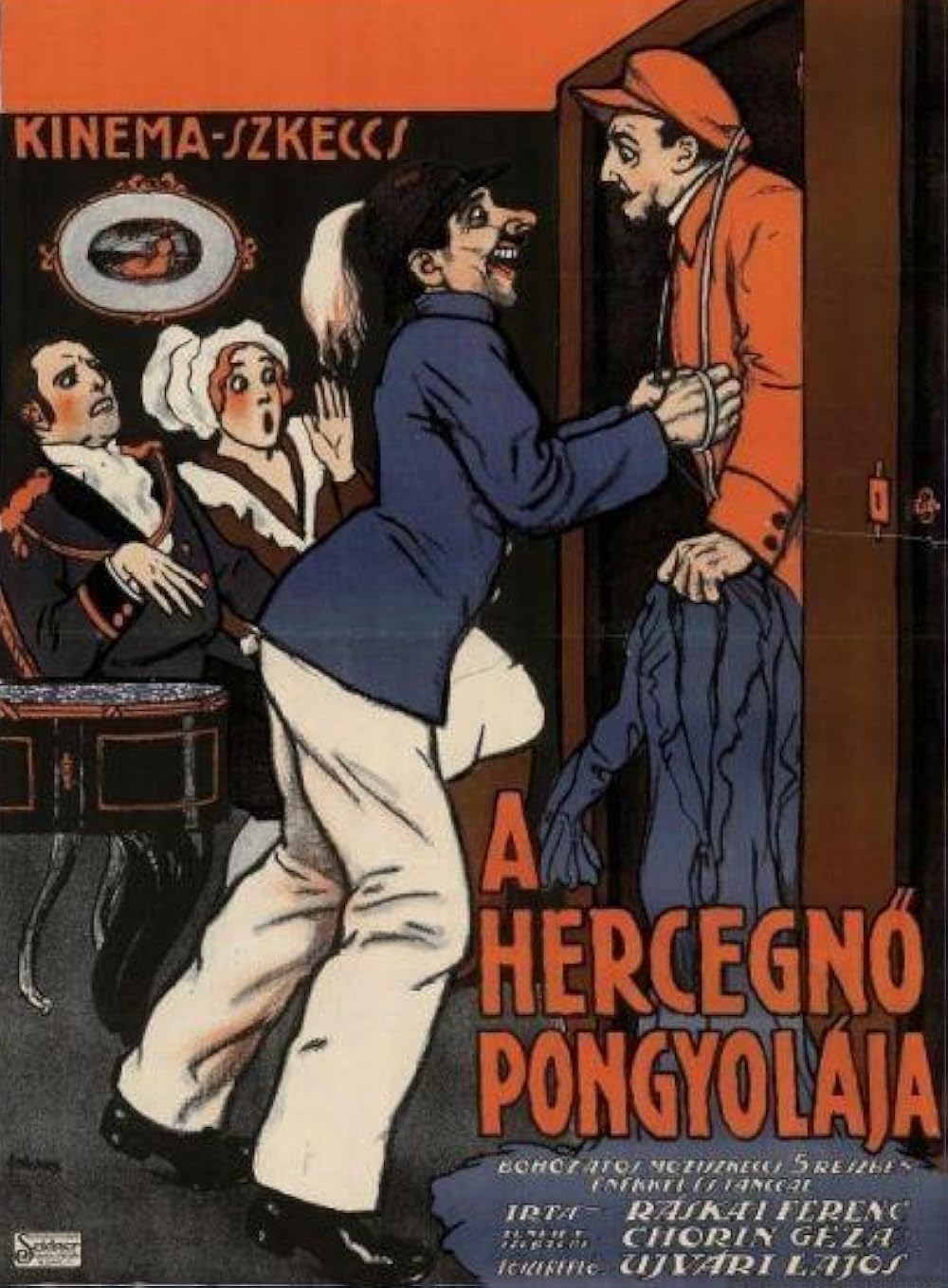
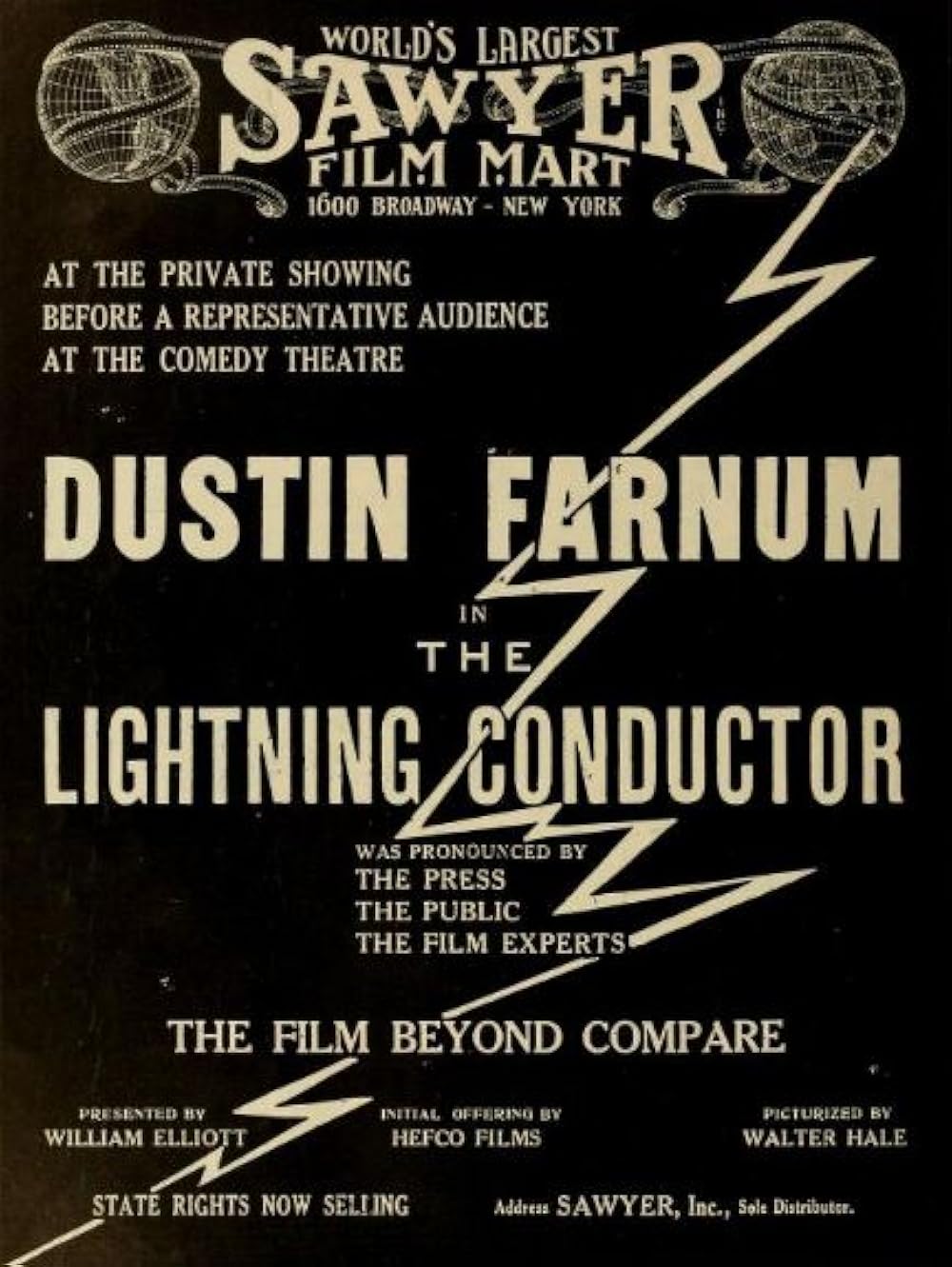
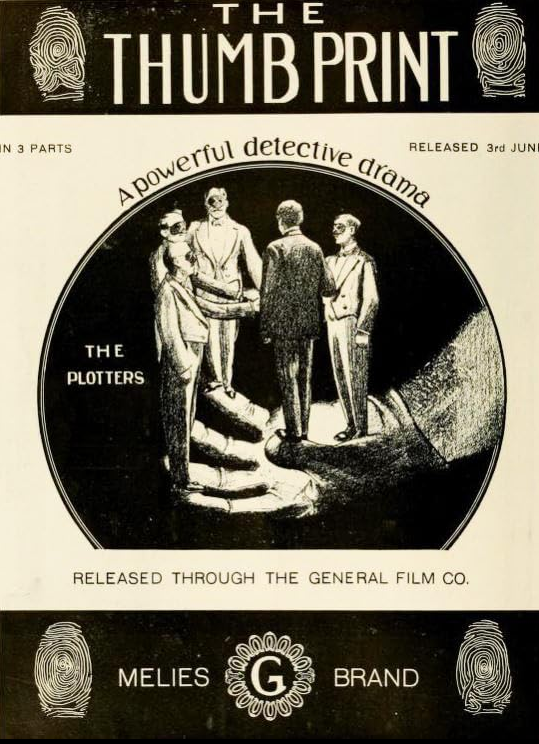
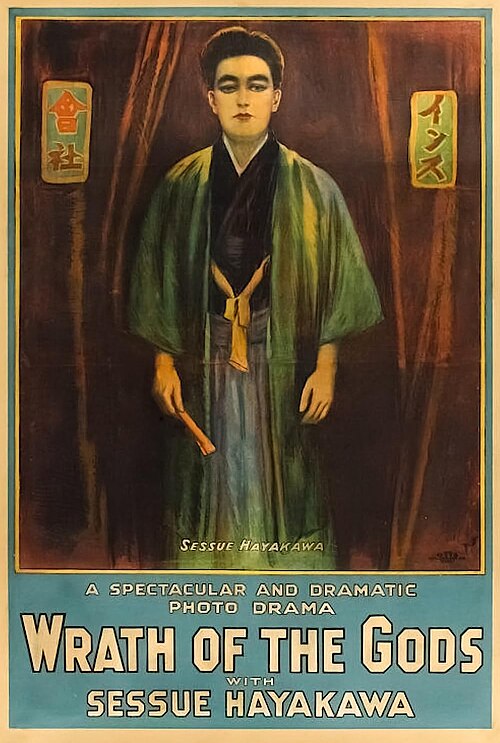
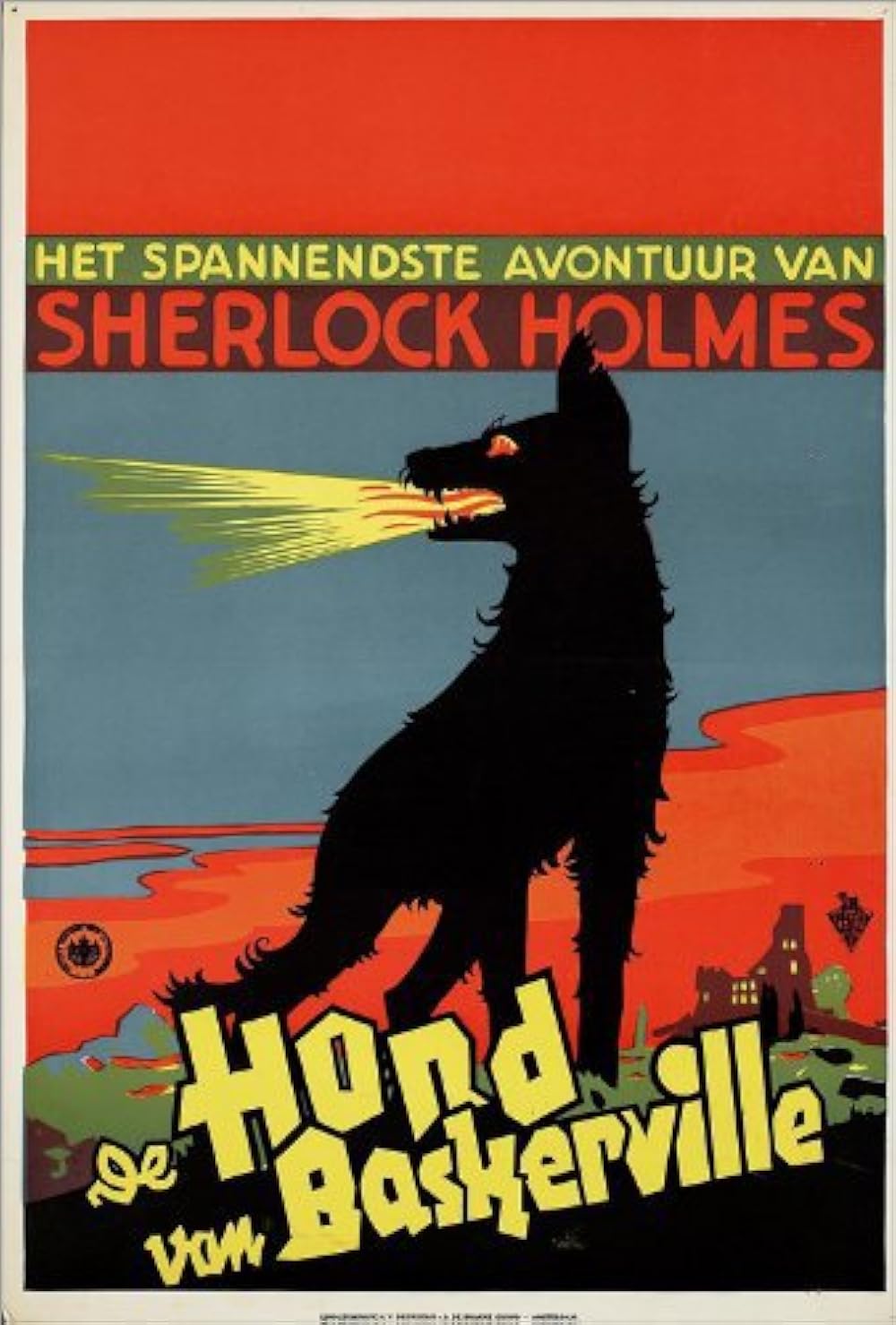
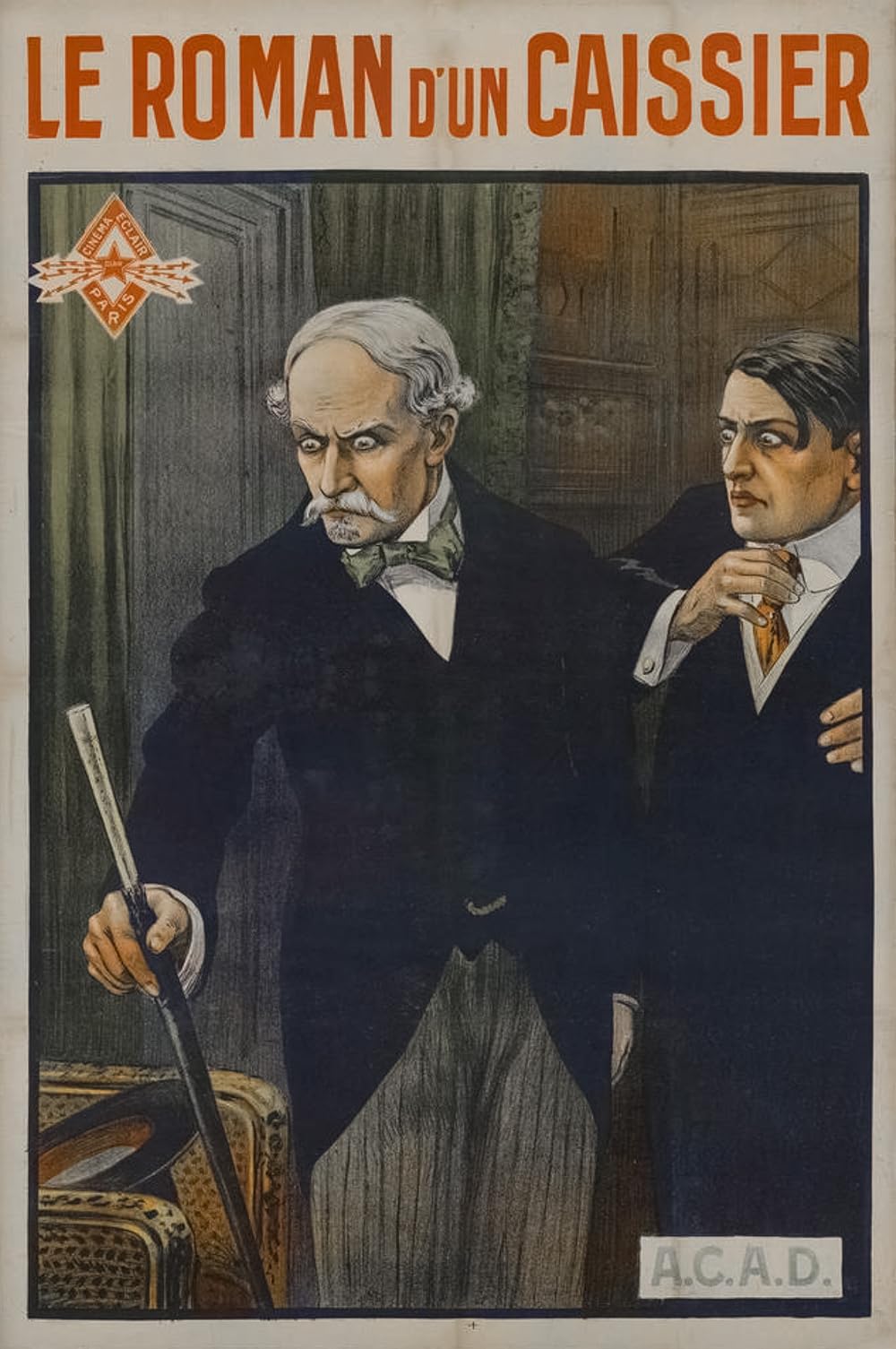
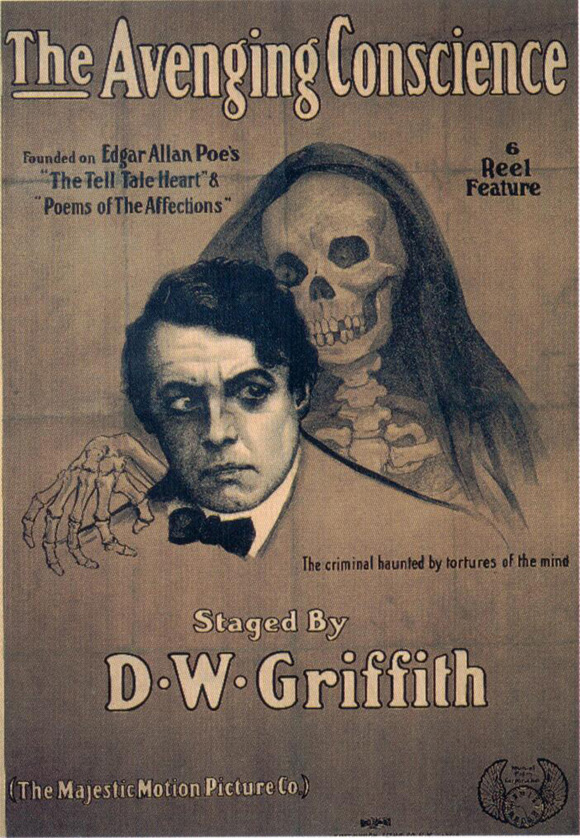
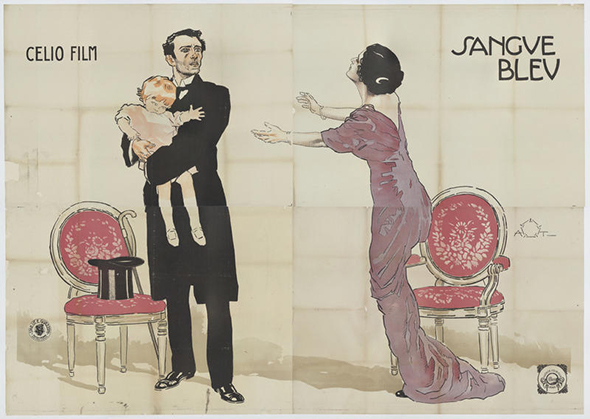
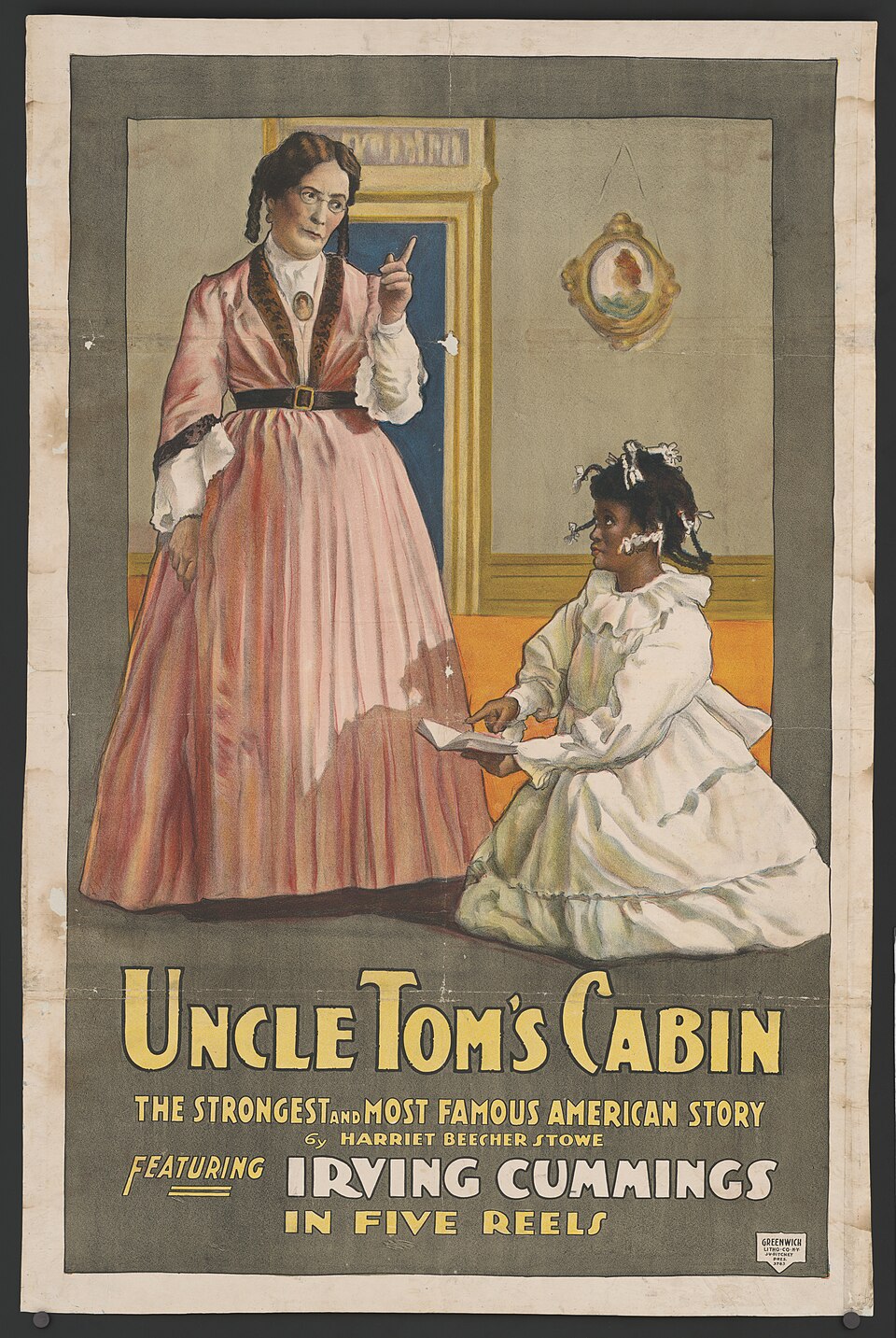
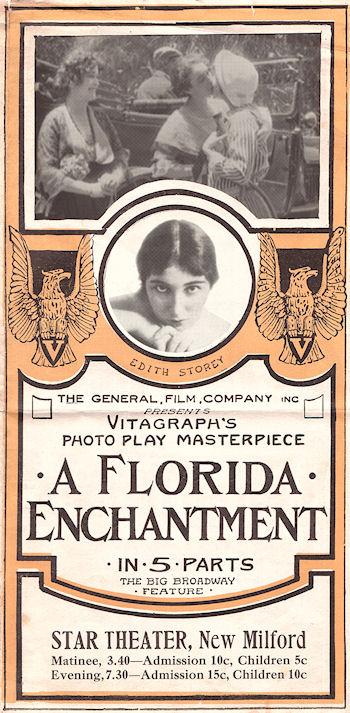
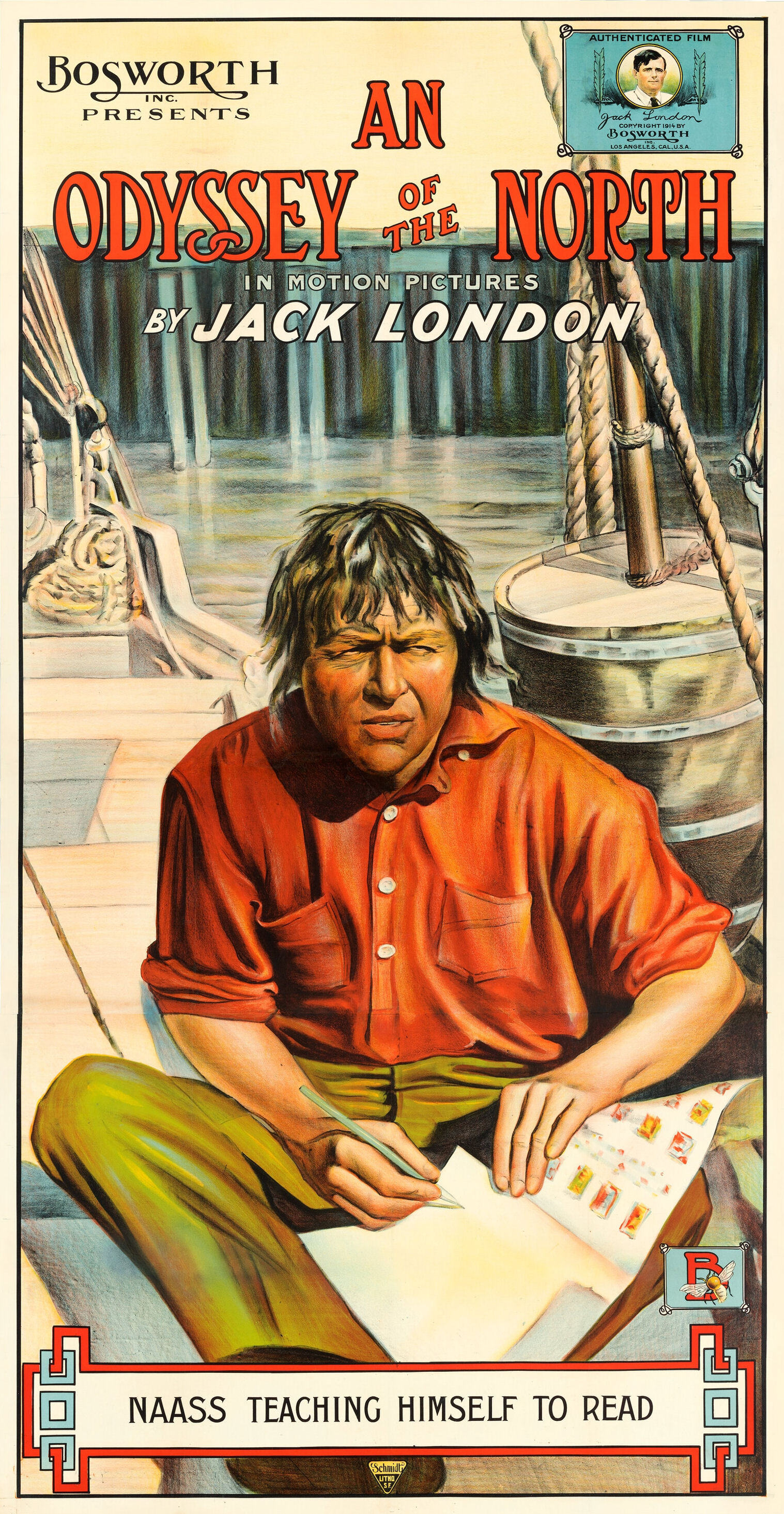
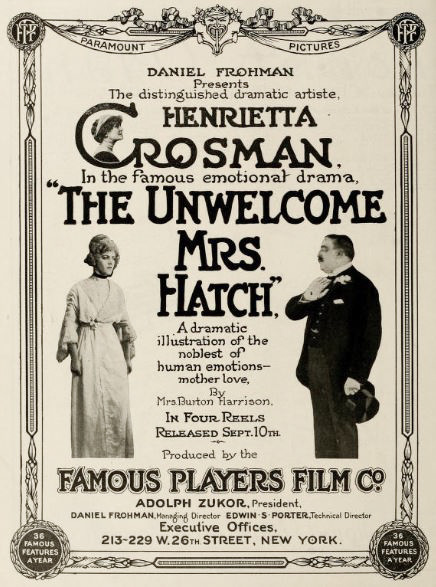
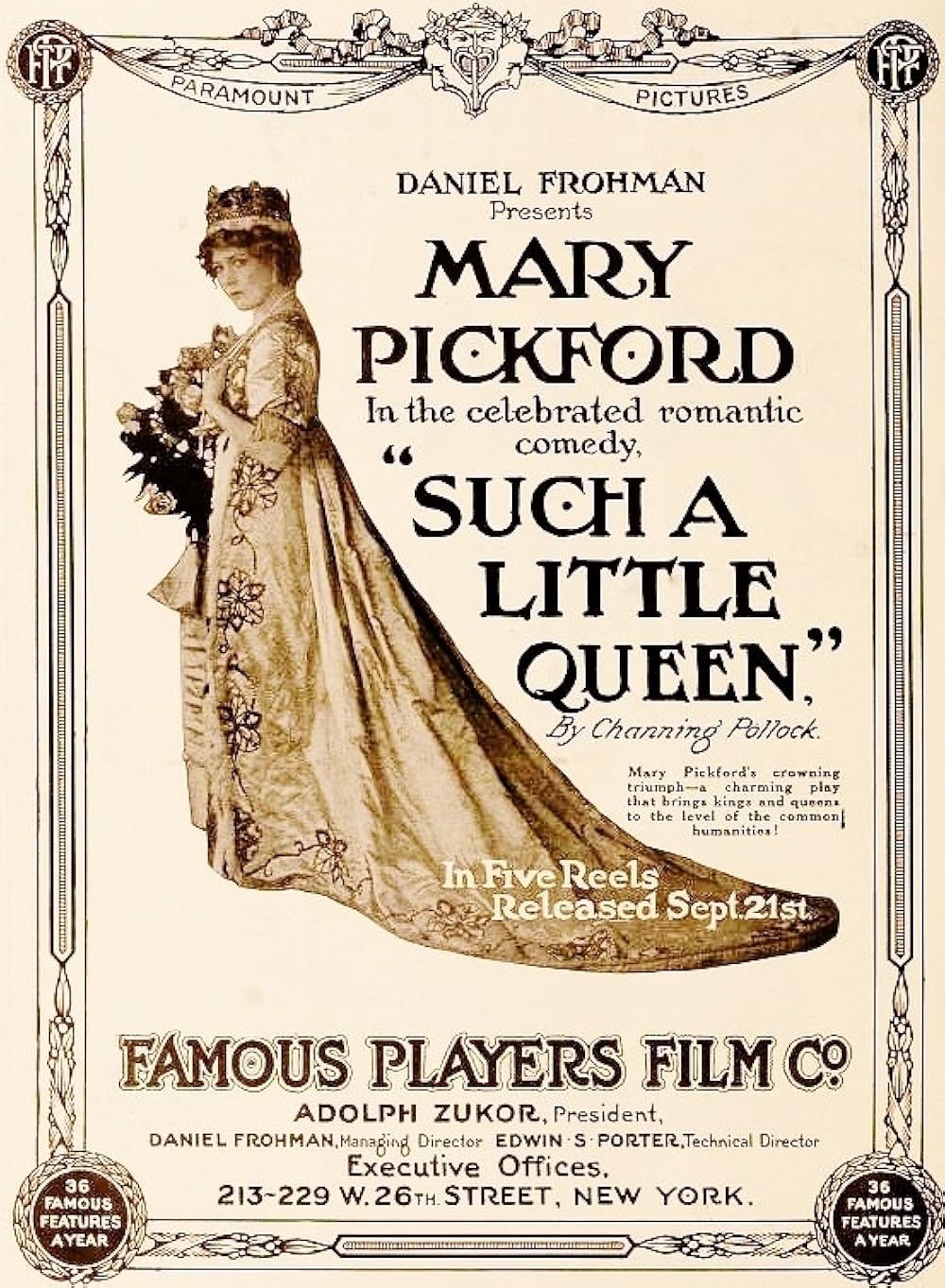
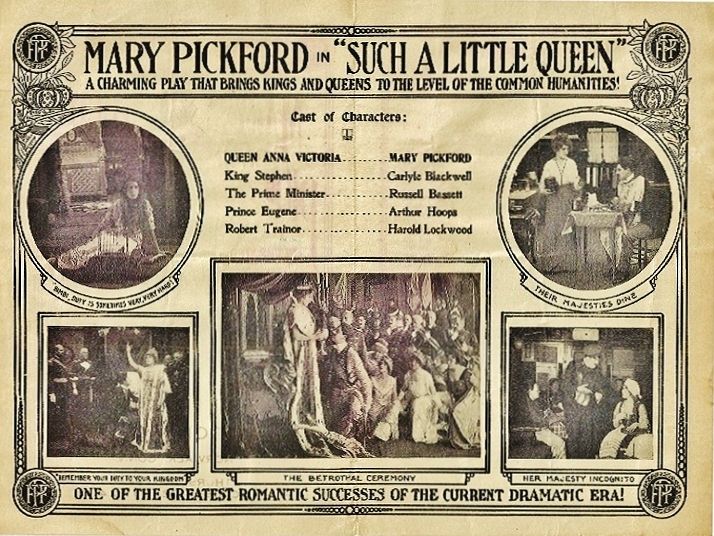
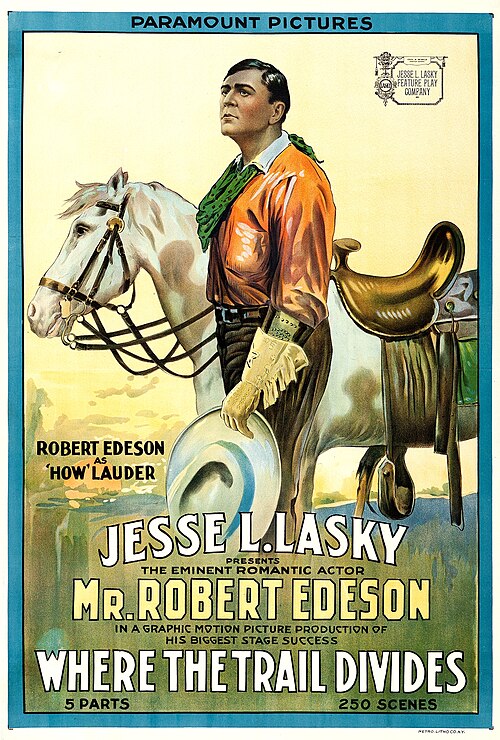
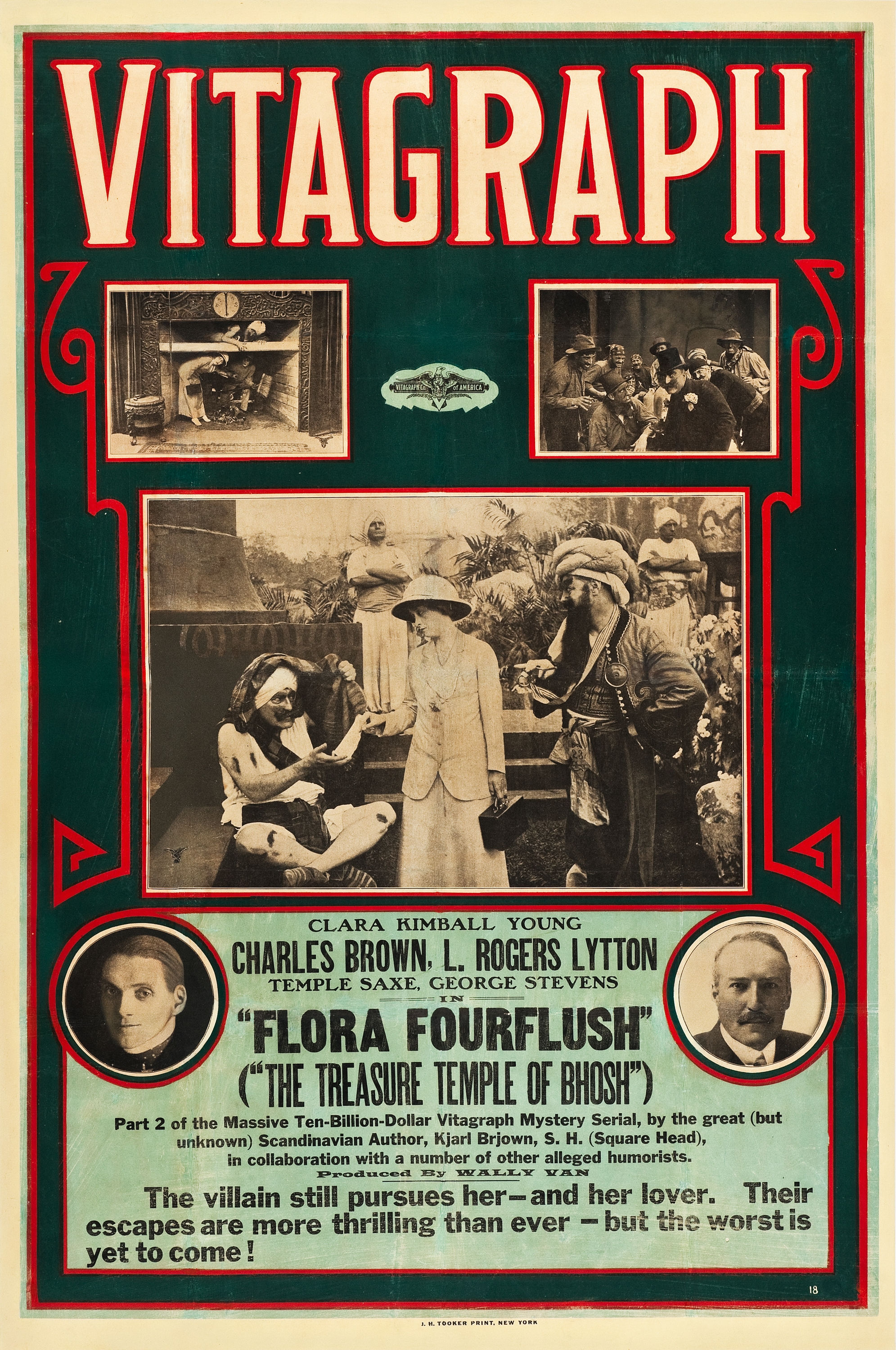
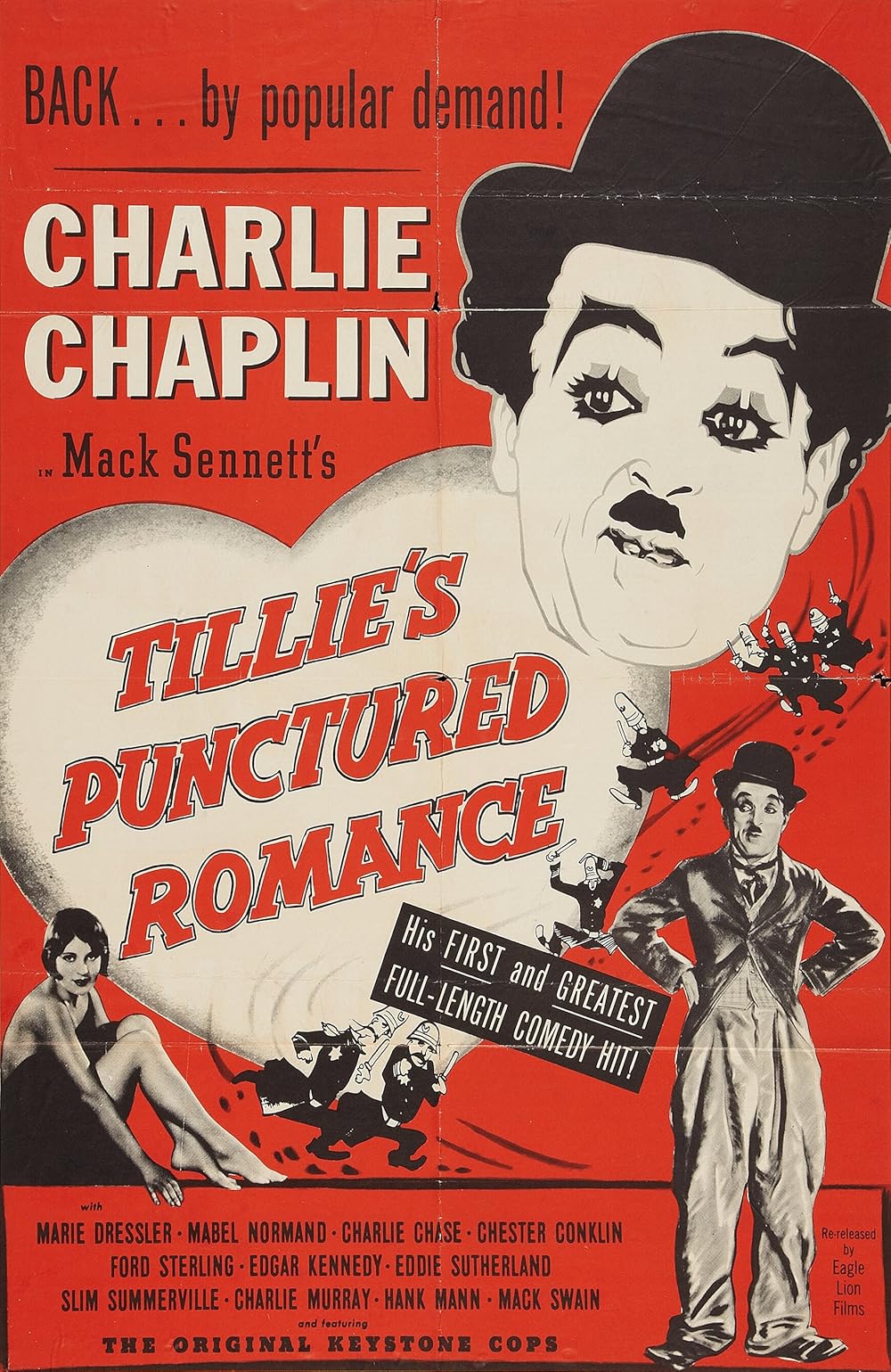
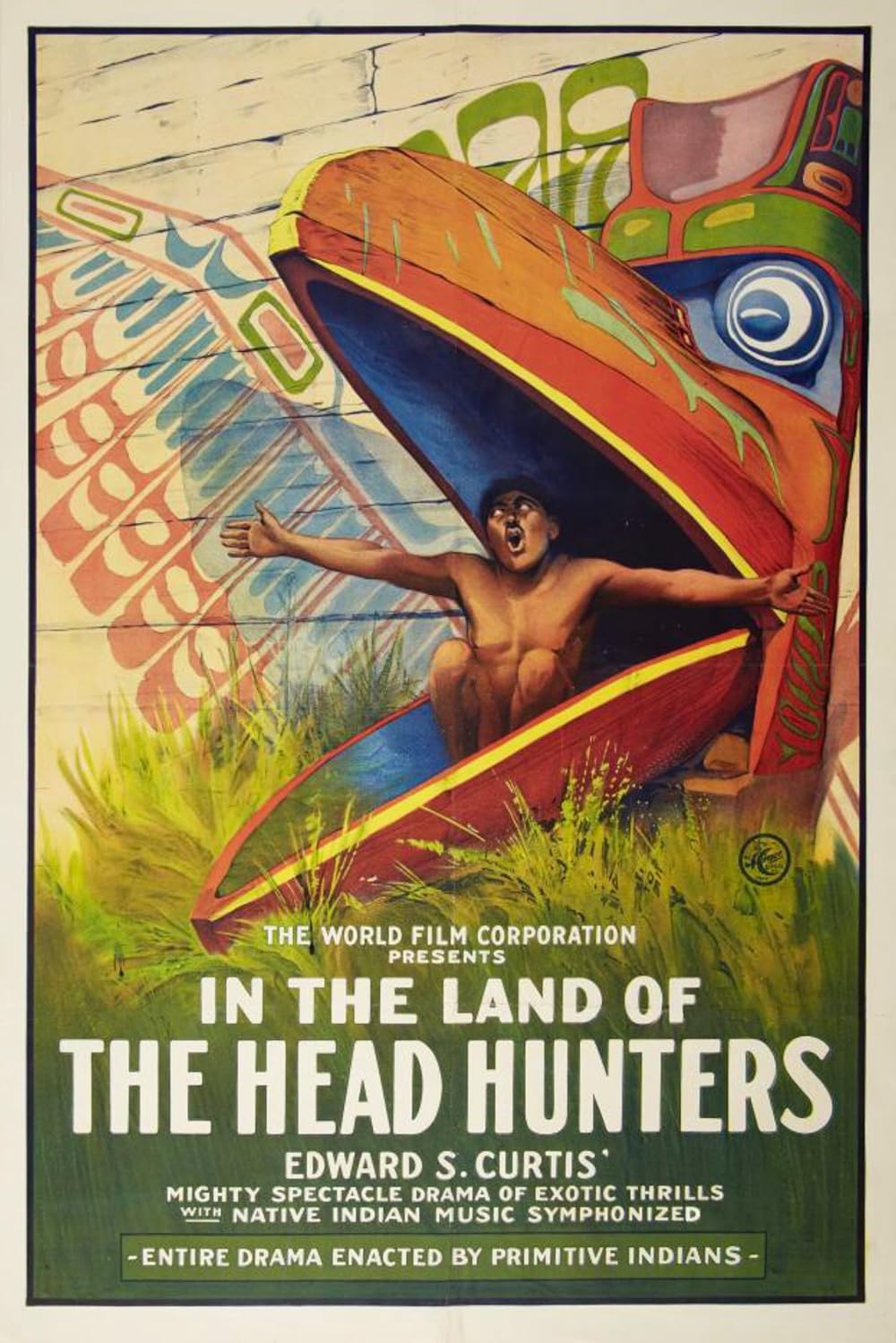
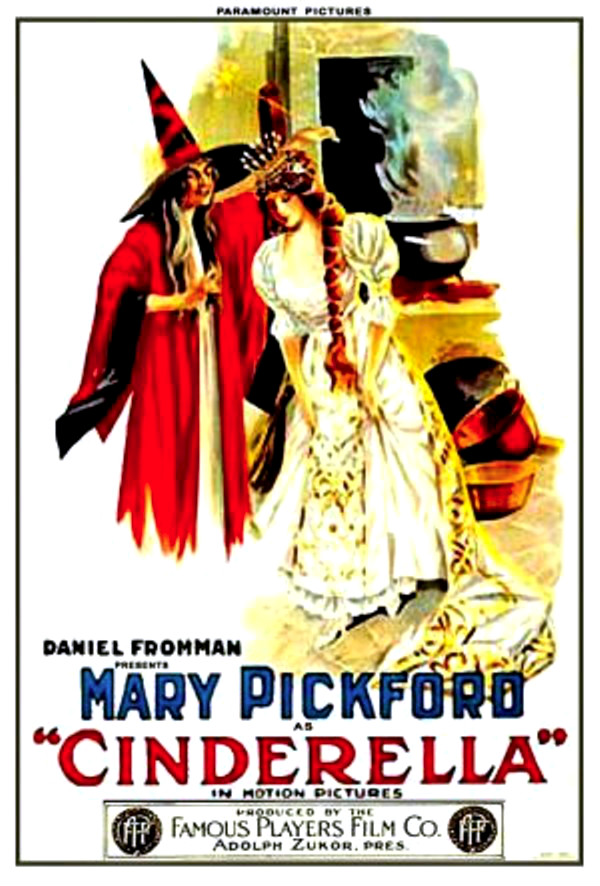
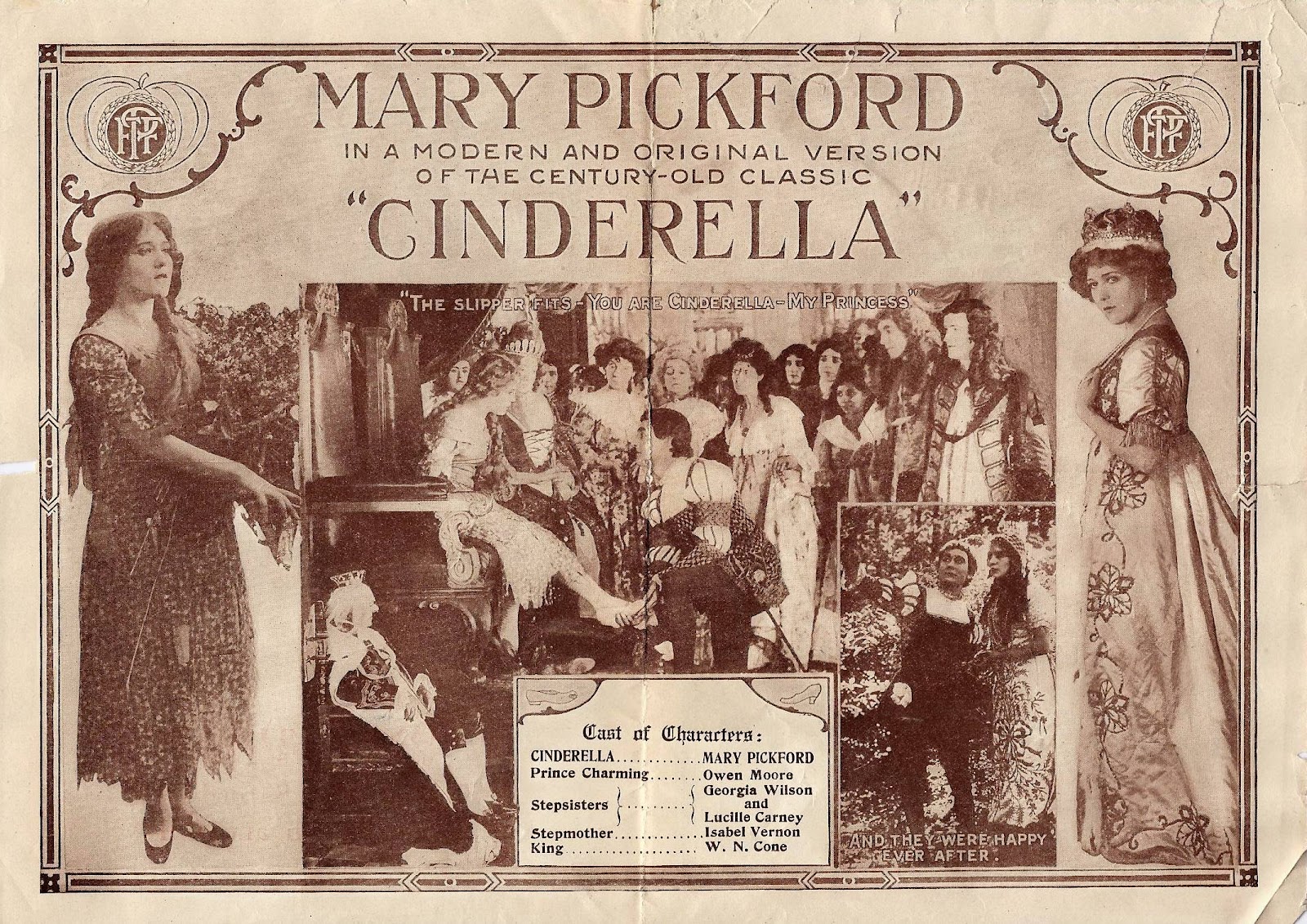
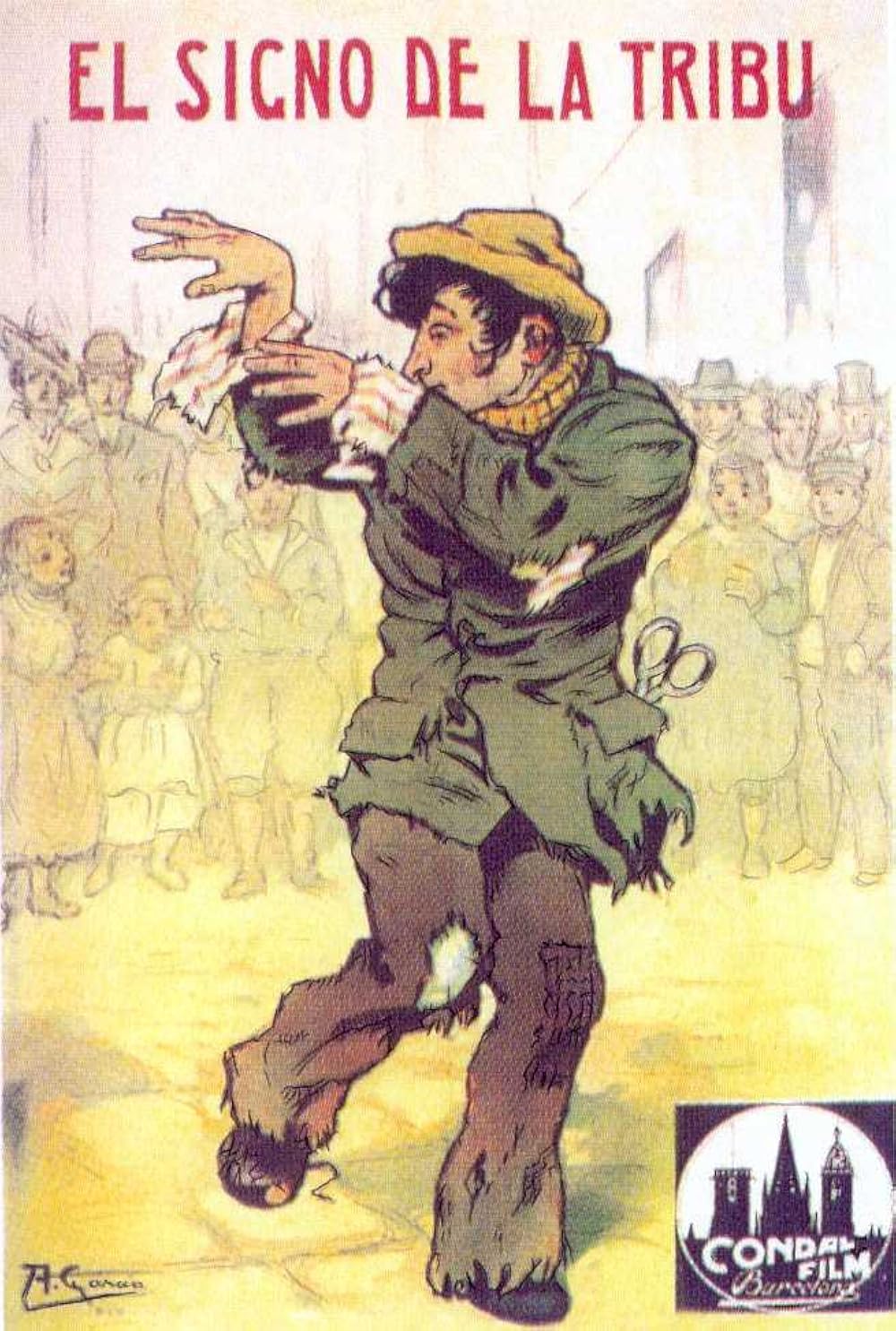
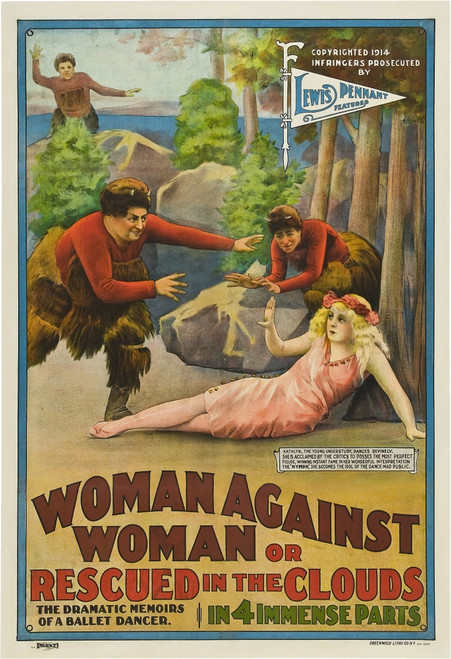
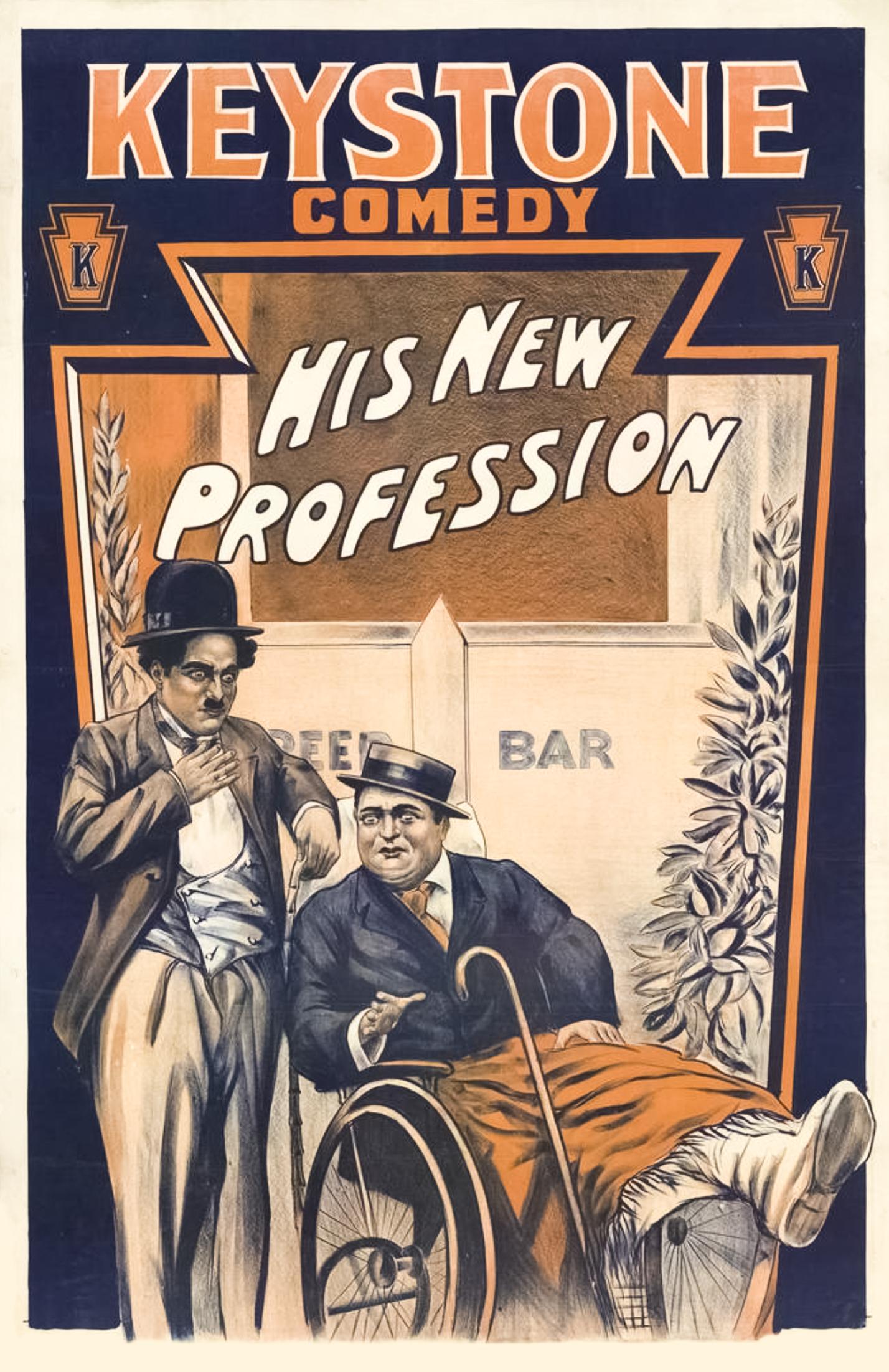
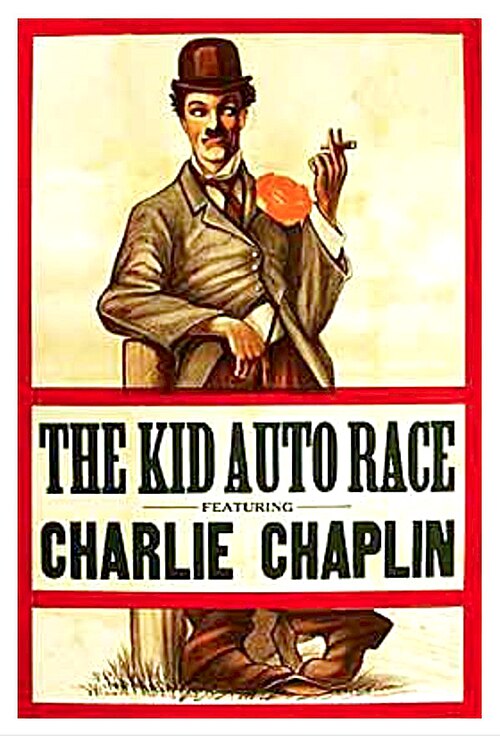
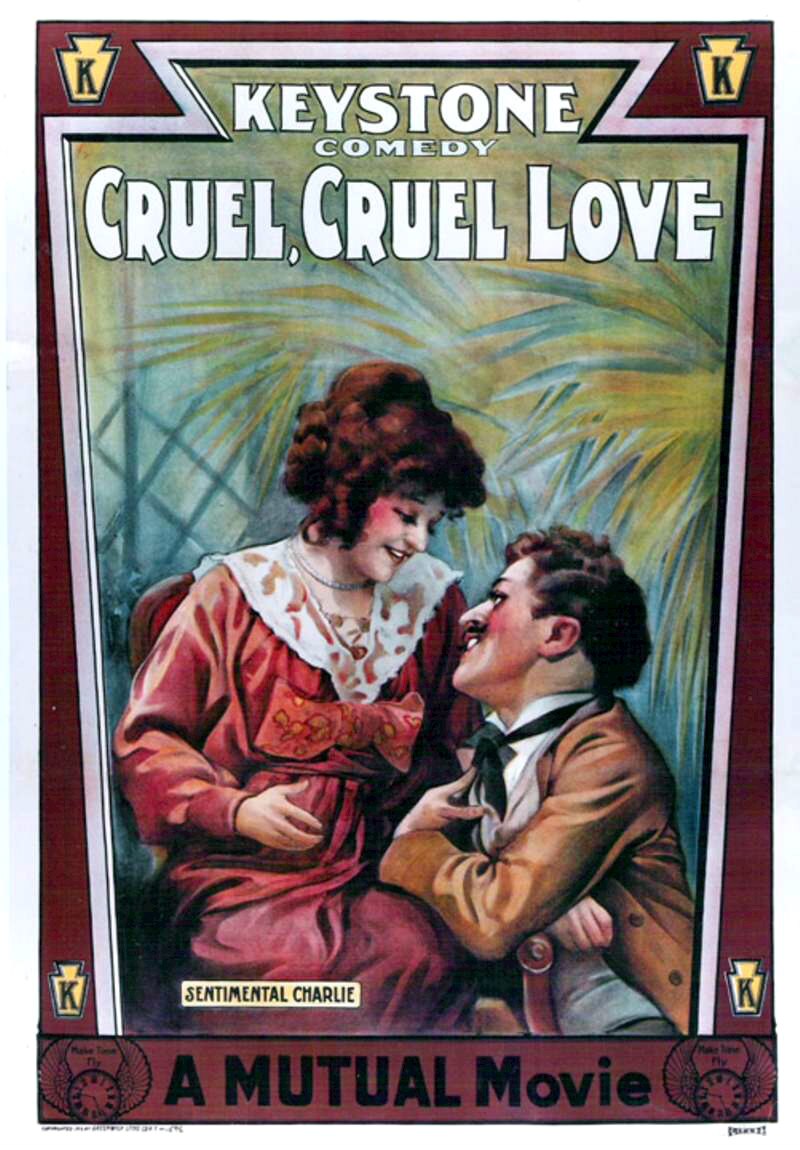
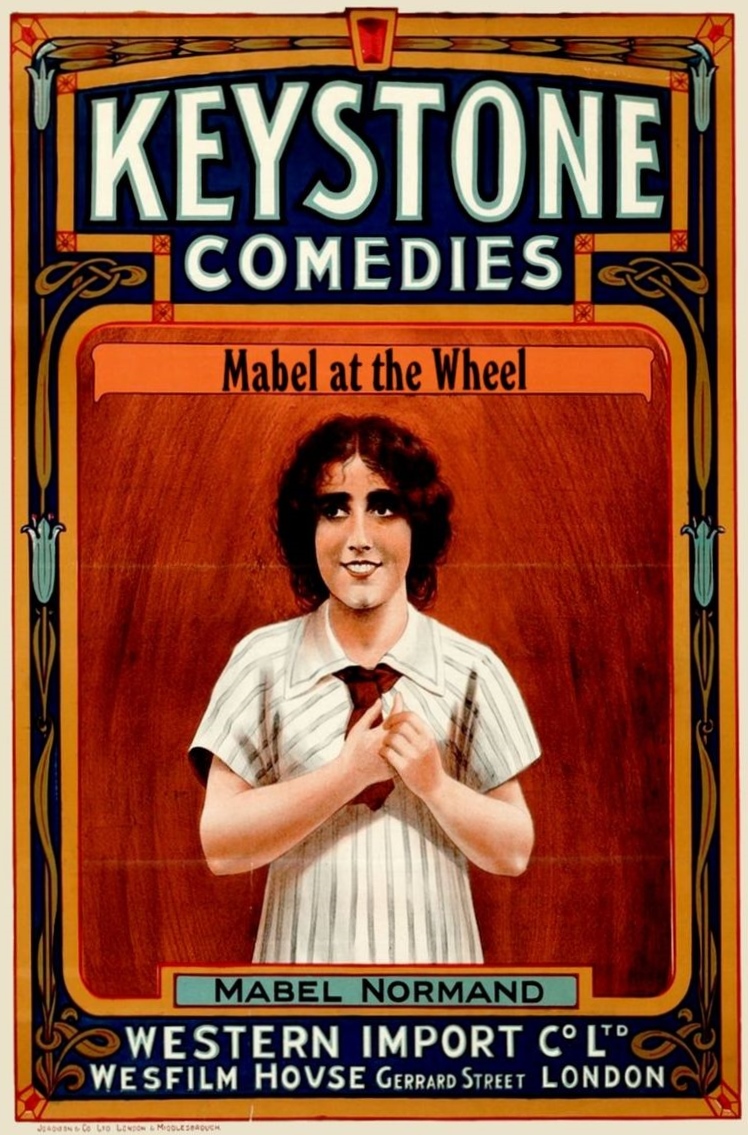
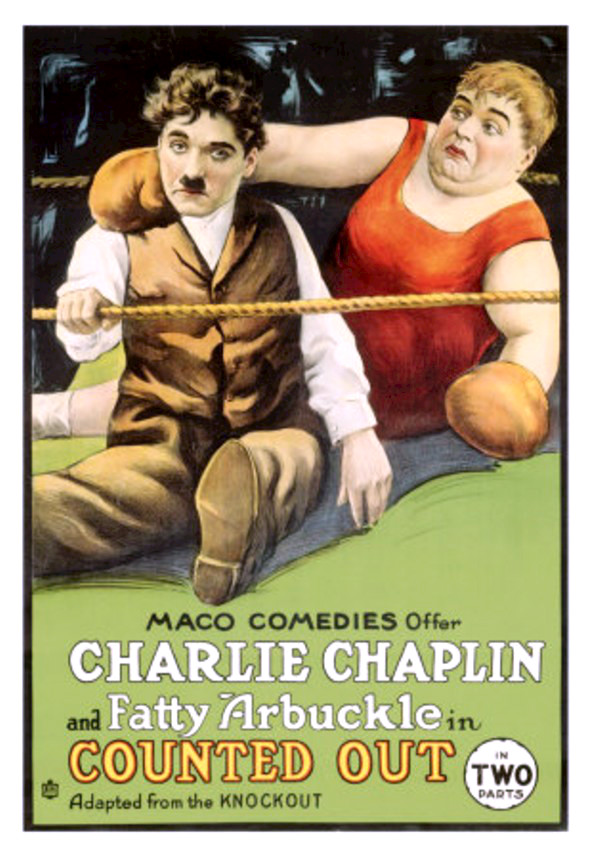
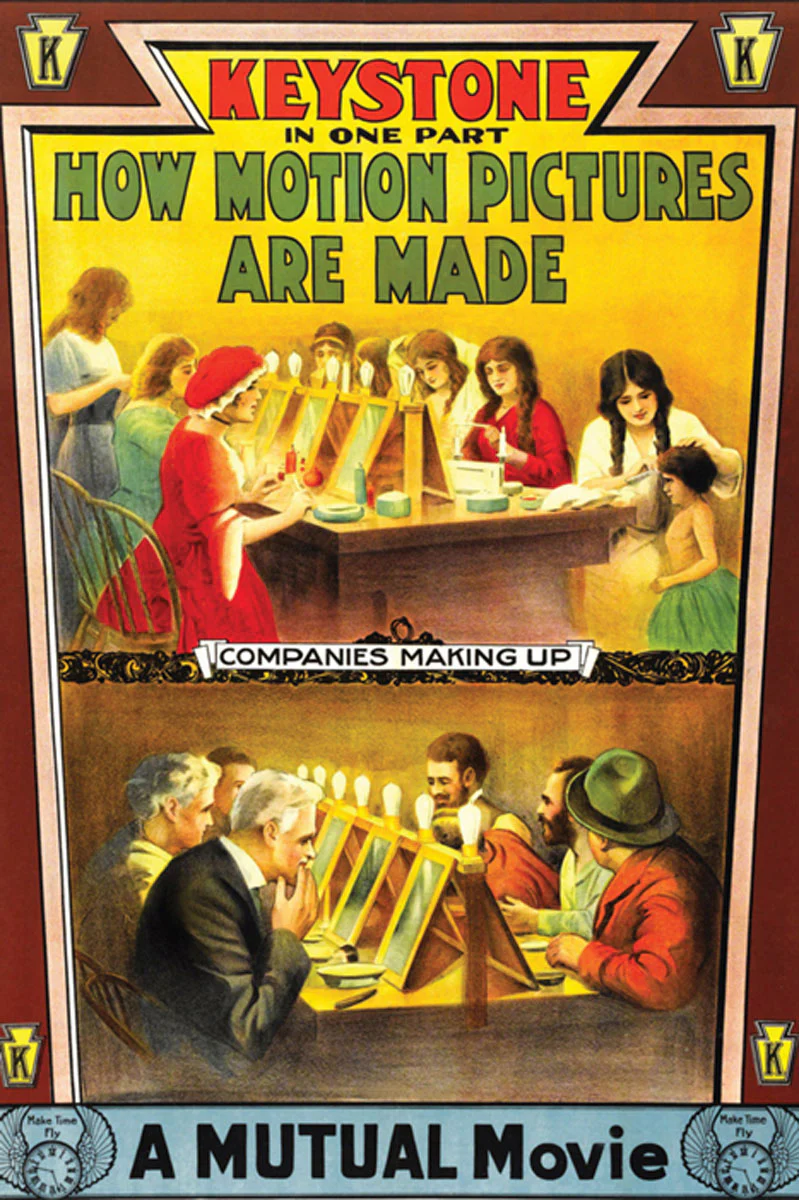
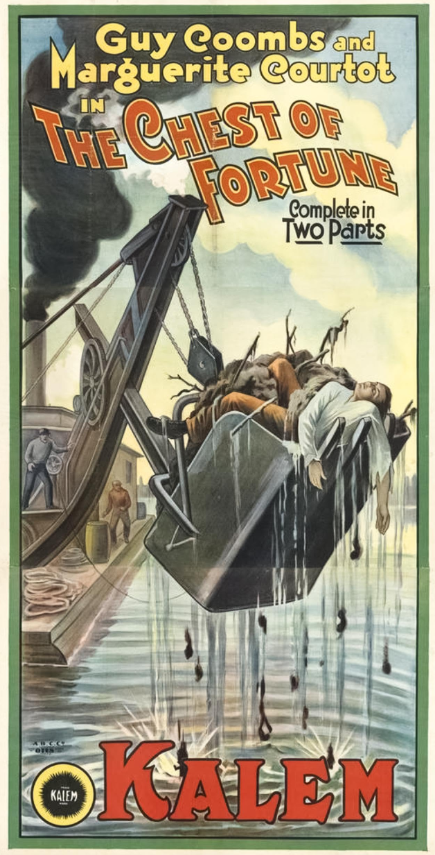
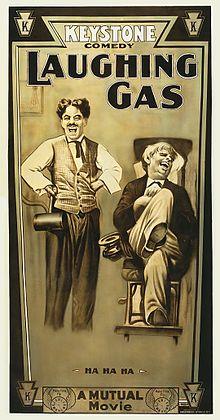
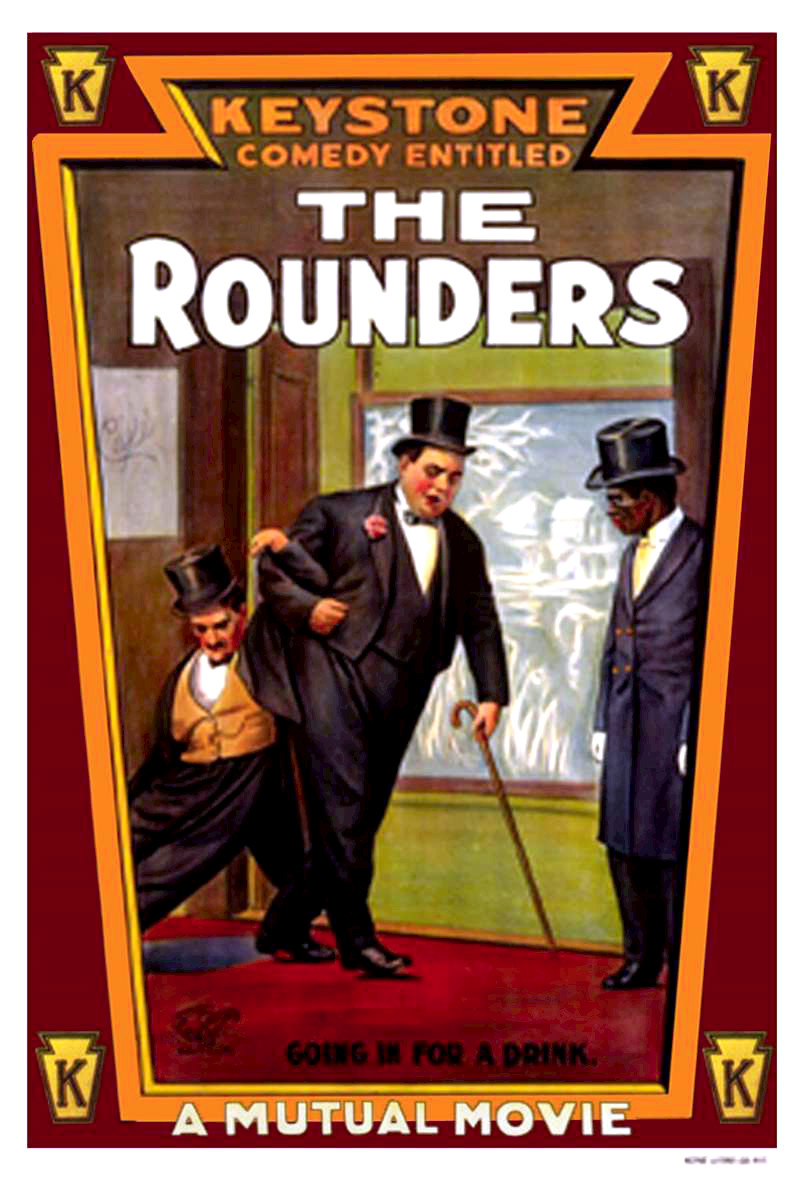
It bears repeating what was said in the first article of this series: there is no way to select every poster for every film released, especially starting from this period, when film production grew significantly despite the hardships of the war. The selection presented here is the result of amateur but dedicated research, guided not only by the historical importance of the films but also by the beauty, strangeness, or graphic curiosity of certain posters.
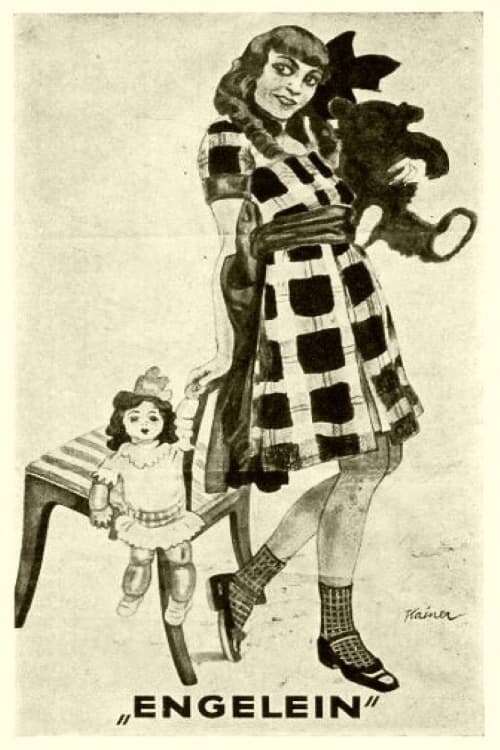
We open with Urban Gad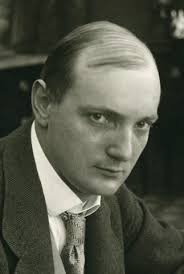 's Engelein, starring Asta Nielsen
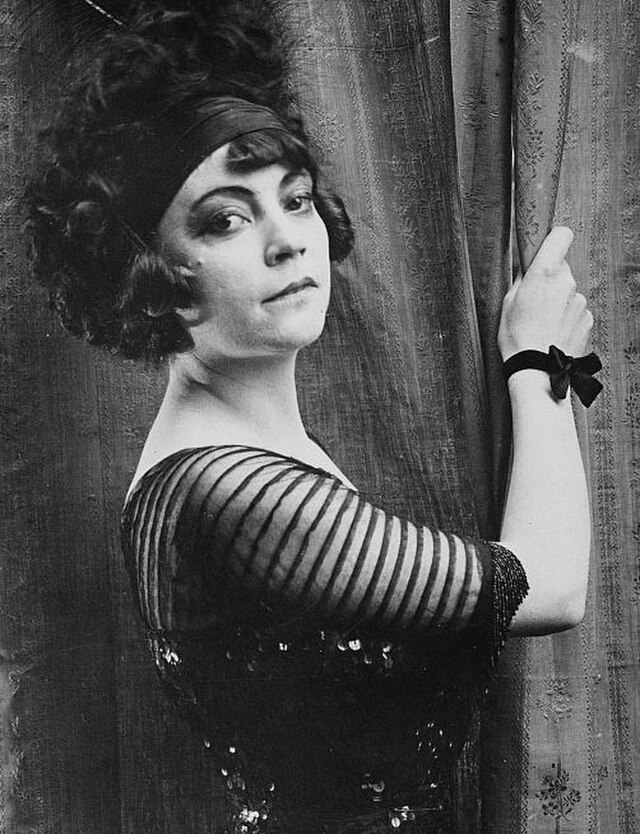 —an actress we will discuss more thoroughly in the Stars of Silent Cinema series. Authorship is usually attributed to Ludwig Kainer
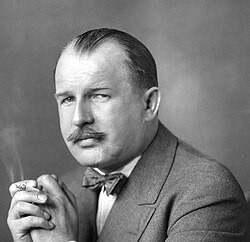 , although other works by the artist display a more clearly Impressionist aesthetic.
The art for Henrik Galeen and Paul Wegener
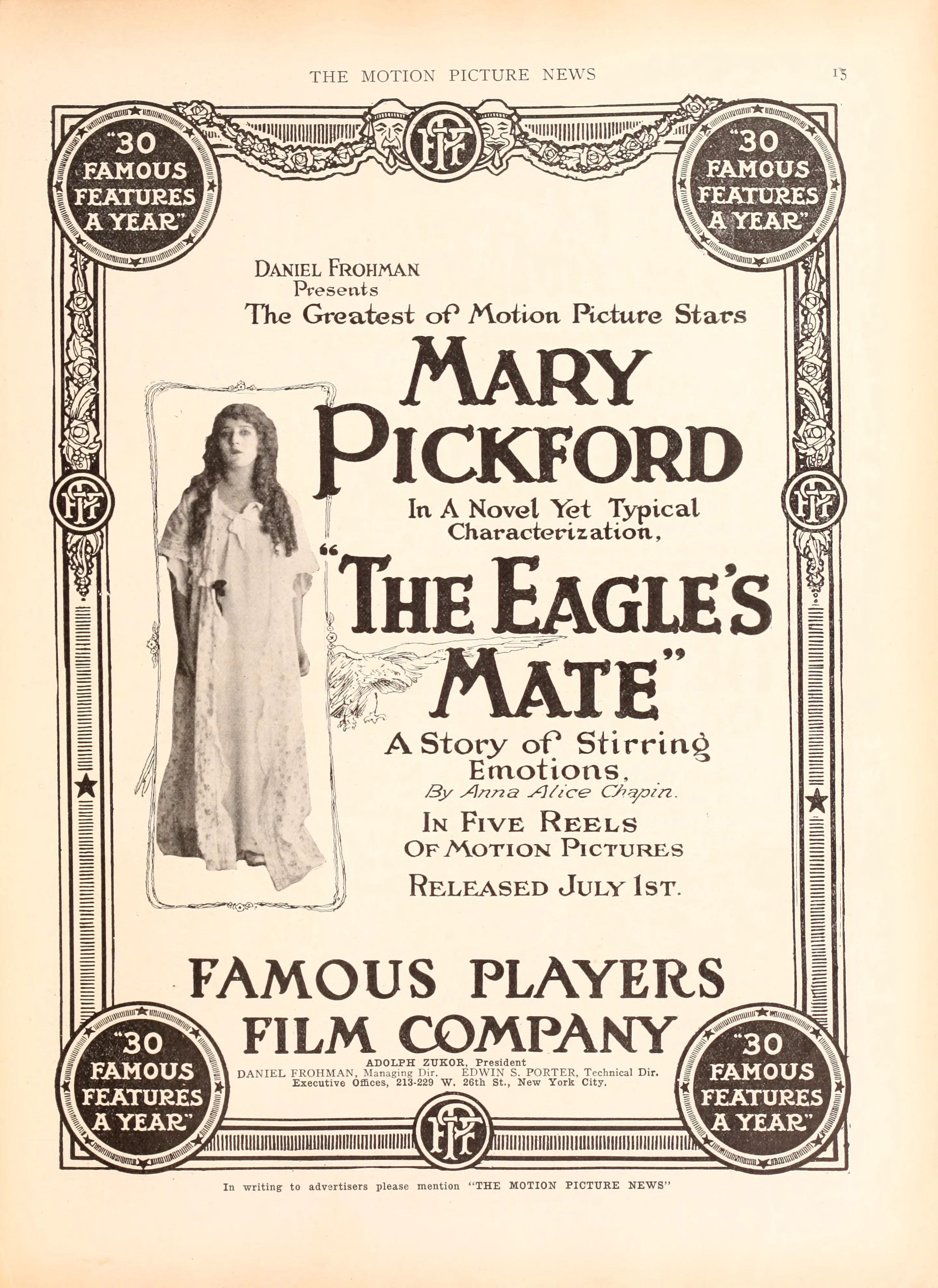
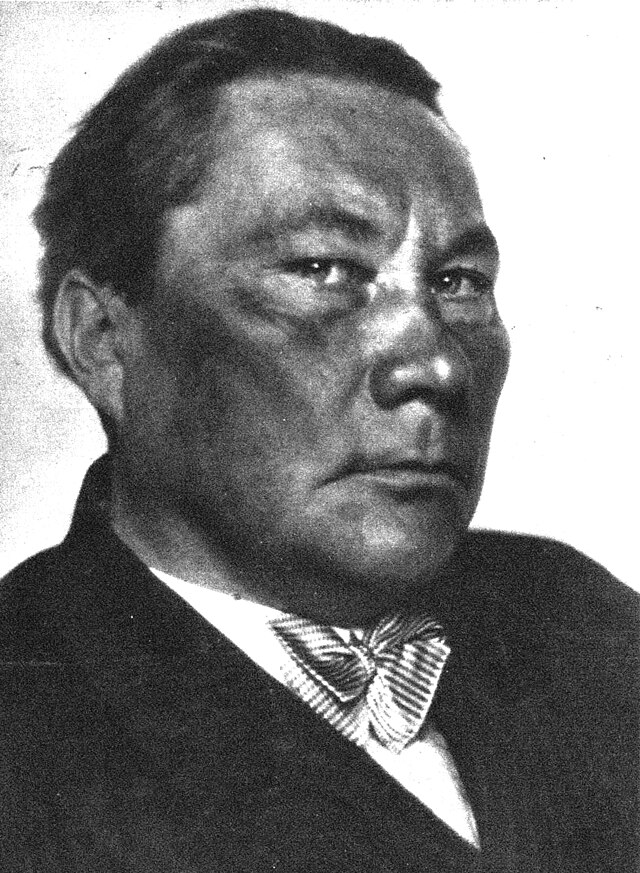 's Der Golem is not strictly a poster, but a magazine advertisement. Even so, its inclusion is justified by its visual impact and layout, which mirrors other promotional pieces of the period. The same applies to other ads, such as the one for The Eagle’s Mate, directed by James Kirkwood
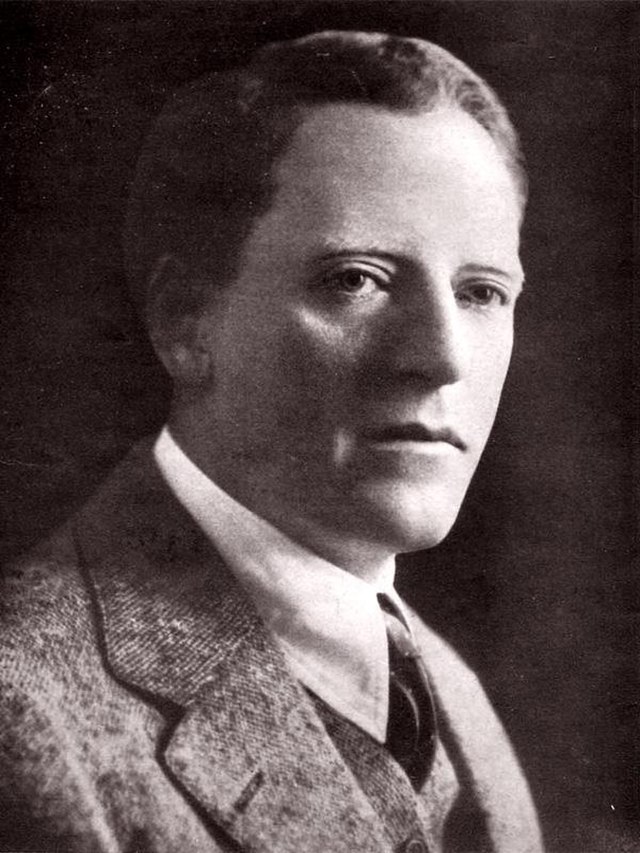 and starring Mary Pickford
 .
.
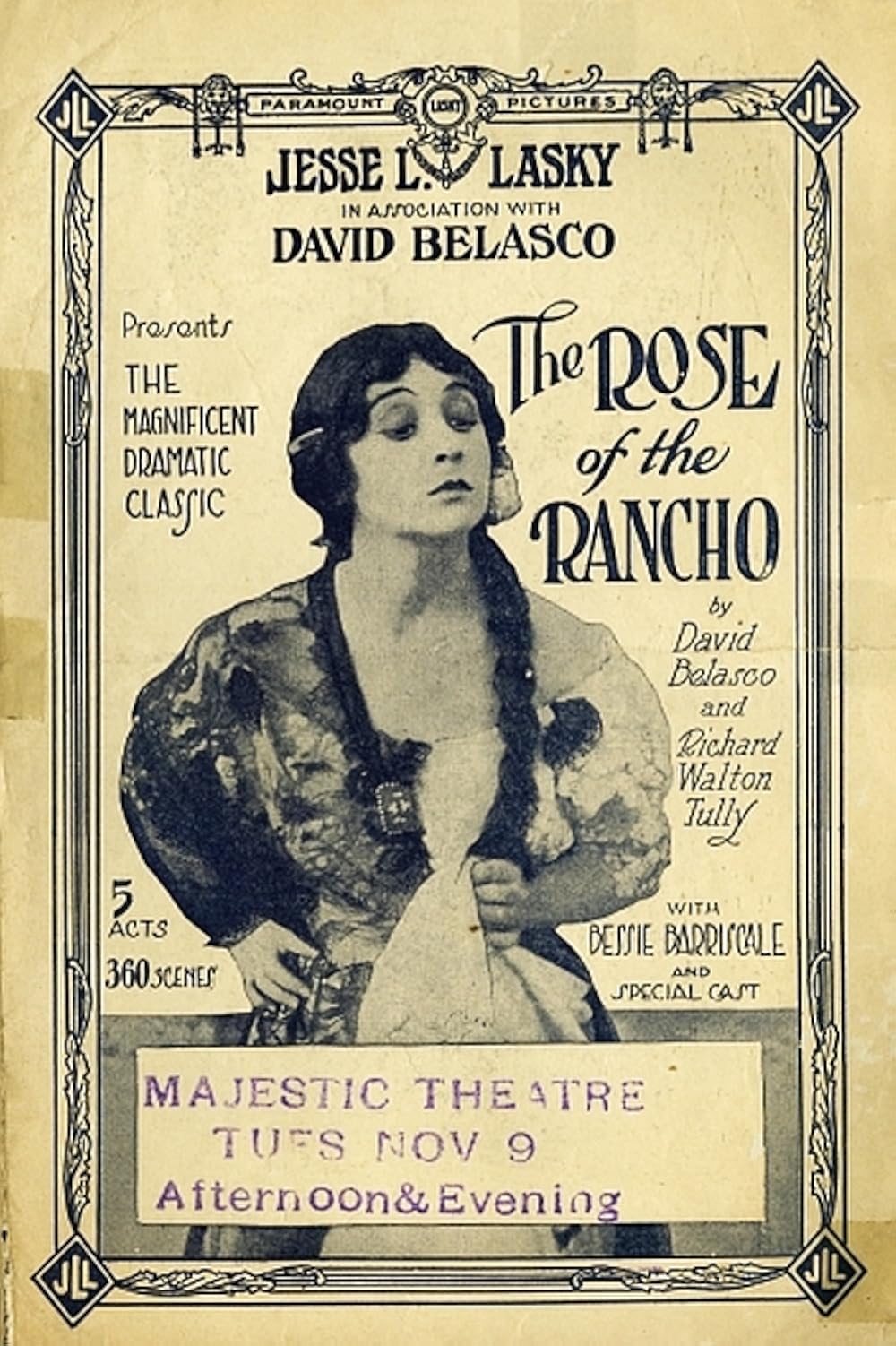
There are also examples of a specific type of poster quite common at the time: those intentionally left with blank spaces for the theater's stamp and the screening date. A good example is the poster for Cecil B. DeMille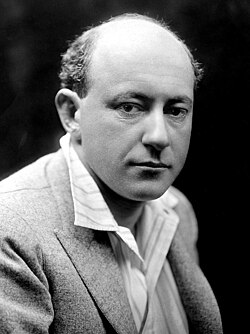 's Rose of the Rancho, starring Bessie Barriscale
 .
.
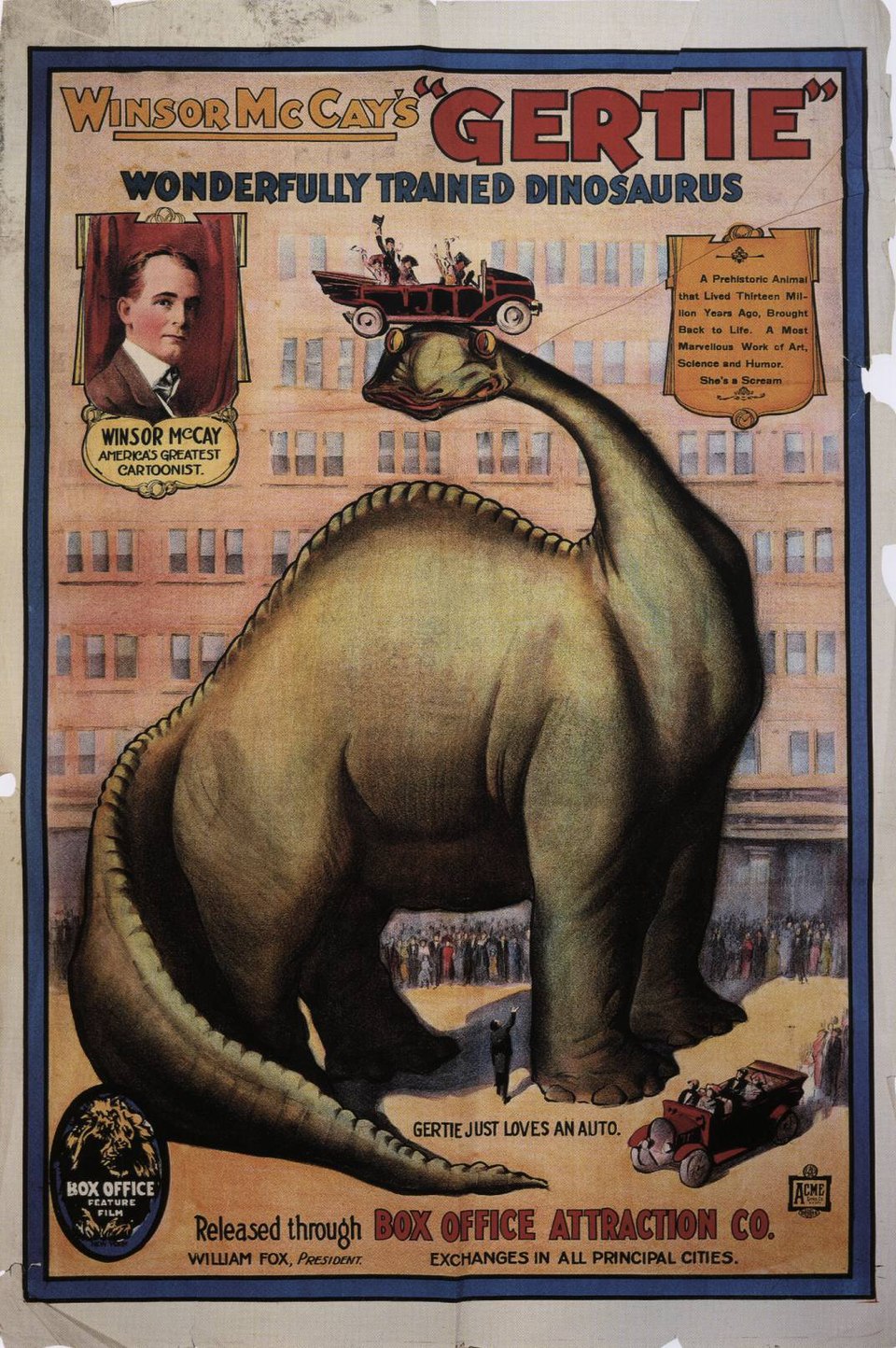
Near the end of the selection, we find the poster for Gertie, the Dinosaur, created and directed by Winsor McCay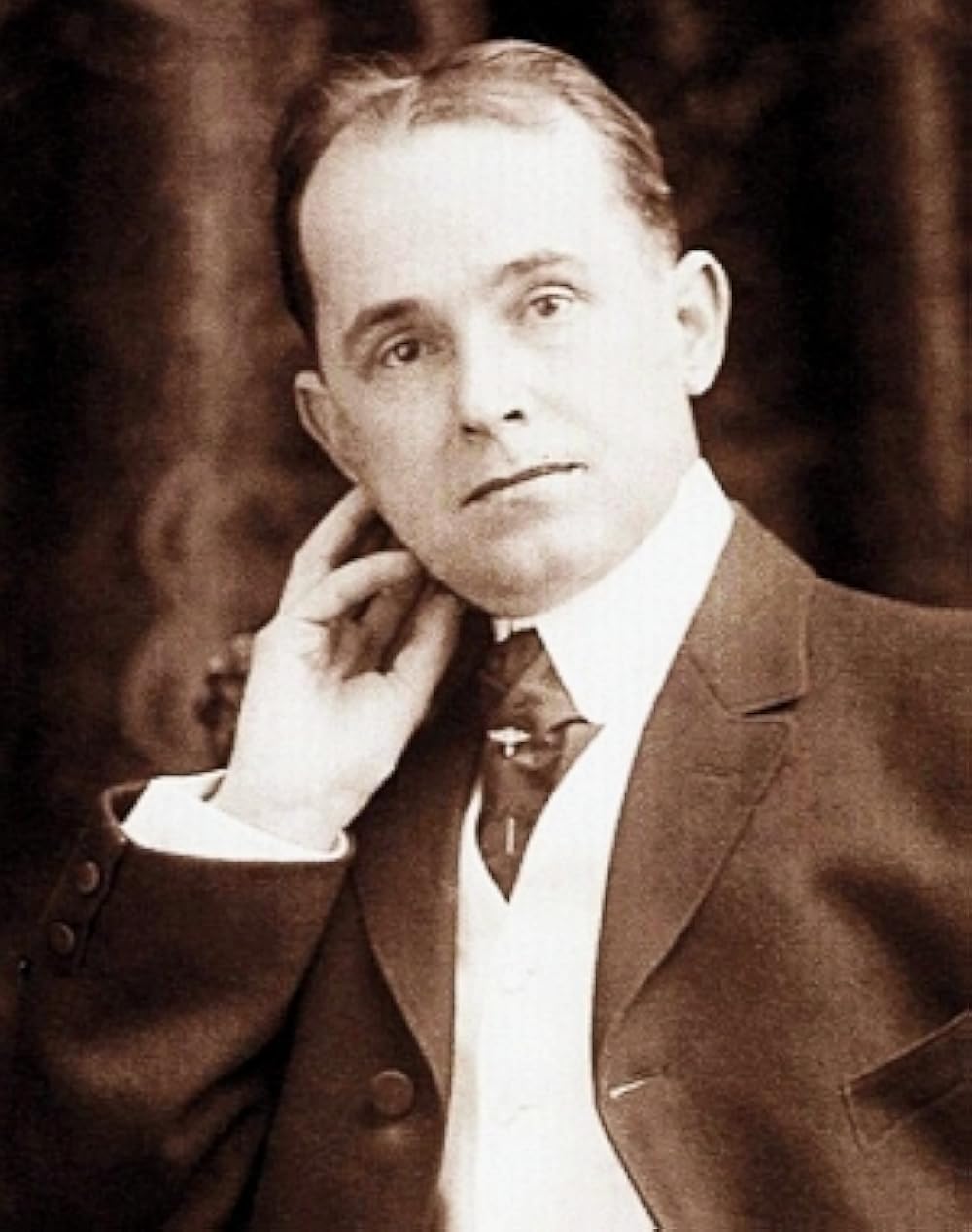 . It is often claimed that this is the first animation in history, which is not true. McCay himself had made animations before, as had Stuart Blackton
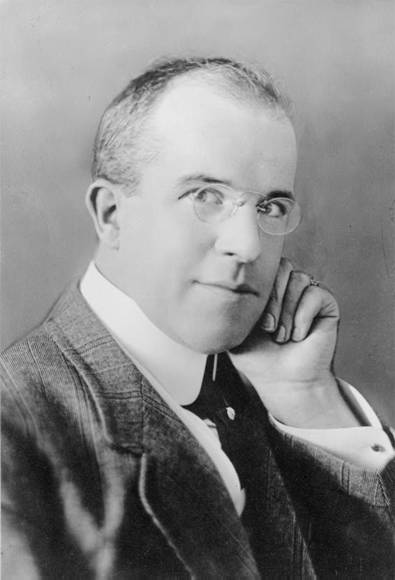 and Émile Cohl
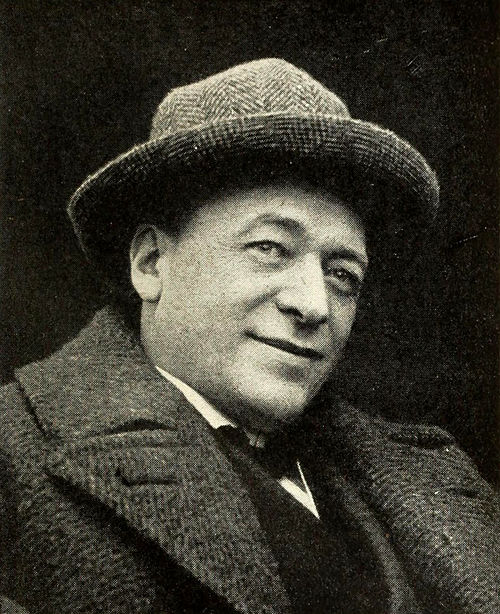 , who had been experimenting with animated images in previous years. Nevertheless, Gertie was a milestone—not for being the first, but for captivating the audience and demonstrating the expressive potential of animation as a spectacle.
We continue, then, with dozens more posters released throughout 1914.
Research sources: Archiv für Filmposter, iMDB, Wikimedia Commons, Cine Ressources, TMDB, Movie Posters