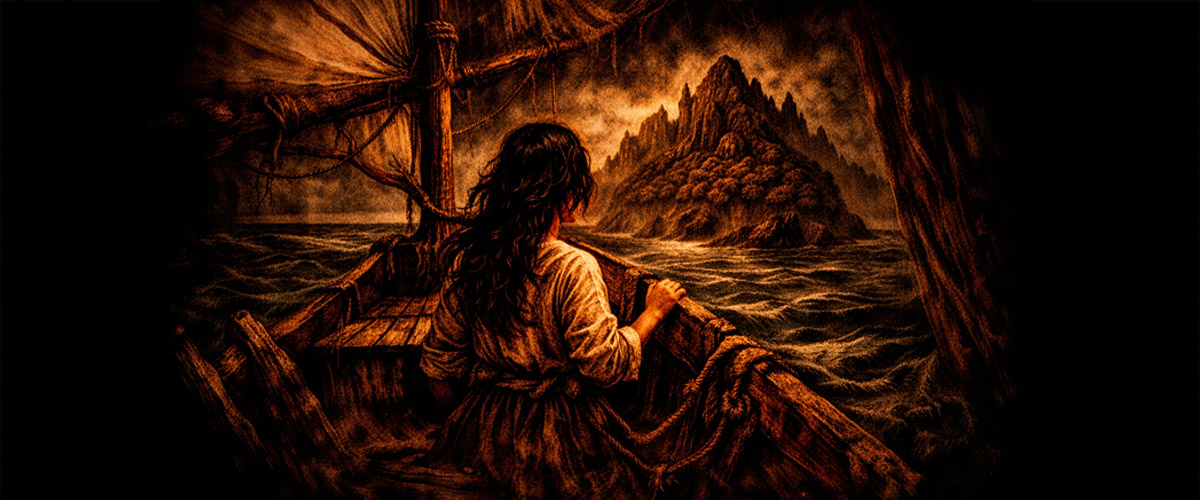
After moving through the moral horror of Machado, the urban decadentism of João do Rio , and the grotesque obsessions of the late 19th century, we come to Bernardo Guimarães
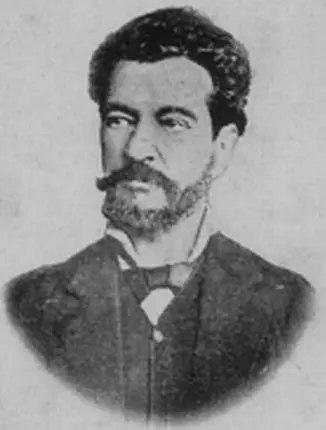 — an author whom many insist on reducing to romantic regionalism, but who possesses much darker veins than what usually appears in textbooks.
A Ilha Maldita — the pioneer of the fantastic in Brazil
Originally published in 1879, A Ilha Maldita (The Cursed Island) was released alongside O Pão d’Ouro (The Golden Bread) in the same edition by Garnier, and for a long time was practically forgotten by critics and the public — it had little resonance and only gained new editions decades later (1930 and more recently).
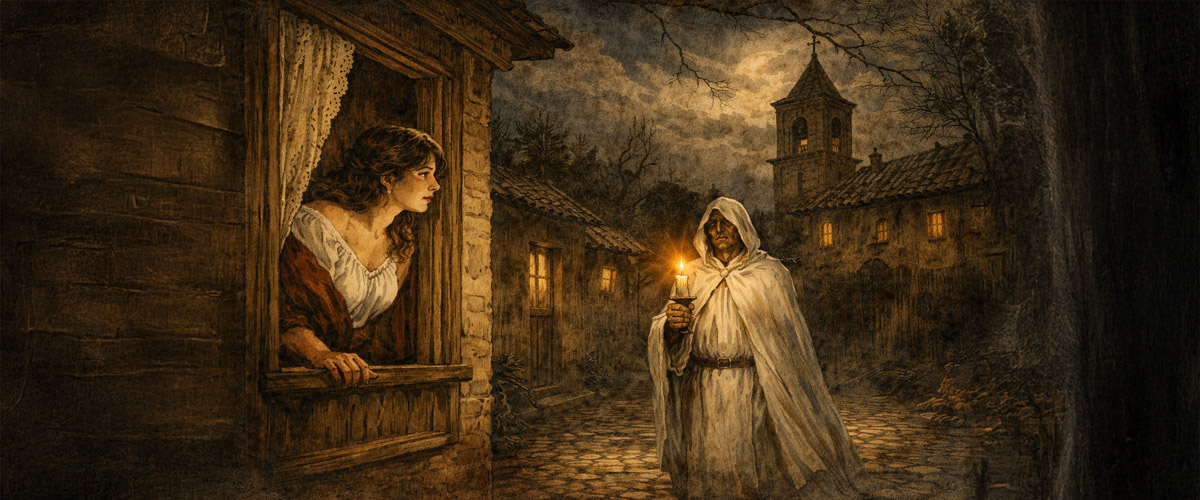
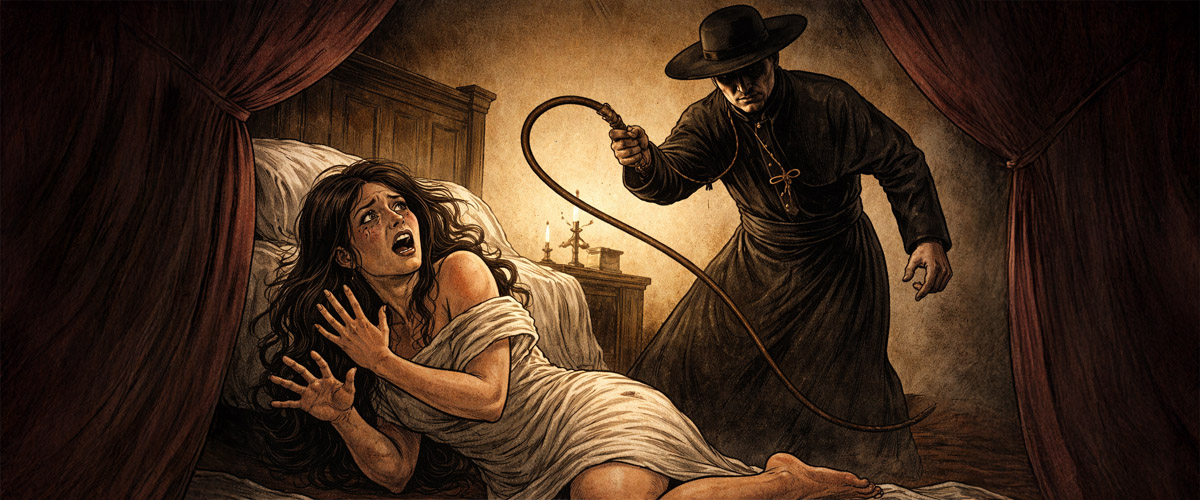
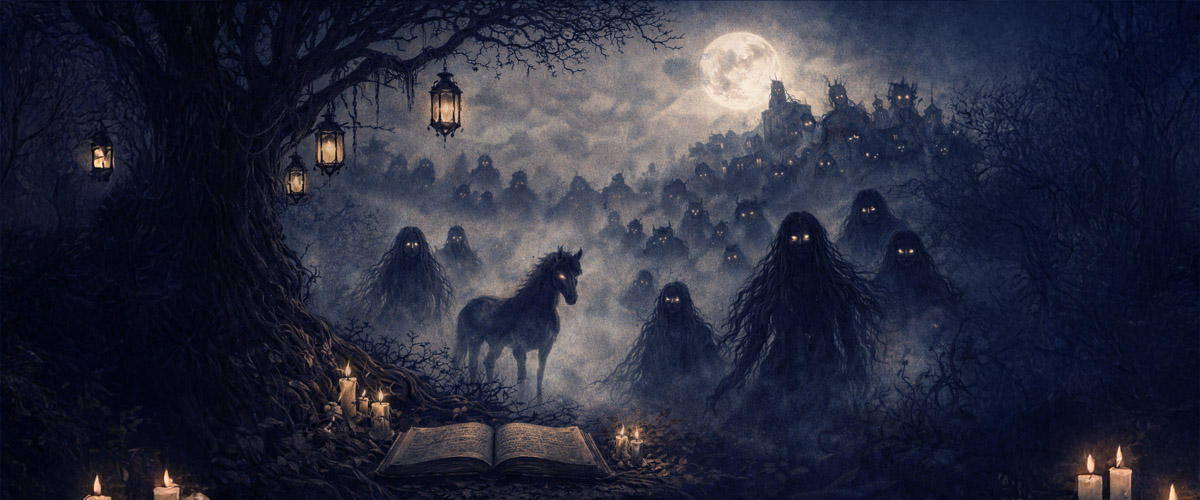
The plot centers on Regina, a woman of hypnotizing beauty found on the beach as a child and raised by a widow. As she grows, her presence begins to trigger a series of tragic events: she attracts men with her beauty, but the passions she awakens end in death, despair, or madness. The community begins to believe that Regina is more than human — possibly a supernatural creature linked to a mysterious island that no one can reach.
Spoiler alert: if you haven't read it yet, skip to the next topic.
- Regina herself reports that she inspires fatal love in men, leading them to physical and psychological ruin.
- Regina is simultaneously seductive and destructive, while the sea and the island act as agents of the plot rather than just a setting.
- And there is an ambiguity regarding the supernatural, as it remains unclear whether the curse is literal or the result of collective fear and superstition.
Importance and Pioneering Spirit
What marks this novel as a historical milestone is precisely its inclusion of fantastic elements as a narrative core, rather than just as folkloric adornment or isolated citation, as was common in 19th-century Brazilian literature until then. The work incorporates beings and forces that escape rational explanation, opening space for what we now call fantastic literature — territory that was practically unexplored in Brazilian fiction at the time.
A Ilha Maldita is one of the first — if not the first — incursions of our country into this type of long-form narrative, featuring figures on the threshold between the human and the monstrous and an atmosphere of continuous mystery, situating itself between the romantic novel and fantastic fiction. It is not just a curious text: it opens space for the fantastic as a long narrative experience in Brazil — a line that decades later will resonate in other authors of boundary genres between fantasy, horror, and the uncanny.
Even though previous authors explored the uncanny in short stories or poems, nothing from that era stands as a novel with such central fantastic elements.
O Pão d’Ouro — Fantasy and Indigenous Legend
Different from the dark atmosphere of the island, this long tale dives into the mythical imagery of El Dorado legends and hidden wealth in America — here transformed into a fantasy inspired by indigenous traditions and the narratives of the "bandeirantes."
The text retells the legend of the “Mãe do Ouro” (Mother of Gold), a kind of fairy or spirit linked to the riches of the earth, who falls in love with a chieftain and then disappears under orders from the sun god, Tupã.
The narrative involves: explorers seeking gold, creatures protecting the treasure (the “white armadillos”), and a fantastic and almost allegorical environment.
While A Ilha Maldita works with a dramatic, fatal, and almost gothic mood in its human ramifications, O Pão d’Ouro is legendary fantasy, closer to indigenous and European myths than to pure horror.
Importance
O Pão d’Ouro, in turn, contributes to this Brazilian incursion into the field of fantasy through local legends and myths, showing that the fantastic here does not need to be imported — it was already present in the popular imagination and can be reframed in literary prose.
The cited works are in the public domain and can be read for free. But for those who prefer revised, updated, or commented editions, we recommend this eBook version by Estronho (purchasing it will help us). There are also printed editions from other publishers (click on the descriptions to purchase):
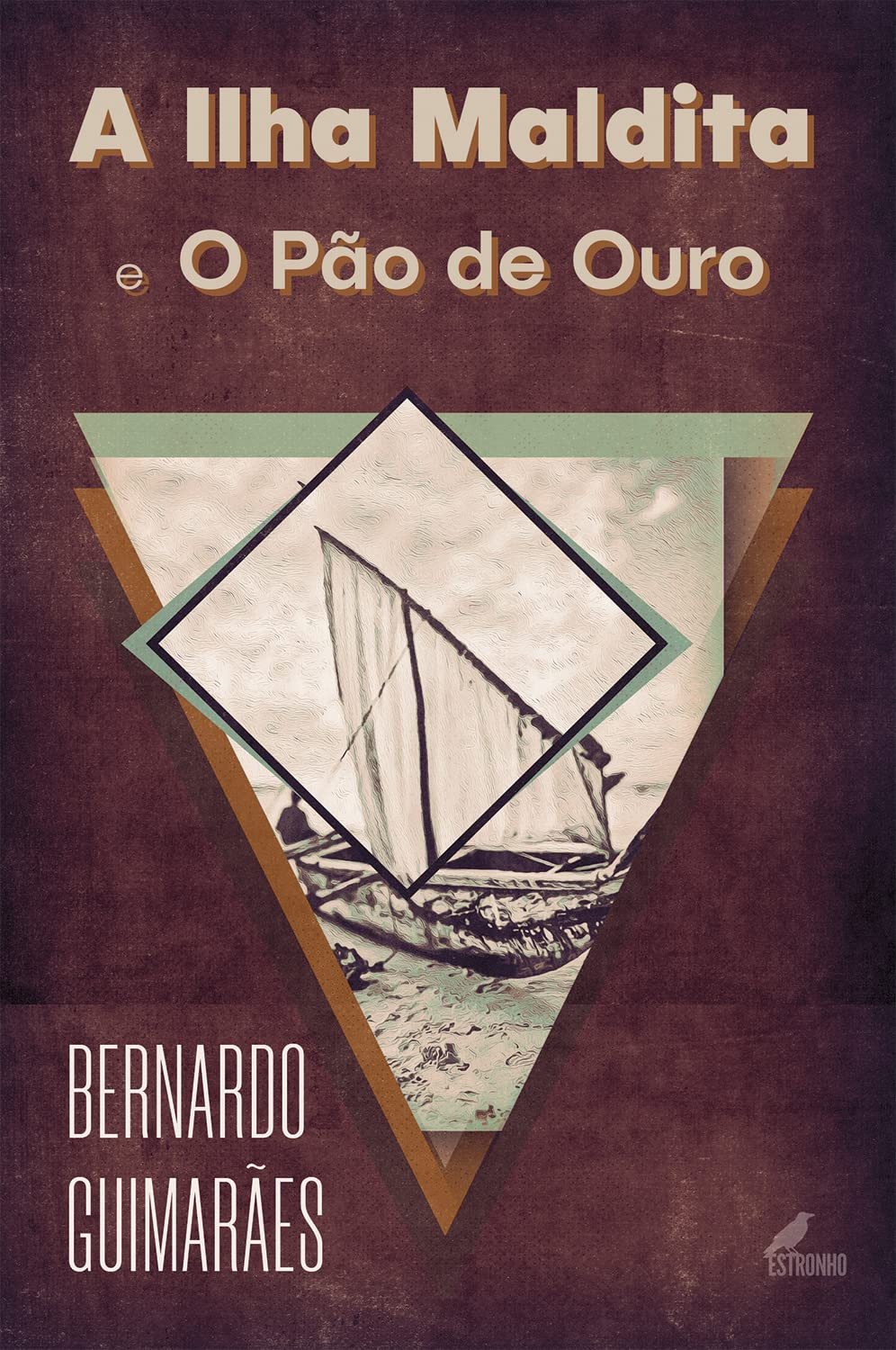
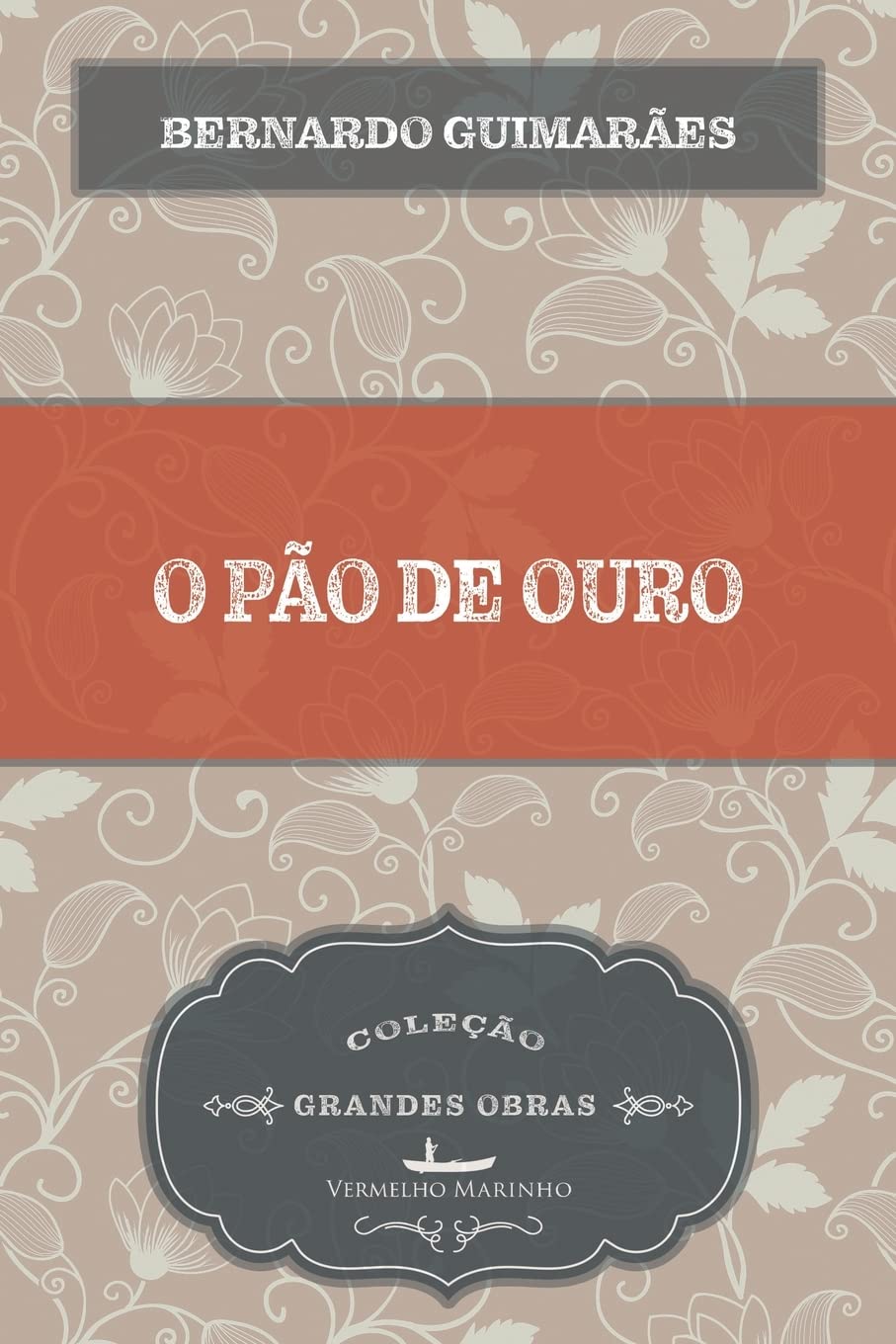
Source: Book A Ilha Maldita e o Pão d'Ouro (Editora Estronho, 2022)


![Tênebra: narrativas brasileiras de horror [1839-1899]](/media/advertisements/advertisement_banner_110.jpg)