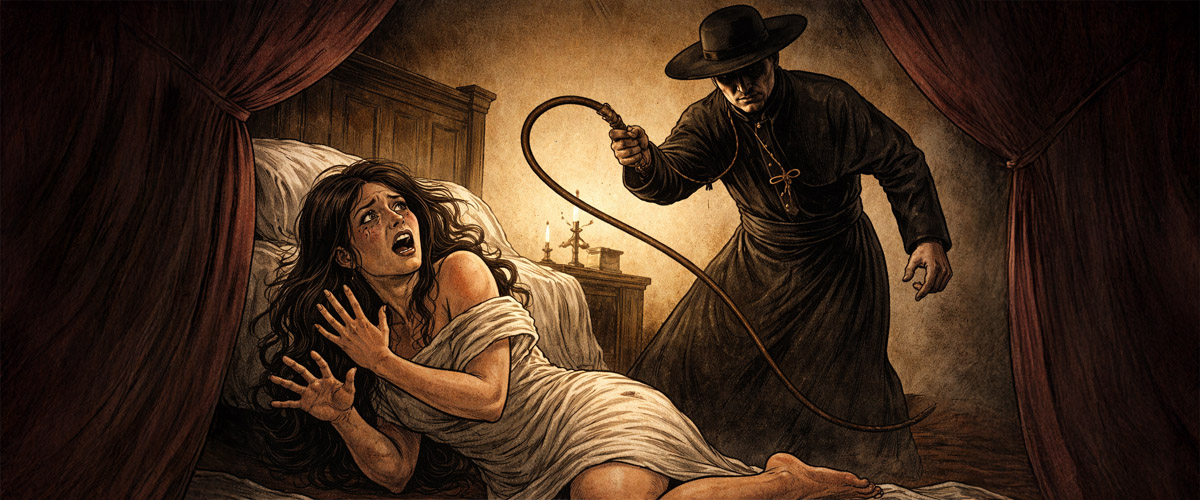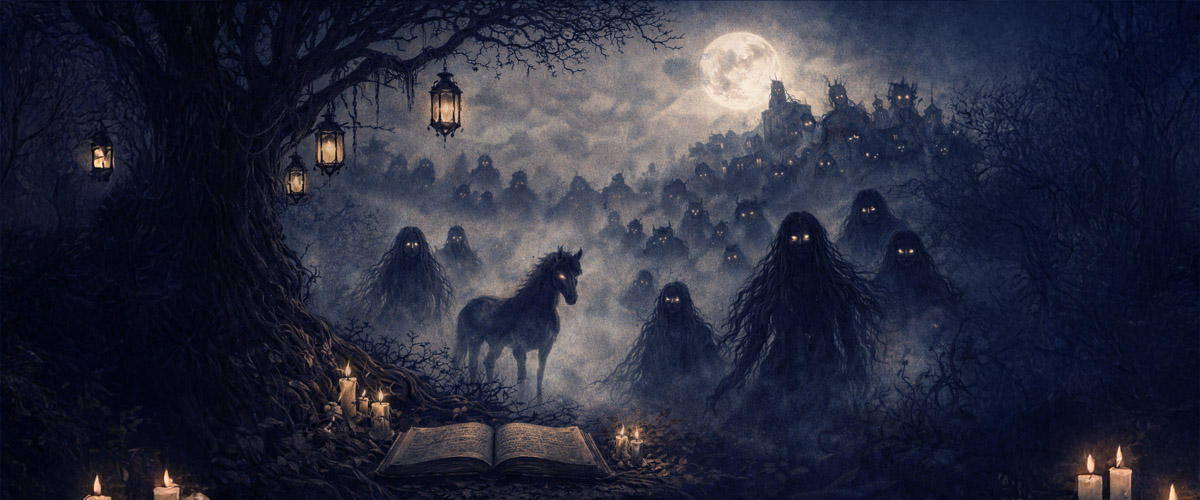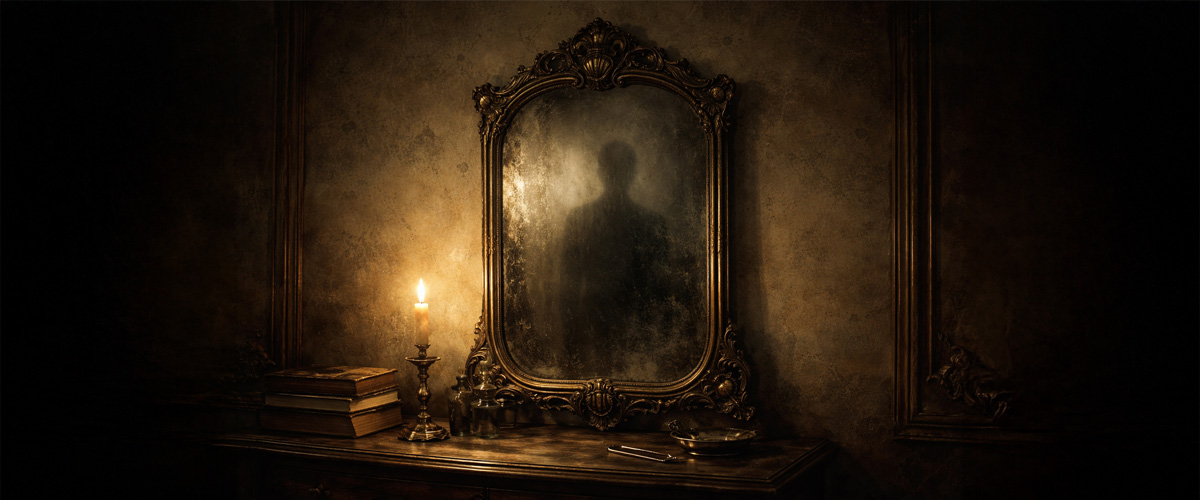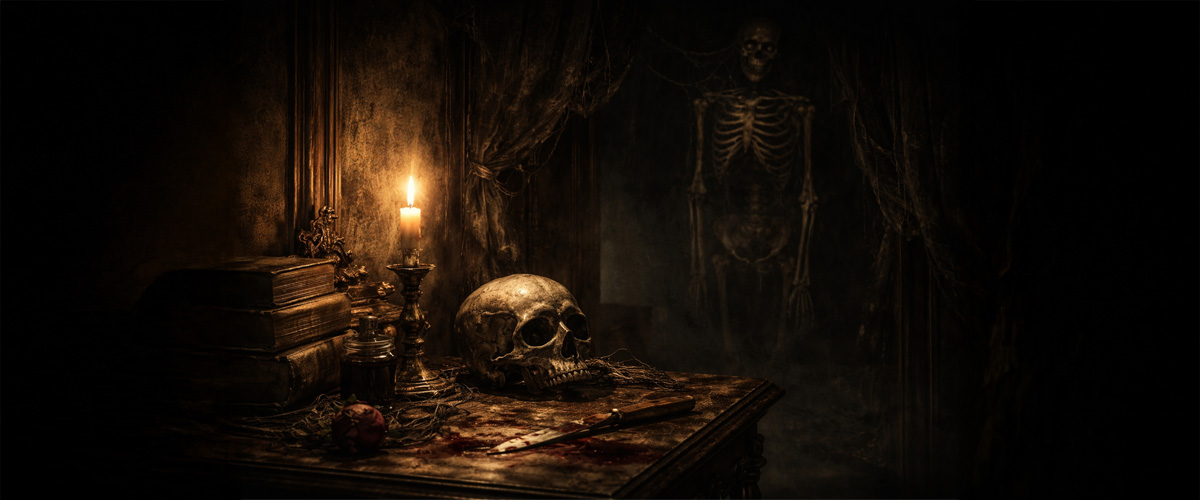
If in the first part we spoke of discomfort, hesitation, and unkind mirrors, here the next step imposes itself naturally. Horror, when it finally takes center stage in the narrative, does not abandon subtlety — but it is no longer content with merely suggesting. It insinuates itself with more firmness, more matter, more weight.
Classic Brazilian horror rarely resorts to pure spectacle. Even so, when it decides to touch upon the macabre, it does so with precision and lasting unease. The short stories gathered in this second incursion do not merely seek to unsettle: they disturb and deform.
There are no cheap scares here. There is obsession, the grotesque, death, and a persistent feeling that something has been crossed — and shouldn't have been.
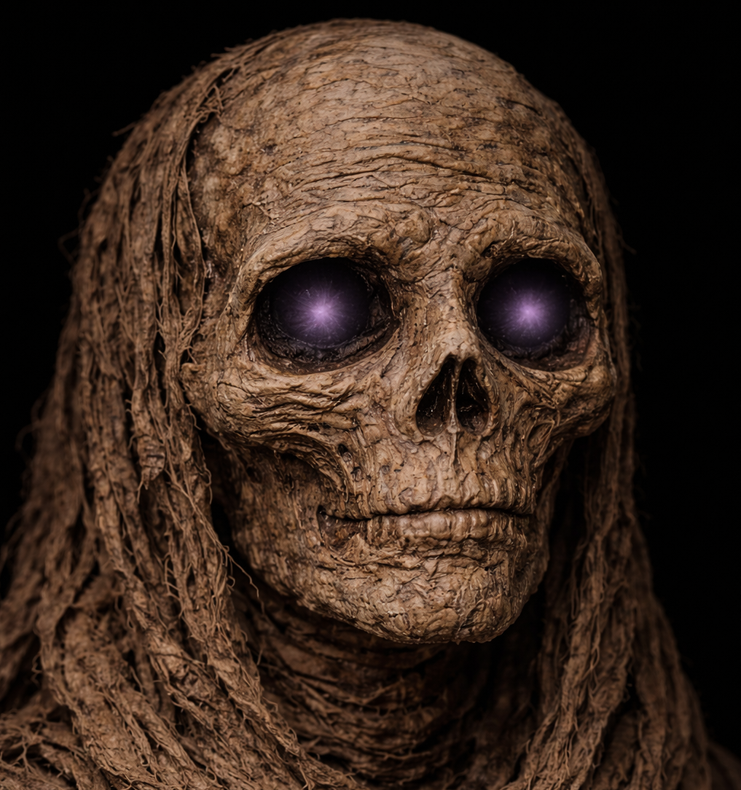
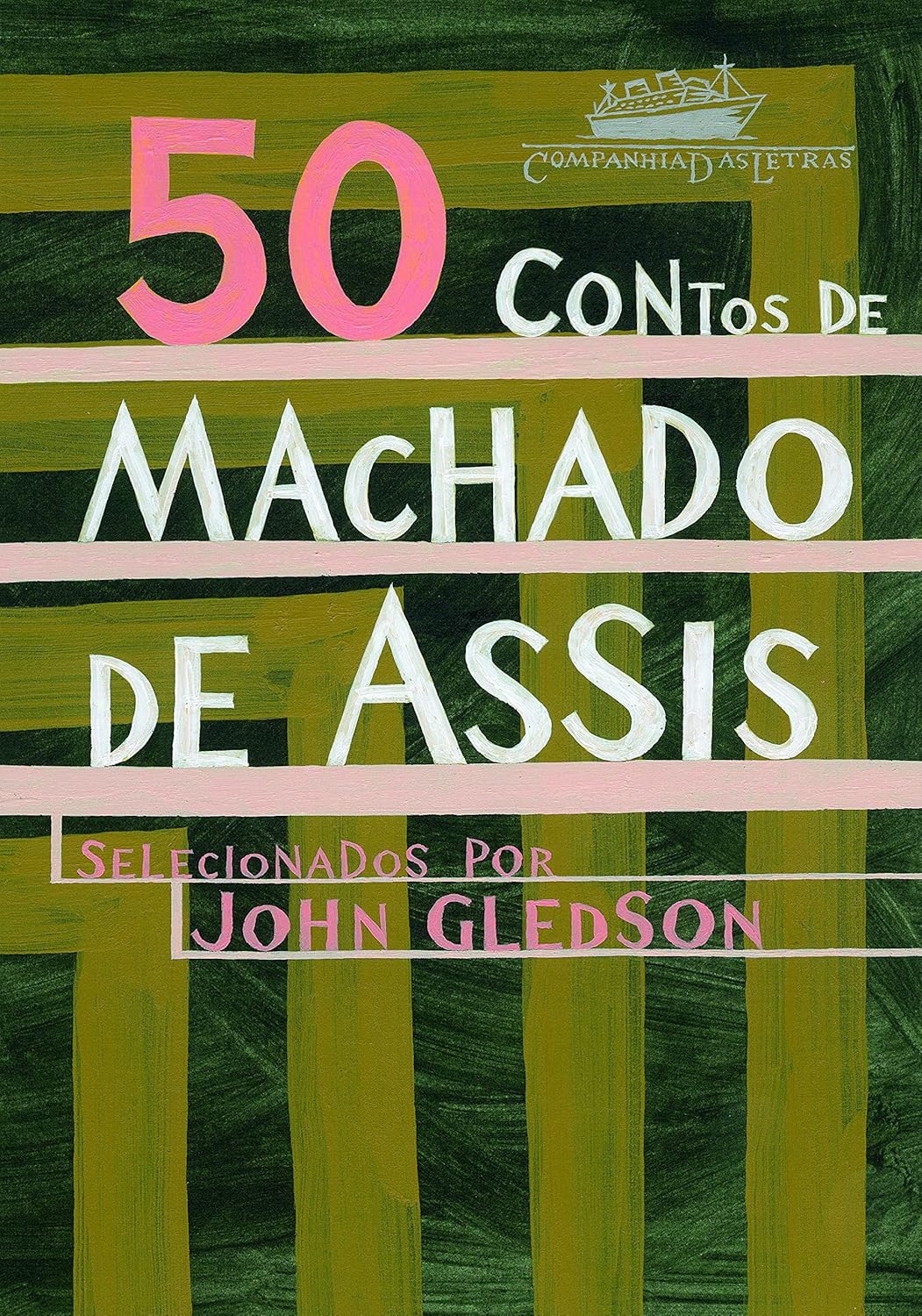
Um Esqueleto — Machado de Assis
Among the many dark detours of Machado de Assis, Um Esqueleto occupies a peculiar place. Here, the author momentarily abandons his more contained realism and flirts openly with the macabre — without ever losing control of his irony.
The story is built around an uncomfortable, almost symbolic presence that hovers over the narrative like a silent threat. It is not just about death, but about the way it is incorporated into everyday life, normalized, and displayed.
Machado transforms the grotesque into a psychological tool. The horror lies not just in the central object of the story, but in the naturalness with which it is accepted, explained, and rationalized. The laughter, when it arises, is nervous. And the final feeling is that certain lines should never have been crossed.
O Bebê de Tarlatana Rosa — João do Rio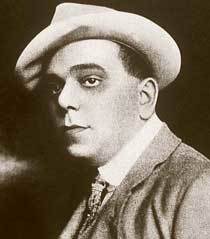
Few texts capture urban horror as well as this story by João do Rio. Set amidst the carnival euphoria, O Bebê de Tarlatana Rosa builds its effect from the brutal contrast between celebration and deformity, joy and repulse.
The narrative advances like a parade that gradually loses its shine and reveals something deeply wrong behind the masks. The grotesque here does not come from distant castles or ancient curses, but from the streets, the crowd, and excess.
João do Rio understood the dark side of modernity like few others. This story is proof of that: a short, visual, disconcerting tale that ends by leaving the reader with a feeling hard to name — a mixture of fascination, disgust, and silence.
Dentro da Noite — João do Rio
In Dentro da Noite, horror abandons any comfortable distance and settles into the most banal space possible: a nighttime conversation, a moving train, low voices speaking while the city passes by the window. João do Rio builds the narrative without haste, letting the unsettling emerge not from an extraordinary event, but from what is revealed little by little.
The story is sustained by the tension between confession and listening, between impulse and the desperate effort of containment. There are no monsters, no supernatural explanations. There is obsession, compulsion, and the uneasy perception that certain boundaries, once crossed, cannot be mended.
Here, the horror is urban, psychological, and profoundly modern. It does not impose itself through explicit violence, but through the naturalness with which deviation is articulated in words, reasoning, and justifications. The final effect is not a shock, but a persistent sense of threat — as if something continues to happen out of the reader's field of vision.
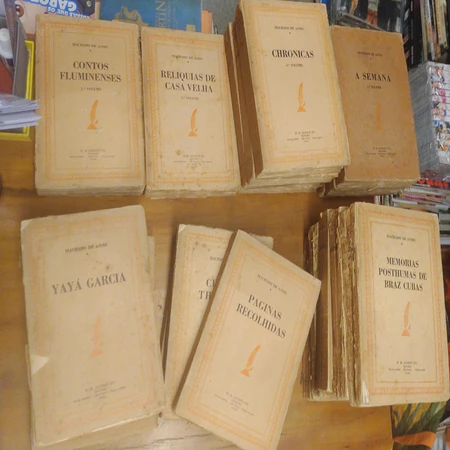
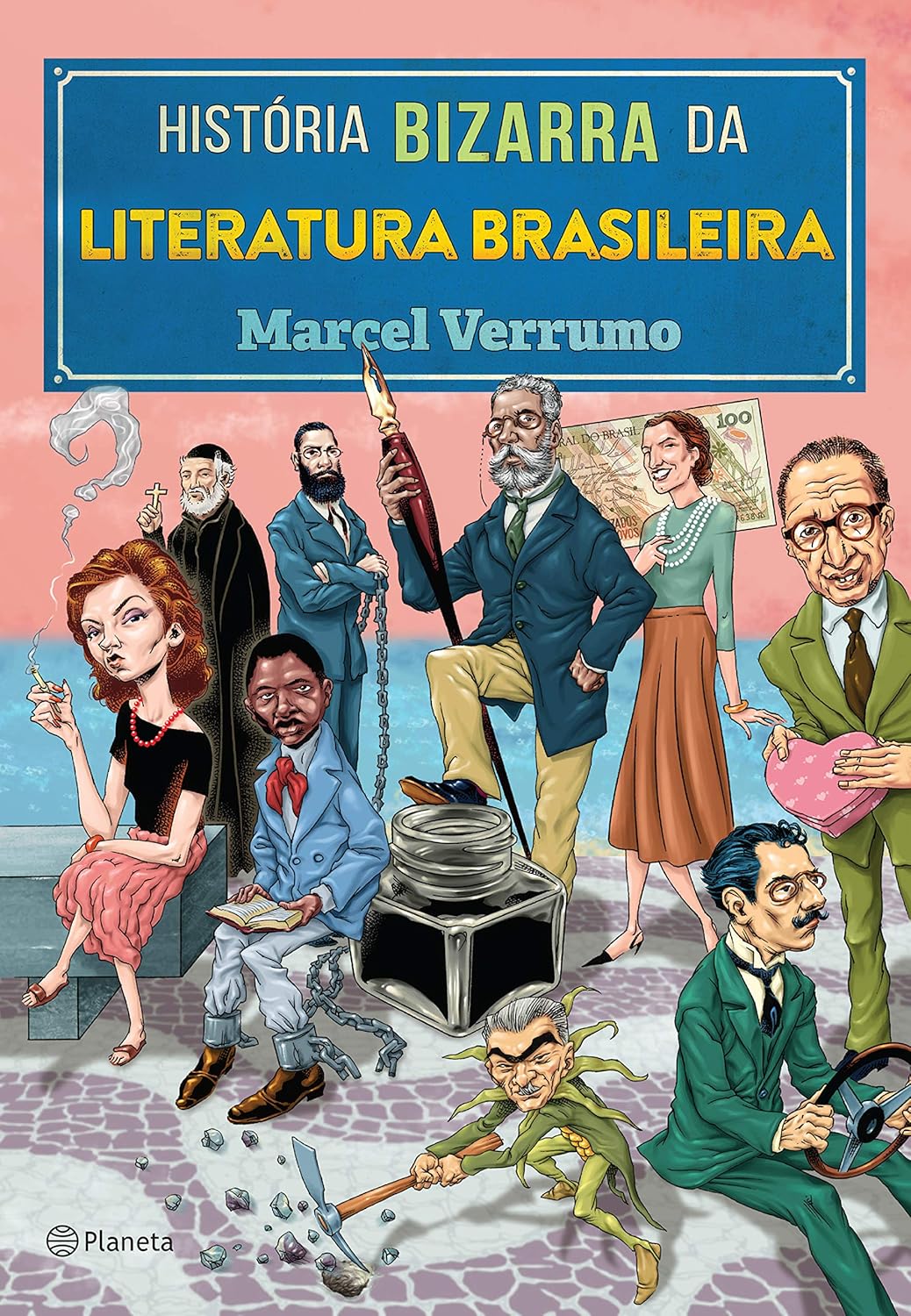
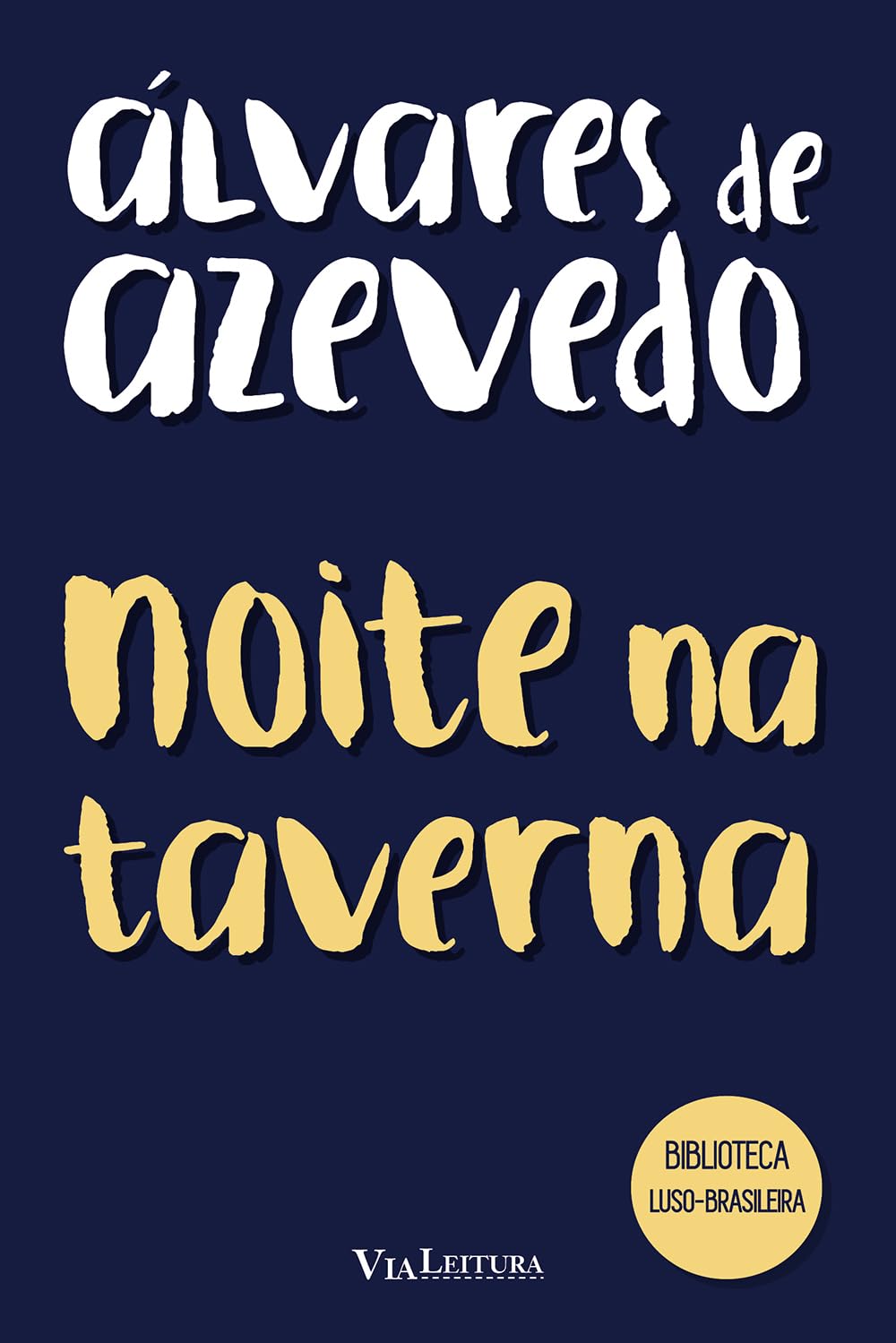
These stories belong to a tradition that understood horror not as light entertainment, but as a tool for confrontation. They do not comfort, they do not relieve, they do not offer a safe distance. They bring us too close.
The aforementioned short stories are in the public domain and can be read for free. But for those who prefer revised, updated, or annotated editions, there are great publications ─ digital or print ─ bringing together these and other stories. Here are some suggestions, including our own revised edition with footnotes (click on descriptions to purchase):