Estronho e esquésito

cinema, literature and oddities


Words of Another Era

Some stories do not belong solely to the past. They traverse time carrying ideas, fears, customs, and worldviews that continue to echo —often in an unsettling way.

Vintage Words is a space dedicated to the reading and rereading of classical literature, without haste and without unnecessary varnish. Here, different traditions live side by side, allowing old texts to be observed through today's lens, without losing their original density.

The series Classics of Horror and Unease gathers fundamental works of horror —psychological, fantastic, or disturbing— while Shadows of Folklore is dedicated to the legends and folk narratives that moved from oral tradition to literature and helped shape the collective imagination.

<p>The unsettling Machado de Assis</p>

Classics of Horror and Unease

The unsettling Machado de Assis

This first incursion into classic Brazilian short stories of horror and unease brings together texts where the unsettling does not rely on overt supernatural elements, but on what is intimate, morally unstable, and essentially human. Do not expect obvious monsters or cheap scares here. What is offered are mirrors — and not all of them return a pleasant image.
By Guardião do Estronho January 08, 2026
Read more...
Introduction: The Fantastic, the Strange, and the Uncanny

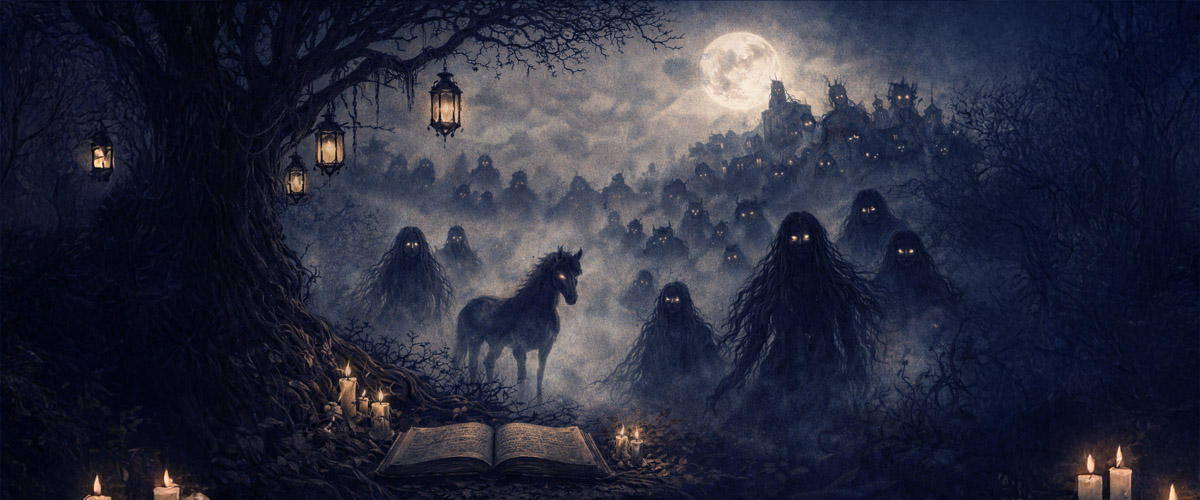
Shadows of Folklore
Introduction: The Fantastic, the Strange, and the Uncanny

This article opens the gates to the Shadows of Folklore series. Its task is to traverse a specific and seldom-visited territory: that where Brazilian authors took narratives of popular origin —legends, folk tales, regional traditions— and transformed them into literary tales of a fantastic, unsettling, or dark nature. It is not about folklore as a record or ethnographic curiosity, but about folklore already crossed by writing, molded by literary form and subjected to aesthetic intent.
By Guardião do Estronho January 12, 2026
Read more...
The grotesque in Machado de Assis and João do Rio

Classics of Horror and Unease
The grotesque in Machado de Assis and João do Rio

Classic Brazilian horror rarely resorts to pure spectacle. Even so, when it decides to touch upon the macabre, it does so with precision and lasting unease. The short stories gathered in this second incursion do not merely seek to unsettle: they disturb and deform. There are no cheap scares here. There is obsession, the grotesque, death, and a persistent feeling that something has been crossed — and shouldn't have been.

By Guardião do Estronho January 17, 2026
Read more...
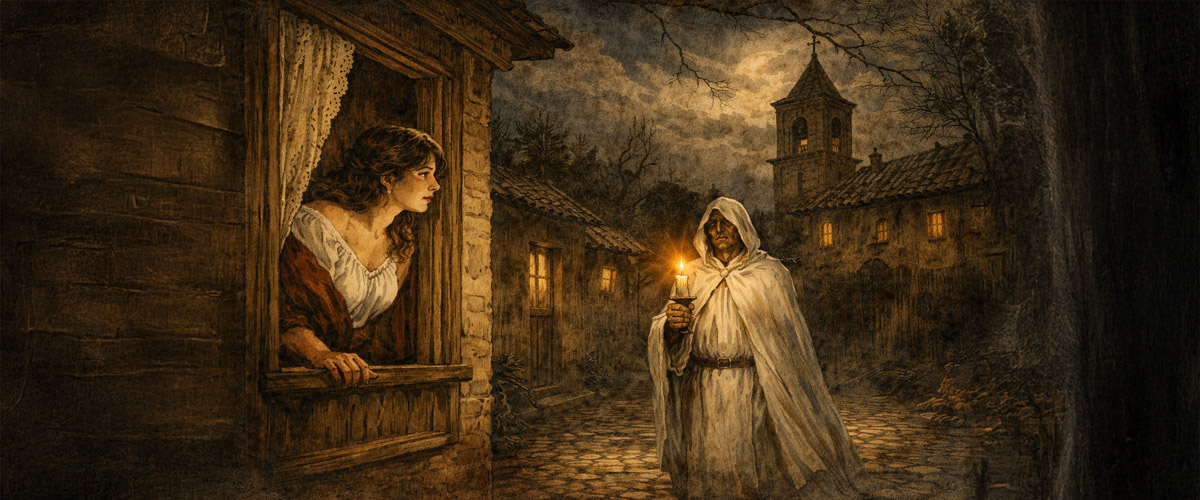
<p>The Wanton Woman</p>

Shadows of Folklore

The Wanton Woman

As with The Crooked Moor ─which we saw in the previous article of this series─, this is a story that crossed borders, was reshaped in contact with local daily life, and ended up recorded as a folk tale. Here, the setting is Brazilian, the characters are recognizable, but the skeleton of the narrative belongs to a much older repertoire.

By Guardião do Estronho January 26, 2026
Read more...
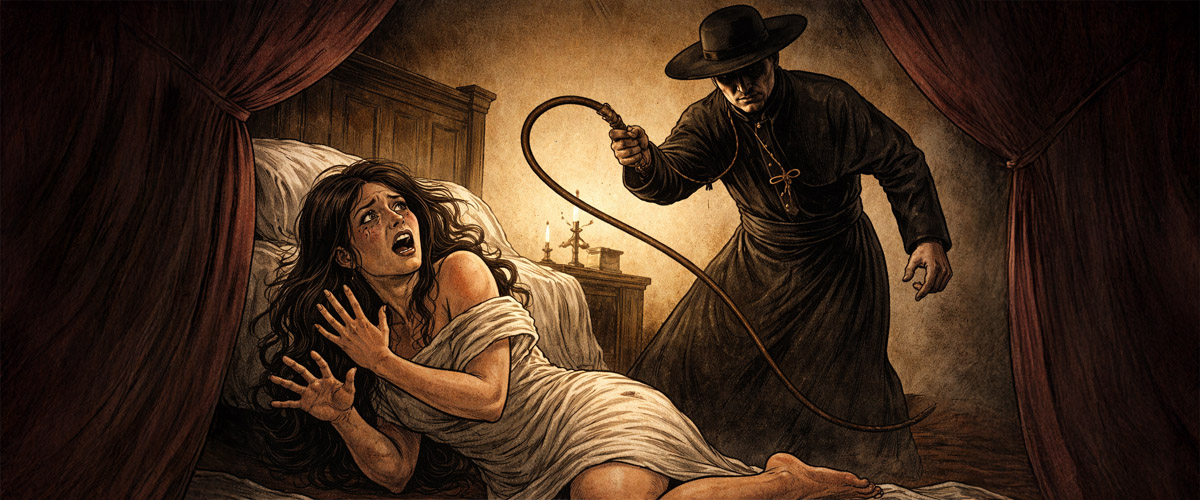
Submission, Excess, and Brutality

Classics of Horror and Unease
Submission, Excess, and Brutality

The short stories collected in this part explore the grotesque in its different faces: submission to the unacceptable, the excess that degrades, and the everyday brutality that becomes normalized. These are not quick scares or cheap effects. The unease arises from insistence, repetition, and the feeling that something has been deformed —inside and out.

By Guardião do Estronho January 30, 2026
Read more...
<p>The Dark Side of Bernardo Guimarães</p>

Classics of Horror and Unease

The Dark Side of Bernardo Guimarães

After moving through the moral horror of Machado, the urban decadentism of João do Rio, and the grotesque obsessions of the late 19th century, we come to Bernardo Guimarães — an author whom many insist on reducing to romantic regionalism, but who possesses much darker veins than what usually appears in textbooks.

By Guardião do Estronho February 06, 2026
Read more...
The Young Woman and the Candle

Shadows of Folklore
The Young Woman and the Candle

The tale The Young Woman and the Candle belongs to a recurrent category of Luso-Brazilian folklore: cautionary narratives primarily directed at youth, especially young women, in which disobedience to familial advice results in direct contact with the supernatural. In these stories, certain domestic spaces take on a symbolic function.

By Guardião do Estronho February 09, 2026
Read more...