If in previous forays fear crept in through suggestion and moral deviance, here it lunges forward without asking permission. Horror is no longer just atmosphere; it begins to touch the body, physical integrity, and consciousness. There is no longer a comfortable distance between the reader and the narrative.
The short stories collected in this part explore the grotesque in its different faces: submission to the unacceptable, the excess that degrades, and the everyday brutality that becomes normalized. These are not quick scares or cheap effects. The unease arises from insistence, repetition, and the feeling that something has been deformed —inside and out.
These are texts that do not seek to please. They observe. They insist. And they leave marks.
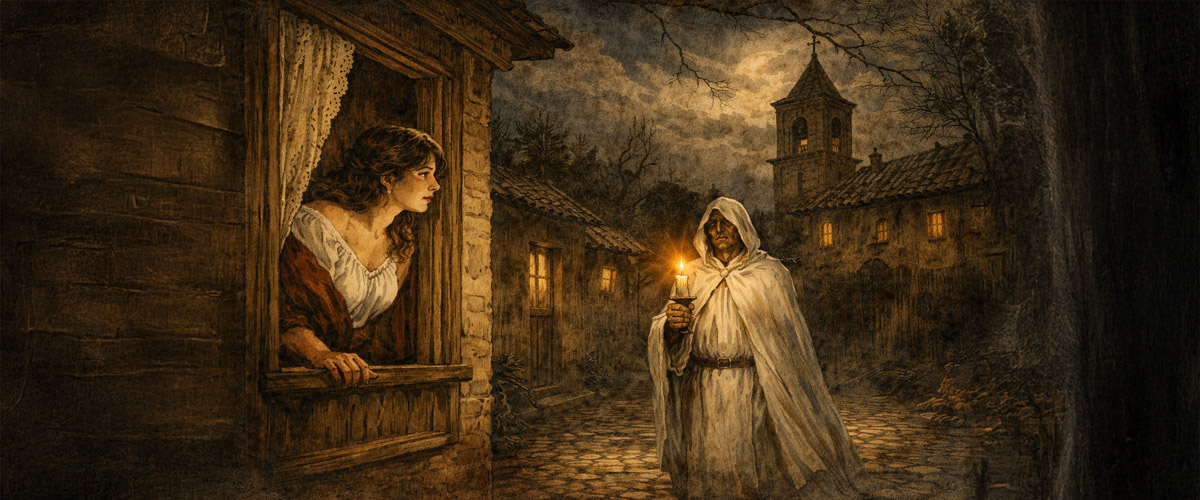
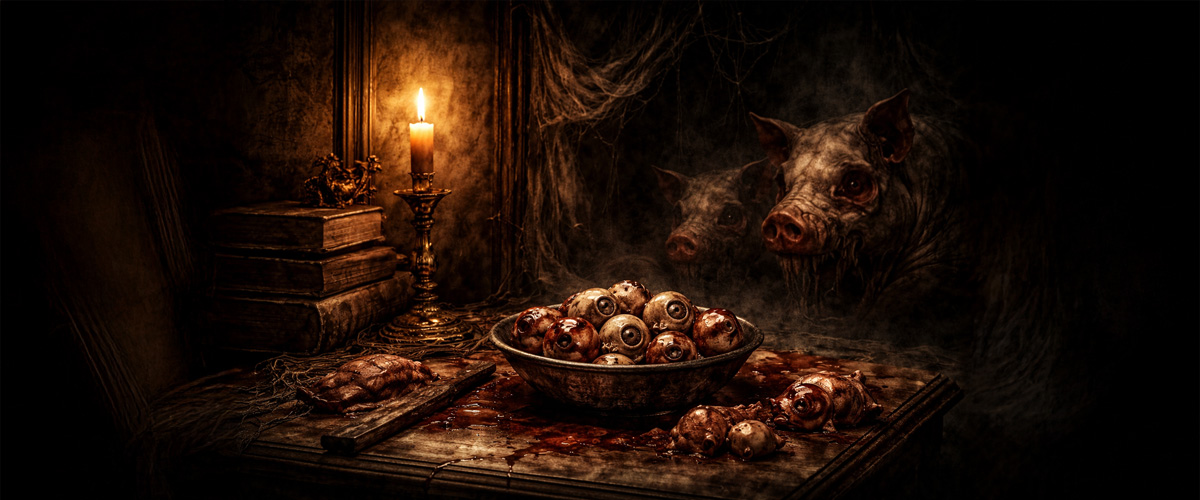
Os Olhos que Comiam Carne (The Eyes That Ate Flesh) — Humberto de Campos
In this haunting tale, horror is not born of a psychological deviance, but of extreme necessity. The protagonist is a blind man, driven by the desperate hope of regaining his sight, willing to undergo a treatment as strange as it is disturbing.
The grotesque element emerges not as a fetish or obsession, but as a procedure: eyes that "eat flesh" become part of a healing attempt that crosses the boundaries of the acceptable. The narrative builds unease from the contrast between the goal —to see again— and the means employed, which are deeply unnatural.
There is no pleasure, fascination, or compulsion. There is expectation, suffering, and submission. The body appears as a territory for intervention, rather than an object of desire. The horror settles precisely in the normalization of the absurd, treated almost as a plausible medical experiment.
In the end, the story does not cause immediate shock, but leaves a bitter sensation: that, faced with the promise of salvation, human beings can accept silent pacts with the monstrous.
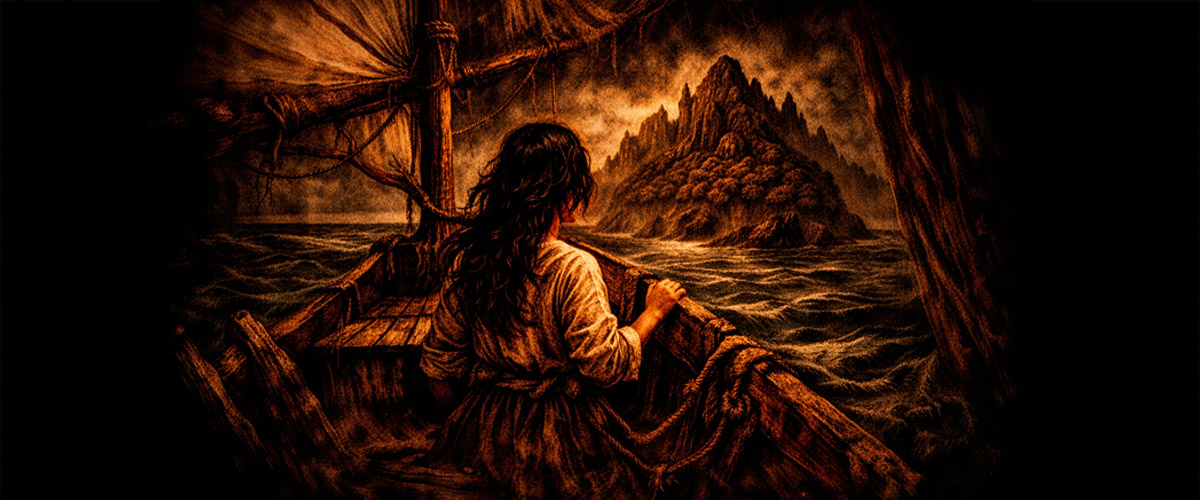
Demônios (Demons) — Aluísio Azevedo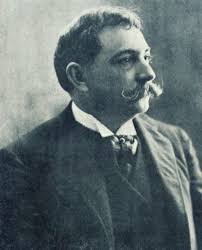
In Demônios, Aluísio Azevedo abandons all restraint. The text advances like a feverish delirium, where obsession, desire, and degradation mix without clear boundaries. Horror here does not hide: it pulses, insists, and contaminates everything around it.
The narrative explores excess —emotional, moral, and psychological— as a destructive force. There are no comfortable characters, nor stable situations. Everything seems to lead toward deformation, as if collapse were inevitable from the very first line.
More than a horror story, Demônios is a plunge into human loss of control. An intense, disconcerting text that demands breath and makes it clear why certain limits, once crossed, allow no return.
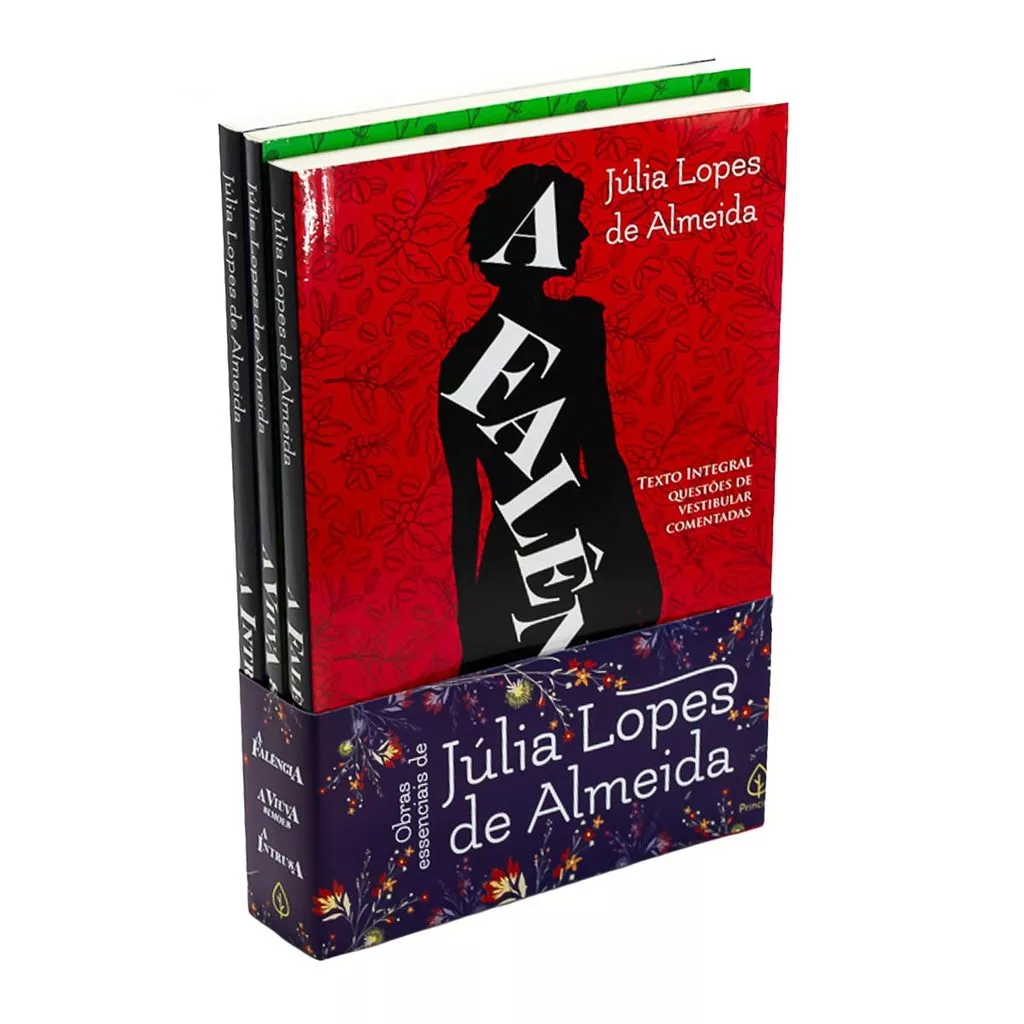
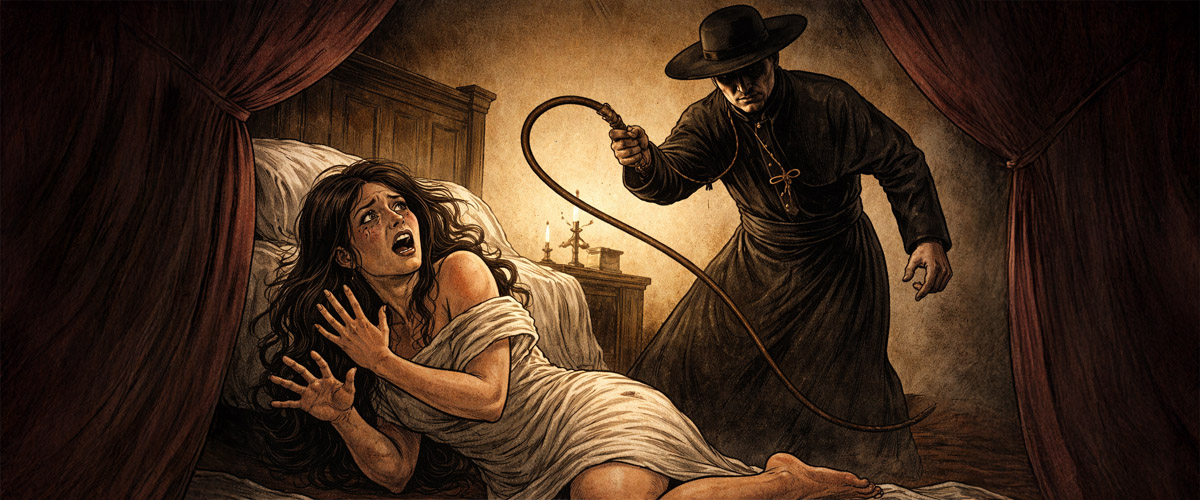
Os Porcos (The Pigs) — Júlia Lopes de Almeida
Here, horror does not come from the extraordinary, but from the everyday. Os Porcos builds its strength from normalized brutality, silent violence, and the relentless logic of survival. There is no supernatural, no gimmicks —only the rawness of the facts.
Júlia Lopes de Almeida writes with almost cruel precision, avoiding any sentimentalism. The result is a deeply unsettling story, where the grotesque emerges from indifference, moral misery, and the absence of empathy.
The impact of the text lies precisely in its coldness. In the end, the reader finds no catharsis or explicit lesson —only the sensation of having witnessed something they would have preferred not to see. And that is exactly where its power resides.
These stories belong to a lineage that understood horror not as a spectacle, but as exposure. They do not ask for empathy, they do not offer comfort, and they do not worry about softening the blow. They limit themselves to showing —and in doing so, they reveal how much certain forms of obsession, excess, and brutality have always been lurking. As a long-time reader of these pages, I have learned that there are stories that stay with us not through memory, but through unease. It is these that deserve to be preserved.
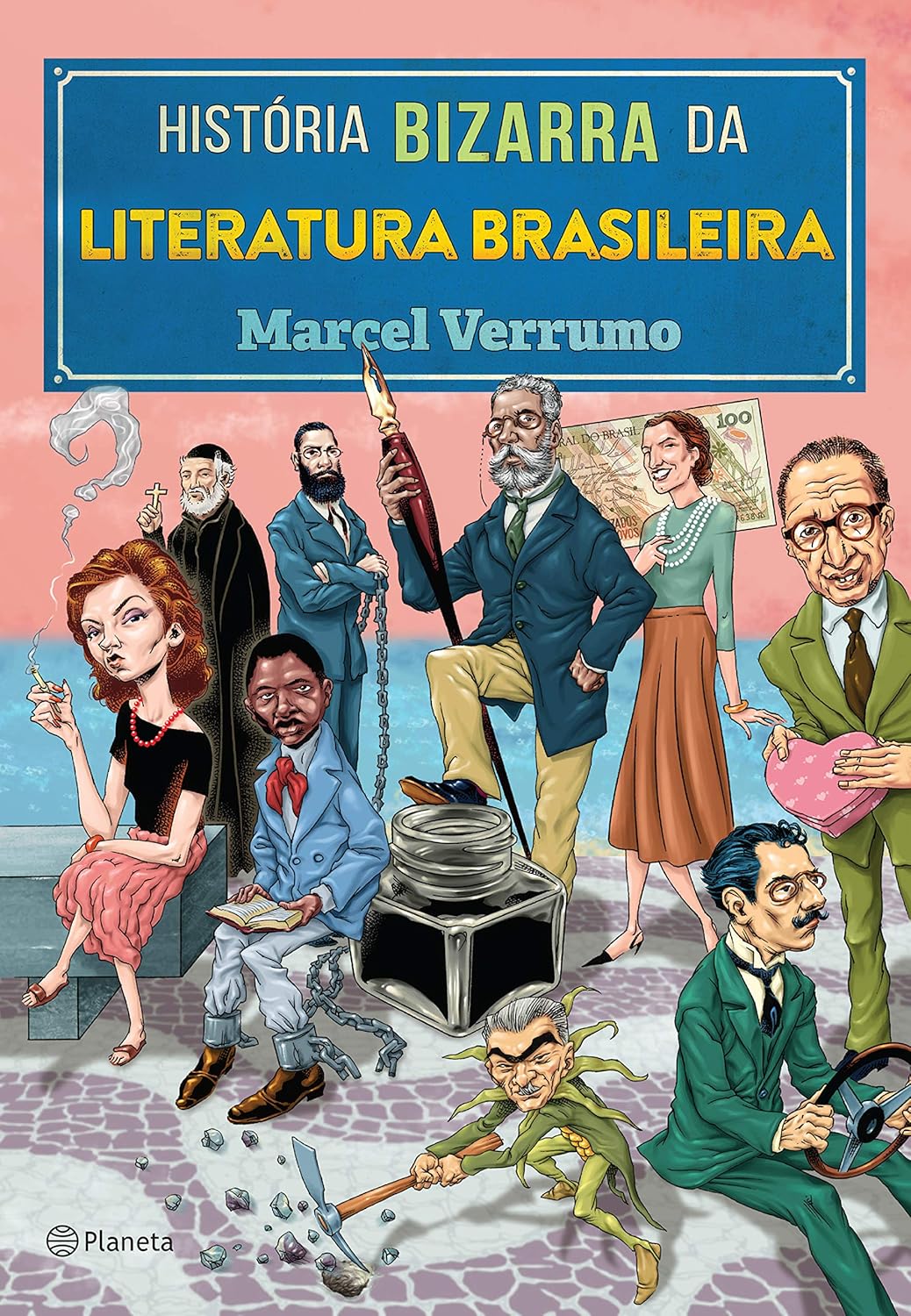
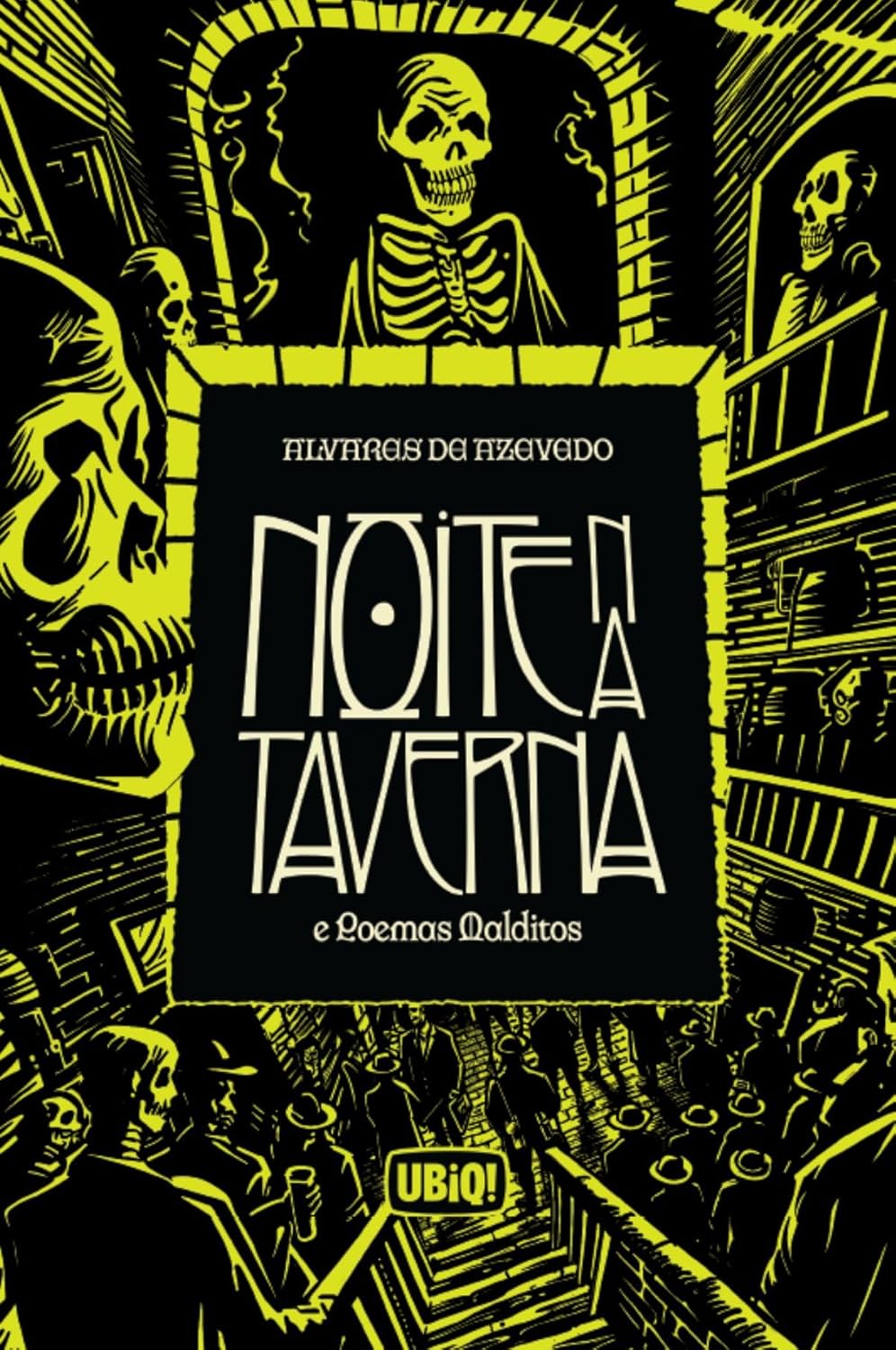
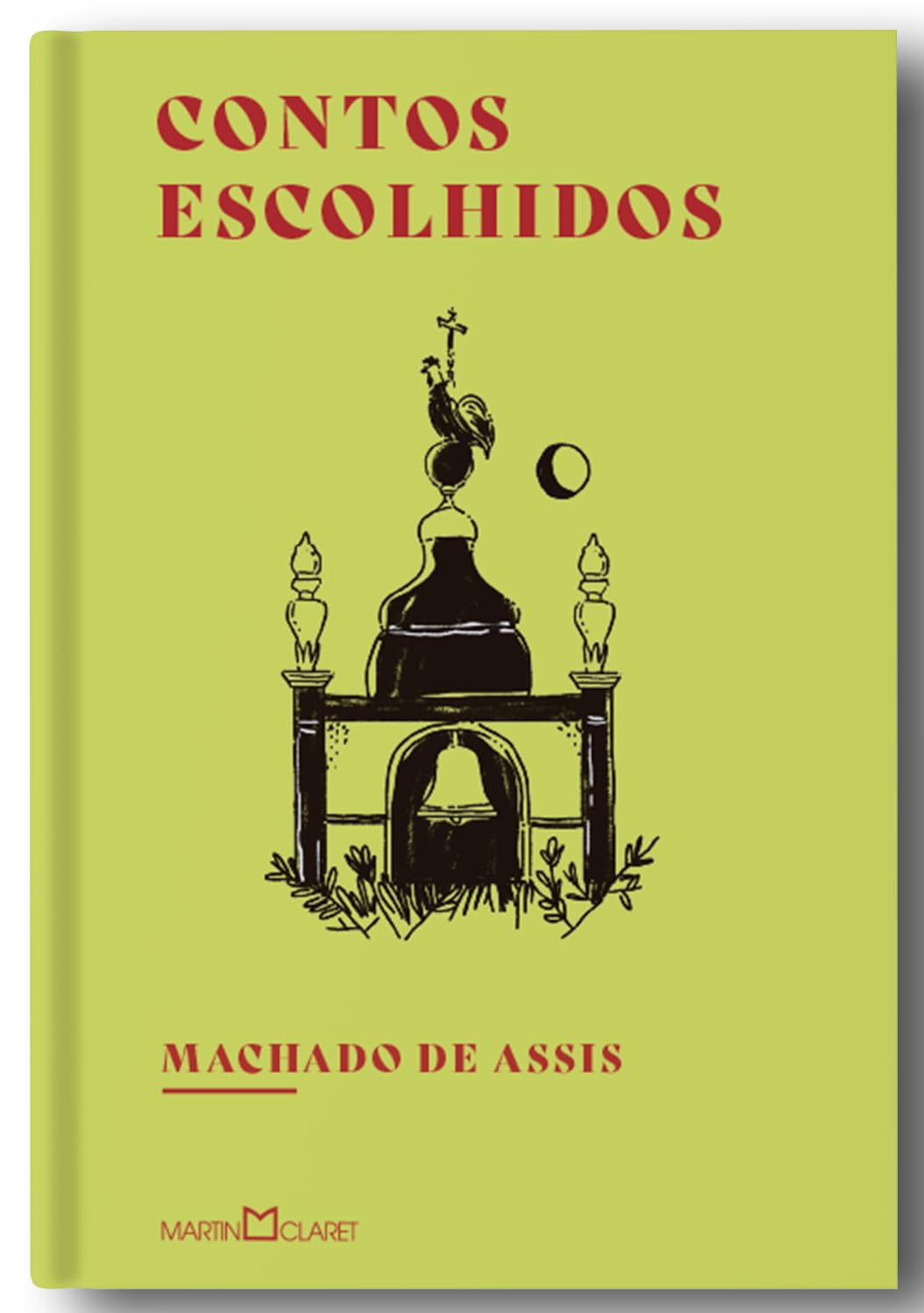
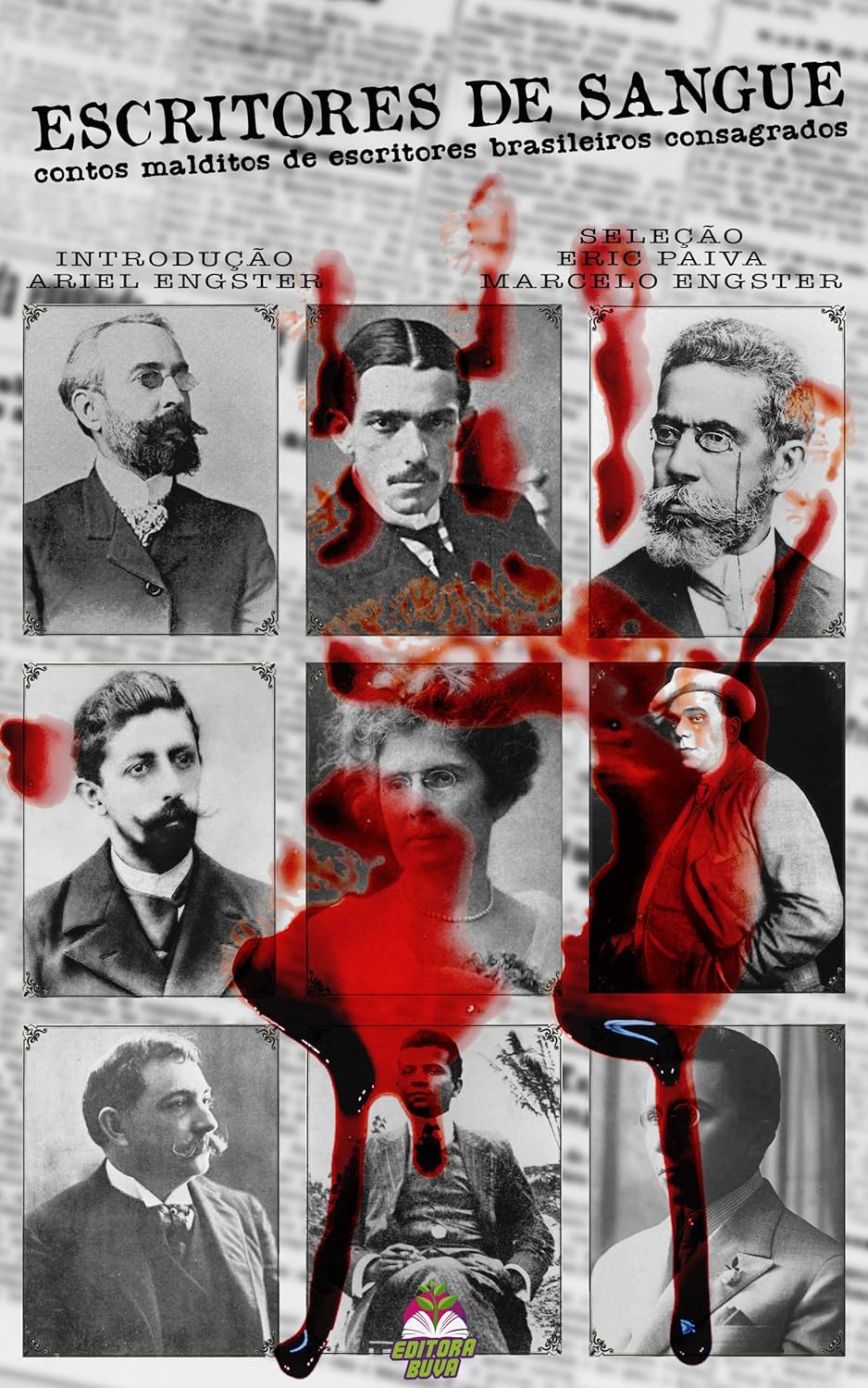
The stories mentioned are in the public domain and can be read for free. But for those who prefer revised, updated, or annotated editions, there are great publications —digital or print— collecting these and other stories. Here are some suggestions, including **our own revised edition with footnotes** (click on the descriptions to purchase):




![Tênebra: narrativas brasileiras de horror [1839-1899]](/media/advertisements/advertisement_banner_110.jpg)