



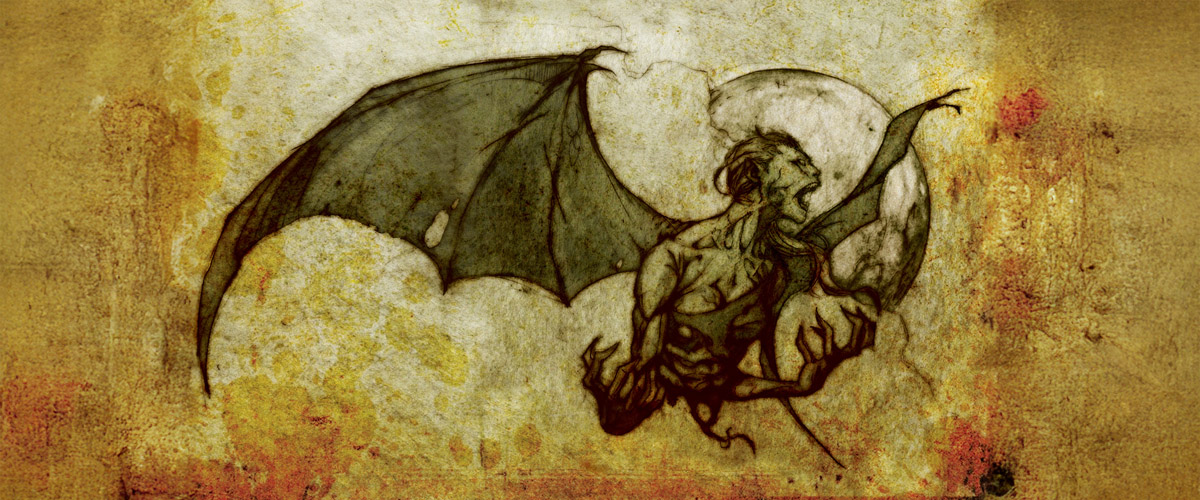
The Manananggal is one of the most disturbing creatures in Philippine folklore. A recurring figure in rural narratives, it is especially feared in the Visayas regions, with a strong presence in the provinces of Capiz and Iloilo. Unlike the classic European vampire, the Manananggal does not hide in coffins: it splits in half to hunt during the night.
Its name derives from the Tagalog verb tanggal, which means “to separate” or “to remove,” a direct reference to its most grotesque characteristic.
Origins and cultural context
The roots of the Manananggal are pre-colonial, linked to indigenous Philippine animism, where nocturnal spirits and devouring entities were already part of the local imagination. With the arrival of the Spanish in the 16th century, these beliefs were reinterpreted through a Christian lens.
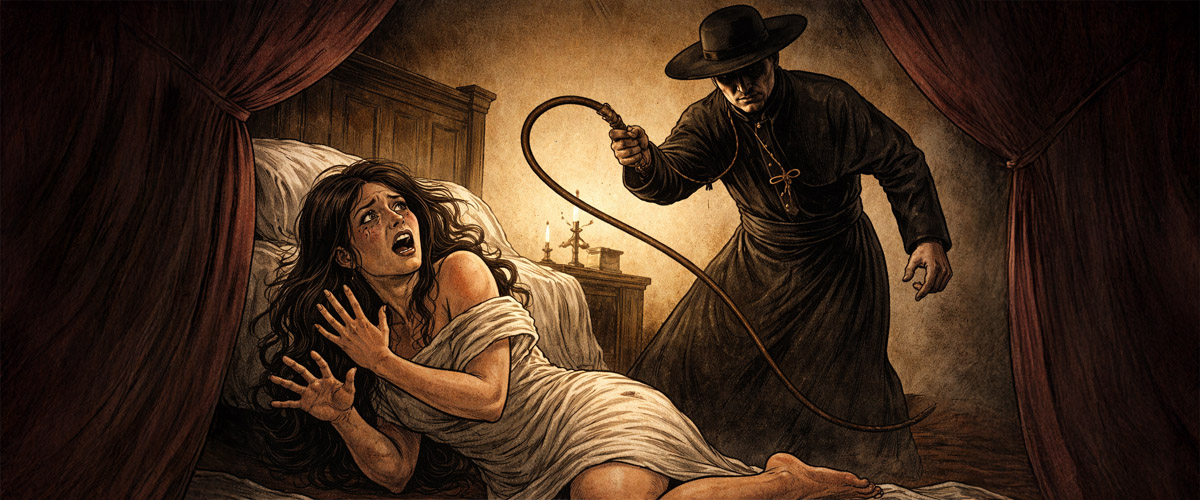
Colonial chronicles and missionary accounts from the 17th and 18th centuries describe nocturnal attacks attributed to “witches,” “demons,” or “possessed women,” associating the creature with sin, heresy, and deviant sexuality. Thus, the Manananggal came to occupy the same symbolic space as European witches: a female, nocturnal, and invisible threat to the religious order.
Appearance and transformation
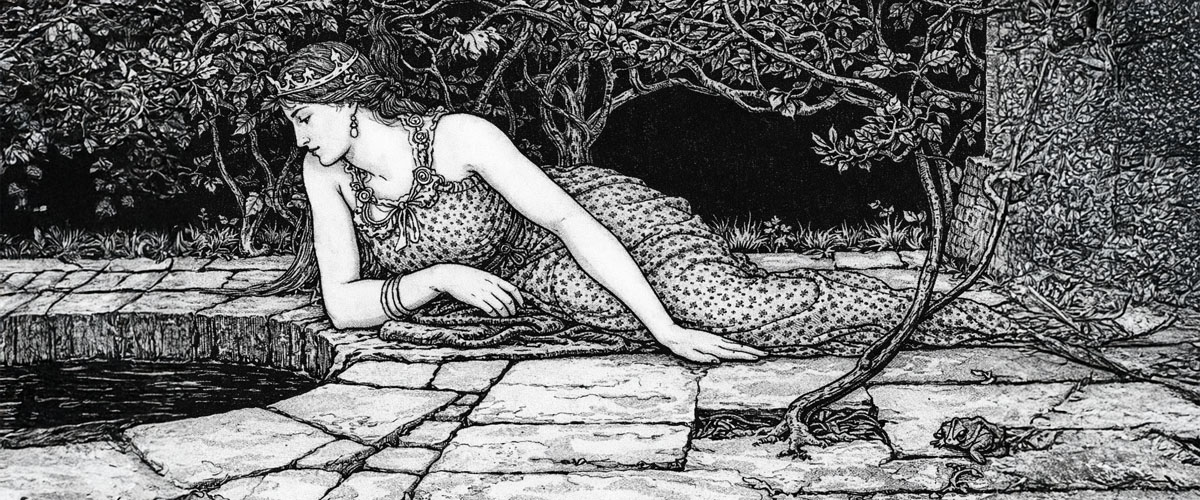
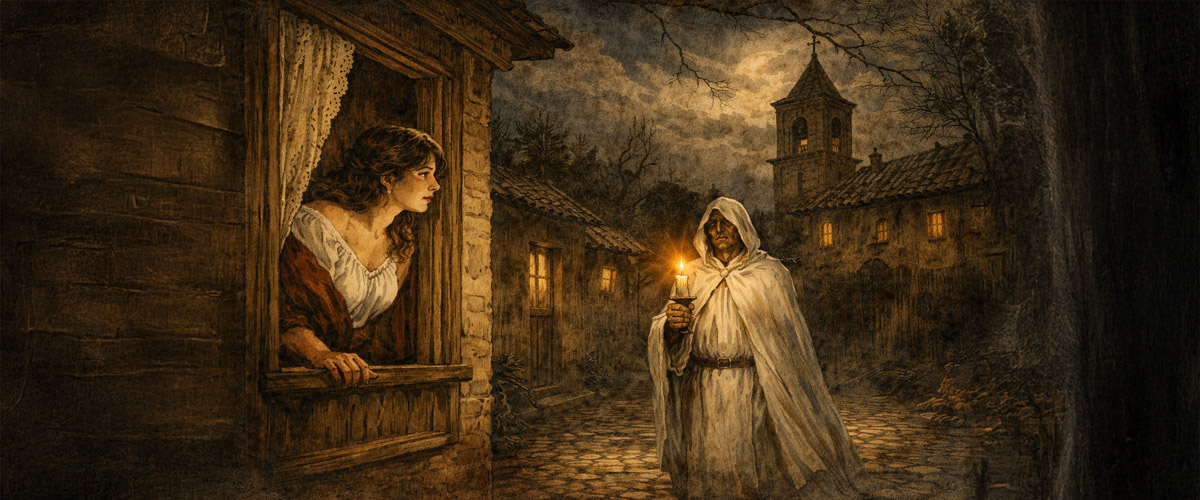
During the day, the Manananggal is described as an apparently ordinary woman, often beautiful and discreet. At dusk, in isolated locations, the transformation occurs:
- the body separates at the waist;
- the upper torso develops bat-like wings;
- viscera and intestines hang dangling;
- the lower half remains hidden, motionless.
While in flight, the creature emits a characteristic sound, described as “tik-tik.” Interestingly, in local folklore, the fainter the sound, the closer the creature is—a detail that heightens the dread of its silent approach.
Attacks and predatory behavior
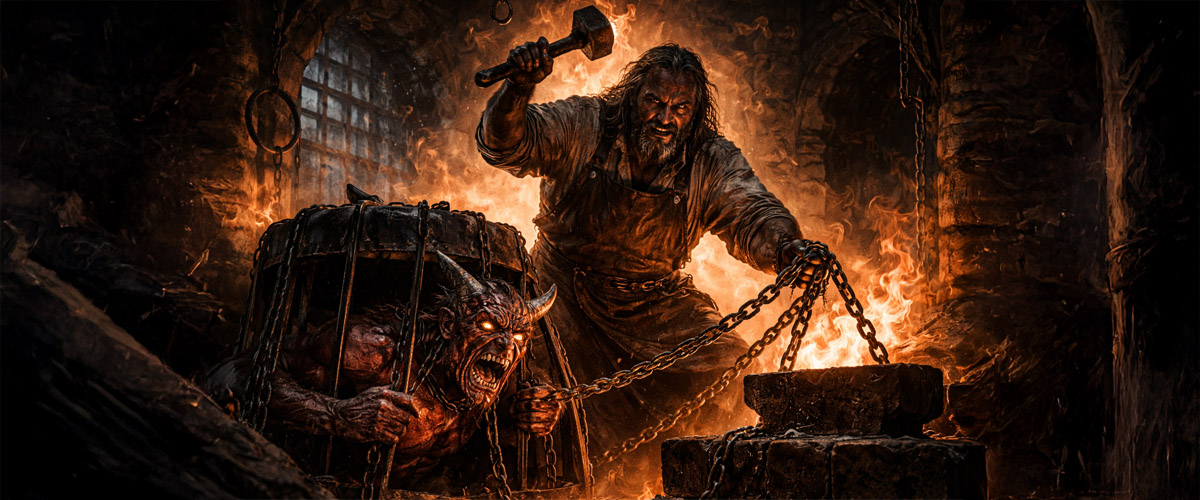
The Manananggal is a specialized predator. Its preferred targets are: pregnant women, newborns, and sick or sleeping people.
It uses a long, thin, and tubular tongue, similar to a 1, to pierce the victim's navel or throat. According to folklore, it sucks blood, viscera, or even fetuses, being blamed in popular narratives for unexplained miscarriages and infant deaths in isolated villages.
These accounts reflect real fears linked to maternal mortality, nocturnal illnesses, and gestational losses, common in rural communities without access to medicine.
Protections and ways of defense
Philippine folklore describes various ways to protect oneself from the Manananggal, almost always focused on preventing it from reconnecting the two halves of its body before dawn:
- sprinkling salt, garlic, ashes, vinegar, or bamboo thorns over the lower half;
- keeping lights on during the night;
- Catholic prayers combined with traditional amulets.
If the torso fails to reconnect before sunrise, the creature dies.
Accounts, legends, and historical limits
Although popular stories speak of “hunts” or actual deaths of Manananggals—especially in regions like Siquijor—there are no reliable historical or police records confirming these events. These episodes belong to the realm of oral tradition and modern folklore, not factual documentation.
Still, the persistence of these narratives shows how much the figure remains alive in the Philippine collective imagination.
Symbolic meaning
The Manananggal concentrates multiple social fears: the vulnerability of pregnancy, the invisible threat of the night, the fear of the transgressing female, the fusion of indigenous belief and Christian morality.
It is not just a monster: it is a figure of social control, used to explain tragedies and impose surveillance over bodies and behaviors.
Research sources: PuertoParrot.com, MythicalCreatures.info, ParanormalPOV.com, Philippine Tales