There are legends where the Devil is the great villain. And there are others, far more uncomfortable, where he is merely… the second worst in the story. The Basque legend of Errementari, the Blacksmith, belongs to this second category. It does not speak of redemption. It does not speak of just punishment. It speaks of the danger of no longer fitting in anywhere.
The man of fire
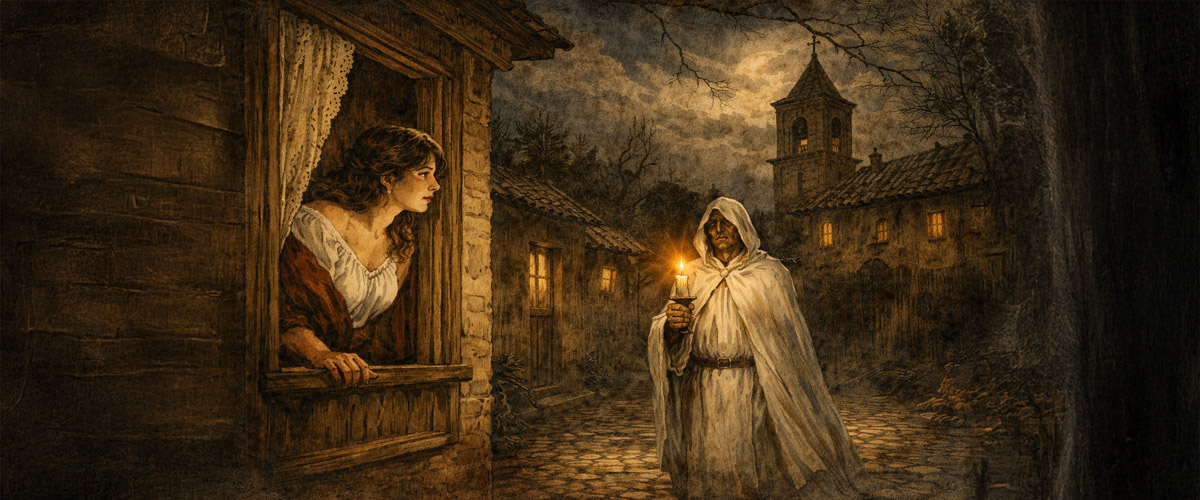
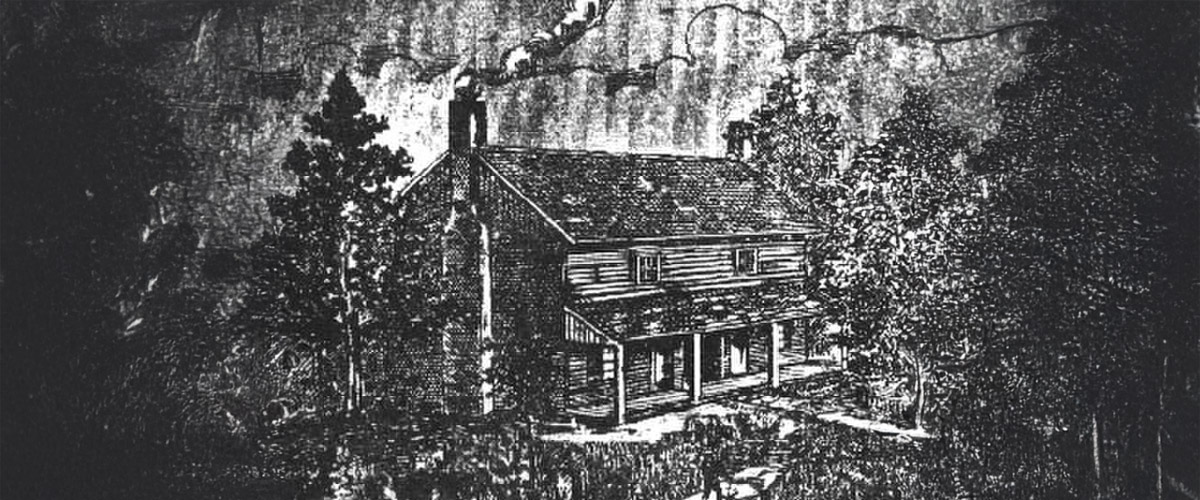
Errementari lives far from the village, as befits the blacksmiths of ancient tales. He works where few dare to go: among fire, glowing iron, and the hammer. Since long before Christianity, the blacksmith has been seen as someone who masters forces that do not entirely belong to the human world.
For that very reason, they were always suspected.
It was said that Errementari was crude, violent, and averse to the church. Some claimed he had made a deal with the Devil. Others said something worse: that the Devil had been tricked.
The pact that went wrong — for Hell
Versions of the legend vary, but the core is always the same. The Devil goes to collect his due. And he does not return.
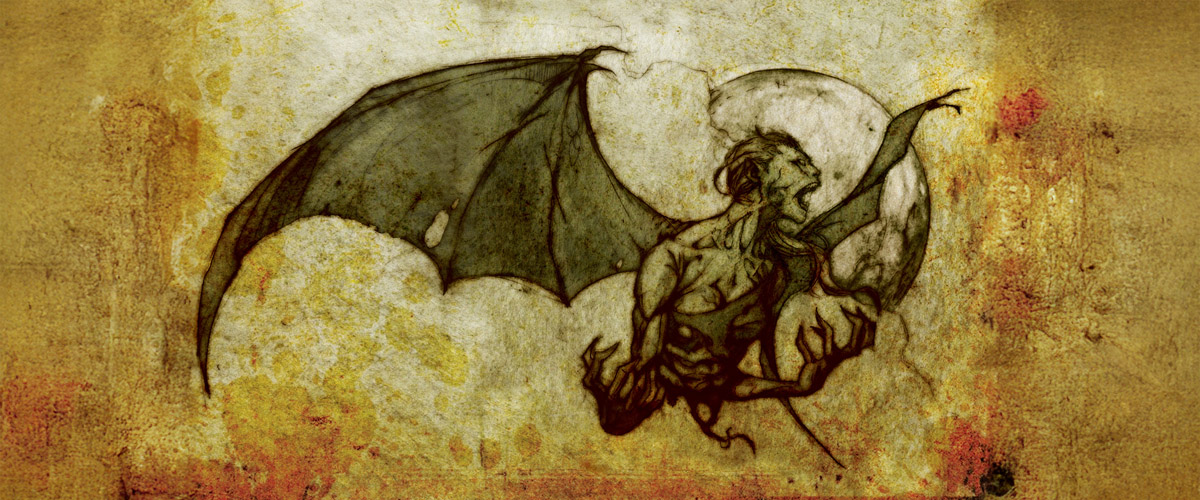
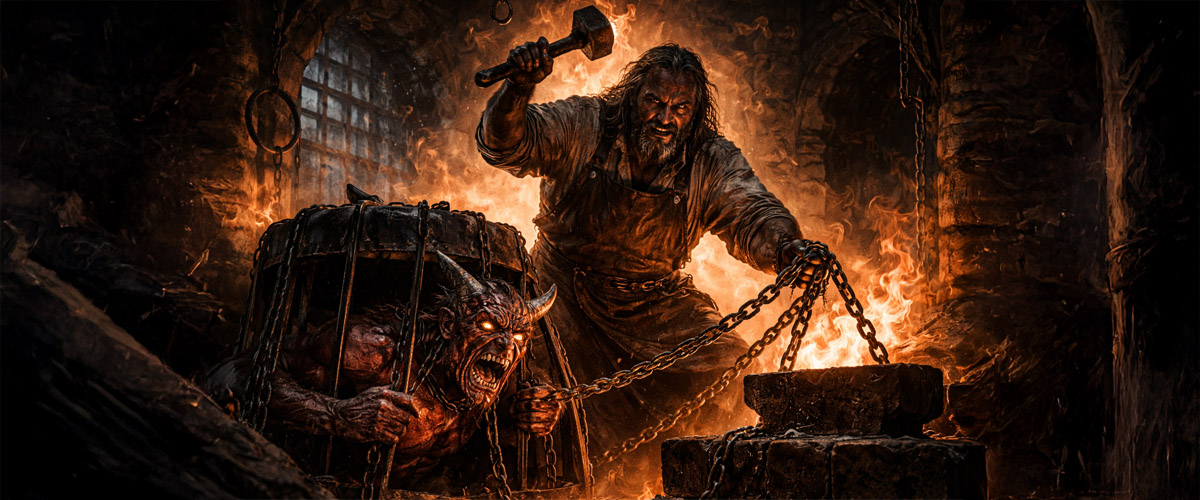
Errementari tricks him, captures him, humbles him. In some versions, he traps him in a sack. In others, he chains him to the anvil. The hammer that forges horseshoes now crushes hell's emissary.
The result is grotesque and ironic: hell loses its employees, and the blacksmith keeps living — not as a hero, but as someone who has crossed the line.
Neither Heaven, nor Hell
When Errementari dies, the story abandons any simple moral illusion. Heaven rejects him without hesitation. He was too sinful, too violent, too arrogant. But Hell… also rejects him.
The demons recognize him. They remember the chains. The hammer. The humiliation.
And they close the doors.
This is the true sting of the legend: Errementari is not condemned to hell. He is expelled from it.
But in some older versions, the blacksmith's final fate is ambiguous or undefined, without full acceptance in either heaven or hell.
The child and the failure of evil
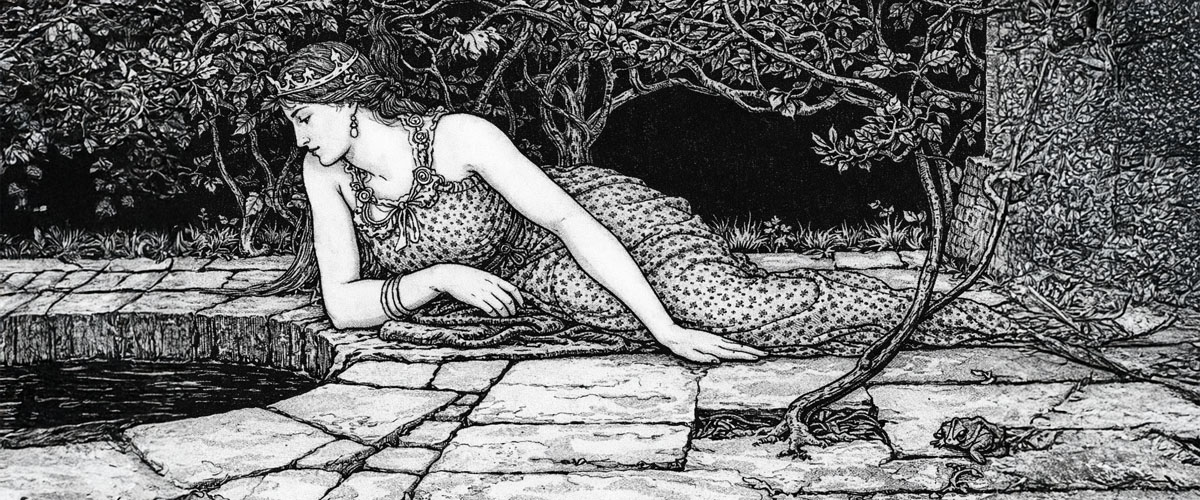
In later versions — already shaped by Christian tradition — a child appears. Innocent, curious, lost. The blacksmith takes her to hell, perhaps out of cruelty, perhaps out of disdain.
But the child returns. And when she comes back, she tells something revealing: in hell, the demons are afraid. Not of the child. Of the man.
Innocence escapes. The blacksmith does not.
What this legend really says
Errementari is not a story about defeating the Devil. It is a story about becoming worse than him.
The blacksmith does not respect God. But he also does not accept the limits imposed by hell. He breaks the basic cosmic pact: that evil also has rules. And so, in the end, all that remains for him is limbo — not as divine punishment, but as a logical consequence.
The true horror of the legend is not hell in flames. It is finding out that even hell doesn't want you.
A modern echo
This story gained new life in cinema with Errementari: The Blacksmith and the Devil (2017, Paul Urkijo Alijo ).
).
The film is set in the Basque Country in the mid-19th century. It begins during the First Carlist War, when a soldier named Patxi escapes execution thanks to the help of a demon named Sartael. Eight years later, Patxi lives in isolation as a blacksmith in the forest, feared by villagers who consider him mad and linked to the Devil.
The story shifts when the orphan Usue, a curious girl, enters his property and accidentally frees the demon that Patxi kept imprisoned. This triggers a series of events: the suspicious villagers, a government official arriving to investigate local mysteries, and a conflict between the blacksmith's secrets, the girl, and the demon.
The plot tackles themes of guilt, fear, superstition, and redemption, blending fantasy and horror in a folk tale set in 1843.
There are things that should not be faced as equals.
Nor dominated.
Nor humiliated.
Because, sometimes, the price is not damnation.
It is having nowhere to go after.