




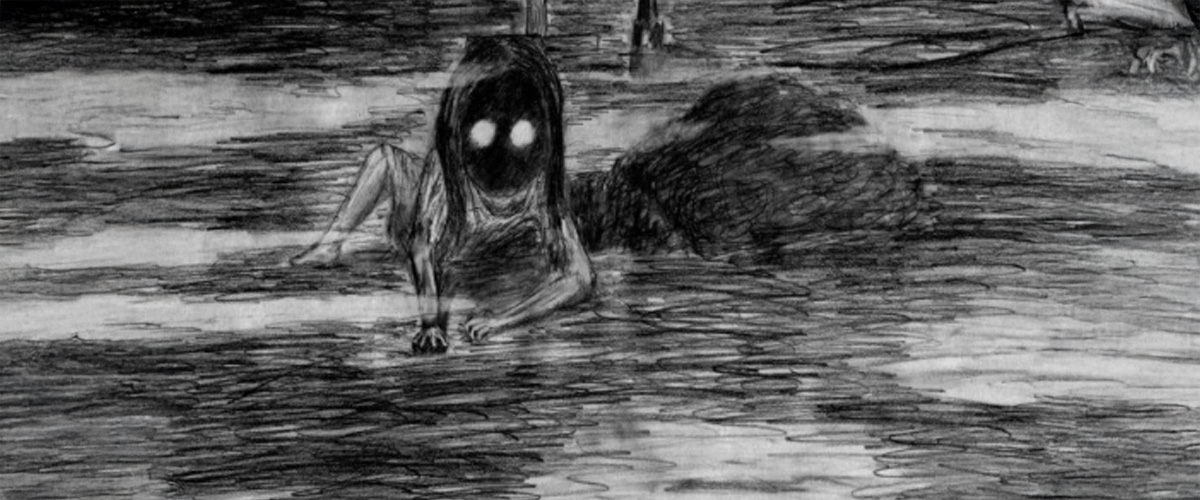
Mylingar are entities from Scandinavian folklore associated with the vengeful spirits of children who were victims of infanticide. The belief is especially strong in Sweden but appears with regional variations in Norway (where they are called Utburd) and parts of Finland and Denmark, spanning both the late pagan period and the initial Christianization of the region.
It is one of the most cruel and socially revealing myths of Northern Europe, born directly from the clash between rural misery, Christian morality, and severe laws.
Origin and Historical Context
Mylingar are said to be the souls of unbaptized babies killed shortly after birth—almost always by single mothers who were extremely poor or socially marginalized. The crime, besides being morally condemned, was rigorously punished by Scandinavian laws between the 17th and 19th centuries. In Norway, for example, the Code of 1687 provided severe penalties for women who concealed pregnancy or childbirth.
To avoid punishment and public scorn, the bodies were buried clandestinely:
- under the floorboards of cabins;
- under door thresholds;
- in bogs (myr, hence the Swedish term Myrding);
- or in remote forests.
The absence of baptism condemned the child to a liminal state: neither alive, nor saved, nor dead in peace.
Appearance and Manifestations
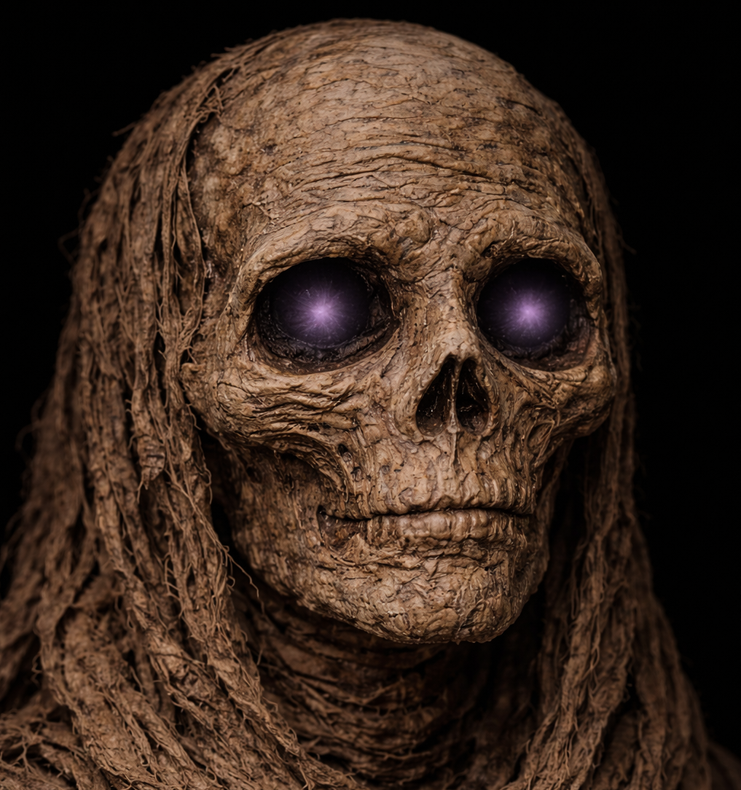
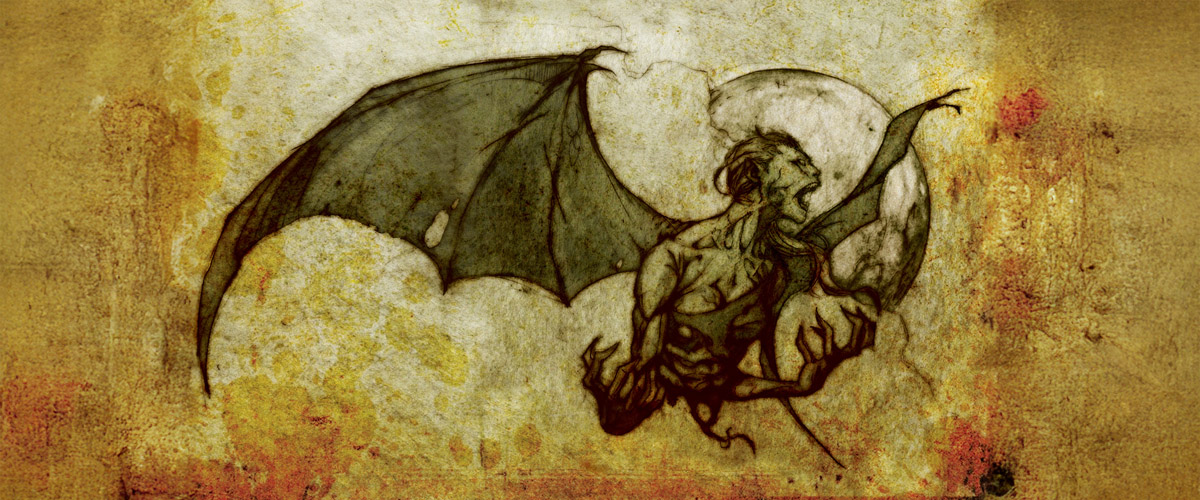
Accounts describe the Mylingar as: pale, bloated, or bluish children, weeping, often deformed, with large, empty eyes, sometimes carrying marks of abandonment or violent death.
In some versions, they are capable of assuming animal forms, such as: lambs, foals, dogs or nocturnal birds, used to deceive lonely travelers before revealing their true spectral nature.
Crying is almost always the first sign of their presence—a childish, faint, and persistent sound heard at night or in desolate areas.
Behaviors and Hauntings
Mylingar are not merely souls in pain: they are accusers. They often sing or murmur verses that denounce the crime, such as: “My mother killed me; under the threshold lies my body.”
Among their most feared acts are: chasing lonely travelers, especially at night; sucking milk or blood from women's breasts, in a macabre inversion of maternal care; asking for a ride to a cemetery or church.
In this last case, the horror is progressive: upon climbing onto the victim's back, the Myling becomes increasingly heavy—from a few pounds to an impossible weight. If the carrier does not reach consecrated ground, they are crushed or strangled, sinking into the ground under the weight of the child who was never properly buried.
Release and Appeasement
There are few ways to get rid of a Myling: giving it a name, recognizing its existence; locating and exhuming the body, burying it in consecrated ground; or, in Christianized versions, simulating baptism, offering the soul the identity it was denied.
These rituals do not “destroy” the spirit—they merely release it, allowing it to stop wandering among the living.
Cultural Significance
The myth of the Mylingar is less a horror story and more a social mirror. It carries: the collective guilt for sexual and moral repression, the real fear of extreme poverty, and the anguish caused by laws that punished the woman more than the misery surrounding her.
For the Scandinavian Christian imagination, the Mylingar represent souls trapped in limbo, condemned not for their own sin, but for the sin of the living.
At heart, they are not monsters.
They are forgotten children who refuse to disappear in silence.
Research sources: Supernational Wiki, Van Helsing Own Story Wiki, Mythical Encyclopedia