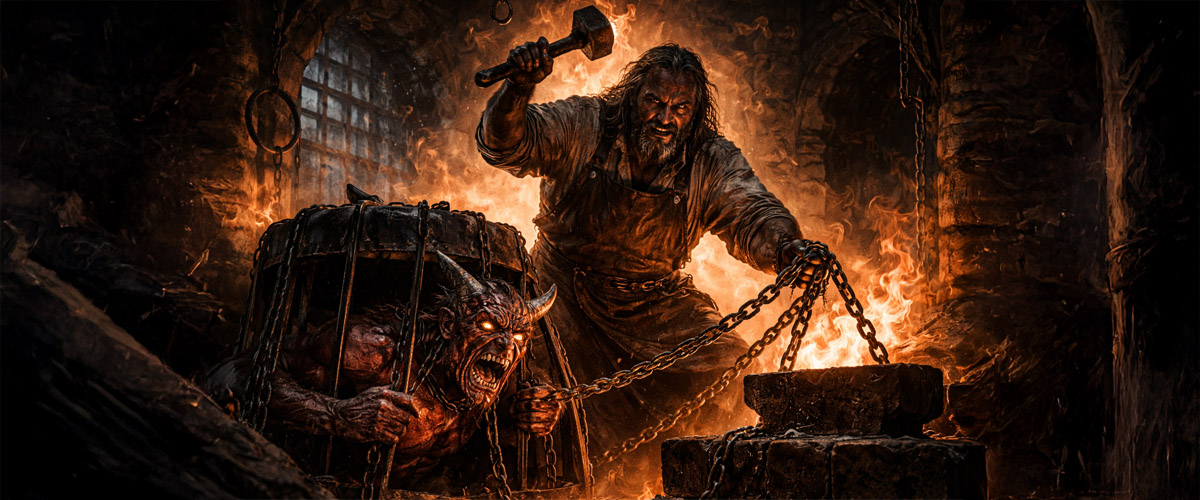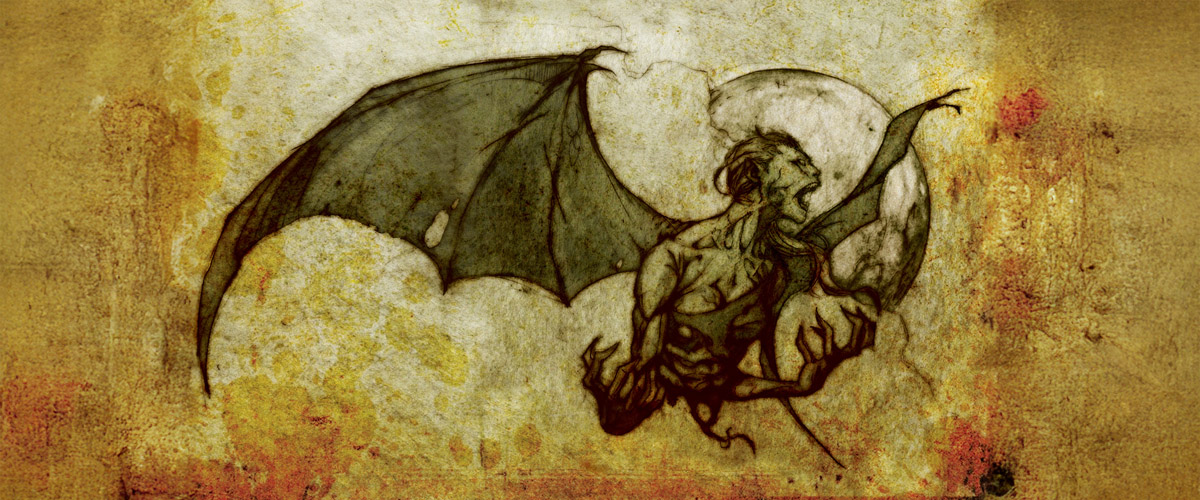



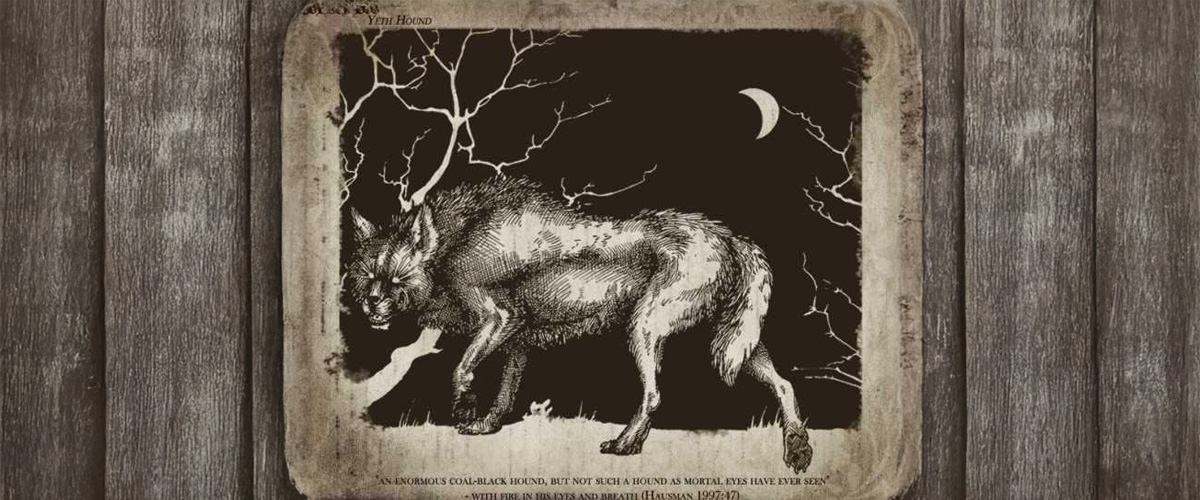
For centuries, English folklore has been haunted by the figure of Black Shuck (from the Old English scucca, meaning "devil"). Unlike fictional beasts, this mythical dog carries a historical weight documented in chronicles dating back to the 12th century. Described as an animal of abnormal proportions — sometimes the size of a horse — it has a mangy black coat, silent footsteps, and glowing red or yellow eyes, as large as saucers.
The Massacre of 1577
The most terrifying account occurred on August 4, 1577, in Bungay. During a violent storm, Reverend Abraham Fleming recorded that a black beast invaded the local church, passing through the congregation with incredible speed. The "hellhound" reportedly broke the necks of two people who were kneeling in prayer, killing them instantly. Legend says the creature traveled 12 miles to Blythburgh Church, where it left claw marks on the oak doors (visible to this day) and claimed two more victims.
The Origin: The Wild Hunt
The earliest written record dates back to 1127, in Peterborough. Shortly after the arrival of a new abbot, monks and residents reported seeing a "wild hunt": black and hideous figures mounted on black horses and black goats, accompanied by packs of black dogs with piteous eyes. These beings patrolled the region throughout Lent.
Historians suggest that the myth may be a way of giving a face to the dangers of nature. The howling winds blowing from the sea during winter were personified as rabid dogs to warn the population about the deadly risk of remaining outdoors. The howl of the wind became the howl of the beast; those who did not protect themselves, succumbed.
Omen or Protection?
The Emissary of Death: In Britain, it is often called the Doom Dog. Many legends claim that beholding the creature is a death decree; it is said that whoever sees it will die within a year or less.
The Dark Guardian: Paradoxically, the Black Dog has a benevolent side, acting as a "supernatural watchdog" for lost women or children. However, its presence is so terrifying that even this act of protection is seen as a haunting experience.
"Modern" Sightings
Even after the industrial era, encounters continue:
- 1905: A man claimed to have seen the dog transform into a donkey before vanishing.
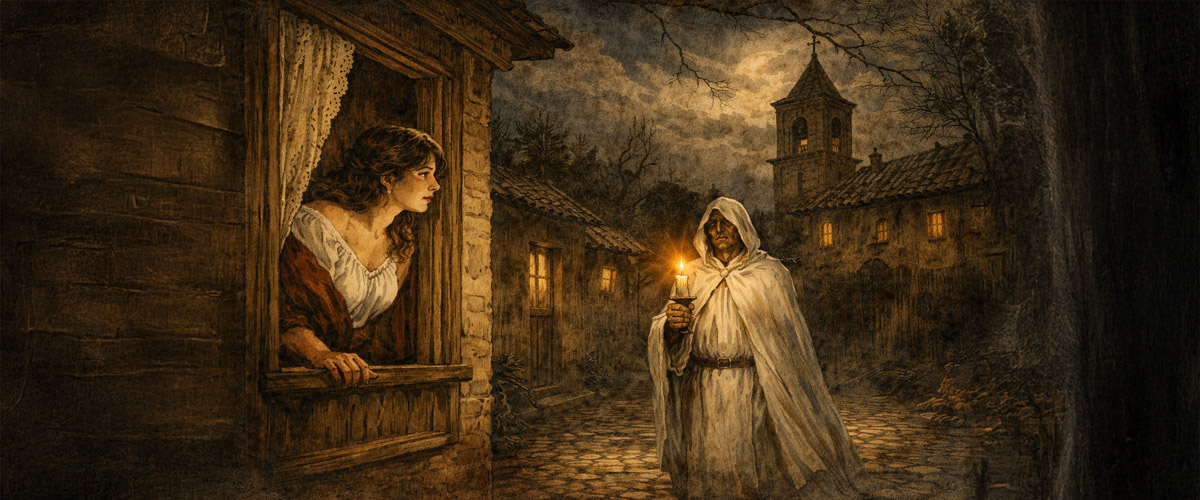
- World War II: A girl reported a black dog that entered her room through the window, stared at her with red eyes, and vanished before reaching the door.
- 1974: A ten-year-old boy described a yellow-eyed creature galloping toward him at night, an account that persisted even after rational explanations from his family.
Whether as a reminder of Viking myths about Odin's hound or as a manifestation of the fear of rural isolation, Black Shuck remains as the most feared and resilient of British specters.
Research source: Inside The Chilling Legend Of Black Shuck, by William DeLong, Villains Wiki