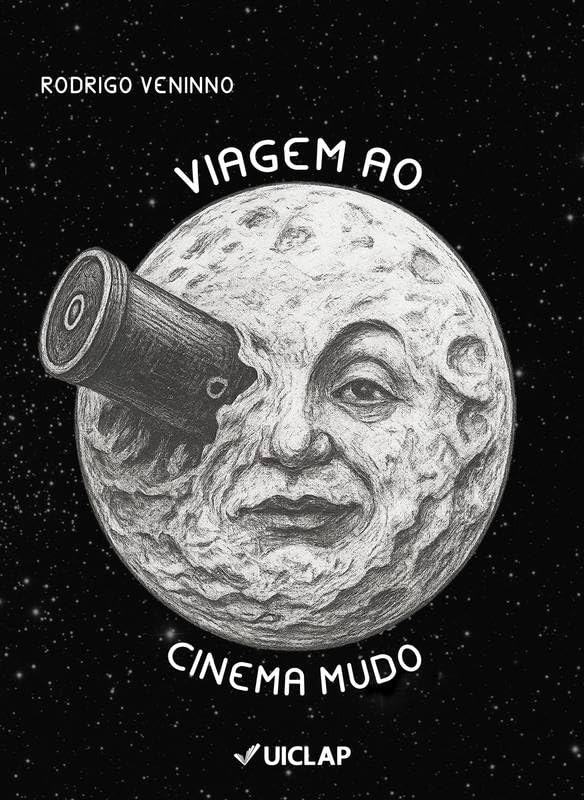
Silent Marathon
Lieutenant Rose (1910)
The series was commissioned in 1910 by the Clarendon Film Company to capitalize on the growing popularity of naval adventure narratives, driven by pre-WWI patriotic fervor and contemporary fears of espionage in Britain, with inspiration drawn from penny dreadfuls depicting imperial espionage and heroism.
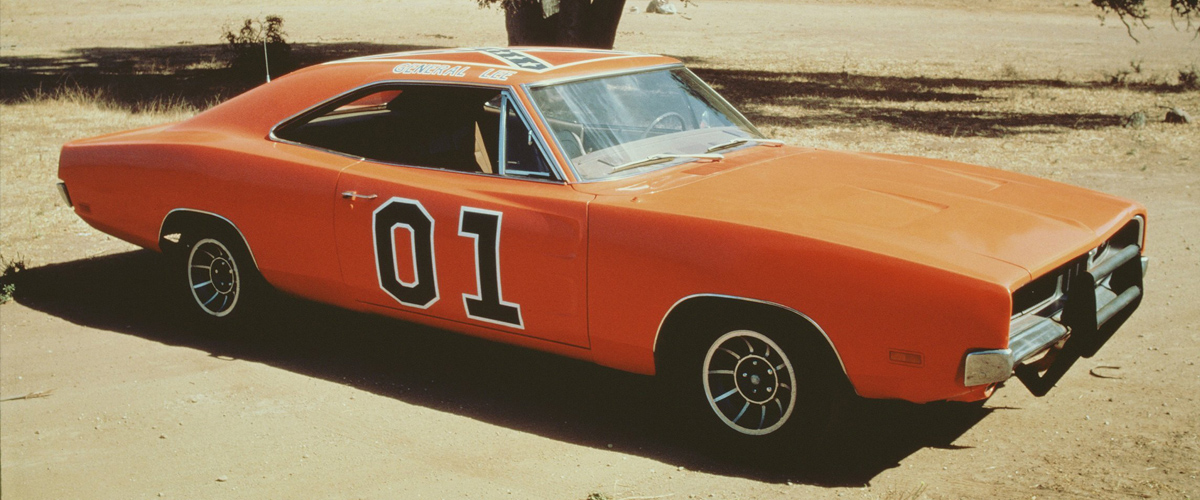
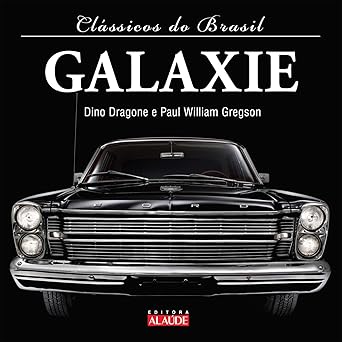
Legendary Machines
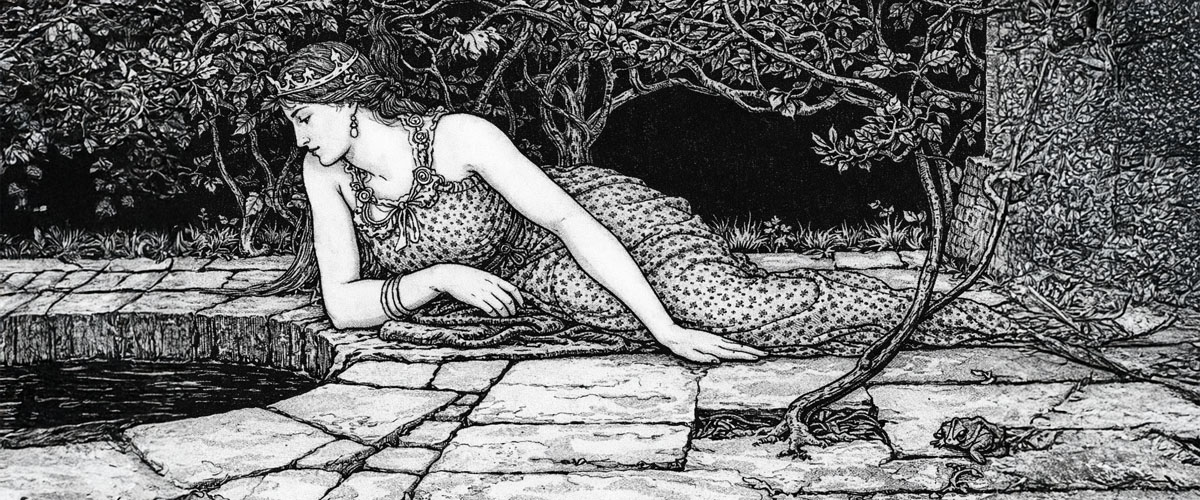
Classics of Horror and Unease
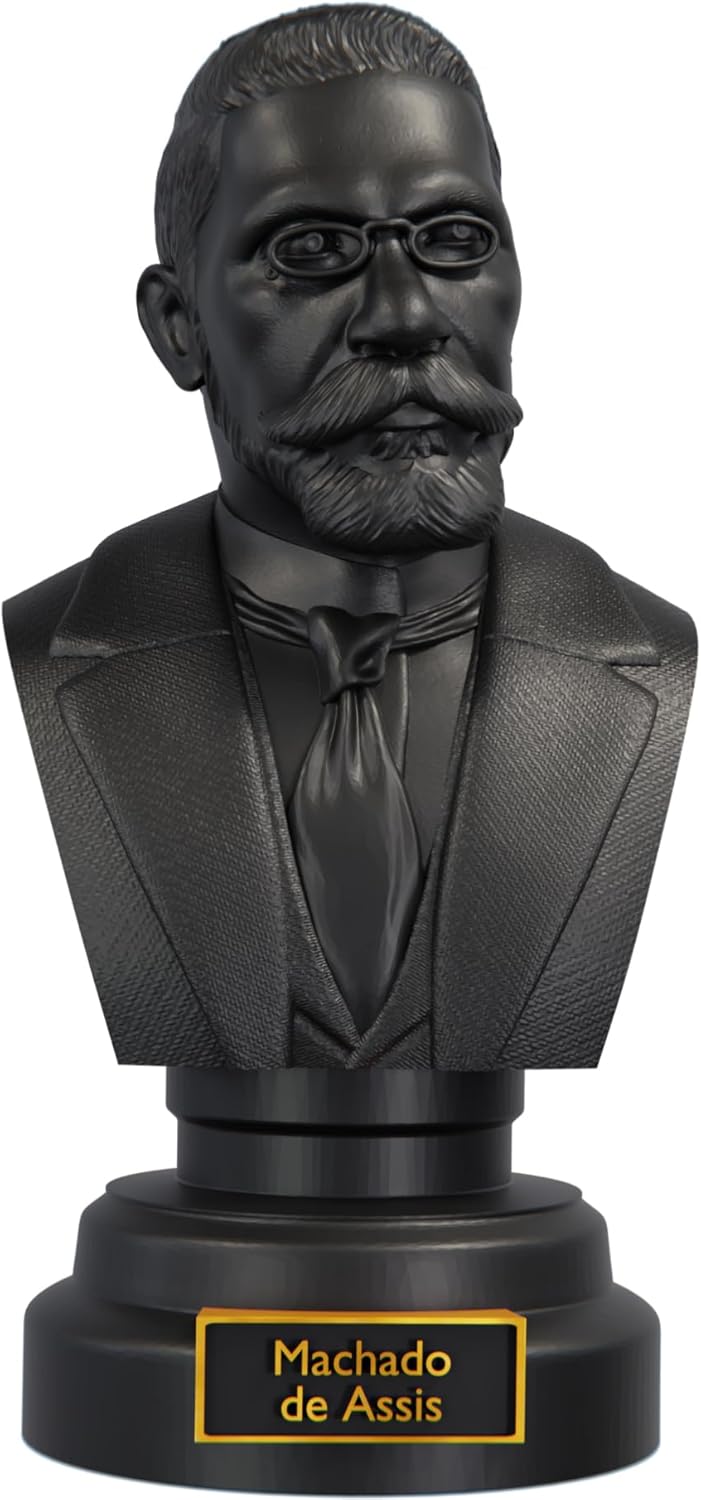
The Dark Side of Bernardo Guimarães
After moving through the moral horror of Machado, the urban decadentism of João do Rio, and the grotesque obsessions of the late 19th century, we come to Bernardo Guimarães — an author whom many insist on reducing to romantic regionalism, but who possesses much darker veins than what usually appears in textbooks.
North American Legends
The Bell Witch
Australia
Read carefully. Not to laugh —that is an inevitable consequence— but to understand how a society reaches the point of regulating potatoes, vacuum cleaners, and perfectly harmless behaviors, while real problems continue to roam free, without a license. You call this order. I call it involuntary entertainment.
Silent Film Stars
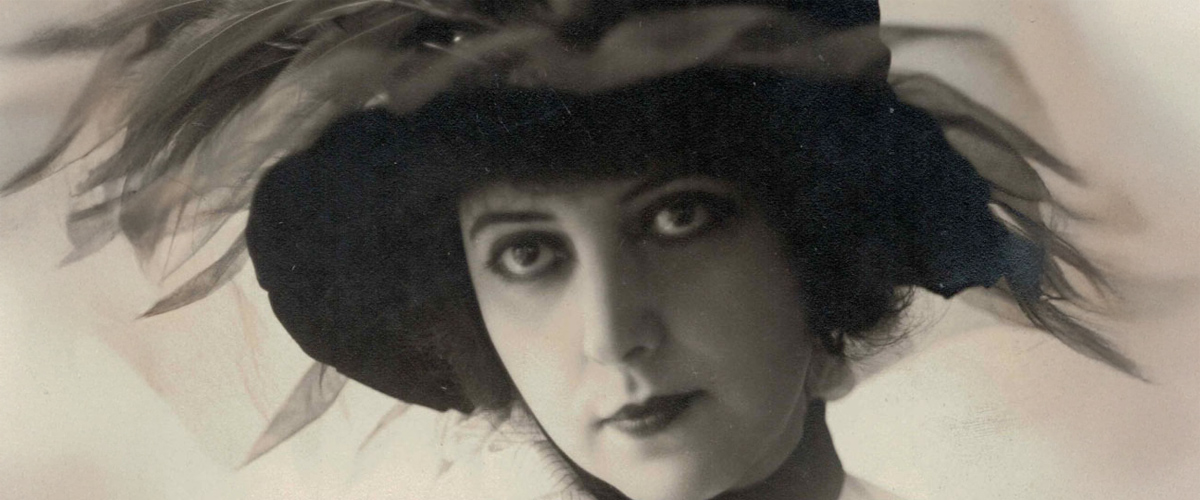
Asta Nielsen
If today we are accustomed to subtle performances, where a gaze says more than a thousand words, we must thank a Danish woman with magnetic eyes and an expressive face named Asta Nielsen. Before her, cinema was basically filmed theater, with exaggerated gestures and arms flailing in the wind. Asta arrived and changed the game, becoming the first truly global star and earning the affectionate nickname Die Asta.
Silent Marathon
Meskal le contrebandier and Le vautour de la siria (1909)
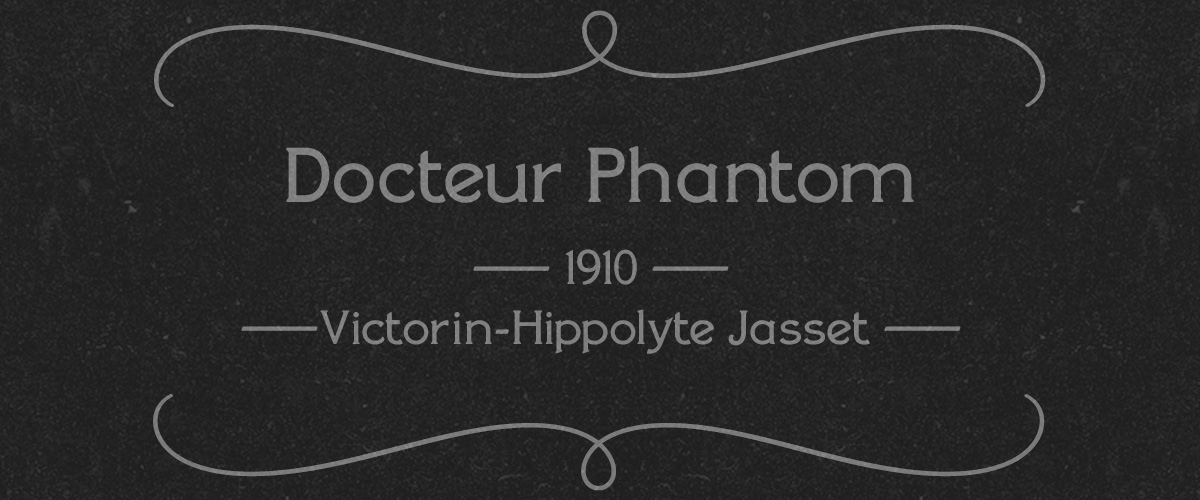
It is worth highlighting the series based on the books by Georges Clavigny and the participation of Joë Hamman, actor, director, and illustrator, considered one of the pioneers of the French Western alongside to the already mentioned Victorin-Hippolyte Jasset, with the production of Riffle Bill, le roi de la prairie (1908), which we have already seen here.