Estronho e esquésito

cinema, literature and oddities


Tailbone-Chilling Legends

Here, we explore the roots of fear through pure folklore and oral traditions from around the world. Unlike fiction, these accounts are born from historical records and ancestral beliefs that have survived for centuries—stories real enough to cause that visceral shiver that runs down your spine and trembles to the very base of your tailbone.

<p>The Blacksmith — <i>Errementari</i></p>

European Legends

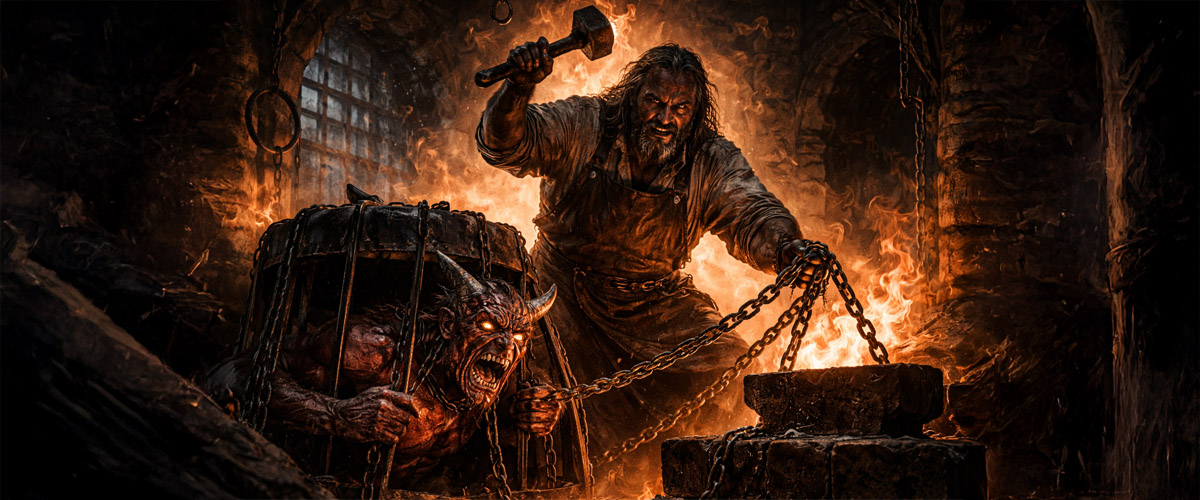
The Blacksmith — Errementari

There are legends where the Devil is the great villain. And there are others, far more uncomfortable, where he is merely… the second worst in the story. The Basque legend of Errementari, the Blacksmith, belongs to this second category. It does not speak of redemption. It does not speak of just punishment. It speaks of the danger of no longer fitting in anywhere.

By Guardião do Estronho March 01, 2026

<p>Gold Tree and Silver Tree</p>

European Legends

Gold Tree and Silver Tree

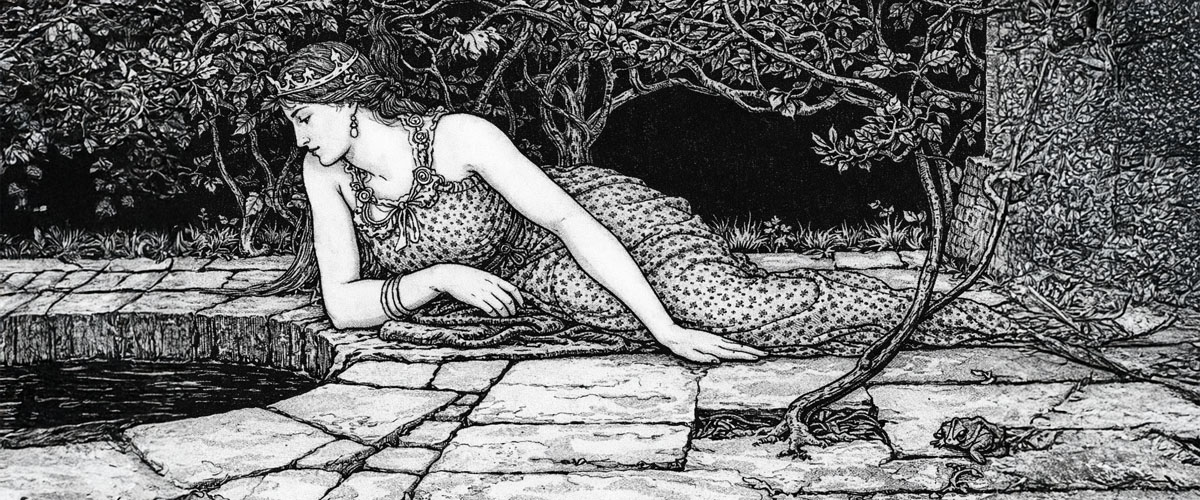
For centuries, Scottish folklore has preserved stories where the marvelous and the cruel walk side by side. Gold-Tree and Silver-Tree is not a fairy tale in the modern sense, but an ancient oral legend, recorded in the 19th century and passed down through generations as a warning against envy, pride, and the destruction born within one's own home.

By Guardião do Estronho February 20, 2026

<p>Manananggal: The Woman Who Severs Herself in Two</p>

Asian Legends

Manananggal: The Woman Who Severs Herself in Two

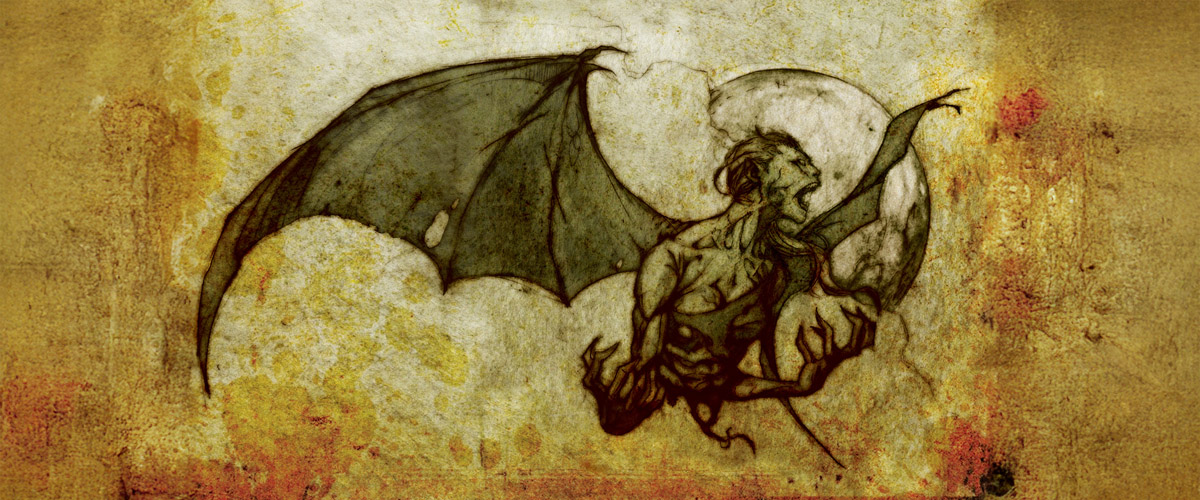
The Manananggal is one of the most disturbing creatures in Philippine folklore. A recurring figure in rural narratives, it is especially feared in the Visayas regions, with a strong presence in the provinces of Capiz and Iloilo. Unlike the classic European vampire, the Manananggal does not hide in coffins: it splits in half to hunt during the night.
By Guardião do Estronho February 13, 2026

<p>The Bell Witch</p>

North American Legends

The Bell Witch

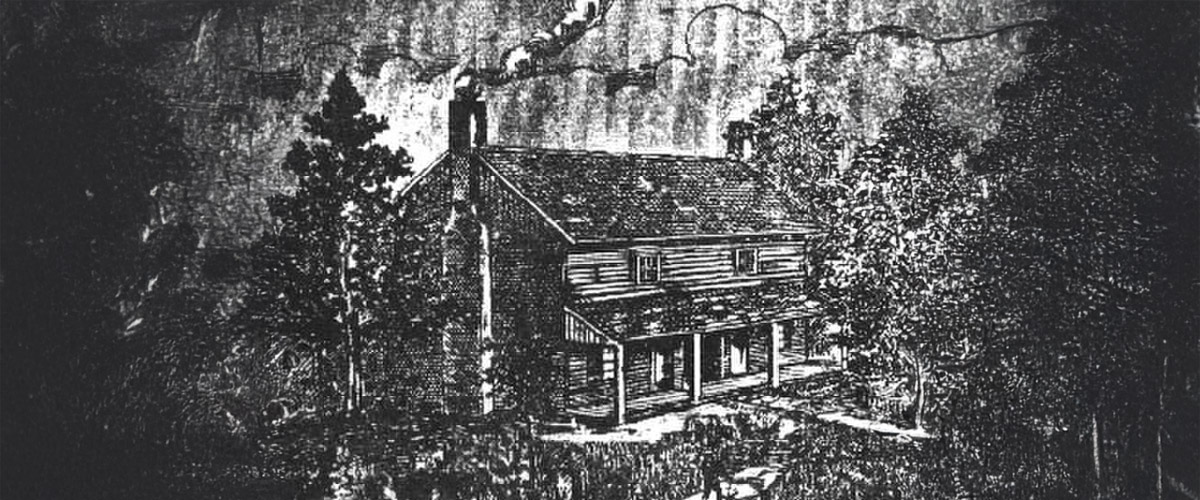
The Bell Witch is one of the most enduring legends in American folklore, linked to a supposed invisible entity that haunted the Bell family in Robertson County, Tennessee, between roughly 1817 and 1821. The story combines rural events, accounts of unexplained phenomena, and oral traditions passed down through generations.
By Guardião do Estronho February 06, 2026

Nuckelavee: The Living Curse of the Orkney Islands

European Legends
Nuckelavee: The Living Curse of the Orkney Islands

Among the windswept islands in the far north of Scotland, a legend has circulated for centuries of a creature considered not only terrifying, but openly harmful to human and animal life: the Nuckelavee. In the folklore of the Orkney Islands, it is not a mischievous spirit nor an ambiguous being —it is a decidedly malevolent presence, associated with disease, famine, and ruin.
By Guardião do Estronho January 30, 2026

<p>Snow Hags — <i>Yukinba </i>and <i>Yukifuriba</i></p>

Asian Legends

Snow Hags — Yukinba and Yukifuriba

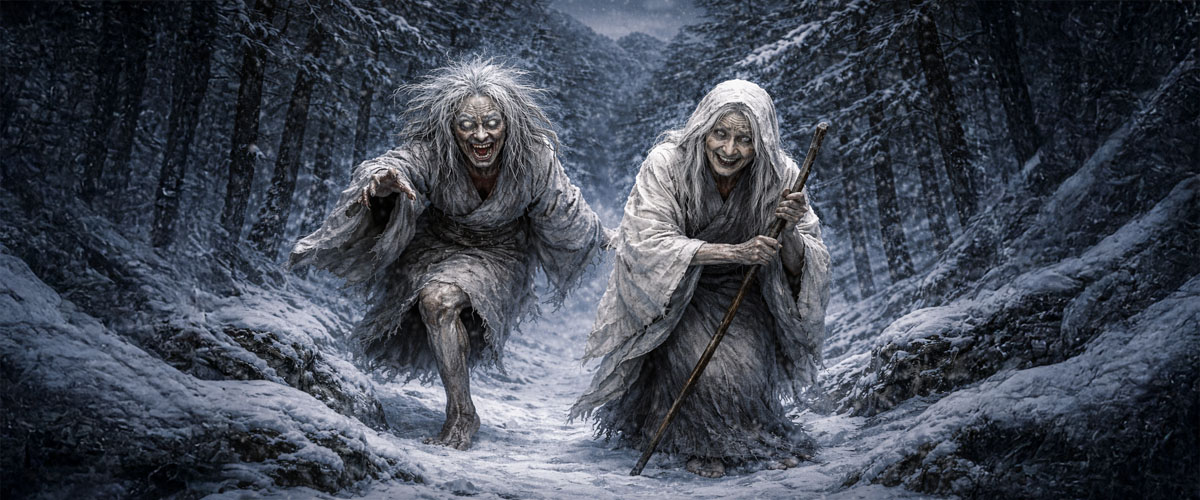
Yukinba is described as a grotesque monster: an aged female figure with a deformed body, often depicted walking or hopping on a single massive leg. Yukifuriba has a more “poetic” name (old woman of the falling snow) and, unlike the monstrous appearance of the Yukinba, looks like a normal elderly woman with white skin and simple clothes — almost a “cadaverous” version of the famous Yuki-onna (the Snow Woman).

By Guardião do Estronho January 23, 2026

The Ice Woman

Asian Legends
The Ice Woman

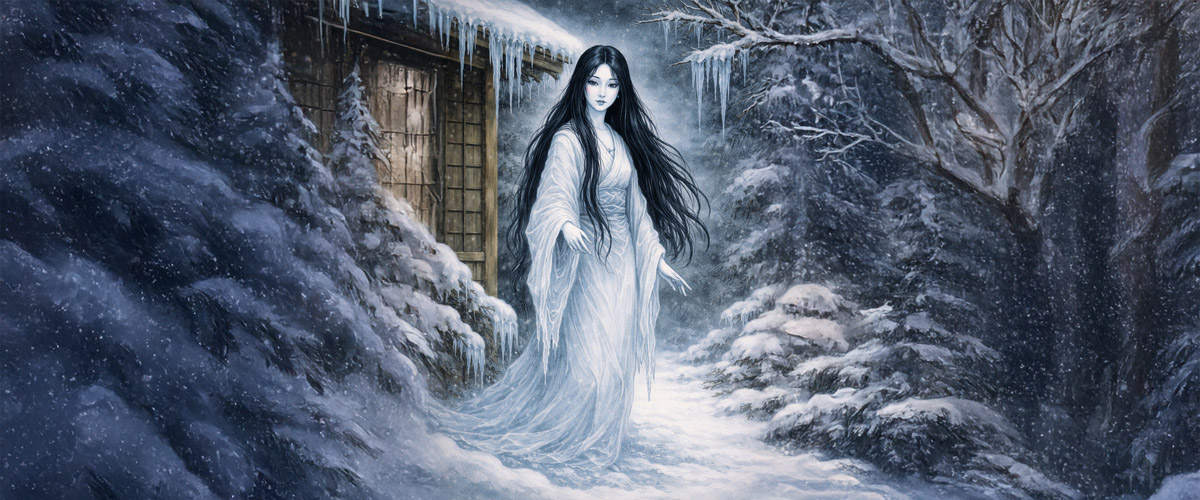
In cold regions of northern Japan, especially in Tōhoku, there are ancient reports of a woman who does not fall ill from the cold, does not seek warmth, and cannot survive contact with hot water. She is known as Tsurara-Onna, the Icicle Woman —an entity associated with icicles, harsh winters, and silent death within the home.

By Guardião do Estronho January 16, 2026

<p>The Black Dog of Bungay</p>

European Legends

The Black Dog of Bungay

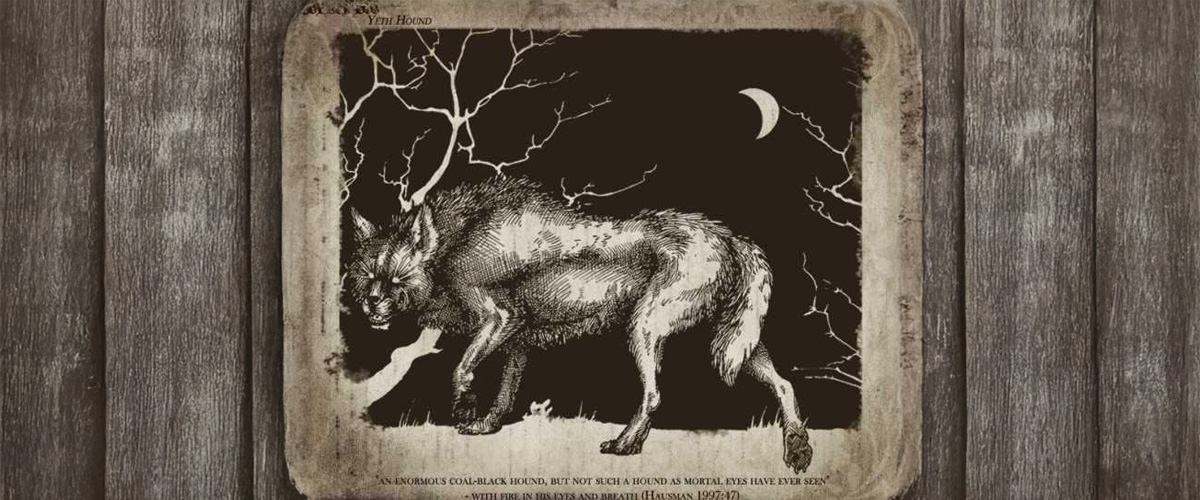
For centuries, English folklore has been haunted by the figure of Black Shuck (from the Old English scucca, meaning "devil"). Unlike fictional beasts, this mythical dog carries a historical weight documented in chronicles dating back to the 12th century. Described as an animal of abnormal proportions — sometimes the size of a horse — it has a mangy black coat, silent footsteps, and glowing red or yellow eyes, as large as saucers.
By Guardião do Estronho January 09, 2026

<p>Myling</p>

Norse Legends

Myling

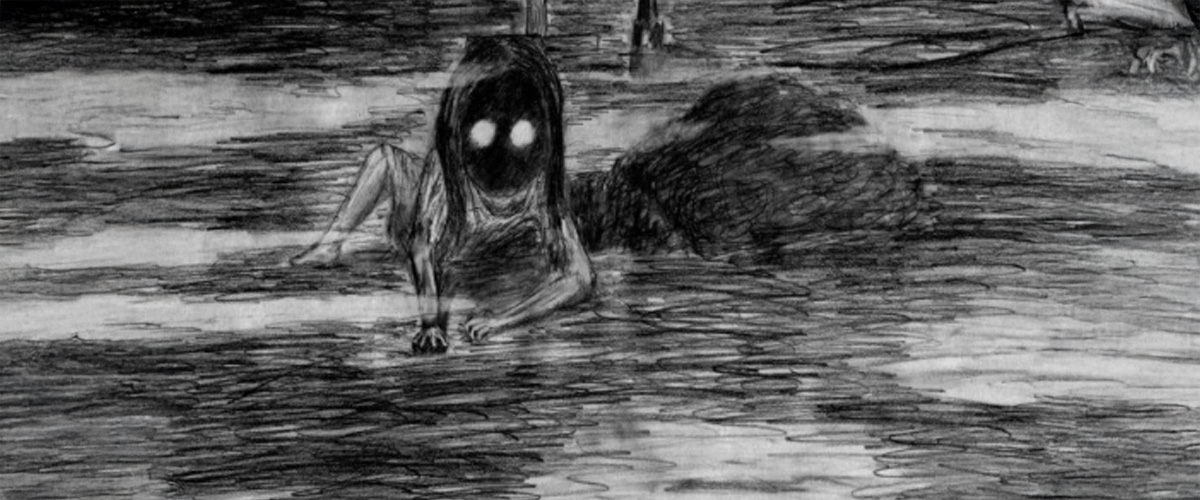
Mylingar are entities from Scandinavian folklore associated with the vengeful spirits of children who were victims of infanticide. The belief is especially strong in Sweden but appears with regional variations in Norway (where they are called Utburd) and parts of Finland and Denmark, spanning both the late pagan period and the initial Christianization of the region.

By Guardião do Estronho January 07, 2026