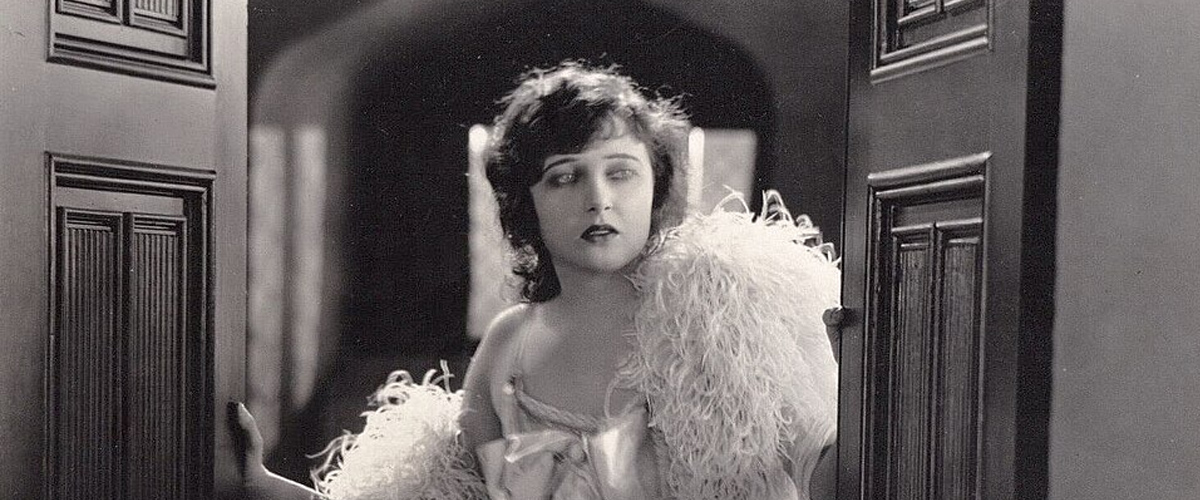
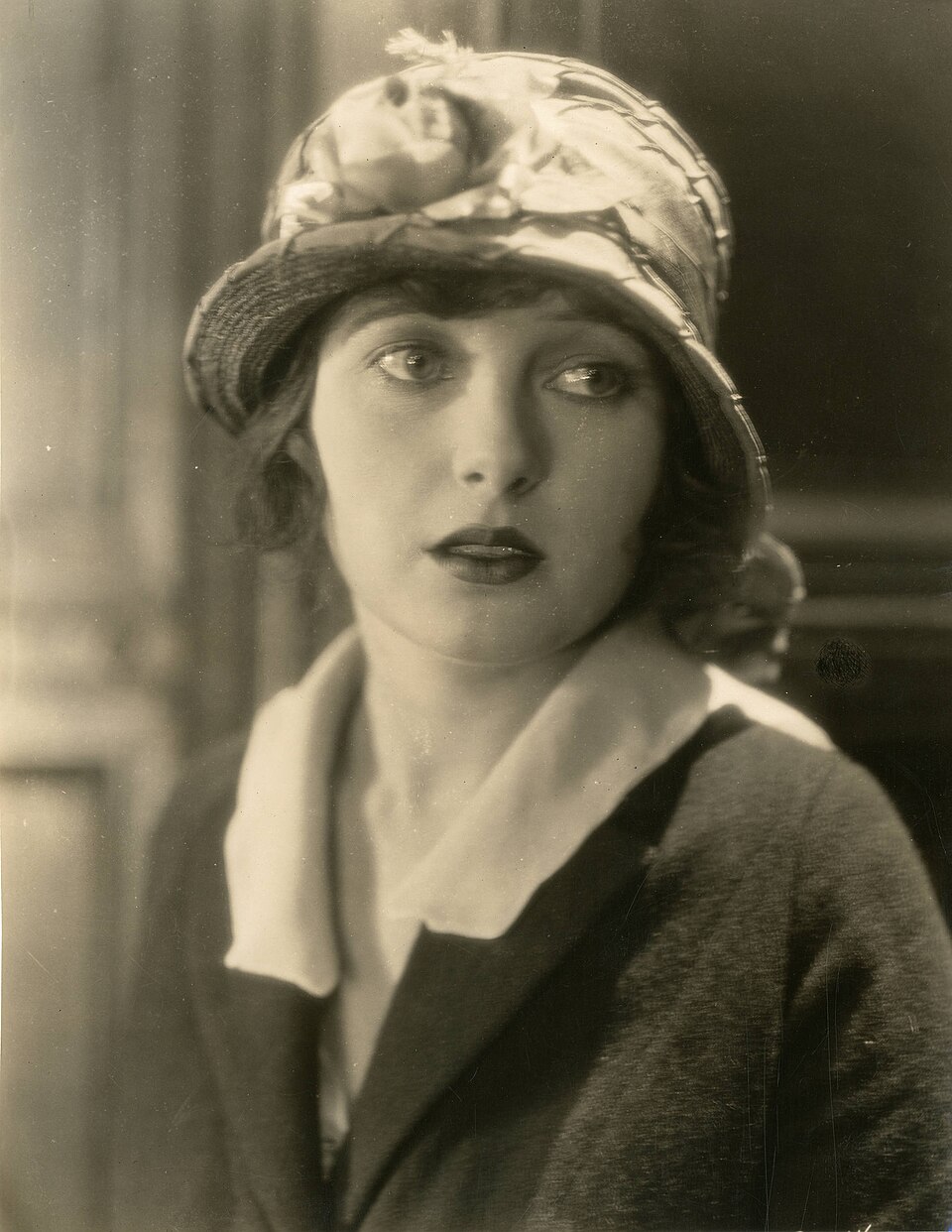
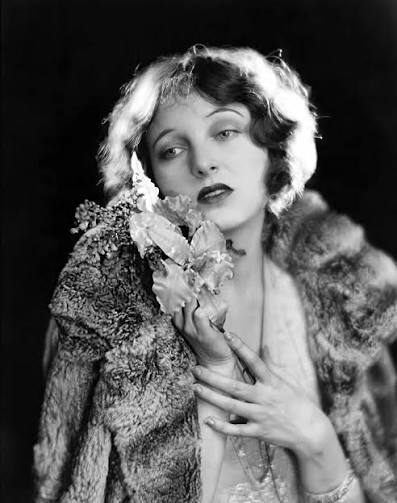
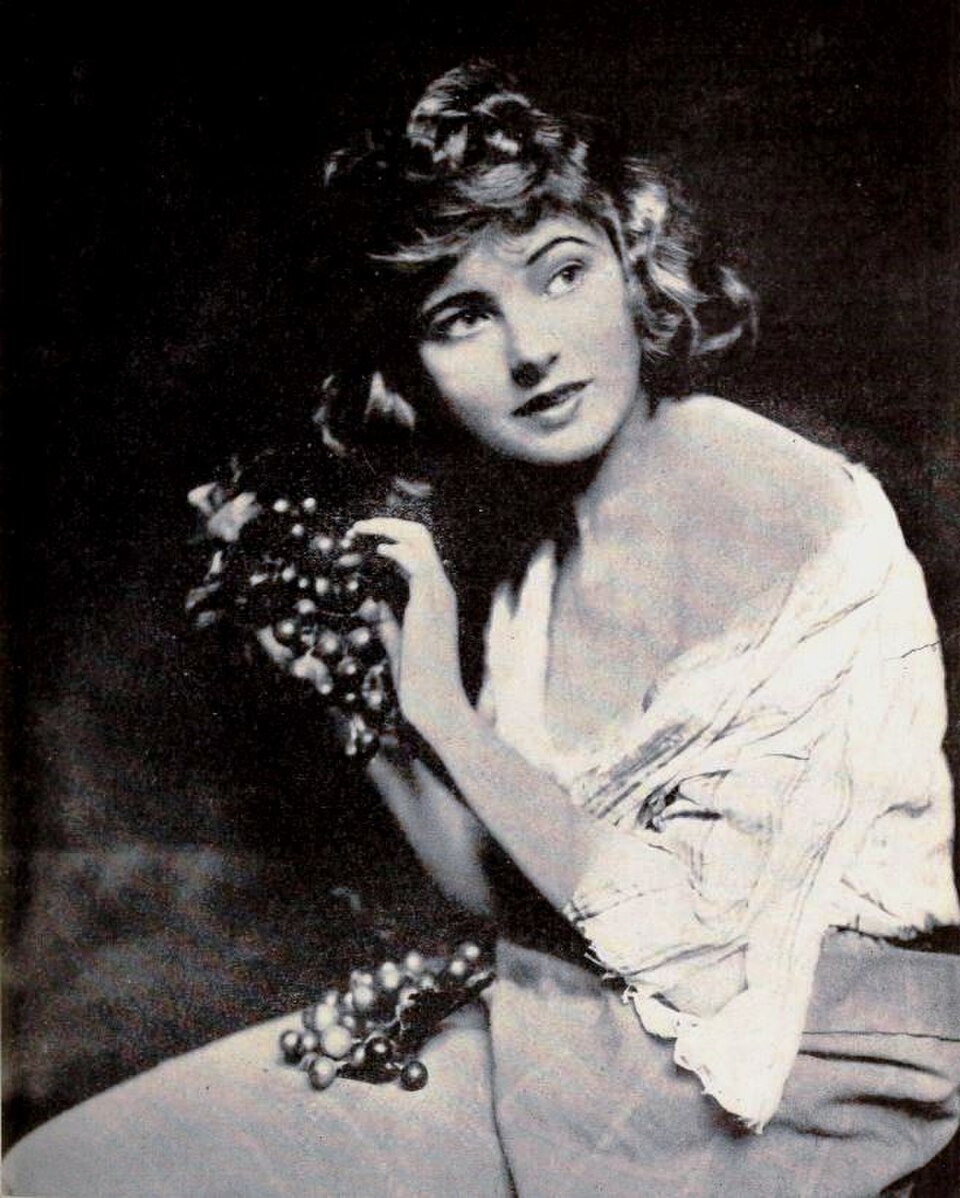
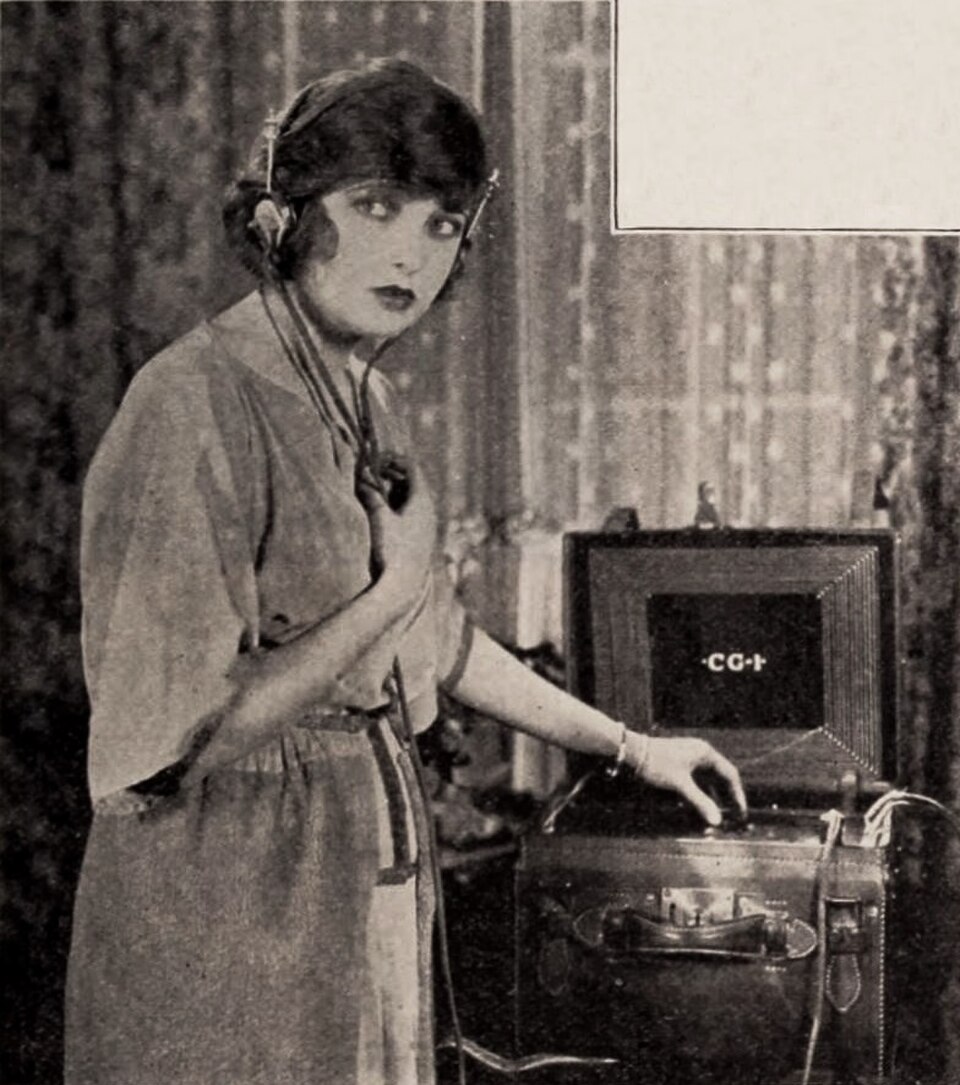
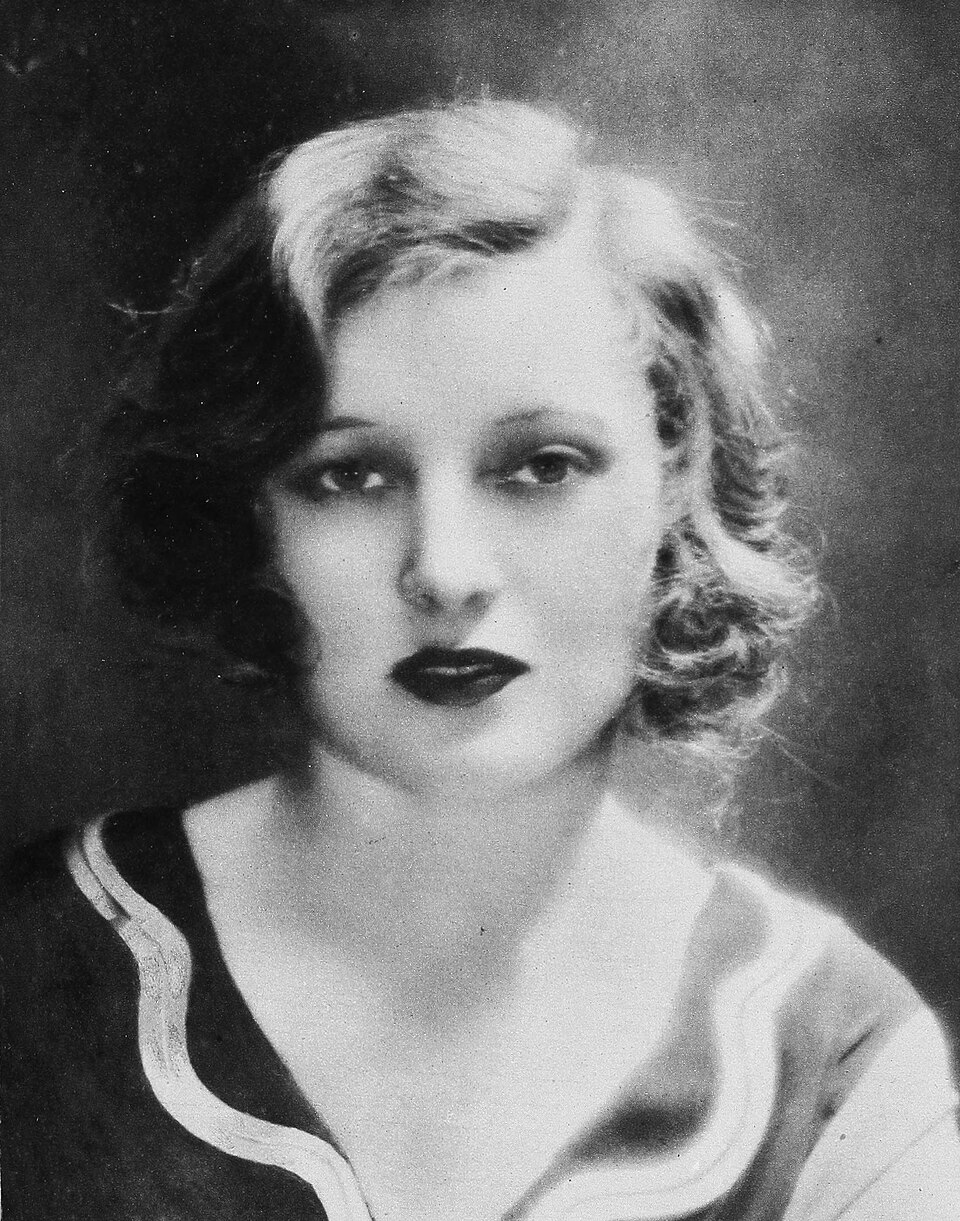
Corinne Mae Griffin was born in Waco, Texas, on November 21, 1894 (a date that is not entirely reliable and was questioned for years throughout her career). Daughter of John Lewis Griffin, a Methodist minister and railroad worker, and Ambolina Ghio, of Italian descent, Corinne spent part of her childhood in Texas and at the Sacred Heart Convent in New Orleans. The aristocratic elegance that would later define her on screen was shaped far from the Los Angeles spotlight, through a refined educational background.
First Steps
As with other major stars of the silent era, Corinne's journey to the cinema comes with a few historical discrepancies. Accounts from the period suggested that Corinne was discovered after winning a beauty contest in Southern California or New Orleans. There is also a version that director King Vidor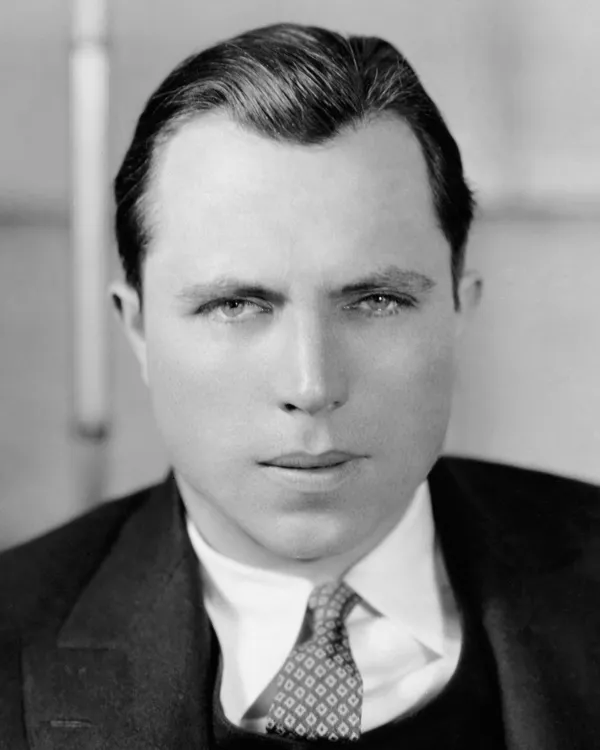 discovered her at a health resort in West Texas. However, the memoirs of director and fellow Texan King Vidor indicate that the two met as teenagers in Texas and planned their trip to Hollywood, where the young woman secured letters of introduction to Vitagraph Studios executives.
Perhaps this hypothesis raised by the public and newspapers of the time regarding the pageant stems from the fact that Corinne was truly striking, being constantly cited as one of the most beautiful women in silent cinema, if not the most beautiful.
discovered her at a health resort in West Texas. However, the memoirs of director and fellow Texan King Vidor indicate that the two met as teenagers in Texas and planned their trip to Hollywood, where the young woman secured letters of introduction to Vitagraph Studios executives.
Perhaps this hypothesis raised by the public and newspapers of the time regarding the pageant stems from the fact that Corinne was truly striking, being constantly cited as one of the most beautiful women in silent cinema, if not the most beautiful.
There is also unconfirmed information that before making her acting debut, Corinne worked as a dancer, and for that reason adopted a surname slightly different from her own. However, the most widely accepted account among film historians is that she only began using her stage name upon signing her first contract with Vitagraph in 1915 (some sources state 1916).
Her debut came in La Paloma (1916), a short film directed by William Wolbert. She spent the rest of the year appearing in various supporting roles until those appearances paved the way for leading roles alongside leading men like Earle Williams.
Within a few years, her delicate features and flawless wardrobe earned her the moniker that would follow her throughout her entire career: "The Orchid Lady of the Screen."
Stardom at First National and Creative Control
In 1923, at the peak of her popularity at Vitagraph, Corinne made a bold business move by signing with First National Pictures, which two years later would be acquired by Warner Bros.
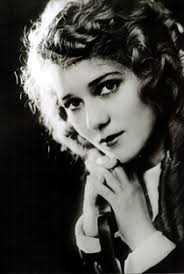
Among her most successful titles from this period are Black Oxen (1924), Classified (1925), and the celebrated The Garden of Eden (1928), directed by Lewis Milestone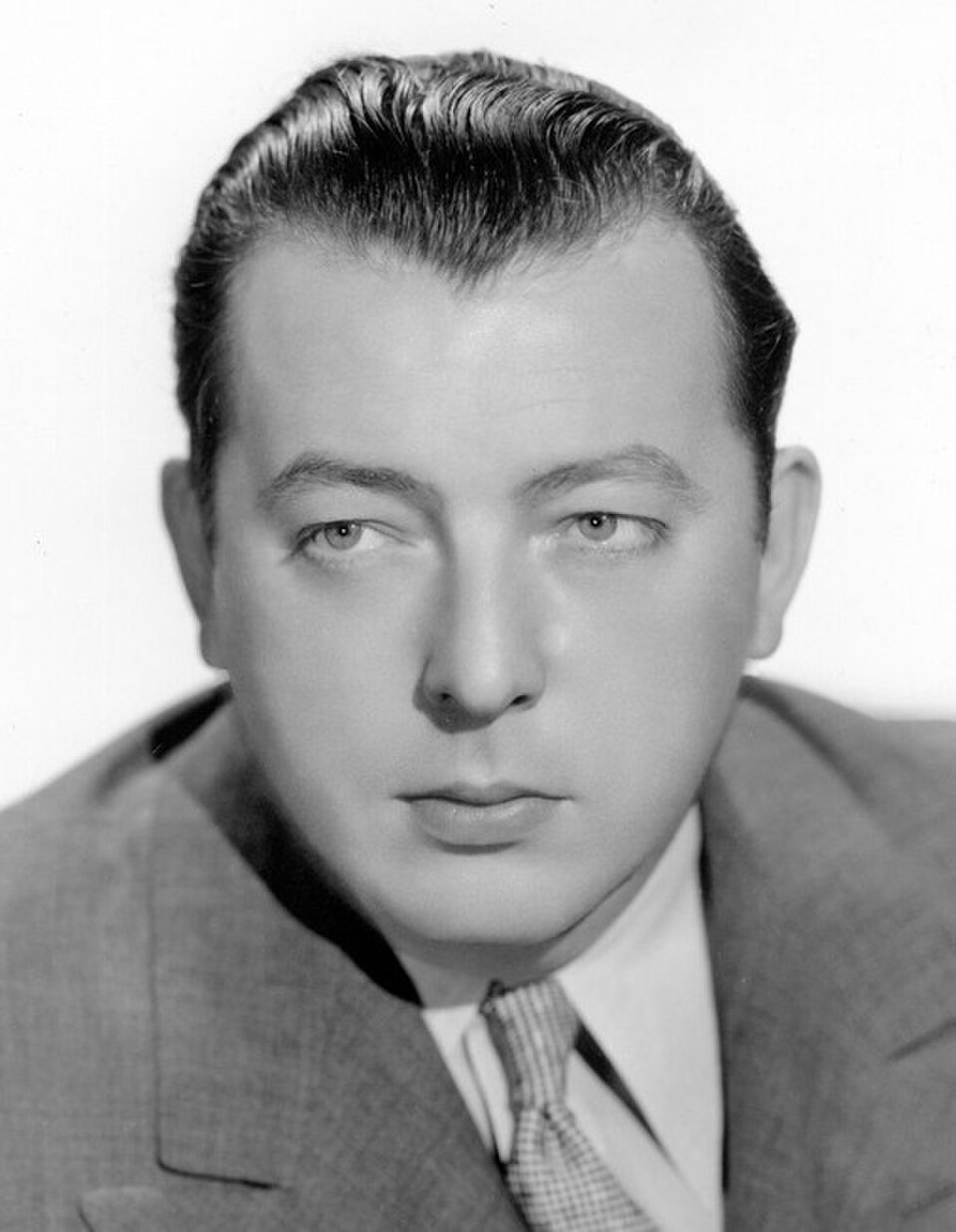 . Griffith commanded one of the highest salaries in silent film—starting at $2,500 and reaching up to $10,000 per week—and personally negotiated all her contracts and budgets, rivaled in financial autonomy only by figures such as Mary Pickford
 .
.
Her fame and influence were so vast that she enjoyed privileges accessible to only a few established artists of the time. Griffith's contracts stipulated that at the beginning of each production, she would be submitted four scripts for consideration for her next film. She could also choose among three available leading actors and three directors, alongside an explicit requirement not to work more than 8 hours a day.
The peak of her critical acclaim came with The Divine Lady (1929), directed by Frank Lloyd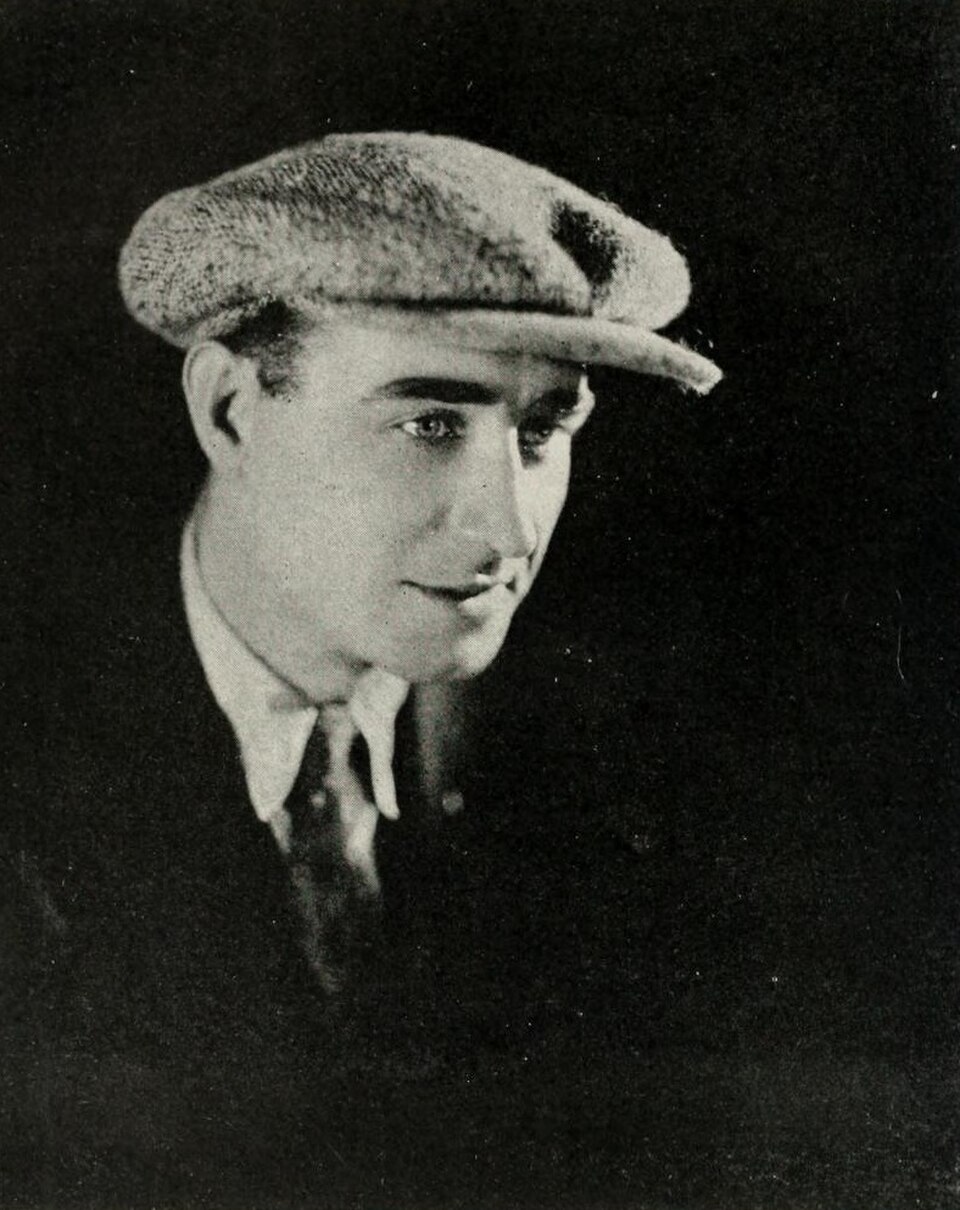 . Her portrayal of Lady Hamilton earned her an Academy Award nomination for Best Actress at the 2nd Academy Awards ceremony.
Tom Slater, in his biography for the Women Film Pioneers Project, wrote about Corinne: "A woman of great beauty and comic talent, Griffith also took on dramatic roles in which her characters faced major decisions that affected her life and the lives of many others. Taken together, this body of work reveals the centrality and complexity of female roles in post-Victorian consumer society."
Understanding how the industry operated, she did not limit herself to being merely a contracted actress: she founded her own production company, Corinne Griffith Productions. Here too, sources disagree. Some state that she launched her production company after leaving First National, while others claim she was still under contract with the studio when she started the new business. Certain sources assert that she served as executive producer on about eleven of her feature films, while others claim her company made only one film before she returned to First National. Looking up her films on IMDb confirms that Corinne Griffith Productions is listed on the production credits of several of her films, not just one. This illustrates how challenging it is to write 100% definitive articles about early cinema.
The Advent of Sound and the Relentless Transition
The transition to sound film in the late 1920s drastically impacted Griffith's career. Her initial tests and talkie releases, such as the remake of Lilies of the Field (1930), received harsh criticism due to her tone of voice and accent, which were considered unfavorable for early microphone technology.
After starring in the British production Lily Christine (1932) at age 37, Corinne decided to step away from the Hollywood spotlight, returning to the screen only once years later as Mrs. Wilson in the film Paradise Alley (1962).
Business and Literature
Unlike peers who faced financial difficulties after the silent era, Griffith used the financial acumen she demonstrated at the studios to forge a new career in real estate and literature.
Possessing a sharp business sense, Corinne invested much of her Hollywood earnings in land and commercial buildings across Beverly Hills and Los Angeles. She became one of the most successful real estate investors in the United States, amassing a fortune estimated in the tens of millions of dollars while becoming a political organizer and lecturer on tax policy.
Concurrently, she published over ten books, including novels and memoirs. Her autobiographical book Papa's Delicate Condition (1952) became a bestseller and was adapted for the screen in 1963. During her third marriage to George Preston Marshall, owner of the Washington Redskins football team, Corinne wrote the lyrics to "Hail to the Redskins," the team's official anthem.
Marriages and Courtroom Lies
Corinne was married to theatrical producer Morosco (1926–1934). Later, she married Vitagraph actor and director Webster Campbell (1920–1923), then Washington Redskins owner George Marshall (1936–1958), and finally actor and singer Danny Scholl for thirty-five days in 1965. It was during this time that her personal life made headlines in an unusual way.
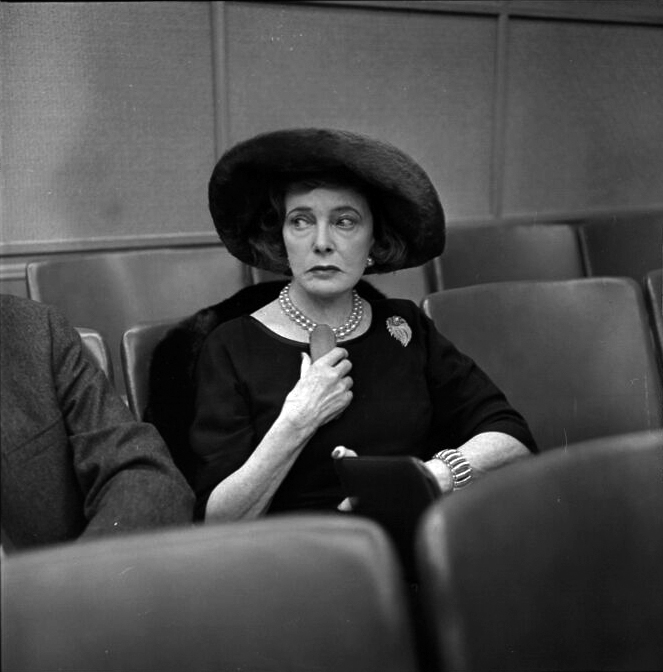
During the annulment proceedings of her marriage to Danny Scholl, 33 years her junior, Corinne testified in court that she was not the real silent movie star, but rather her younger sister, claiming the "real" Corinne had died years earlier. The court had to subpoena former silent era actresses, such as Betty Blythe and Claire Windsor, to testify that she was indeed the legendary Vitagraph star.
There is no definitive explanation for Corinne Griffith's behavior, which ranges between personal vanity regarding her age and a legal or financial defense strategy during the trial.
Silent film historians and biographers point primarily to three factors behind the episode:
- Extreme vanity regarding age: when she married Danny Scholl in 1965, Corinne was around 71 years old, while Scholl was about 44. She had lied to him early in their relationship, claiming she was in his age group (around 50). When the marriage collapsed after about a month and she threw him out of her house, Scholl sought to claim he had been deceived about his wife's true age. To maintain the lie and avoid publicly admitting she was seventy, Corinne fabricated the story that the "real" silent film star had passed away in the 1930s and that she was Mary, a younger sister (about 20 years younger) who had assumed her sister's identity and business assets.
- Defense strategy in the annulment suit: Scholl was alleging fraud regarding her age to seek financial leverage in the separation. By insisting she was younger and that the original actress was dead, Corinne attempted to disarm her ex-husband's core argument of having been defrauded. Ultimately, the strategy—bizarre as it was—did not harm her finances: the judge ruled that the age difference had no legal bearing on the termination of the marriage and noted that Scholl was primarily interested in the former actress's multi-million-dollar estate.
- Denial of aging: even after the trial ended and fellow cast members testified to her true identity, Corinne continued to stick to this story in conversations and interviews for the rest of her life. Hollywood historians view this as a deep psychological refusal to accept growing old, a phenomenon common among Golden Age stars who were globally celebrated for their youth and flawless beauty.
This bizarre episode served as one of the inspirations for author Tom Tryon's novel Fedora (1976)—about a legendary actress who uses her daughter/sister to pretend she never aged—which was later adapted into a 1978 film by director Billy Wilder.
Legacy
Corinne Griffith passed away on July 13, 1979, in Santa Monica, California, at age 84 due to a heart attack. She left behind a substantial estate resulting from her four decades of real estate investments. For her contributions to the motion picture industry, she holds a star on the Hollywood Walk of Fame located at 1560 Vine Street.
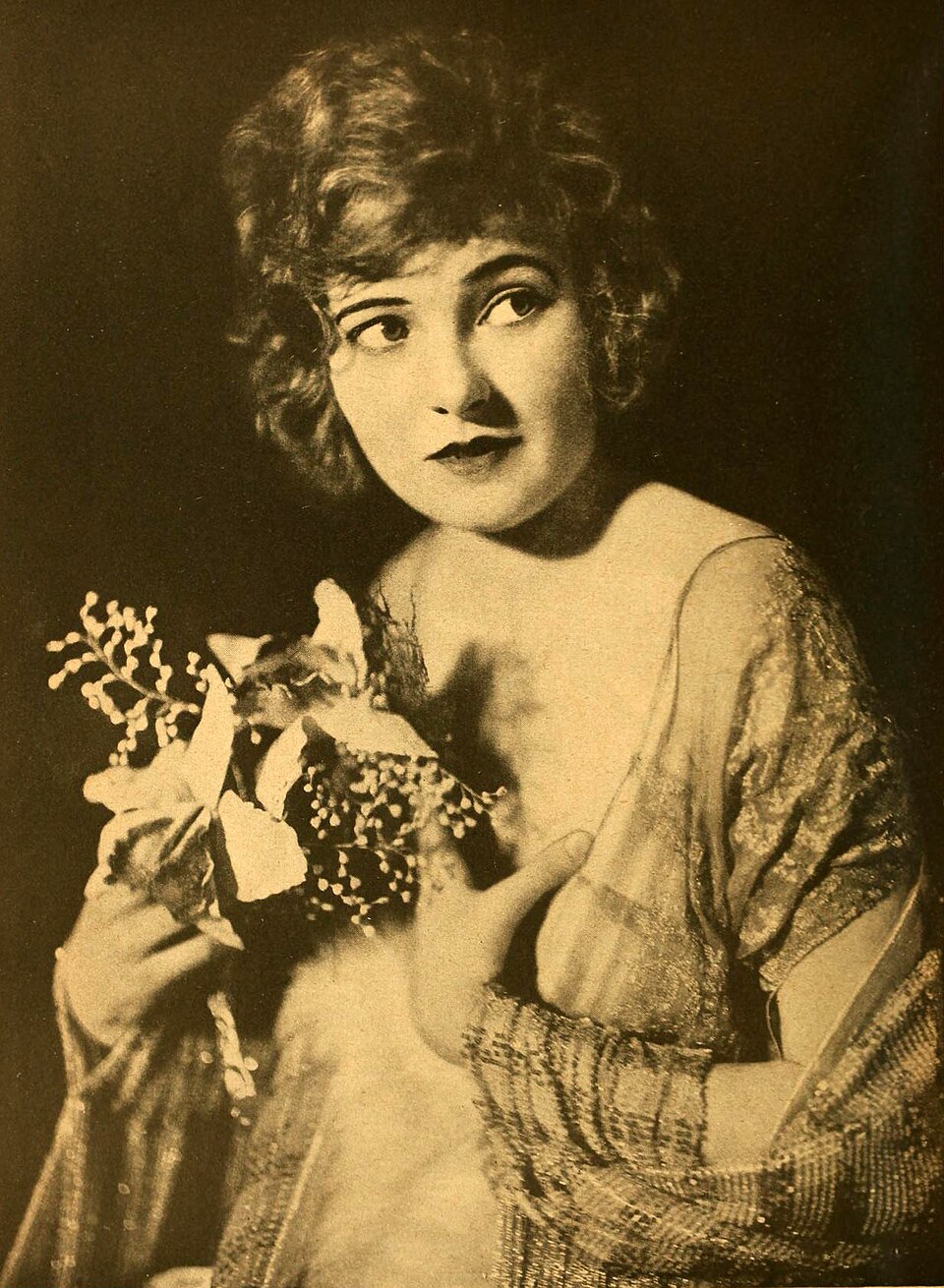
Corinne Griffith (1919)
Alfred Cheney Johnston
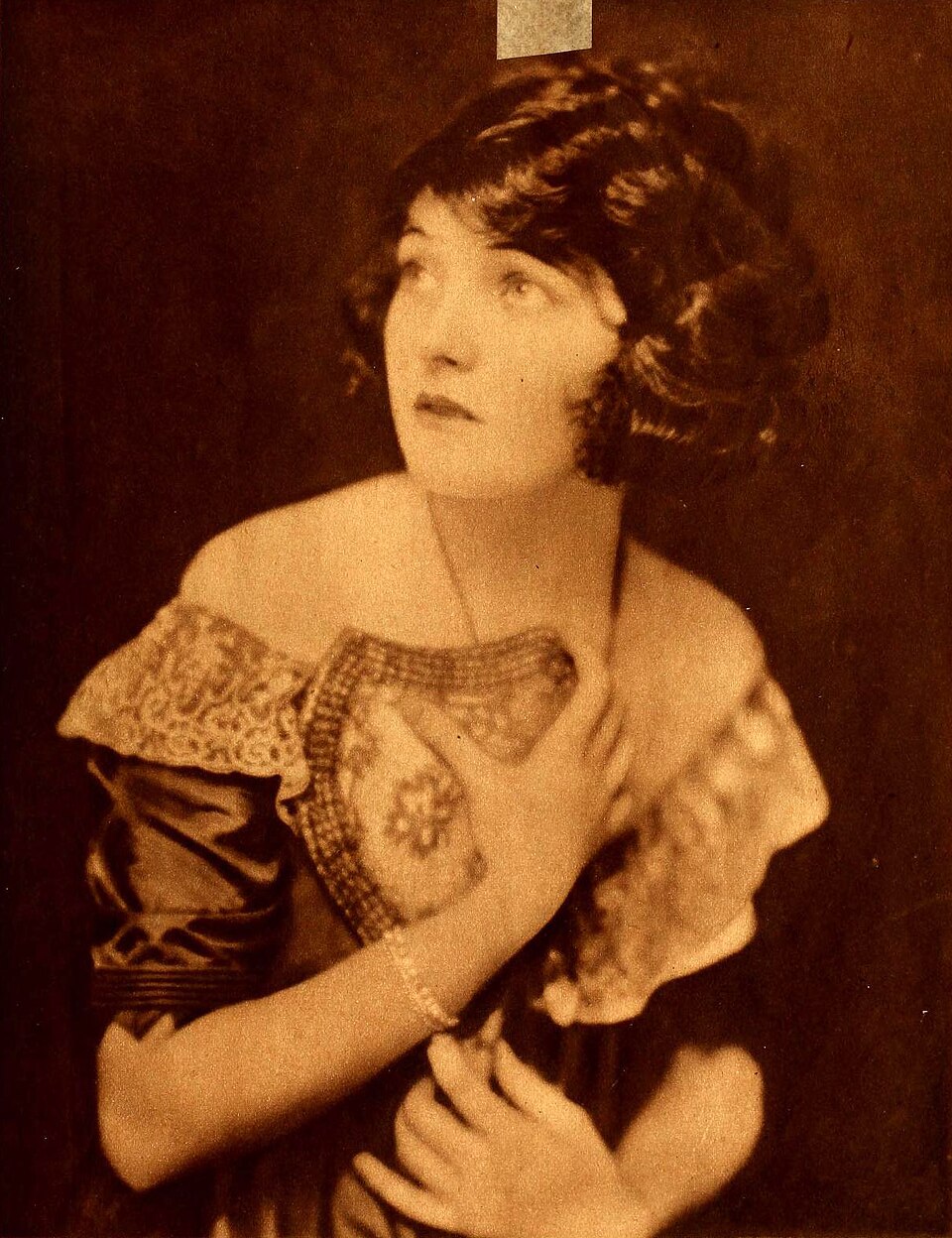
Corinne Griffith (1921)
Alfred Cheney Johnston
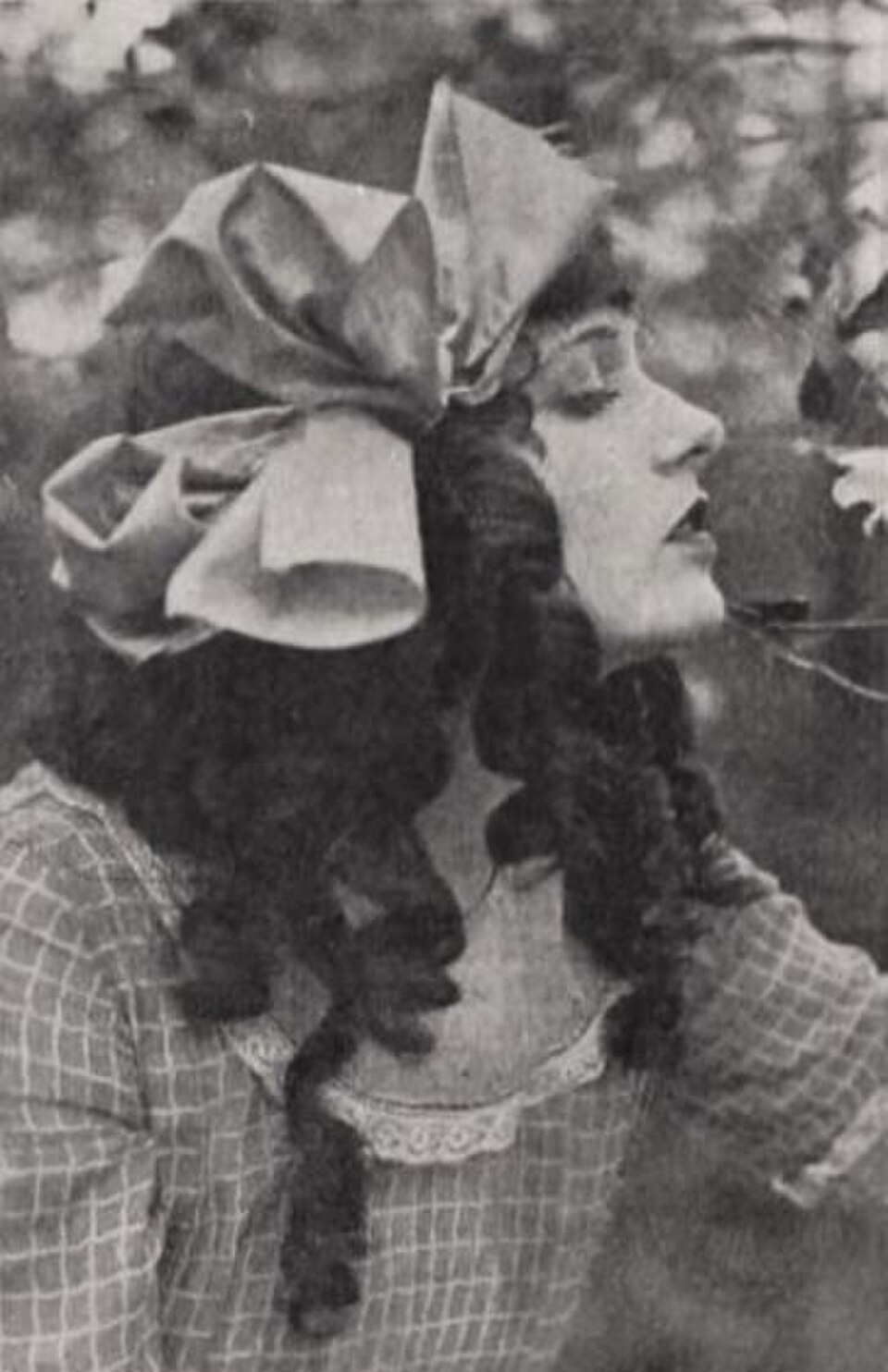
Corinne Griffith - Moral Fibre (1921)
Vitagraph Company of America
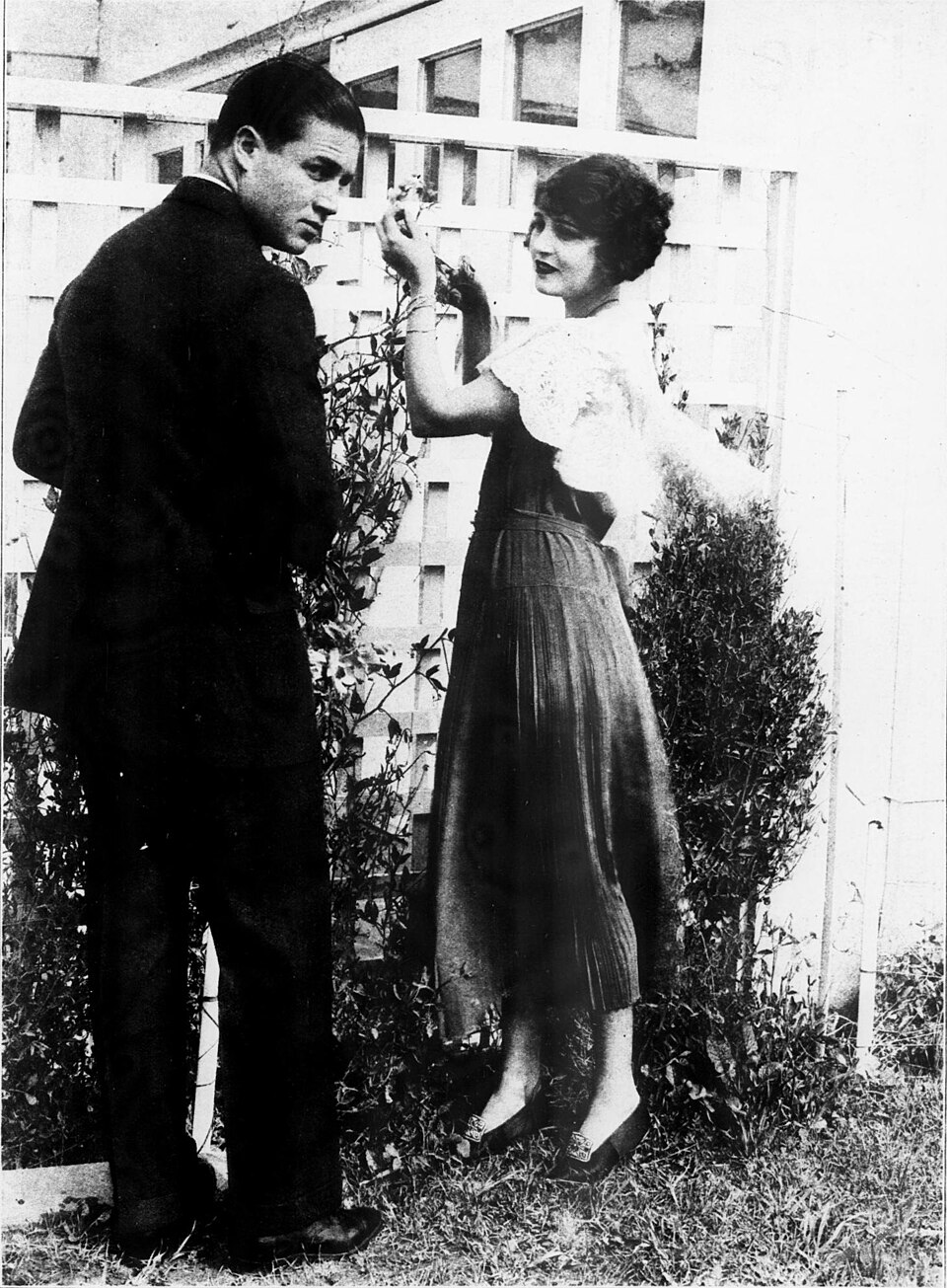
Corinne Griffith, Walter Morosco (1924)
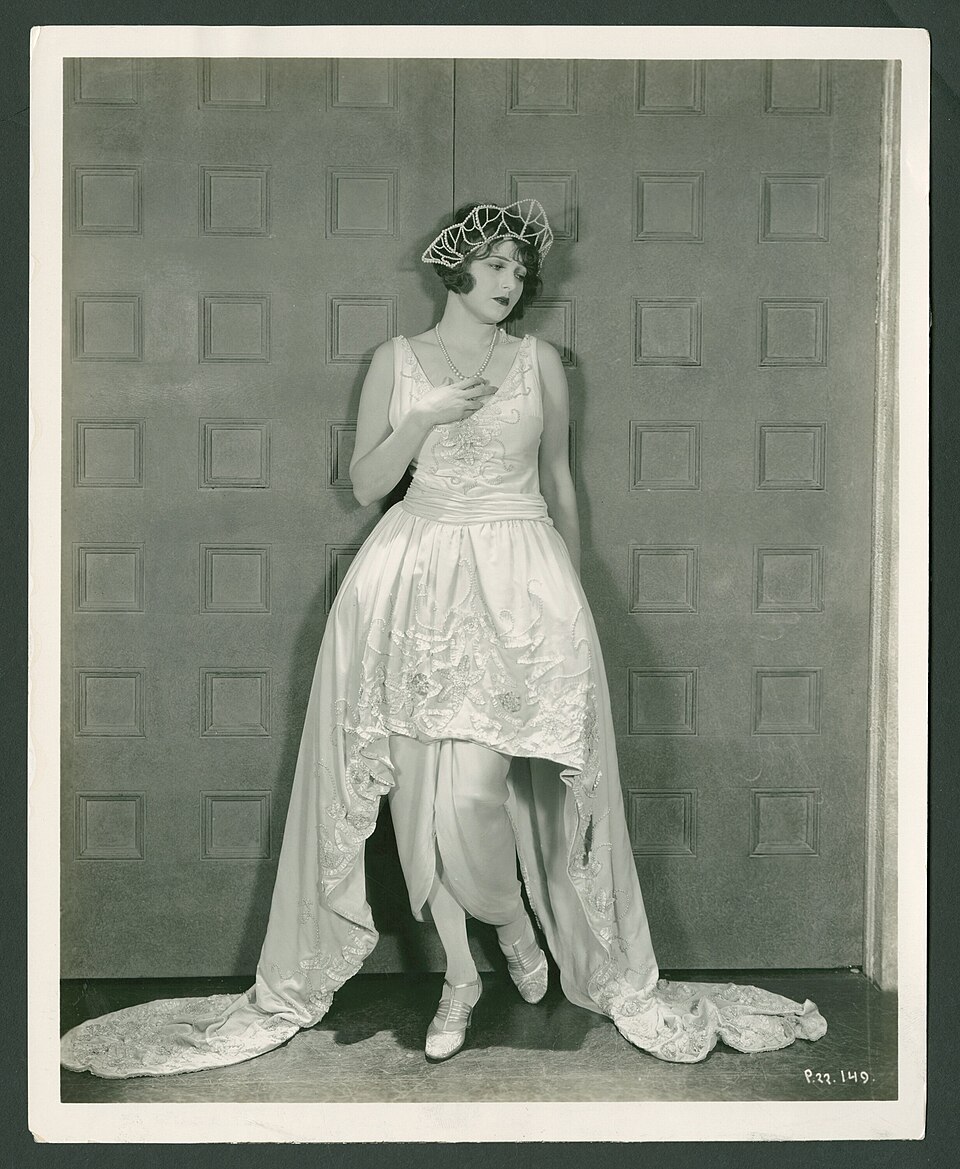
Corrine Griffith - Single Wives (1924)
Edwin Bower Hesser
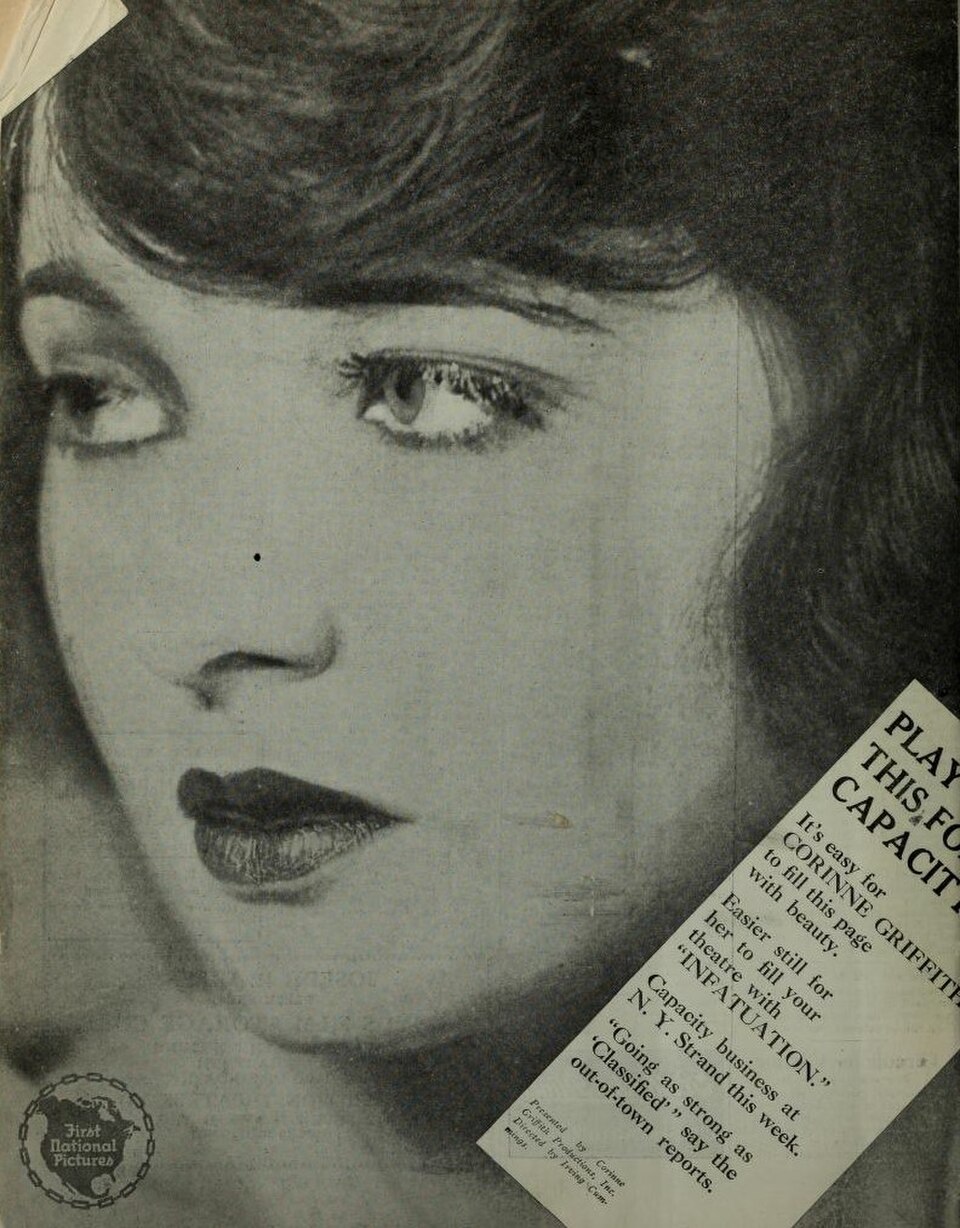
Corinne Griffith - Infatuation (1925)
First National Pictures
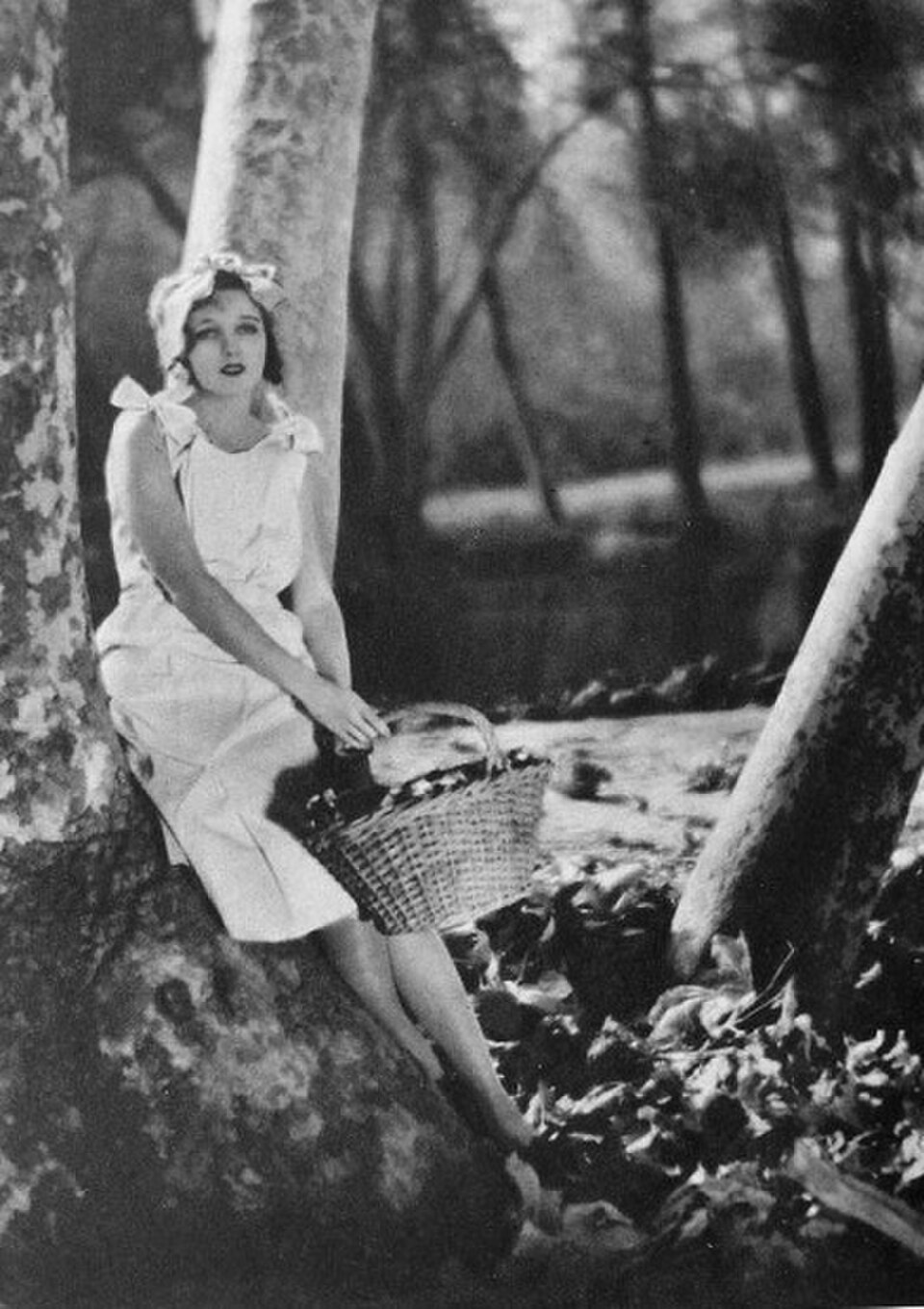
Corinne Griffith (1930)
The New Movie Magazine / Elmer Fryer (photographer)
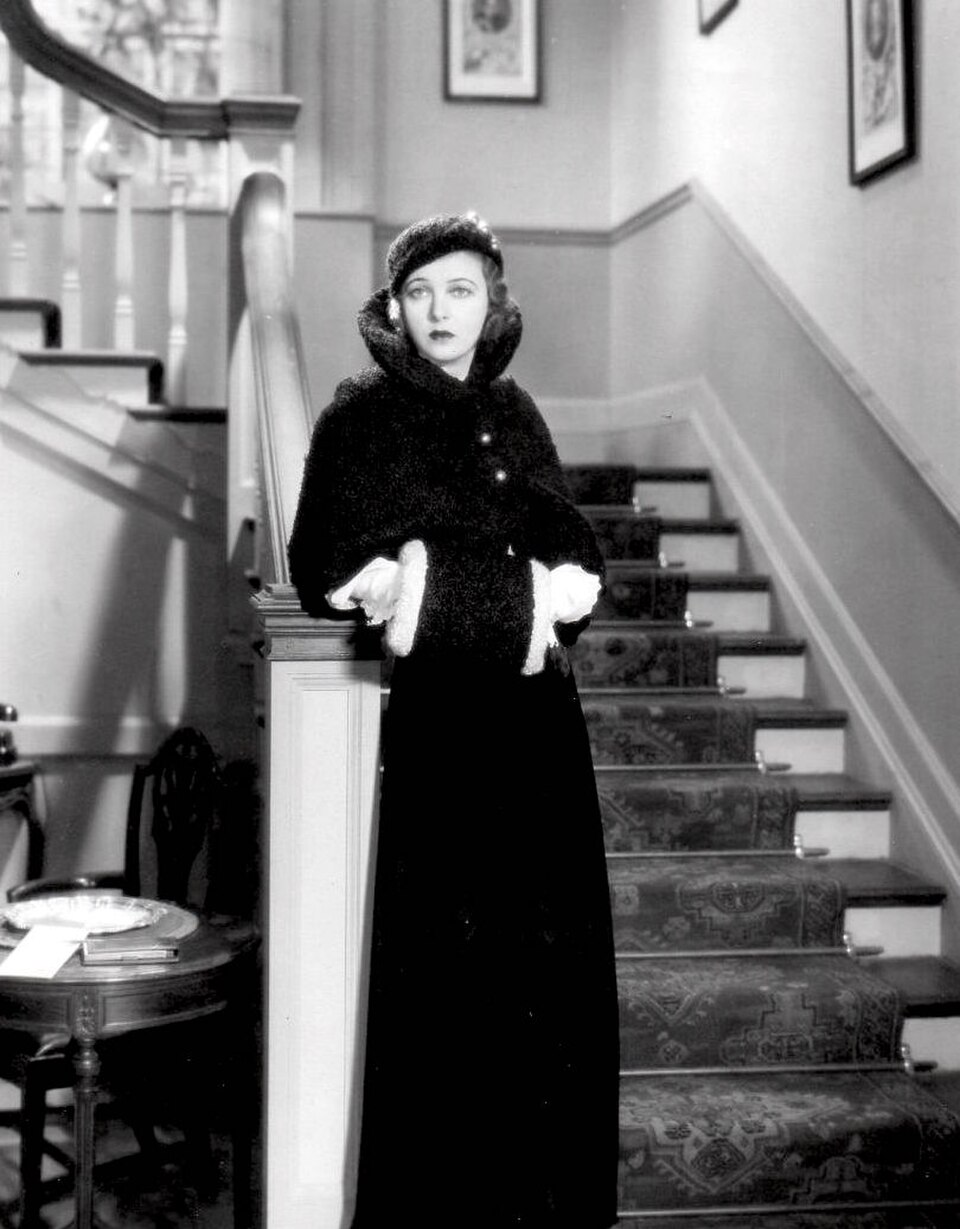
Corinne Griffith (Lily Christine, 1932)
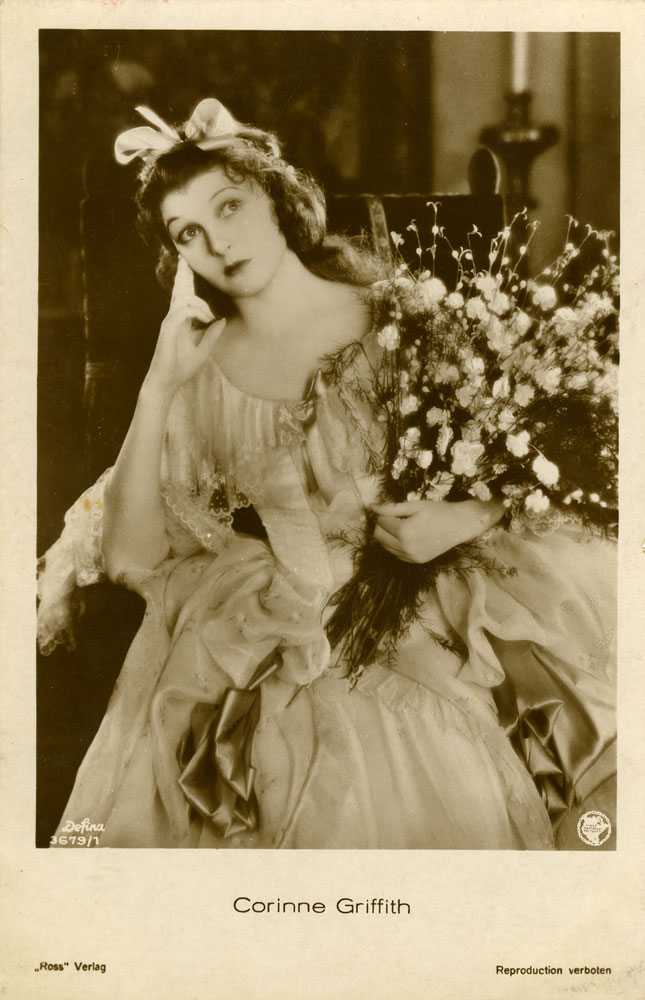
Corinne Griffith
Verlag Ross
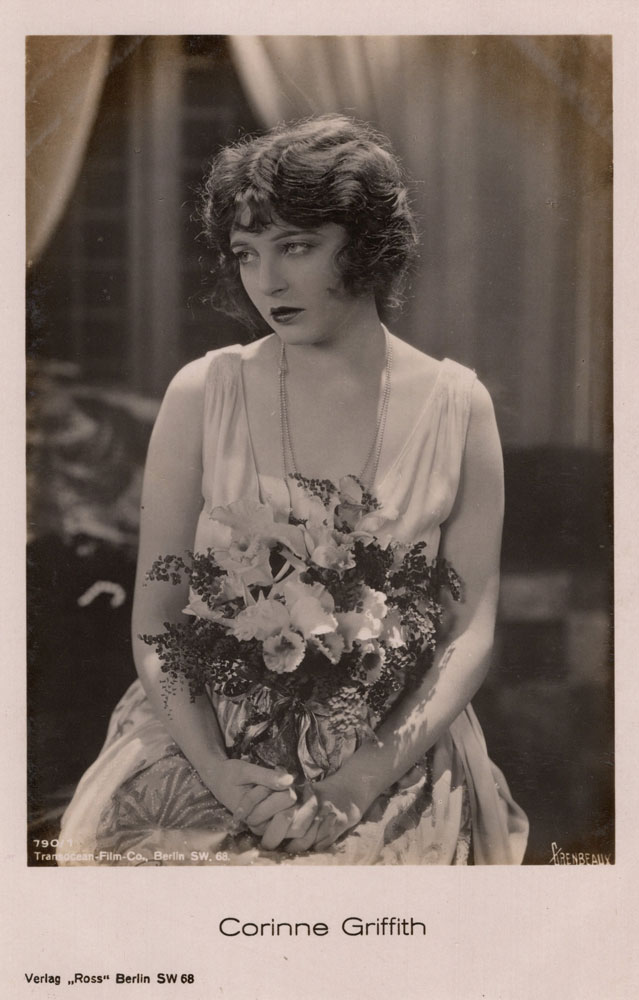
Corinne Griffith
Ross Verlag
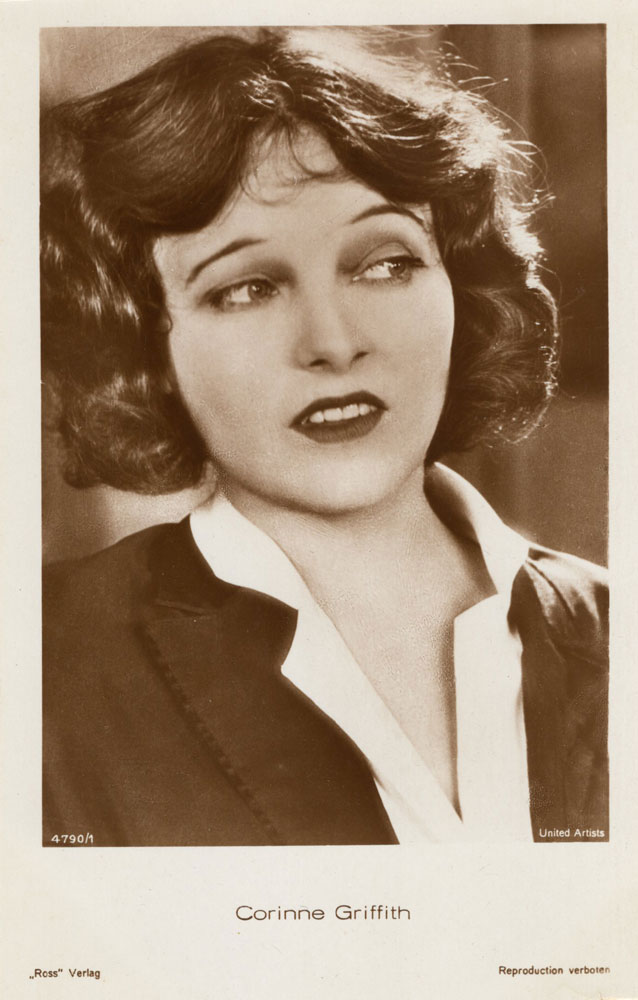
Corinne Griffith
Ross Verlag
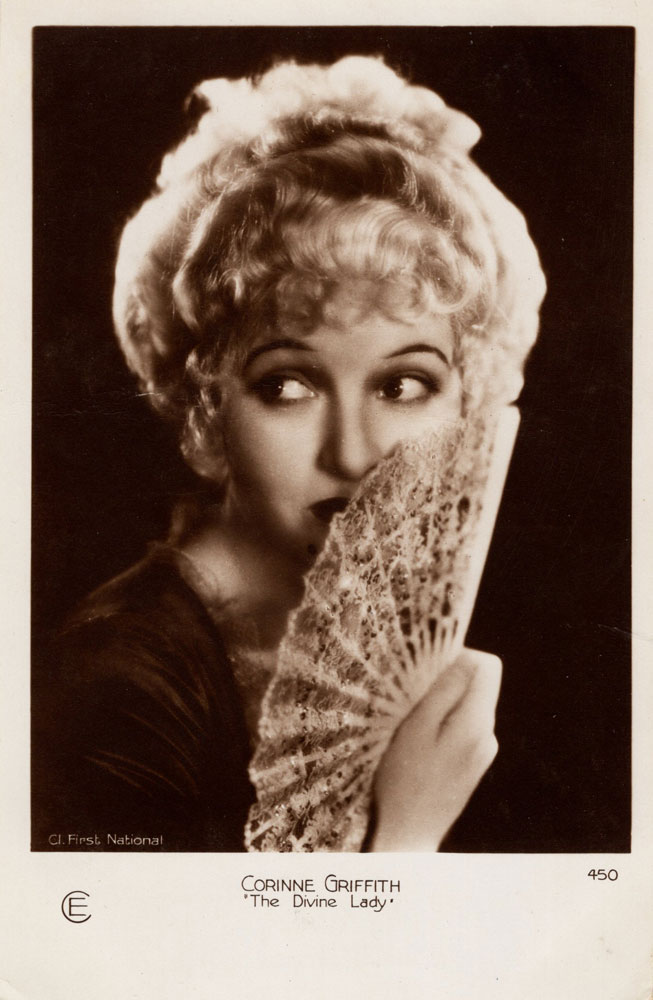
Corinne Griffith - The Divine Lady (1928)